Ways to Make Sound
Pitch
Volume
The Ear
100
To vibrate means to move back and forth very _______ (quickly or slowly).
Quickly
100
How high or low a sound is describes its ________ . (Pitch or Volume)
Pitch
100
True or false: Loud sounds can damage your hearing.
True
100
True or False: You should never put anything smaller than your finger in your ear.
True!
200
A drum makes sound by ________ . (Striking, rubbing, plucking, or moving air)

Striking! Either hands or a mallet strike the drum and the surface vibrates.
200
As the ruler got longer, the pitch got _______ . (higher or lower)
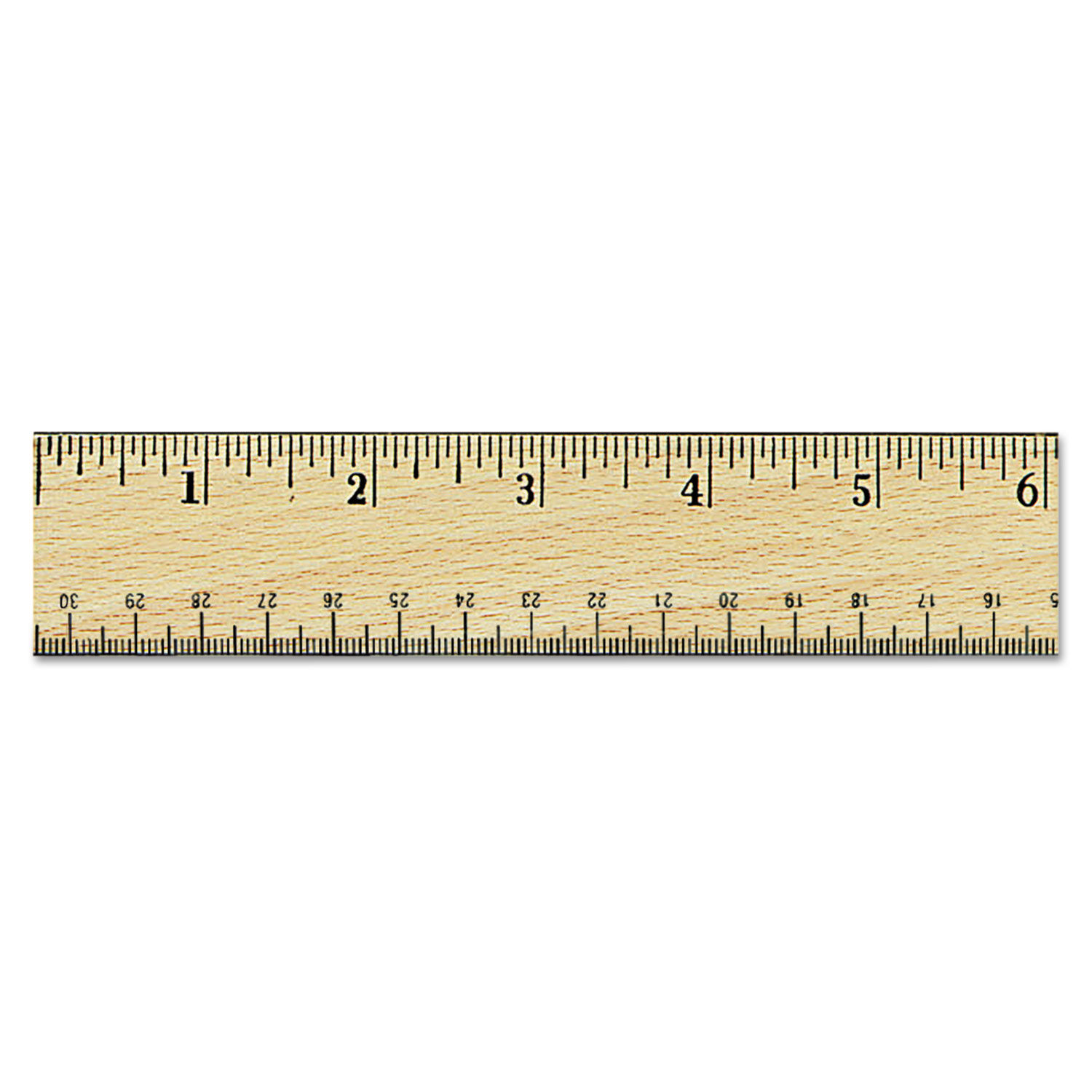
Lower
200
How loud or soft a sound is describes its _______ . (Pitch or Volume)
Volume
200
The three tiny bones in the ear are called the...
1. Hammer 2. Anvil 3. Stirrup
300
A violin makes sound by ________ . (Striking, rubbing, plucking, or moving air)

Rubbing. The bow rubs against the strings, causing them to vibrate.
300
As the nails got shorter, the pitch got _______ . (higher or lower)

higher
300
The volume of a sound is measured in _______ .
Decibels
300
What is the name of this part of the ear?

Cochlea
400
A harp makes sound by ________ . (Striking, rubbing, plucking, or moving air)

Plucking. The musician plucks the strings and they vibrate.
400
We changed the pitch of our sound sandwiches by...

Moving the straws closer or farther apart, changing the length of the rubber band.
400
True or false: Hearing low decibel sounds over time can damage your ears.
False: Hearing HIGH decibel sounds over time can damage your ears.
400
Explain how sound travels through the ear to the brain.

Answers may vary, but they should have most of the following steps.
1. Sound is funneled into the outer ear or pinna.
2. It travels down the ear canal to the ear drum which vibrates.
3. Three tiny bones (the hammer, anvil, and stirrup) vibrate.
4. Finally, the sound causes liquid in the cochlea to vibrate and nerve messages are sent to the brain.