The Sun
Gravity
Solar System
The Planets
Space Rocks & Stuff
100
Where is the sun located in our solar system?
In the CENTER!
100
What we call it when a smaller object moves continuously around a larger object in an elliptical path.
REVOLVING or ORBITING
100
A group of objects that revolve around a single star is called a _________________.
Solar System
100
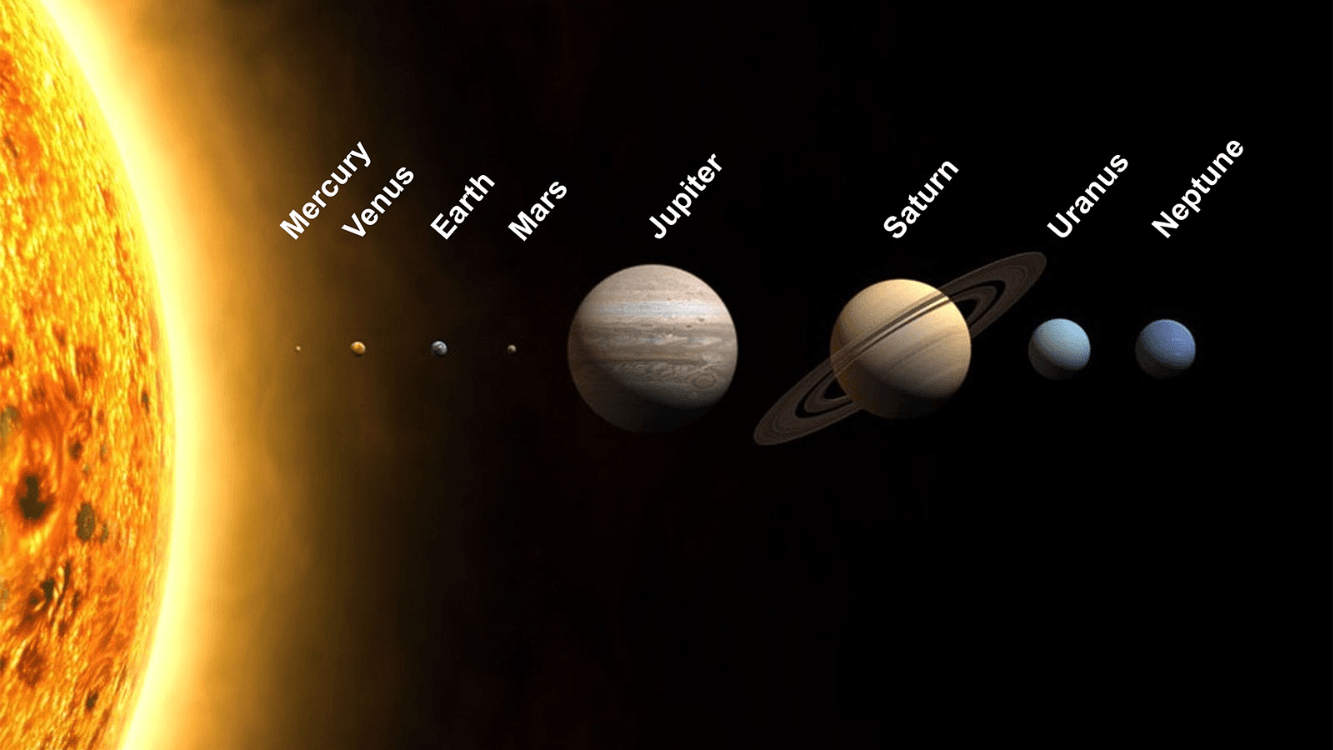 Two differences between TERRESTRIAL planets and JOVIAN planets are:
1.
2.
1. Terrestrial planets have a firm surface and Jovian planets do not.
2. Jovian planets are made of mostly gas and Terrestrial planets are not.
3. Terrestrial planets are closer to the sun than Jovian planets.
4. Jovian planets have rings and Terrestrial planets do not.
5. Terrestrial planets are much smaller than Jovian planets
6. Terrestrial planets have larger cores that Jovian planets.
100
A giant cloud of gas and dust in space is called a ____________.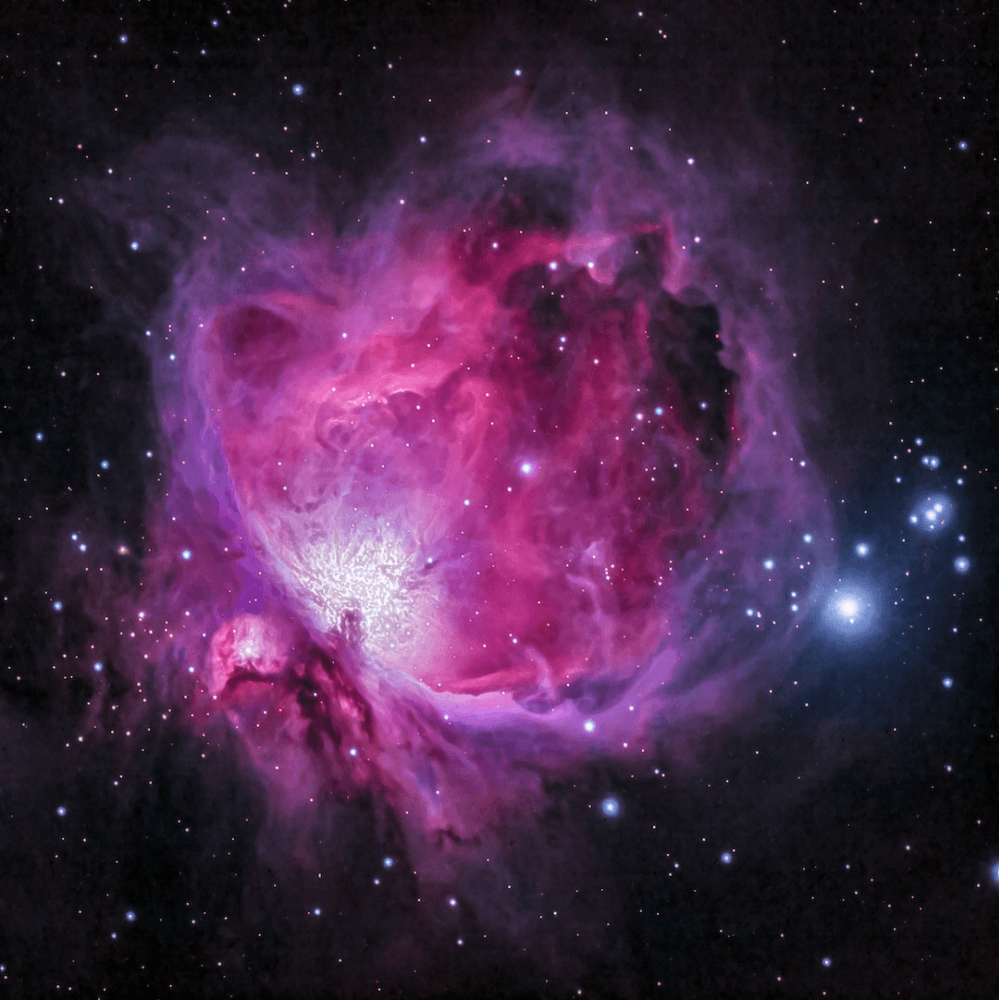
Nebula
200
The sun is a _ sized star.
small medium large
medium
200
The Earth has just enough _________ to keep our moon orbiting us.
Gravity
200
Earth is the only planet in our solar system that can support _______________.
Life
200
This is the order of our planets from the sun.
Mercury, Venus, Earth, Mars, Jupiter, Saturn, Uranus, Neptune
200
What is a meteor called if it travels through the earth's atmosphere and hits the ground?
Meteorite
300
The Sun is the only star in the Milky Way Galaxy.
T or F?
False
300
The strength of a celestial object's gravity depends on its ____.
MASS
300
The object in our solar system that has the largest gravitational force.
THE SUN!
300
Uranus is the only planet that spins like this.
On its side!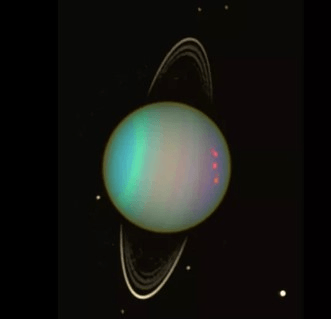
300
"Shooting stars" are not really stars, they are __________.
METEORS
400
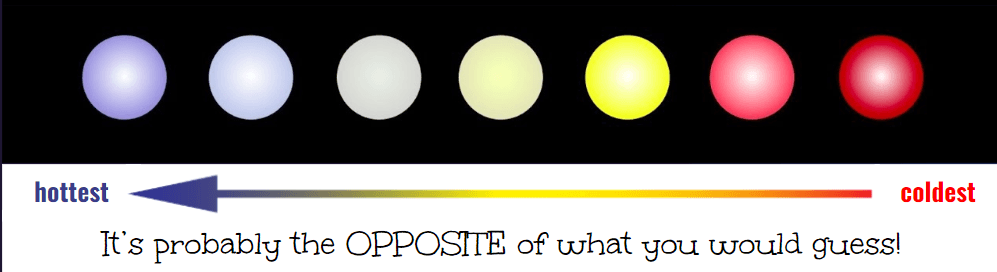
The HOTTEST type of star is this color.
Blue
400
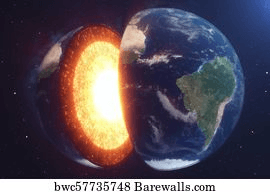 If the earth's mass were cut in half, the strength of the earth's gravity would __________________.
Decrease (by half!)
400
This force helped form our planets during the creation of our solar system.
GRAVITY!
400
Two reasons planets stay in orbit around the sun are VELOCITY and ______________.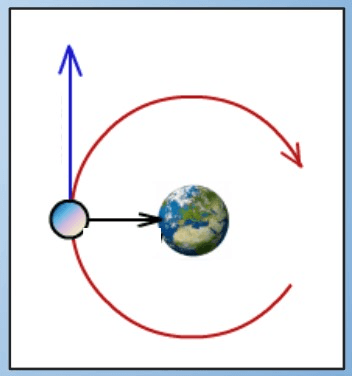
GRAVITY
400
What type of space object is kind of like a big, dirty snowball?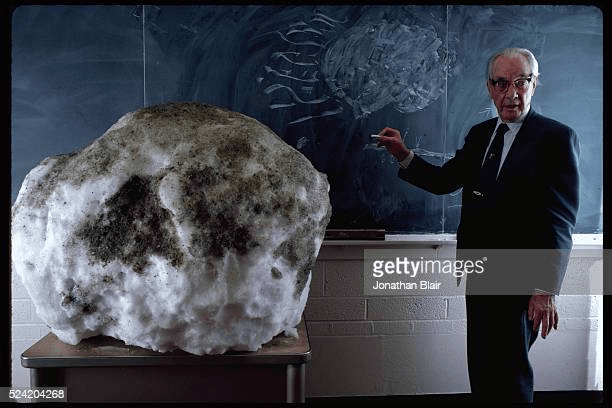
COMET
500
Our solar system's star gets its energy from this.
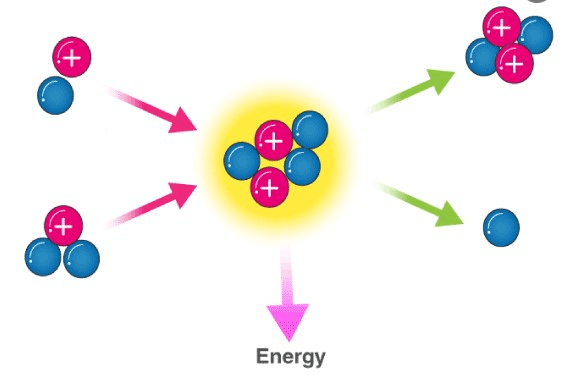 Nuclear Fusion.
500
We would weigh less standing on the moon. Why?
Because the moon's gravity is weaker than the earth's gravity (because the moon has LESS mass)
500
The difference between Planets and Dwarf Planets is that DWARF planets are NOT massive enough (don't have enough gravity to) _____________________.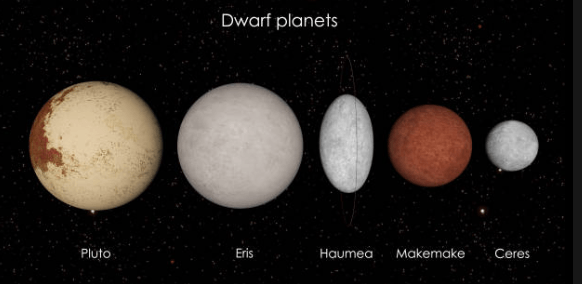
Clear other objects out of their orbital path.
500
Another name for Jovian Planets is _________.
Gas Giants OR Outer Planets
500
This is what we call giant rocks in space that sometimes break apart and find their way to the earth's atmosphere as meteors.
Meteoroids