Vocabulary
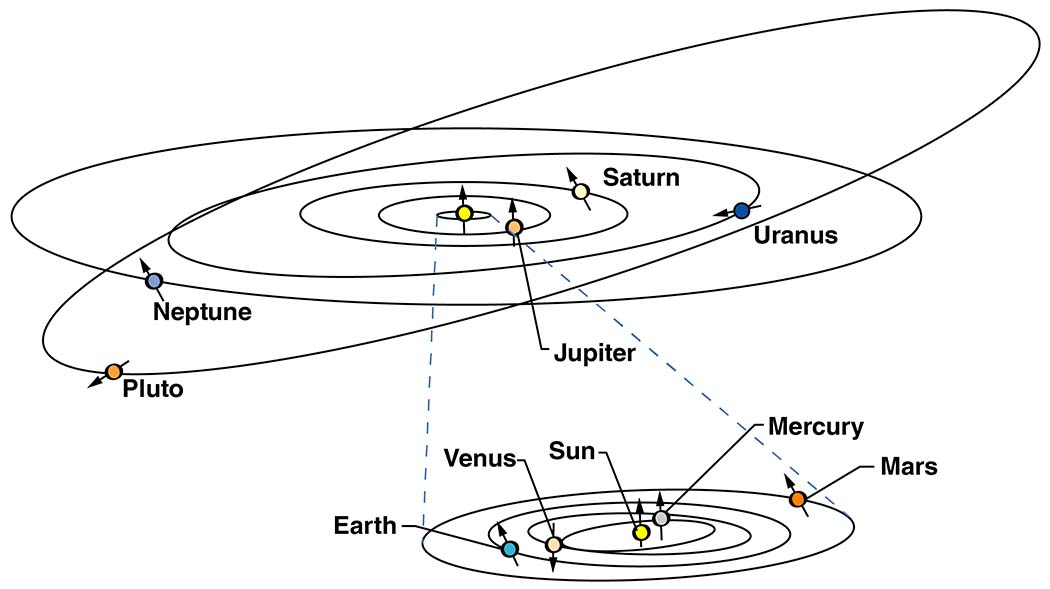
The Solar System
The Sun and Stars
The Moon
Other Celestial Bodies and Phenomena
100
An object that creates its own light.
Luminous
100
The third planet from the Sun.
Earth
100
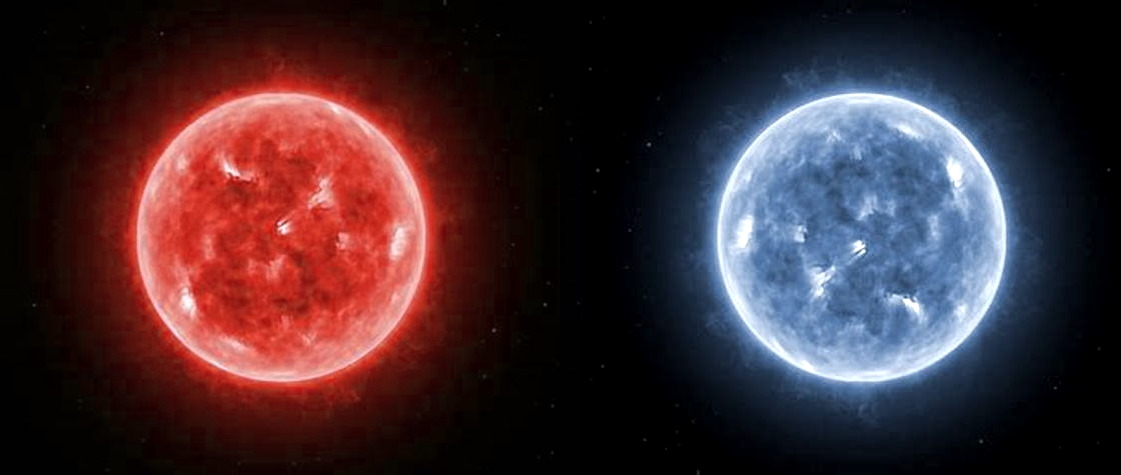
Which of these stars is colder?
Left (red)
100
True or False: The Moon is luminous. Explain.
False. The Moon does not emit its own light - it reflects light from the Sun.
100
Collection of rocks, metals, ice orbiting between Mars and Jupiter.
Asteroid belt
200
A collection of gases in space that emit large amounts of energy.
Star
200
Name any TWO of the gas giants.
Jupiter, Saturn, Uranus, Neptune
200
The outer atmosphere of the Sun that appears like a halo.
Corona
200
True or False: we on Earth always see the same side of the Moon?
True
This is due to the moon rotating about its axis and revolving around Earth at the same speed.
200
What is the reason for seasons on Earth?
The tilt of the Earth's axis.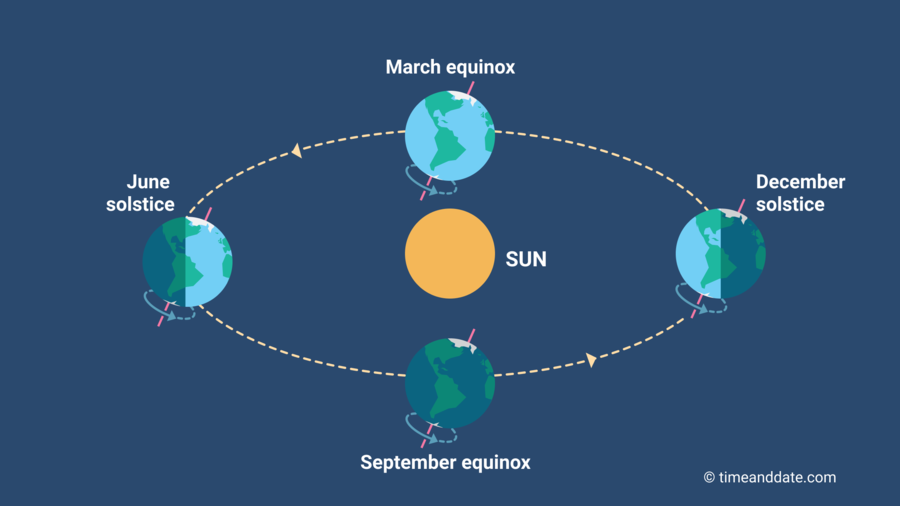
300
An object in space that orbits around a larger object.
Satellite
300
Term used to describe the Earth orbiting around the Sun.
Revolution (not rotation)
300
A unit referring to the average distance between the Sun and the Earth
1 Astronomical Unit (AU)
300
What phenomenon is this image showing? 
Solar Eclipse
300
Celestial objects revolve in the following shape.
Elliptical (not circular)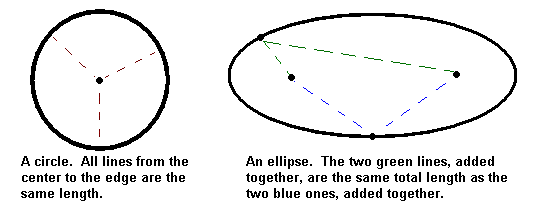
400
Collections of stars, gases, dust, planets, and other celestial objects.
Galaxy
400
A space rock that enters Earth's atmosphere, and burns up.
Meteor
400
Term describing the brightness of stars in the night sky as they appear from Earth.
Apparent magnitude
400
The following image of the moon was taken during the lunar cycle after a full moon. What phase of the moon is this?
Waning gibbous
400
The Milky Way Galaxy has this shape.
(Flat) Spiral
500
A group of stars that form a pattern, but is not one of the 88 officially recognized constellations.
Asterism
500
The model of the solar system describing the Sun at the centre.
Heliocentric
500
Region of the sun where hot gases rise and cooler gases fall.
Convection zone
500
The following arrangement of the Sun, Moon, and Earth results in what kind of tide?
Neap tide
500
Explain why Pluto is no longer considered a planet.
It's orbit is on a tilt relative to the orbits of the other planets in the solar system. Since its orbit is also crossed by Neptune, which has a greater mass, it is a dwarf planet.