Negotiation
Negotiation 2
BATNA
Power
Management
100
Negotiation can be judged fairly by these three things.
What are: It should produce a wise agreement if agreement is possible; it should be efficient; it should improve the relationship.
100
Negotiators are willing to make concessions and trade-offs to reach agreements that meet the interests of all parties.
What is soft positional bargaining?
100
BATNA stands for.
What is BEST ALTERNATIVE TO A NEGOTIATED AGREEMENT?
100
Definition of power.
What is the ability to influence the actions of others?
100
The four functions of management.
What is POLE?
Planning, Organizing, Leading, and Evaluating.
200
Parties compete over the distribution of a limited amount of resources.
What is distributive bargaining?
200
Emphasis is placed on achieving individual objectives and maximizing personal gains within the negotiation.
What is HARD positional bargaining?
200
The three distinct operations of a BATNA:
What are Inventing, Improving, and Selecting?
200
The ability to influence others by giving them something they value.
What is Reward Power?
200
In leadership teams, this phenomenon occurs when the desire for consensus overrides critical evaluation, often leading groups to ignore warning signs and alternative solutions.
What is group think?
300
The two types of positional bargaining.
What are hard bargaining and soft bargaining?
300
“WIN-LOSE” or “ZERO SUM”
What is distributive bargaining?
300
TRUE OR FALSE: You need a BATNA for every single negotiation?
WHAT IS FALSE?
300
Threats and punishment to to achieve compliance.
What is Coercive Power?
300
Involves assigning responsibility and authority for accomplishing objectives
What is delegation?
400
Negotiation strategy where parties take fixed positions and make concessions with the aim of reaching a compromise.
What is positional bargaining?
400
Various people problems fall within one of these three basic categories:
What are Perception, Emotion, and Communication?
400
TRUE OR FALSE: We only need to consider alternatives for our position and interests when we create a BATNA.
WHAT IS FALSE?
400
Power given to people by organizations or society.
What is Legitimate Power?
400
One’s obligation to achieve objectives by performing required activities.
What is responsibility?
500
The difference between positions and interests.
What is Positions are the specific outcomes each party wants, while interests are the underlying needs, desires, and concerns that drive those positions?
500
People, Interests, Options, Criteria.
What is the foundation of Principled Negotiation?
500
This should be done if no agreement is reached during negotiations for a sponsorship deal.
What is continue negotiations while exploring alternative options?
500
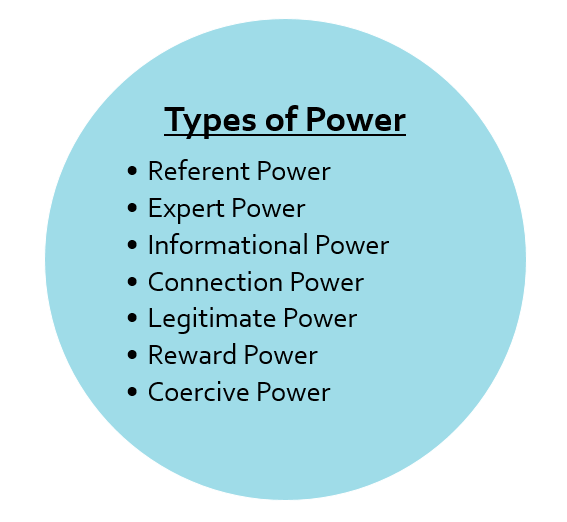
The seven types of power discussed in class.
What are:
500
Allows organizations to base their hiring decisions on otherwise discriminatory attributes when it is reasonably necessary to the normal operation of a particular organization
What is a bonafide occupational qualification (BFOQ)?