Animals
Spring Activities
Spring Trivia
In The Garden
Spring Bugs
Spring Unscramble
Spring Unscramble
100
Many birds build these in the springtime:
Nests!
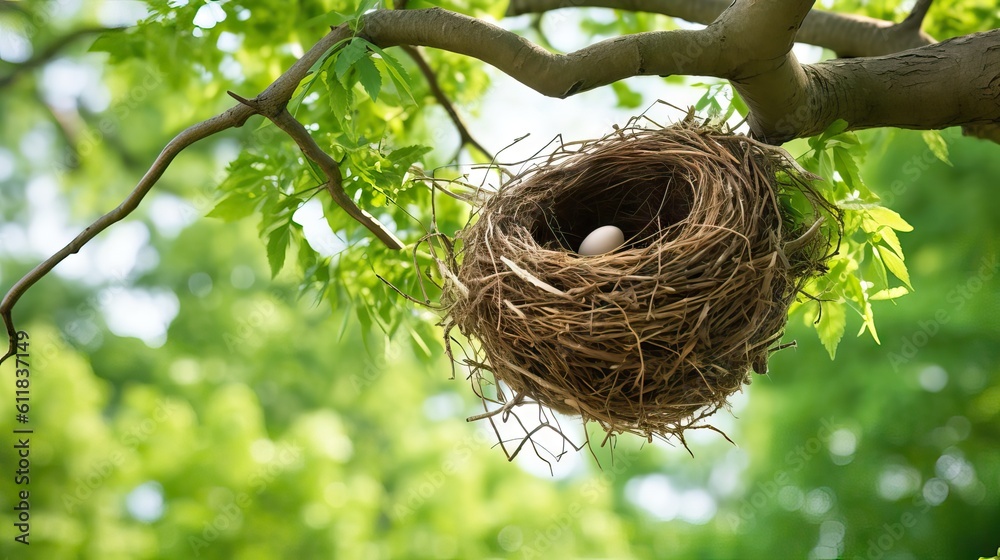
Spring is an important time of year for birds to get cracking laying eggs and raising chicks. But first they need to build their nests. Each species of bird brings its own style to its nest making. Birds use a range of materials to build their nests, including sticks, lichen, spider silk, bark and mud. Different birds make different nests. Some nests are as simple as a scrape on the ground, others are carefully engineered structures.

A common type of nest you might see is called a cup nest, as it’s the style made by many garden birds, including robins and blackbirds.
100
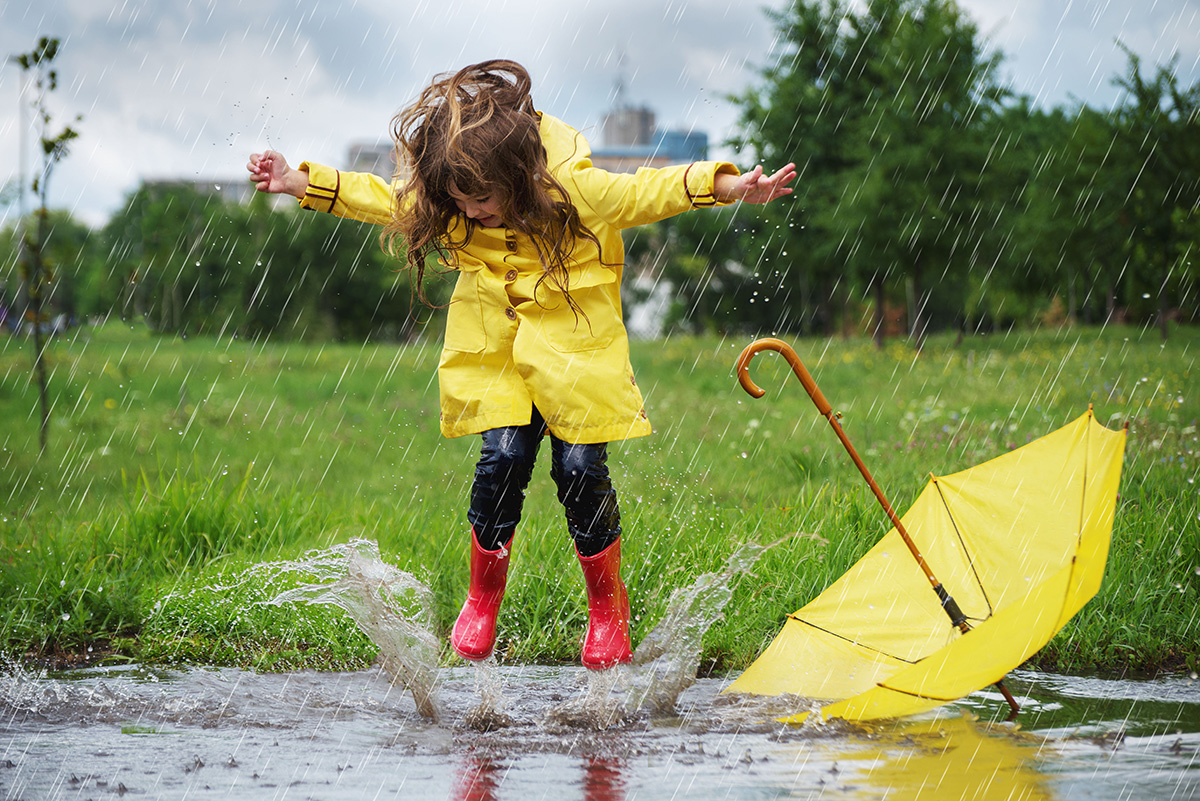
Kids like to jump in these after it rains.
100
When was the first day of spring this year?
A) March 18th
B) March 20th
C) March 24th
B) March 20th
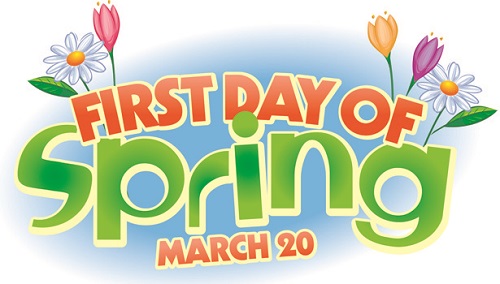
The first day of astronomical spring changes (usually between March 19–21) because Earth’s orbital period. Technically there are 365.24 days in a year, and this causes the equinox to drift each year. This year, the first day of spring fell on March 20th!
100
This type of weather helps plants and flowers grow in the spring time.
Rain!


Spring experiences high rainfall due to the clash between warming air, which boosts evaporation, and lingering cold, dry air from winter. This interaction creates unstable conditions where warm air rises and condenses, bringing frequent rain showers. Additionally, the jet stream's northward shift drives active, low-pressure storm systems across regions!
100
This red bug with black spots is considered good luck and often seen in the springtime!
A Lady Bug!

Ladybugs are not actually bugs but beetles, with over 475 species in North America, acting as voracious, beneficial garden predators that eat up to 5,000 tiny insects in their lifetime. These beetles, known as "ladybirds" outside of North America, use their bright colours to signal toxicity to predators and can live for up to two years.
100
NRIA
RAIN
100
TNSE
NEST
200
This spring animal is the symbol of Easter
A Bunny!
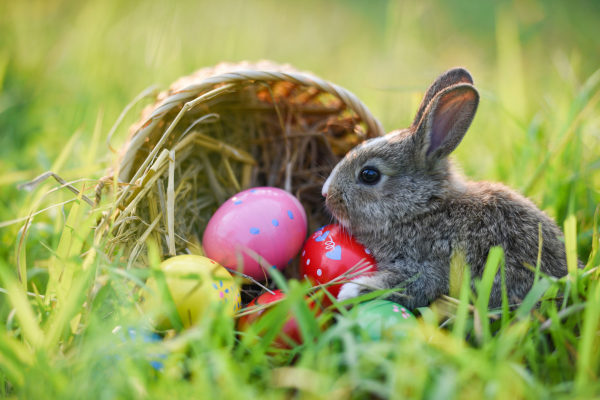
The Easter bunny is associated with Easter primarily due to its ancient reputation, symbolizing new life and renewal in the spring time!
Bunnies Snacking:
200
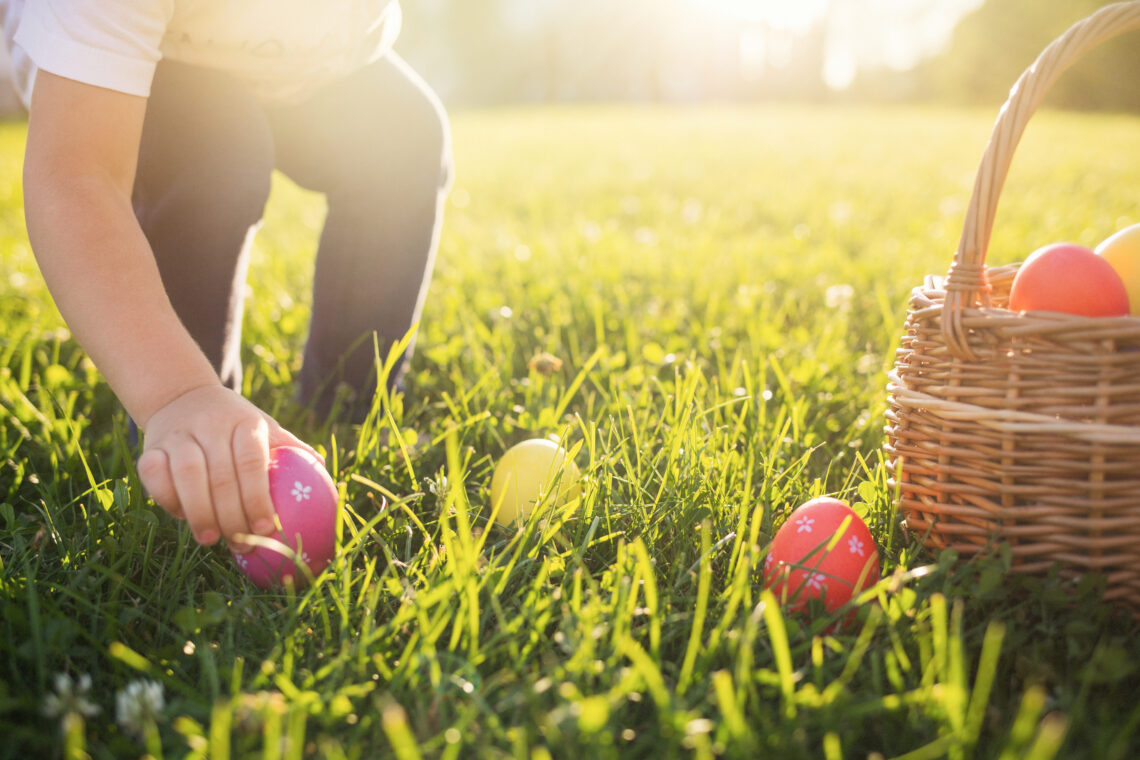
This outdoor spring activity involves looking for hidden oval shaped items, often filled with treats!
Easter Egg hunt!
200
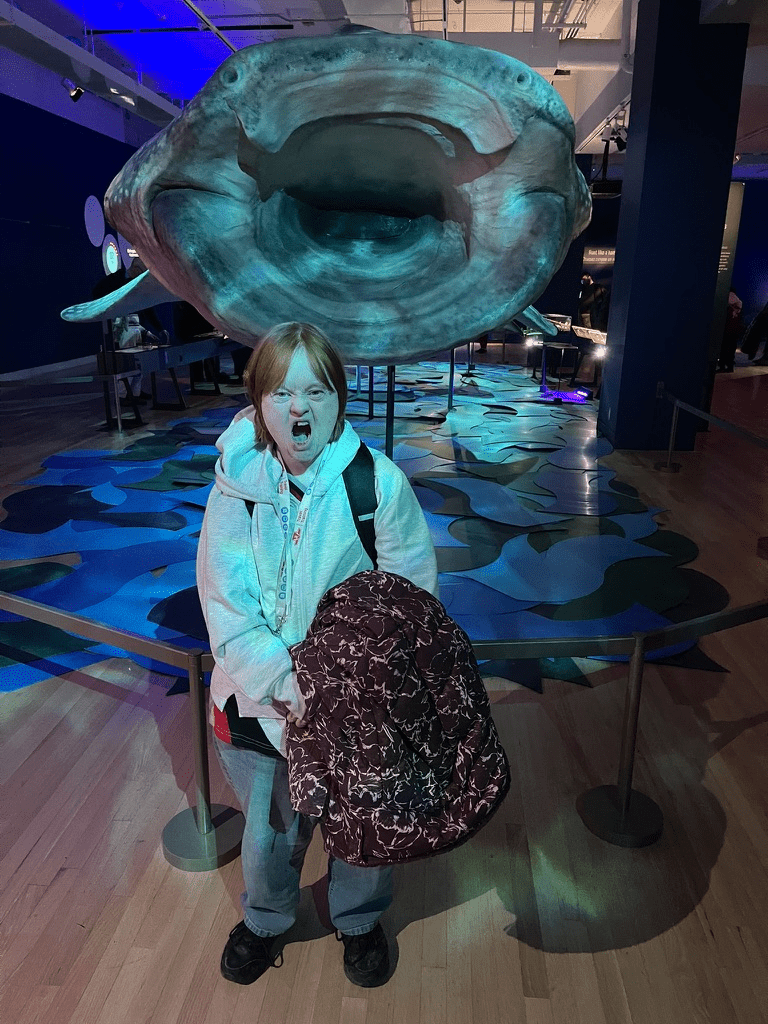
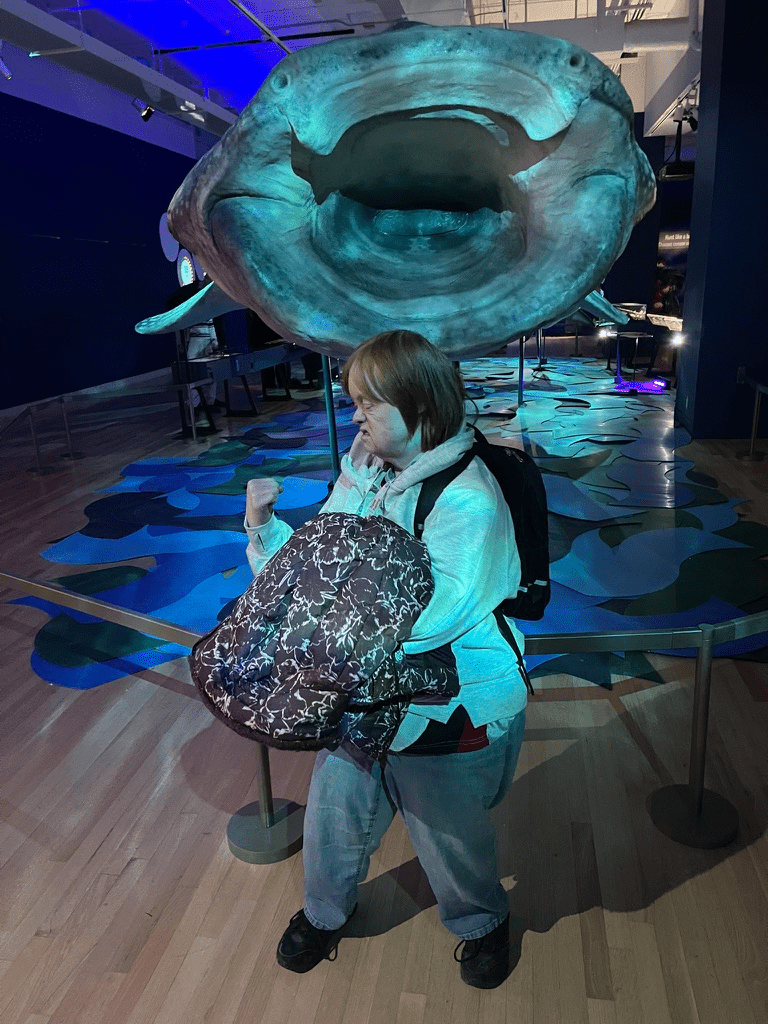
Which of our friends have Birthdays in the springtime?
A) Adam
B) Stacey
C) Chris
D) All of the above
D) All of the above
Our friends Adam, Stacey and Chris ALL have Birthdays in the springtime!

200
This tool is used to dig holes in the soil before planting flowers:
A Shovel or Trowel!
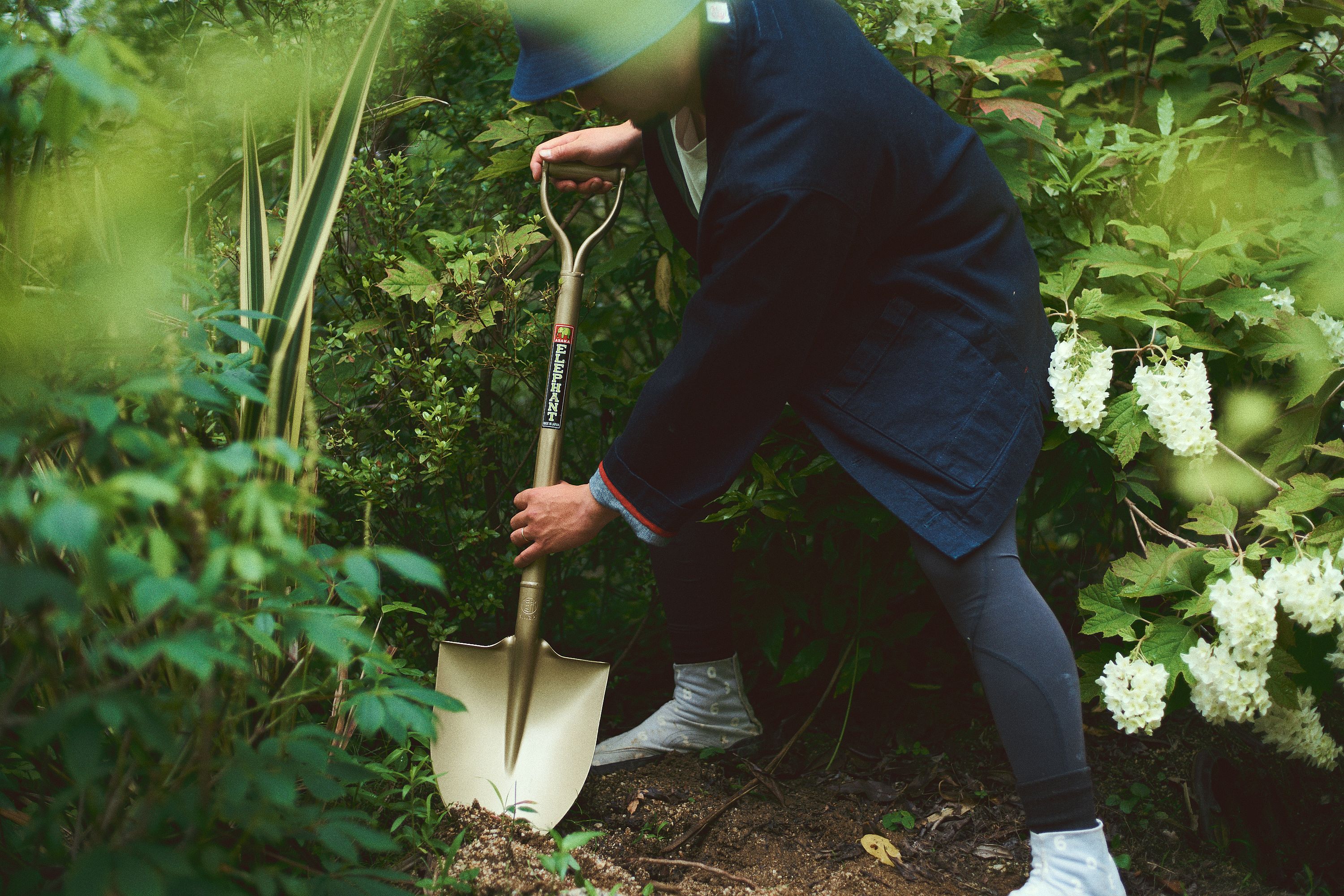

A trowel is a small, handheld tool designed for precision tasks like planting, weeding, and potting, typically used with one hand. A shovel is a large, long-handled tool intended for digging, lifting, and moving heavy materials like soil, sand, or snow using two hands for leverage.
200
These slow moving, slimy critters love the rainy springtime weather!
Snails!
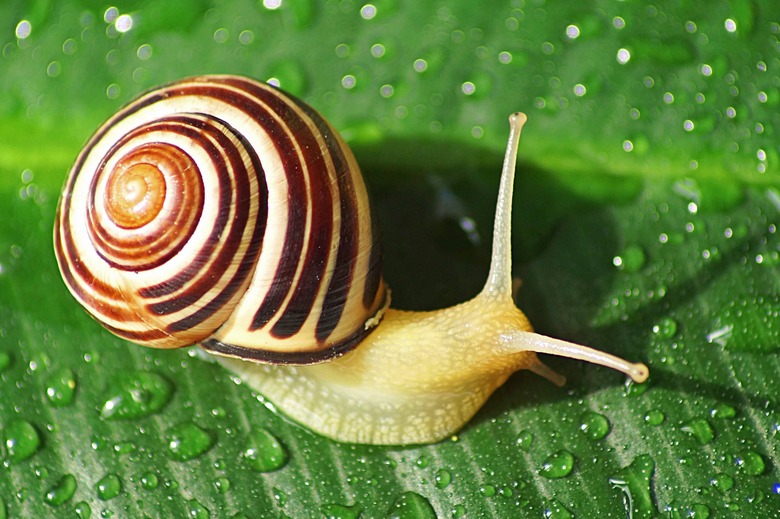
Snails are highly active in the spring, emerging from hibernation to feed and reproduce as temperatures rise and moisture levels increase. Their activity peaks during cool, damp, or rainy spring conditions, making them a significant threat to young plants and new growth.
Fun Facts:
200
OLBMO
BLOOM
200
RDSIB
BIRDS
300
These spring animals hatch from eggs
Chicks!

Baby chicks are highly intelligent, communicative creatures that can recognize up to 100 faces, including humans, and start peeping from inside the egg to chat with their mother before hatching. These fast-growing, social birds can walk within minutes of hatching, and dream during REM sleep! Did you know that Chicks and Chickens are the closest living relatives to the T-Rex!
Cute Baby Chicks With Cat Video:
300
This outdoor activity involves planting flowers or vegetables.
Gardening!
Gardening is Linda's (my mom's) favourite thing to do! Here are some of her beautiful Gardens she has created!
300
Which sport has its opening day traditionally in spring?
A) Basketball
B) Baseball
C) Football
B) Baseball


300
This critter helps keep the soil healthy for plants to grow and thrive in.
Worms!

Yes, earthworms are incredibly beneficial for plants, often increasing growth by roughly 25%. They improve soil health by creating tunnels that boost aeration and water drainage, breaking down organic matter into nutrient-rich fertilizer (castings), and releasing plant-growth hormones. Their activity also promotes beneficial microbes while reducing harmful pathogens.
300
These tiny but mighty insects emerge to look for food in the spring!
Ants!
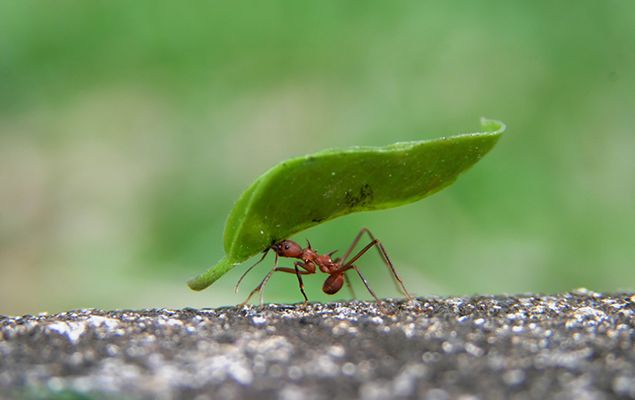
Ants are incredibly strong, capable of lifting 20-50 times their body weight, and exist in massive numbers totalling roughly 20 quadrillion. They live in complex, social colonies without ears (using vibrations to hear) and have two stomachs—one for themselves and one to share food. They exist on every continent except Antarctica.
300
PRNGSI
SPRING
300
RESATE
EASTER
400
A baby sheep is born in the springtime and is called a _________
Lamb!
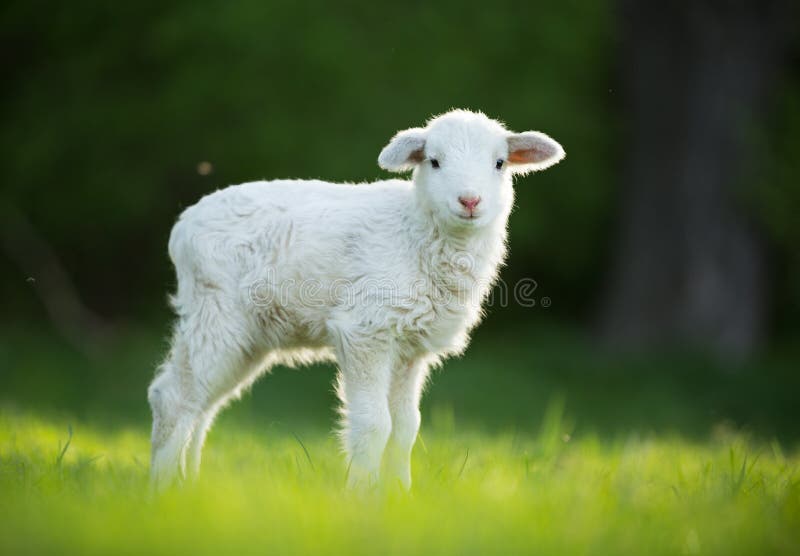
Lambs are highly social and intelligent animals that can walk within minutes of birth and recognize human faces. They are playful, often forming groups to jump and run, and they wag their tails like dogs when happy. These gentle, herbivorous creatures have nearly 360-degree vision and communicate through unique bleats.
Lambs Having Fun in the Sun:
400
People fly these colorful toys when it is windy in the spring.
Kites!
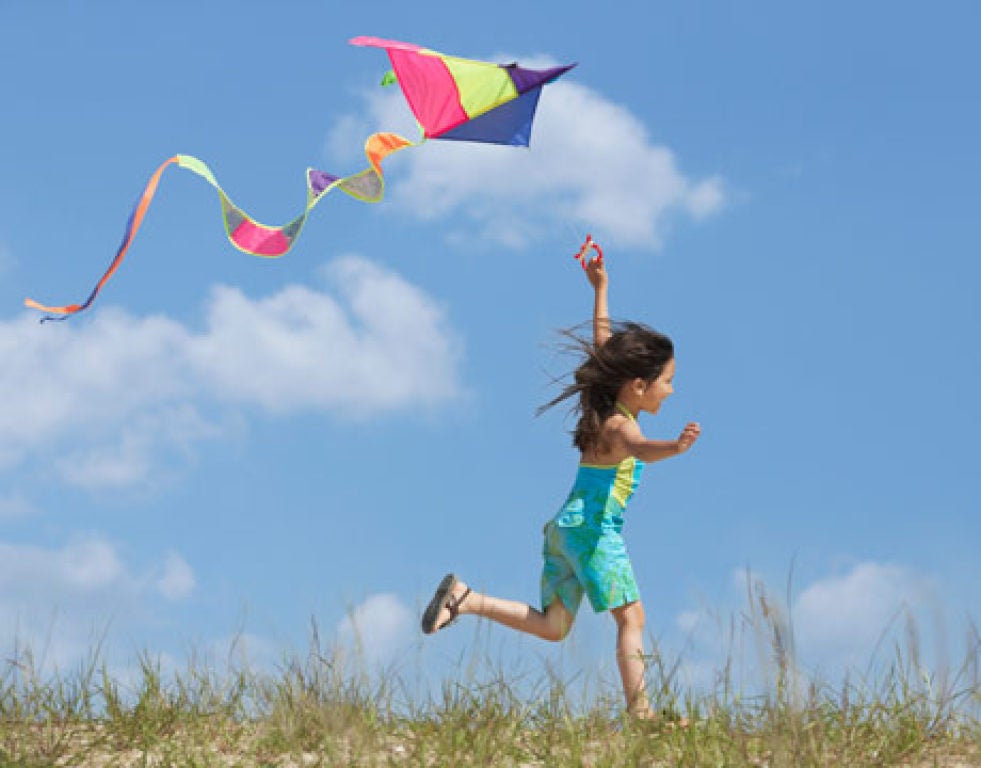
Kites originated in China over 2,000–3,000 years ago, traditionally crafted from bamboo and silk. Originally used for military signaling, measuring distances, and reconnaissance, they spread across Asia and eventually to Europe by the 16th century, evolving from military tools to scientific instruments for studying weather and electricity, and finally to popular recreational items

Kite Flying Competition:
400
Which country do cherry blossom trees signify the beginning of spring?
A) France
B) Australia
C) Japan
C) Japan
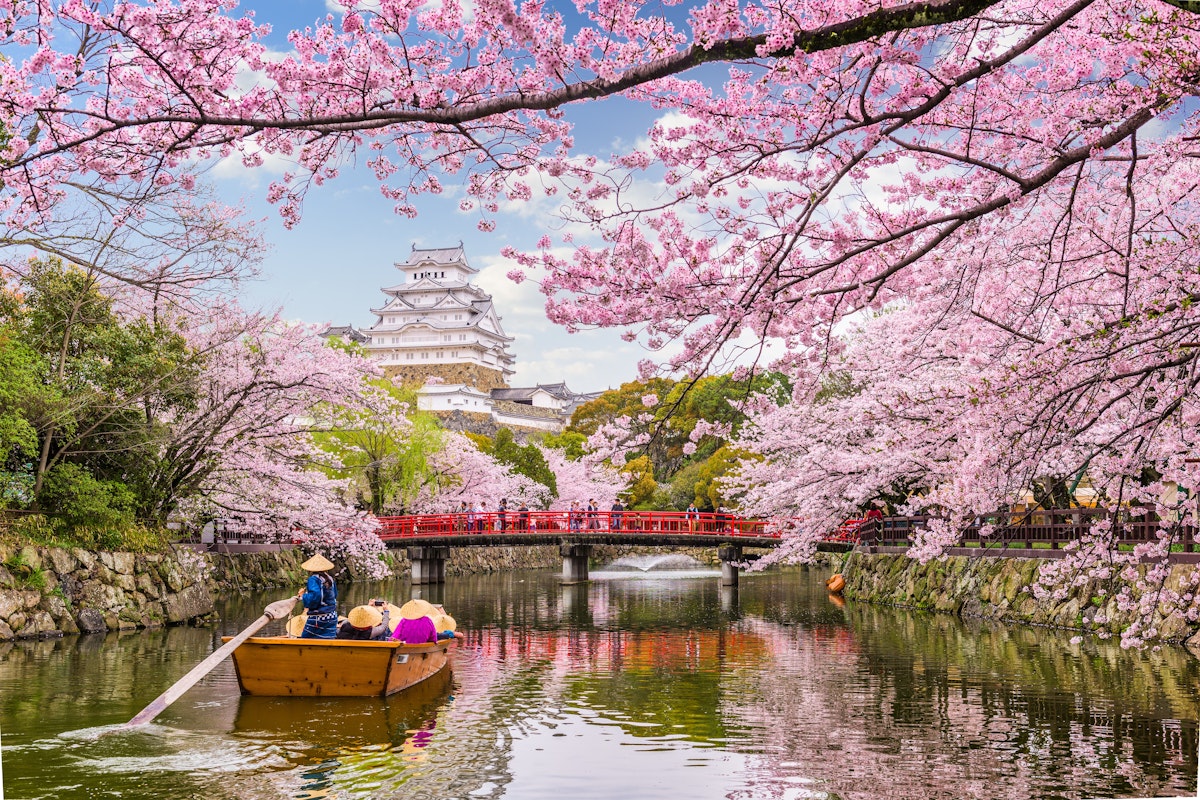
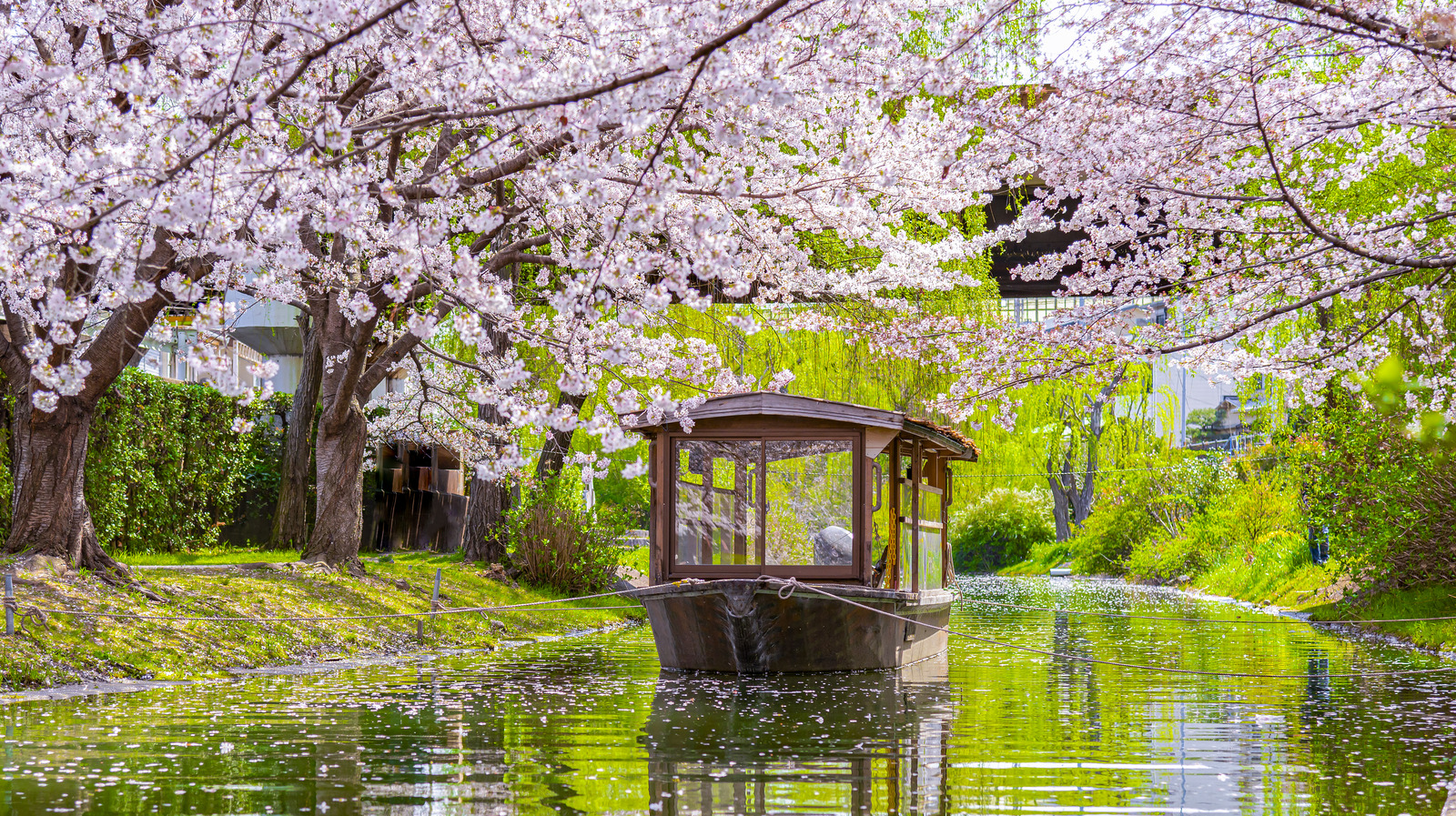
Japanese cherry blossoms (sakura) typically bloom from late March to early April in major cities like Tokyo and Kyoto, creating a vibrant, two-week spectacle of pink and white, symbolizing renewal and the impermanence of life.
Cherry blossom video:
400
This fluffy yellow "flower" sprouts in the spring and is often considered a weed.
A Dandelion!
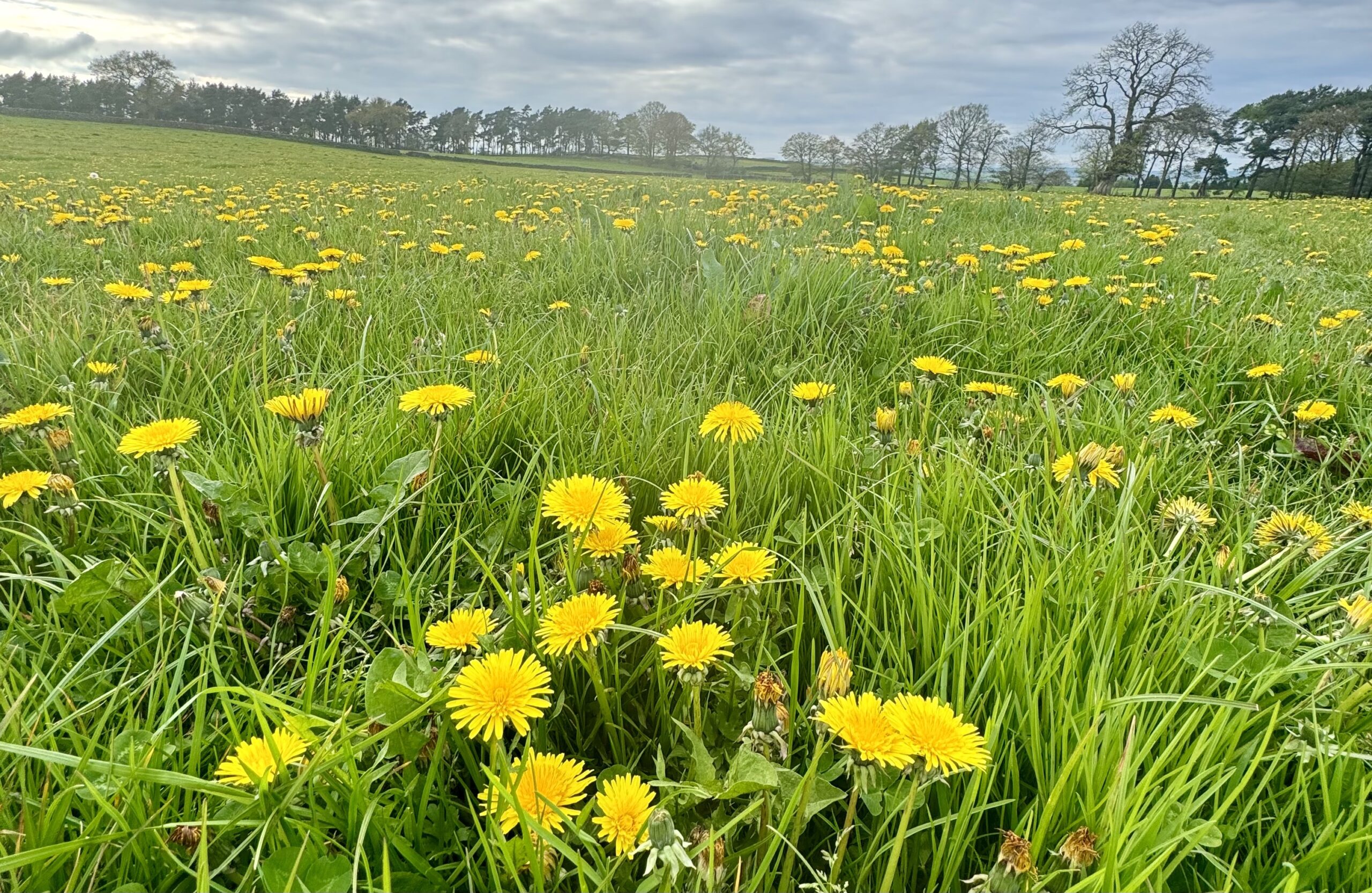 Did you know that dandelions are edible? Although they have an extremely bitter taste, they are rich in vitamins A, C, and K!
400
These insects glow at night in the late spring and summer!
Fireflies!

Fireflies are not actually flies, but beetles, that use highly efficient cold light—bioluminescence—to attract mates and warn predators. There are over 2,000 species worldwide that use unique blinking patterns, with some females even mimicking others to hunt different species.
Info Video:
https://www.youtube.com/watch?v=CogHulTLH2g&t=14s
400
PRTSUOS
SPROUTS
400
LEPDUDS
PUDDLES
500
This animal rests in a den all winter and wakes up in the spring time!
A Bear!
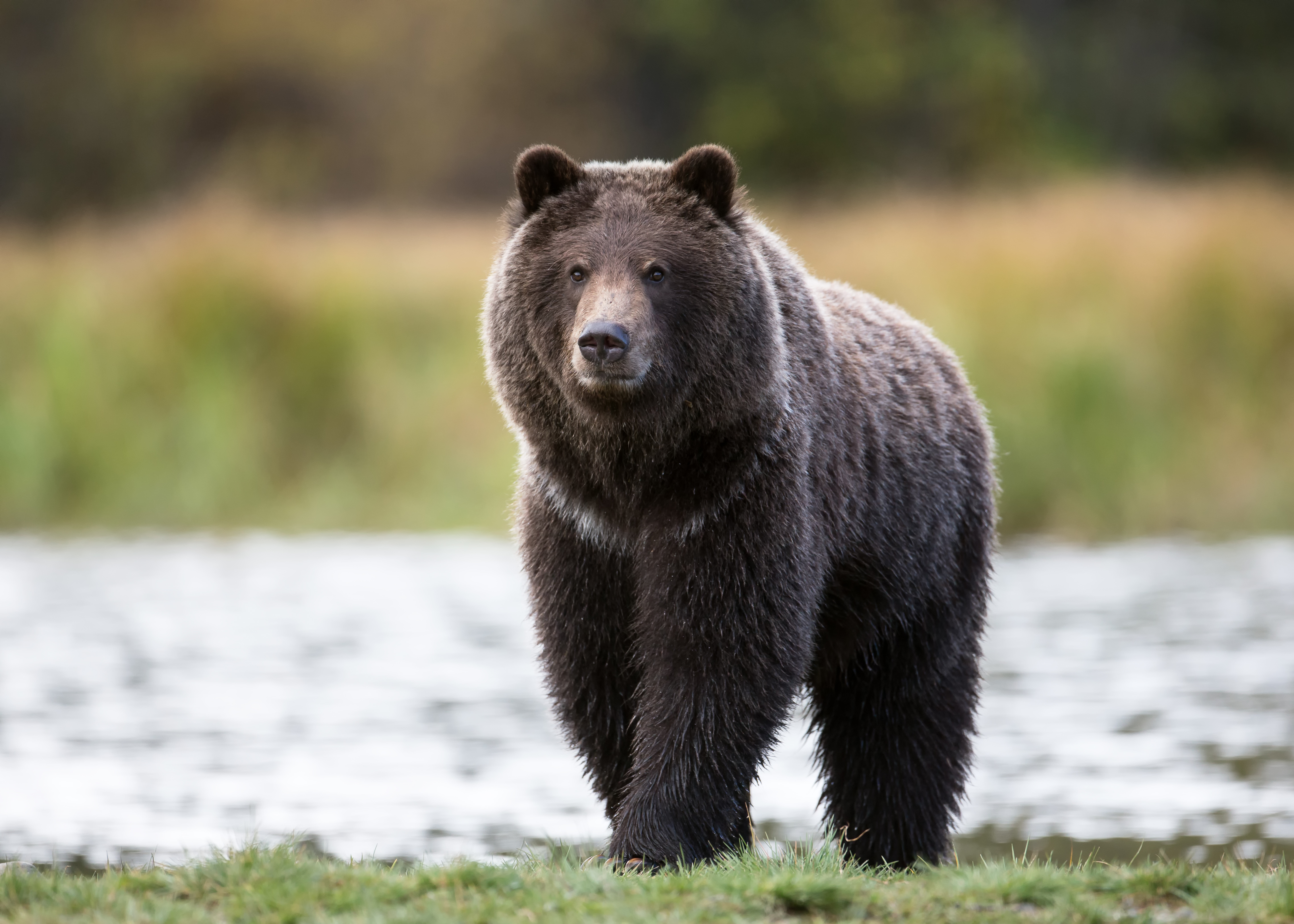
Bears are highly intelligent, solitary mammals with an incredible sense of smell—some can detect food over 20 miles away. Despite their size, they are fast runners, competent swimmers, and surprisingly good tree climbers.
Funny Bears:
500
Families and friends begin to enjoy meals outdoors sometimes on a blanket and/or table. What is this called?
A Picnic!

500
The first full moon in march is called "The Worm Moon"
TRUE or FALSE
TRUE

The Worm Moon is the full moon in March, marking the last full moon of winter and the transition into spring. Named for the thawing ground allowing earthworms and beetle larvae to emerge, it symbolizes nature waking up. In 2026, it occurs around March 3-4 and coincides with a total lunar eclipse, sometimes called a "Blood Worm Moon".
500
This flower is a symbol of spring and grows from bulbs.
A) Roses
B) Tulips
C) Orchids
B) Tulips

Tulips are widely regarded as an iconic symbol of spring, representing renewal, rebirth, and the arrival of warmer weather after winter. As one of the first flowers to bloom, their vibrant colours and varied shapes signify joy and the start of a new season.
Tulip Field Amsterdam:
https://www.youtube.com/watch?v=wIlf_XtcMXA
Wicked:
500
This helpful insect turns into a butterfly and loves to eat leaves.
Caterpillar!
:max_bytes(150000):strip_icc()/__opt__aboutcom__coeus__resources__content_migration__mnn__images__2018__07__Papilio_troilus_larva-1647beeb80bb4a5e8fc26413858a1cf9.jpg)
Caterpillars are intense eating machines that can increase their body weight up to 10,000 times after hatching. These larvae possess roughly 4,000 muscles (humans have 650), have 12 tiny eyes (stemmata) that only detect light and dark. Caterpillars breathe through side holes called spiracles rather than lungs.
500
RDNEGA
GARDEN
500
SUNSHINE
HISNUESN
600
What is the name for a baby deer?
A Fawn!
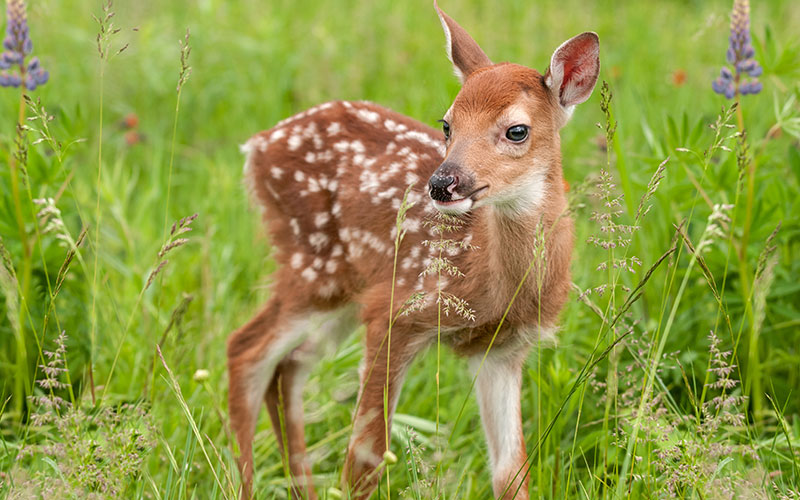
Baby deer, known as fawns, are born with roughly 300 white spots for camouflage, have almost no scent to hide from predators, and can stand within an hour of birth. They are often left alone by their mothers for hours to keep them safe, but they are not abandoned. Fawns are left alone for hours at a time as a natural, instinctive survival strategy called caching.
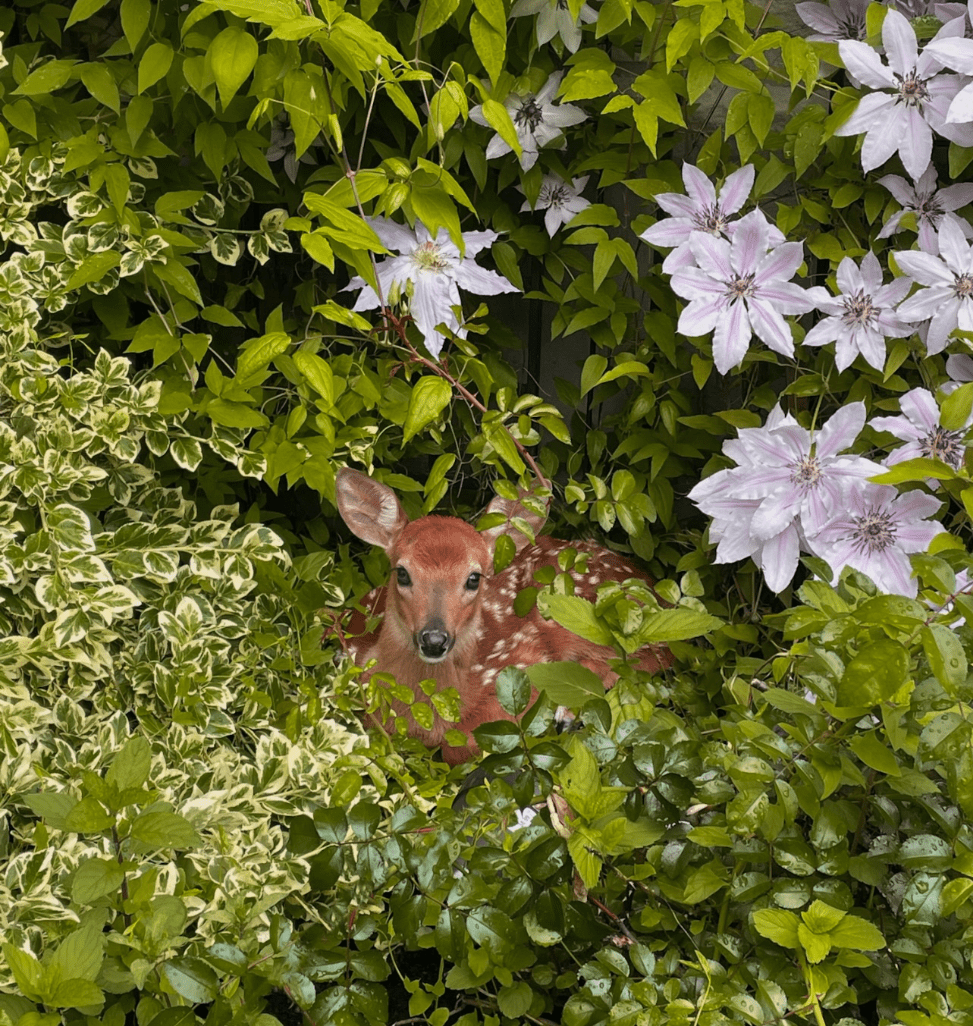
(This Happened at my house + Show Photo Of Baby Deer I photographed)
600
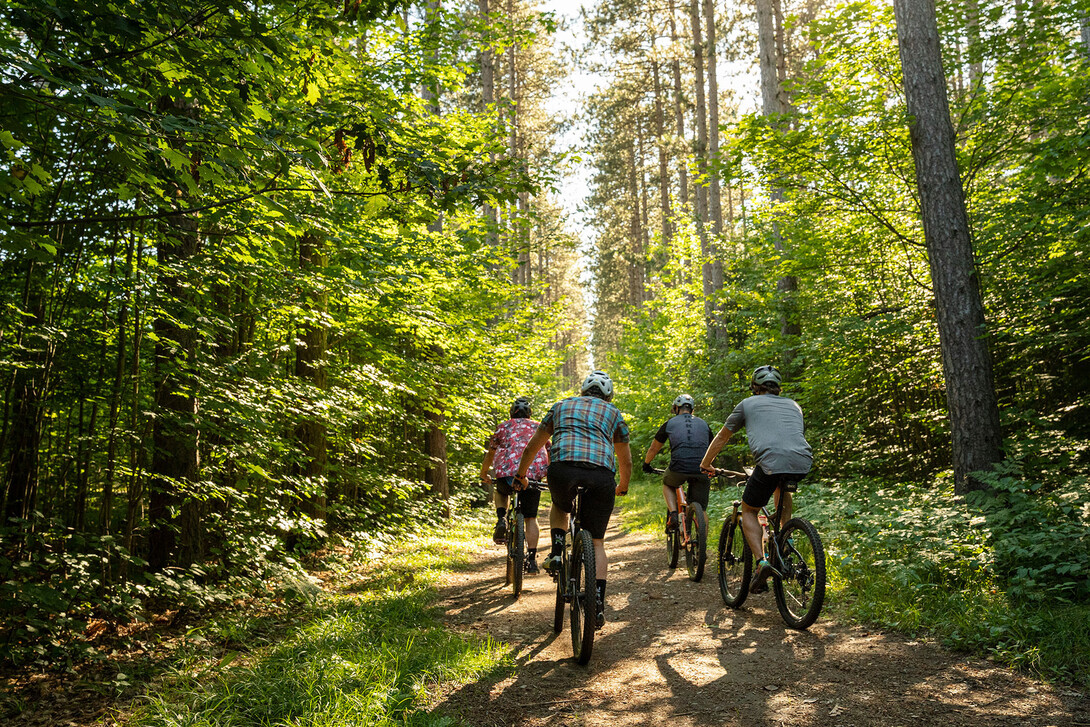
People start to ride these outside in the spring time.
Bikes!
600
Queen Bees begin laying _______ amount of eggs per day in the spring:
A) 100
B) 500
C) 2,000
C) 2,000
C) 2,000
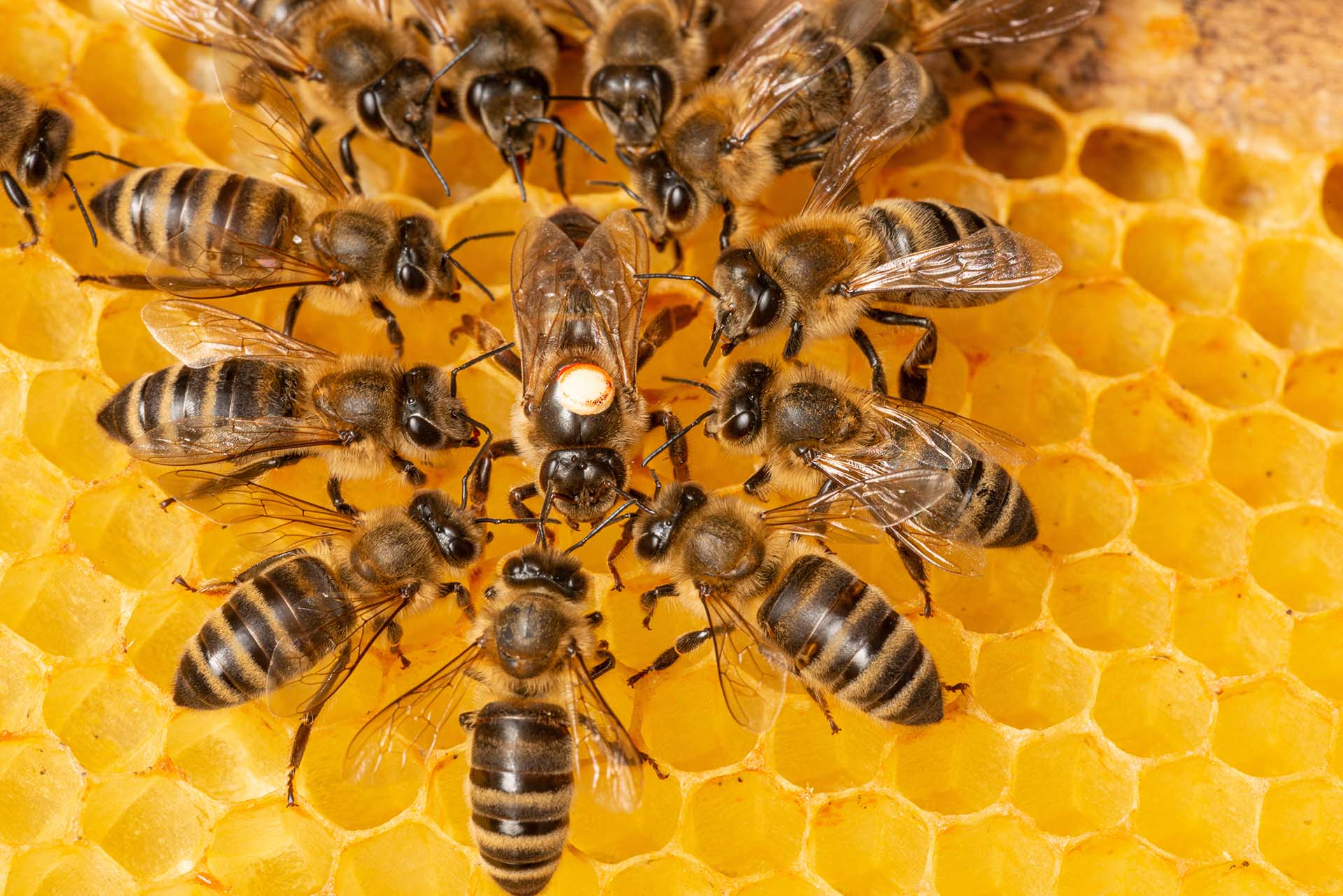
During the spring, a healthy, productive queen bee lays around 2,000 eggs per day. At peak, this can reach up to 3,000 eggs daily. She lays at a rate of 5–6 eggs per minute, with her daily output exceeding her own body weight to ensure rapid colony buildup!
600
This fine, powdery substance from trees, plants and flowers, causes seasonal allergies for most people.
What is it called?
Pollen!
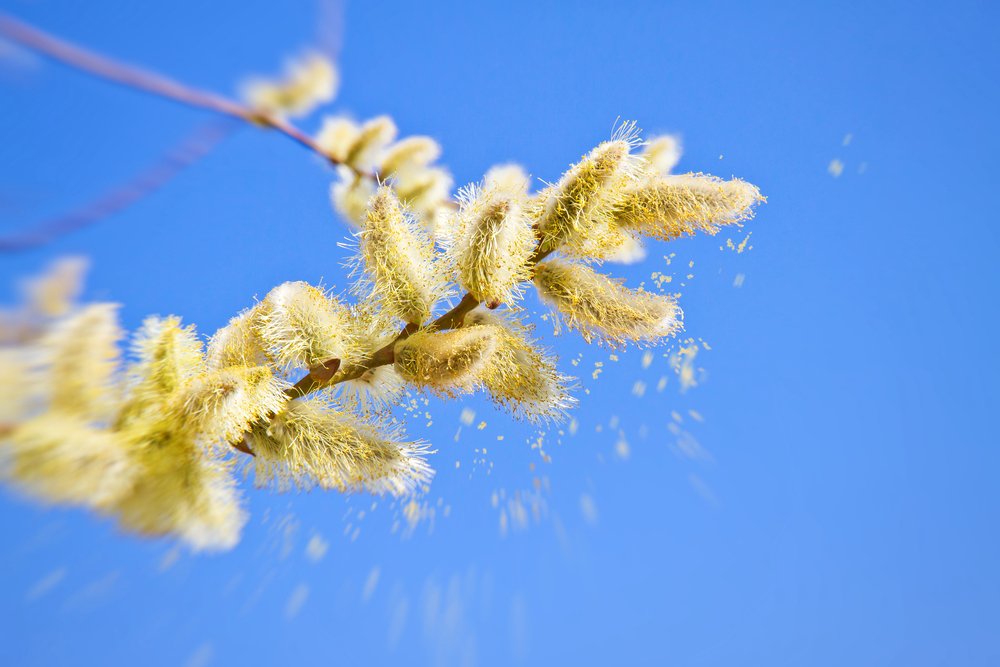
Pollen is a fine, powdery substance produced by the male reproductive organs of seed plants, essential for fertilizing other plants and enabling reproduction. These microscopic grains are transported by wind, insects, or water. Common pollen sources include trees, grasses, and weeds, and they are the primary cause of seasonal allergies!
600
This fuzz-less, flying bug may sting you if they feel threatened!
A Wasp!

Wasps are complex insects found worldwide (except Antarctica), with over 100,000 species that act as vital pollinators and pest controllers by eating garden insects. Unlike bees, they can sting multiple times, possess paper-making skills, and have strong, sometimes venom-fueled, hunting instincts.
600
PRDRANIOS
RAINDROPS
600
OMSLBSO
BLOSSOM
700
This black and orange bird is a sign of spring in Canada and the U.S.
A Robin!

American Robins are popular, medium-sized North American birds known for their bright orange-red breasts, cheerful "cheerily cheer-up" songs, and fondness for eating earthworms on lawns. They are among the first birds to lay light blue eggs in spring, often building mud-lined nests near homes.
Robin Chirping:
700
People use this tool to watch the spring birds from far away:
Binoculars

700
In the springtime, there is a day where people around the world celebrate our planet and learn about protecting the environment.
TRUE or FALSE
TRUE - It is called Earth Day!

Earth Day, celebrated annually on April 22, is the world’s largest environmental movement, dedicated to promoting sustainability, environmental awareness, and action. Initiated in 1970 to combat pollution, it now mobilizes over 1 billion people globally to protect the planet through tree planting, cleanup campaigns, and policy advocacy!
Info Video:
700
This sweet substance from flowers attracts the birds: What is it called?
Nectar!
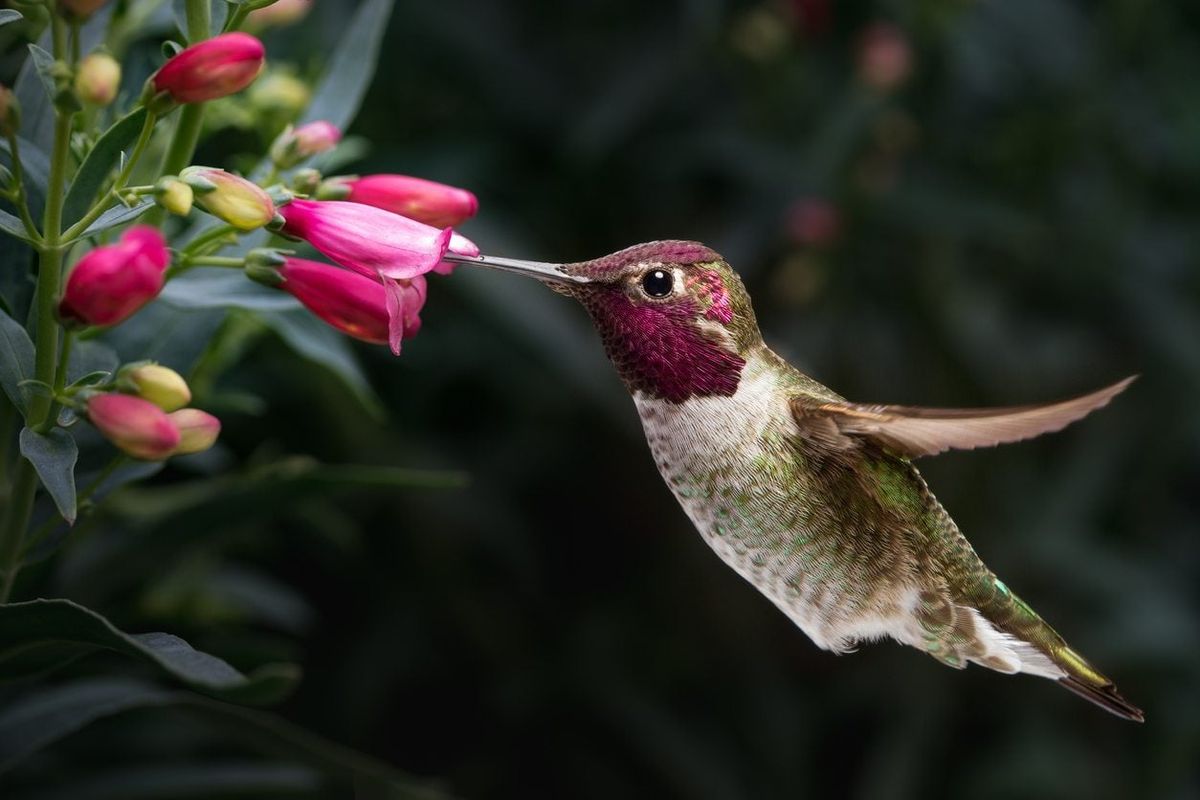
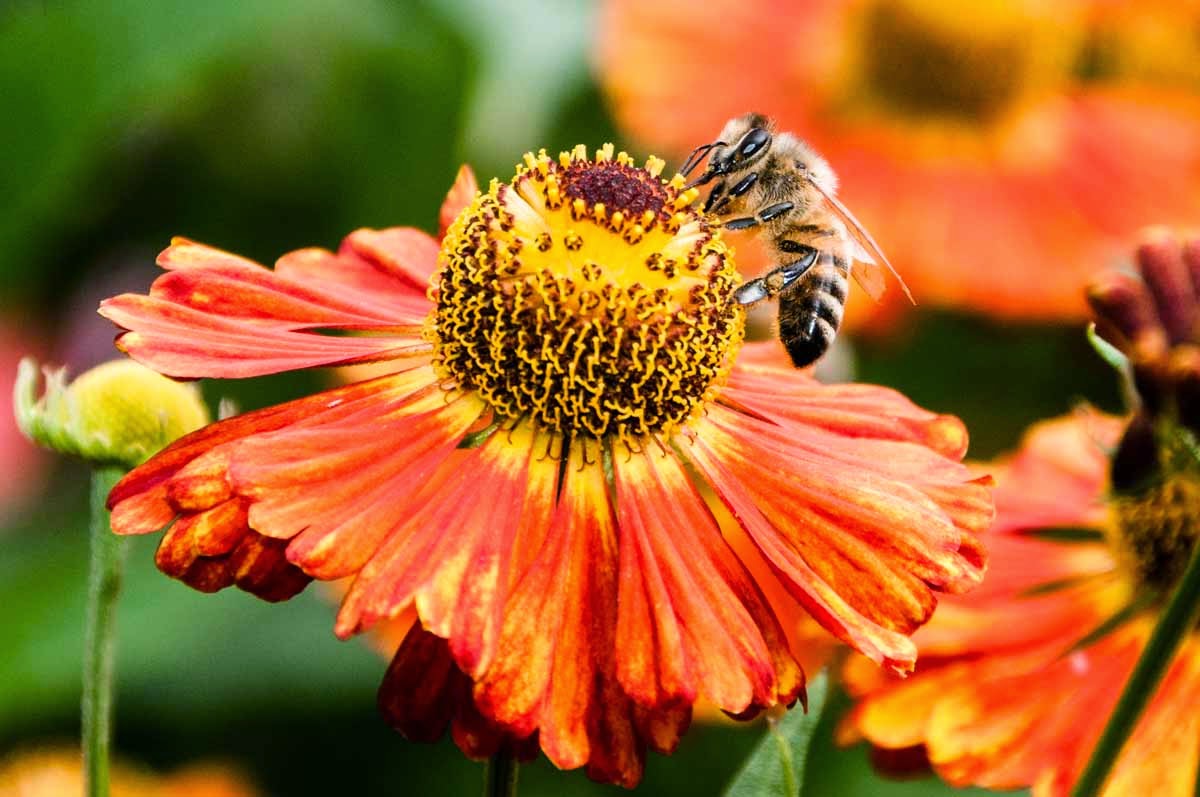
Nectar is a sugar-rich, viscous liquid produced by plants in glands called nectaries, designed to attract pollinators like bees, butterflies, moths, and hummingbirds. It acts as a primary energy source for these animals and is the key raw material collected by bees to make honey.
Hummingbird Nectar:
700
This bug is named after another word for smelly!
A Stink Bug!

Stink bugs are named for the pungent, foul-smelling chemical odor they emit from glands on their abdomen as a defense mechanism. They release this odor when they feel threatened, are crushed, or are disturbed, which helps protect them against predators. The scent is often described as oily, woody, or similar to coriander.
Yes, stink bugs are very active in the spring, typically from mid-April to early June. After overwintering in walls or attics, warmer weather prompts them to emerge and attempt to move outside, often appearing in living spaces. They leave these shelters to feed and lay eggs on plants until late summer
700
LTLRPCRAEIA
CATERPILLAR
700
ETRULYFBT
BUTTERFLY