Geography
Religion
Achievements
100
Which major river is most sacred (holy) for Hindu people and traditions?
Ganges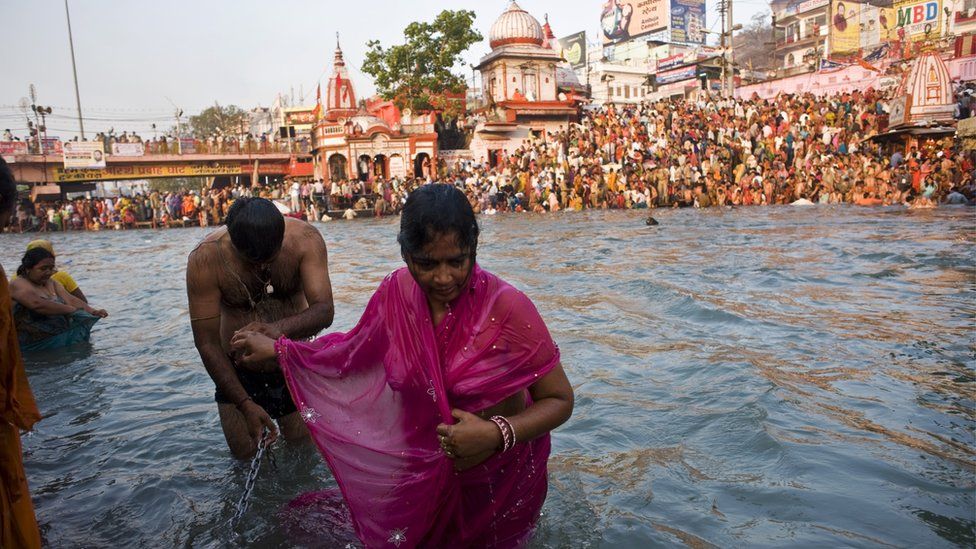
100
What three major religion come from Ancient India?
Hinduism, Buddhism, and Jainism
100
**DOUBLE JEOPARDY OPTION**
What makes Harappan/Indus writing different from Egyptian hieroglyphics, Mesopotamian cuneiform, and Shang Chinese characters?
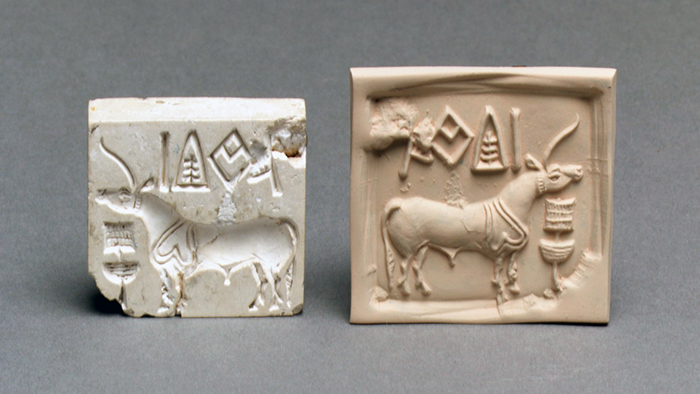
It cannot be translated (may also mention that the evidence is mostly from package seals, which combined characters/letters (?) with images)

200
**DOUBLE JEOPARDY OPTION**
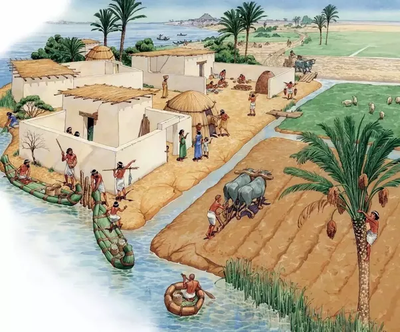
Why did people settle in river valleys (Indus, Nile, Tigris/ Euphrates, and Yellow)?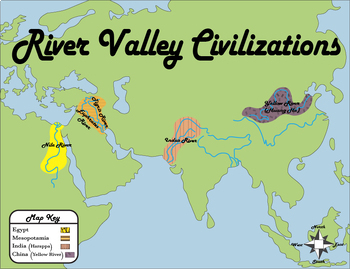
answer should include: fertile soil (because of silt washing up from the river during flooding), development of agriculture (and irrigation), (other river benefits such as travel, trade, and temperate weather)
200
**DOUBLE JEOPARDY OPTION**
What is the story of Siddhartha Gautama and the founding of Buddhism?
answer should include: born a prince, witnessed suffering and questioned everything, left behind his wealth (and his family and responsibilities) to meditate in the forest (bodhi tree)... (and developed the four noble truths and the eightfold path) (Buddha = enlightened one)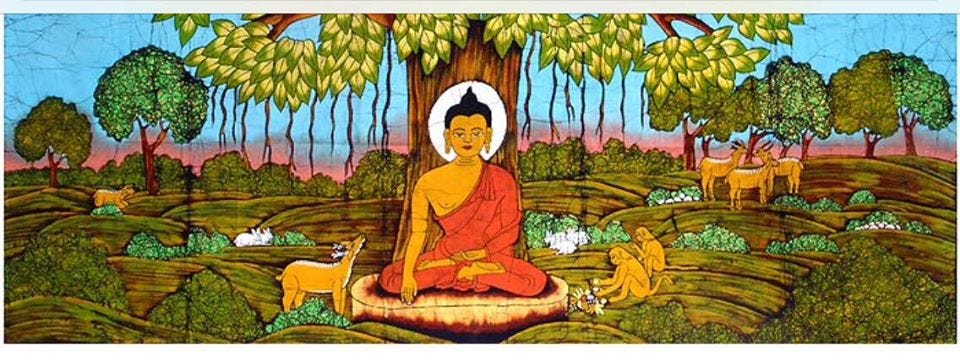
200
What were the Vedas and Upanishads, and what language do you use?
Ancient Hindu (sacred) texts/writing (Vedas from 1500-500 BCE, Upanishads from 700-500 BCE); written in sanskrit (ancient Indian language, ancestor of modern Hindi, cousin of other Indo-European languages like German, Latin, etc.!)
300
What as the Silk Road, and why was it important?
answer should explain that the Silk Road was a network of trade routes that connection Asia (including China and India) to Europe and Northern Africa; (silk road named for the valuable trading of Chinese-made silk using a secret process with silk worms); (accompanied by sea trade routes; coastal port cities in northern India were valuable because they could access trade by land and water) 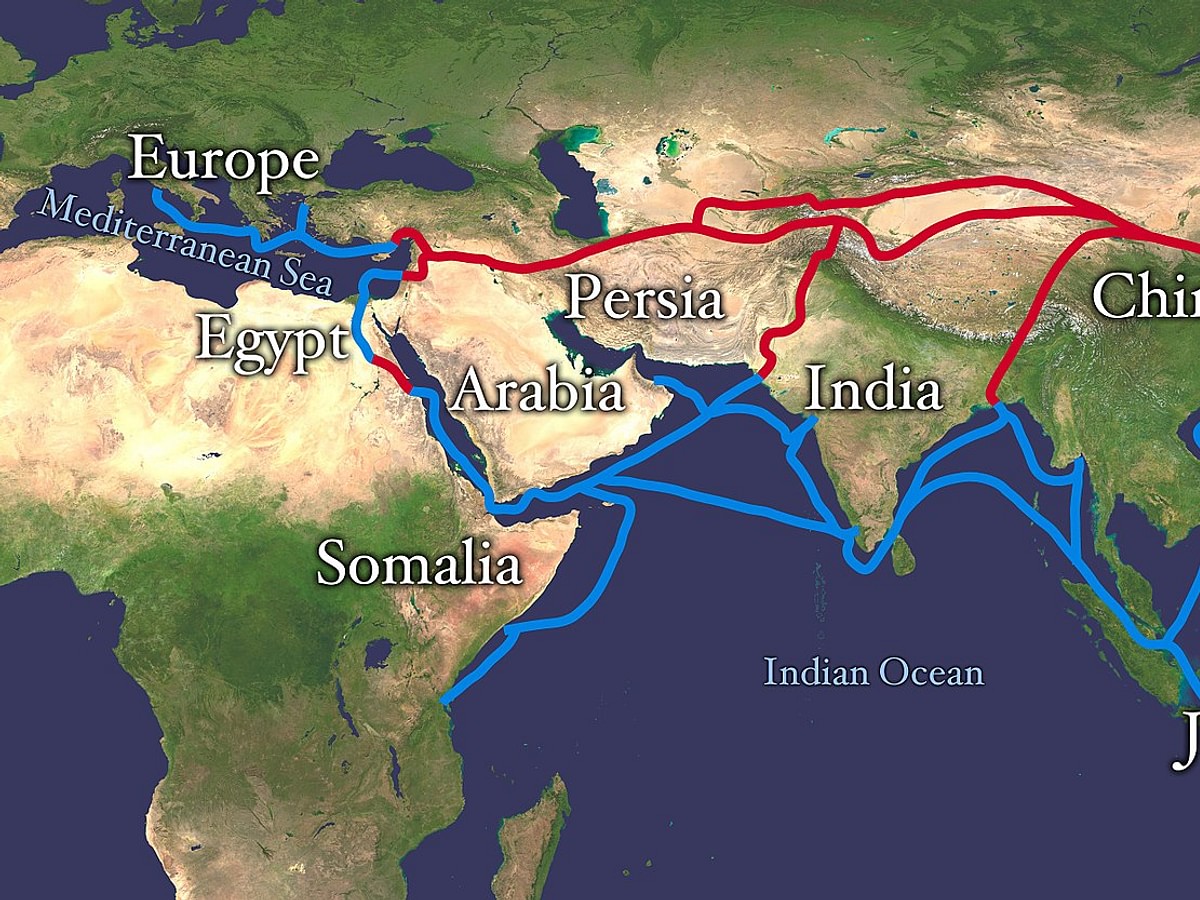
300
Describe the social roles (ex. jobs) of each varna of the caste system.
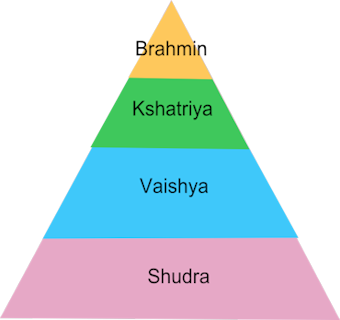
1. Brahmin 2. Kshatriya 3. Vaishya 4. Sudra/Shudra *. Dalit
answer should includes or be similar to:
Brahmin: priests, scholars, judges, teachers, landowners
Kshatriya: warriors, political leaders
Vaishya: producers like farmers, merchants, artisans
Sudra/Shudra: laborers, servants, commoners, peasants, etc.
Dalits: the "untouchables"/"oppressed," outside of caste system, "unclean" jobs like sewage and clearing dead bodies
300
What made Mohenjo-Daro and Harrapa such impressive cities? What was special about their designs?
Answer should include or be similar to:
- plumbing!! (in people's houses) (also great bath)
- (planned streets with grid)
- (architecture of houses shows more equal distribution of resources, less class hierarchy than other river valley civilizations)
- (evidence of trade with Mesopotamia and other places)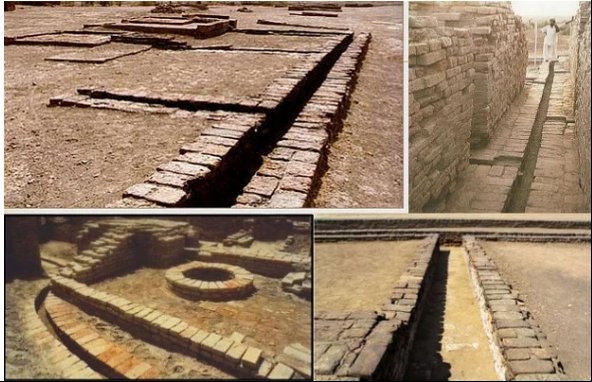
400
What bodies of water border India to the south AND what mountains border India to the North?
Indian Ocean (and Bay of Bengal and Arabian Sea); Himilayas (and Hindu Kush)
400
**DOUBLE JEOPARDY OPTION**
What are karma, dharma, and samsara in? How they are different in Hinduism and Buddhism?
answer should include or be similar to:
Karma: actions in this life impact next life
Dharma: duties or responsibilities (in Hinduism, more about caste or family; in Buddhism, more about universal truth and right way to live for all) (sometimes "law or principle that governs the universe" for both)
Samsara: cycle of reincarnation (Moksha is the escape from samsara in Hinduism, only after moving up the caste hierarchy with each life) (Nirvana is the Buddhist state of enlightenment and peace after escaping samsara through meditation etc)
400
During India's "Classical Age," (200s BCE to 500s CE), the people of the Mauryan and Gupta Empire developed many important achievements. What major mathematical invention is still central to the math that you do in class today??
the invention of zero (as well as the decimal system: zero makes using the tenths place and hundreds place possible!); (ancestor of today's Hindu-Arabic numerals 0, 1, 2, 3, 4, 5, 6, 7, 8, 9)
500
***CHALLENGE ROUND***
CLOSED BOOK / NO PEAKING!
Name at least one major political leader of Ancient India, the empire they ruled, and at least one major achievement or legacy
Options Include:
- Chandragupta Maurya (Mauryan Empire)
- Ashoka (Mauryan Empire)
- Chandragupta I (Gupta Empire)
- Samudragupta (Gupta Empire)
- Chandragupta II (Gupta Empire)