Healthy Dietary Advice in Clinical Practice
Crohn's disease: Dx and Mx
Aortic Stenosis: Dx and Mx
Cochrane, Photo quiz, PEOMS
Board style Qs
100
A 52-year-old man asks what dietary change is most appropriate for reducing his long-term risk of chronic disease. Which of the following is the best general recommendation?
A. Follow a strict low-carbohydrate diet
B. Follow a Mediterranean diet exclusively
C. Emphasize minimally processed, plant-focused foods
D. Eliminate all dietary fat
E. Consume primarily high-protein foods
Answer: C
Family physicians should emphasize whole or minimally processed foods, particularly plant-focused foods. Specific named diets or macronutrient ratios do not need to be prescribed.
Fresh, whole foods with minimal alteration; or whole foods having undergone only simple physical processes like cutting, freezing, peeling, or drying
100
A 10-year-old child has had intermittent episodes of pain and diarrhea for 1 year. Which one of the following findings caused by Crohn’s disease is unique to children?
A. Erythema nodosum.
B. Joint arthritis.
C. Growth faltering.
D. Scleritis.
ANSWER C
Crohn’s disease should be considered in children with abdominal symptoms and delayed growth and puberty because up to 56% of children with this disease present with growth faltering. Joint, skin, and eye symptoms are extraintestinal manifestations possible at all ages, but growth faltering is unique to children.
100
A 68-year-old man with a history of aortic valve replacement presents for a routine dental extraction. He has no medication allergies and is otherwise clinically stable. Which of the following is the most appropriate strategy to prevent infective endocarditis?
A. Amoxicillin 500 mg orally immediately after the procedure
B. Amoxicillin 2 g orally 30–60 minutes before the procedure
C. Amoxicillin 2 g orally twice daily for 3 days after the procedure
D. Clindamycin 600 mg orally 1 hour before the procedure
E. No antibiotic prophylaxis is indicated for dental procedures
ANSWER B
Antibiotic prophylaxis for endocarditis is recommended in patients with an aortic valve replacement who undergo dental procedures.25 The preferred agent is amoxicillin, taken as a single 2-g dose 30 to 60 minutes before the procedure.
100
Mechanism of action of PCSK 9 inhibitors
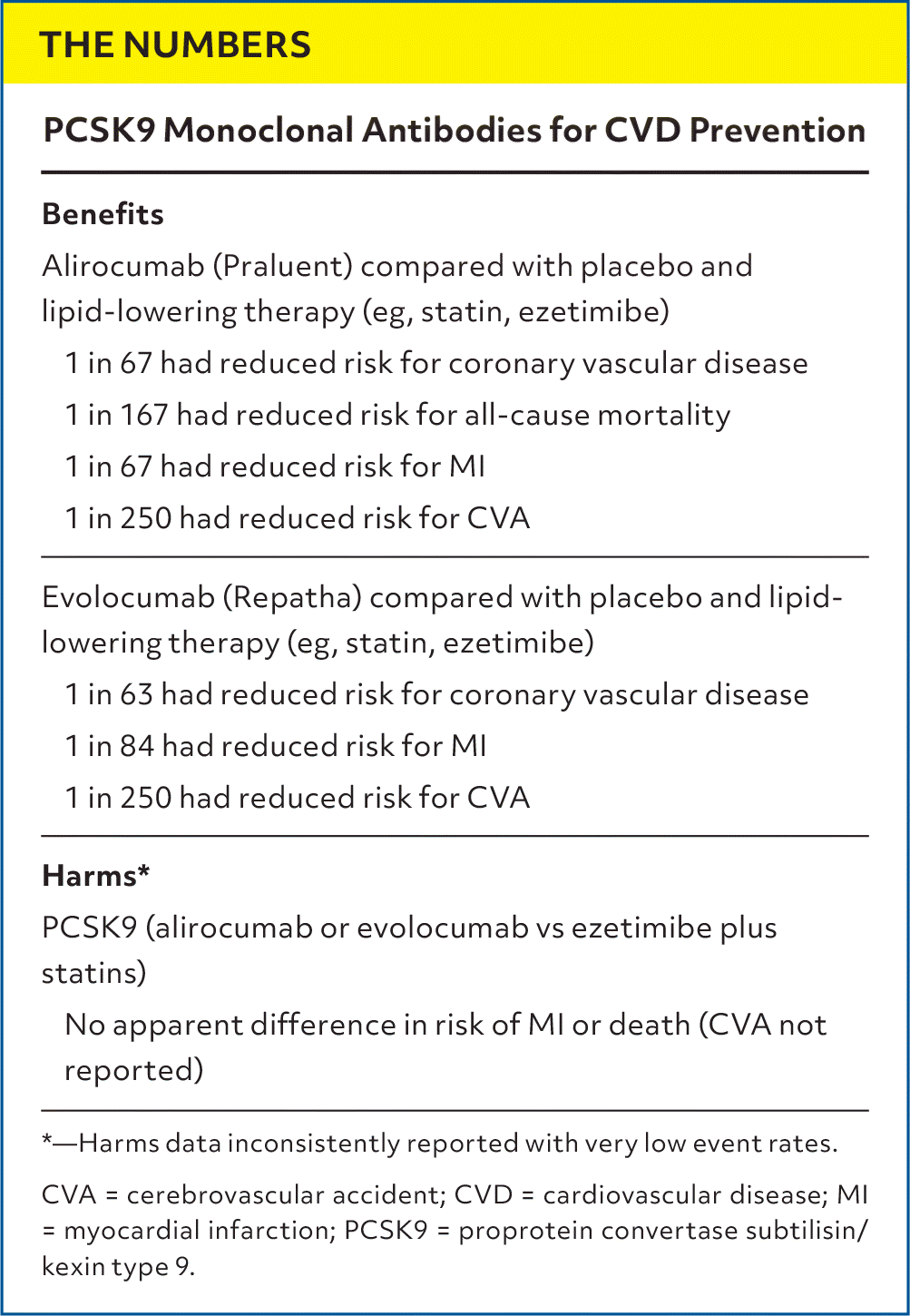
Benefits of adding PCSK 9 inhibitors
CVD is a leading cause of morbidity and mortality despite lifestyle and pharmacotherapy treatments that effectively lower lipid levels. Some patients are unable to tolerate or do not respond to existing lipid-lowering therapies.
MOA: Proprotein convertase subtilisin/kexin type 9 (PCSK9) medications increase the removal and elimination of LDL cholesterol, effectively lowering LDL cholesterol levels and theoretically reducing CVD risk.
100
A 42-year-old female presents for follow-up after being treated for recurrent respiratory problems at an urgent care facility. She is feeling a little better after a short course of oral prednisone and use of an albuterol (Proventil, Ventolin) inhaler. She has had a gradual increase in shortness of breath, a chronic cough, and a decrease in her usual activity level over the past year. She has brought a copy of a recent chest radiograph report for your review that describes panlobular basal emphysema. She does not have a history of smoking, secondhand smoke exposure, or occupational exposures. Spirometry in the office reveals an FEV1/FVC ratio of 0.67 with no change after bronchodilator administration.
Which one of the following underlying conditions is the most likely cause for this clinical presentation?
A. α1-Antitrypsin deficiency
B. Bronchiectasis
C. Diffuse panbronchiolitis
D. Interstitial lung disease
E. Left heart failure
ANSWER A
This patient presents with symptoms of chronic obstructive lung disease, and spirometry confirms airflow limitation or obstruction with an FEV1/FVC <0.7.
Her age, the lack of tobacco smoke or occupational exposures, and the chest radiograph findings are typical of 1-antitrypsin deficiency.
While left heart failure, interstitial lung disease, bronchiectasis, and diffuse panbronchiolitis are all causes of chronic cough, they are not necessarily associated with the development of COPD and these spirometry findings.
Furthermore, the radiologic findings in this patient are not consistent with these conditions. Left heart
failure would present with pulmonary edema on a chest radiograph and volume restriction on pulmonary function testing. Bronchiectasis would present with bronchial dilation and bronchial wall thickening on a chest radiograph. Interstitial lung disease would present with reticular or increased interstitial markings.
Diffuse panbronchiolitis would present with diffuse small centrilobular nodular opacities along with
hyperinflation.
200
A 58-year-old South Asian man with hypertension wants to improve his diet. Which approach is most likely to improve long-term adherence?
A. Recommend a Mediterranean diet
B. Provide a standardized low-sodium diet handout
C. Ask about his traditional foods and identify healthier modifications
D. Recommend eliminating rice and replacing it with quinoa
E. Refer him to a weight-loss program
Answer: C
Culturally responsive dietary counseling incorporates familiar foods and traditions rather than requiring patients to abandon them. Traditional dietary approaches can improve adherence when healthier components are incorporated into existing eating patterns.
Interventions promoting traditional diets achieve better long-term adherence than those recommending unfamiliar foods or cooking methods. Almost any diet can promote health as long as whole or minimally processed foods are emphasized.
200
A 28-year-old man has had intermittent abdominal pain without diarrhea, constipation, or hematochezia for almost 1 year. He reports that the pain is troubling and limiting. He has previously been treated without success for irritable bowel syndrome. Which one of the following tests is preferred for excluding Crohn’s disease as a cause of his pain?
A. Fecal calprotectin.
B. Complete blood cell count.
C. C-reactive protein.
D. Erythrocyte sedimentation rate.
ANSWER A
Fecal calprotectin is valuable for distinguishing inflammatory bowel diseases (eg, Crohn’s disease) from functional causes of abdominal pain due to its nearly 100% negative predictive value. Although a complete blood cell count may show anemia, it is nonspecific. Erythrocyte sedimentation rate and C-reactive protein may show inflammation but are also not specific to Crohn’s disease.
200
An 81-year-old woman with hypertension, hyperlipidemia, and aortic stenosis is taking lisinopril, hydrochlorothiazide, and atorvastatin and presents with multiple episodes of near syncope when climbing the stairs in her home. Echocardiography 1 year ago showed moderate aortic stenosis, with a 1.1-cm2 aortic valve area, maximum transaortic velocity of 3.8 m/sec, and an aortic valve pressure gradient of 38 mm Hg. In addition to repeat echocardiography, which one of the following is most appropriate for this patient?
A. Evaluate for valve replacement.
B. Increase lipid-lowering therapy.
C. Reduce blood pressure medication.
D. Perform exercise stress testing
ANSWER A
The presence of symptoms, including syncope and presyncope with exertion, is the most important sign of potential progression to symptomatic severe aortic stenosis and signals the possible need for valve replacement. Medical therapy, such as lipid-lowering therapies and blood pressure management, do not change the course of disease, although they may reduce concurrent atherosclerotic heart disease. Exertional stress testing should be avoided in symptomatic patients.
200
Which one of the following statements about cardiovascular disease management is correct?
A. After ablation for atrial fibrillation, oral anticoagulation is associated with fewer adverse events than left atrial appendage closure.
B. In patients with atherosclerotic cardiovascular disease and atrial fibrillation who are taking an anticoagulant, adding aspirin increases the risk of mortality and major bleeding.
C. Anticoagulation must be continued indefinitely following successful catheter ablation for atrial fibrillation, regardless of arrhythmia recurrence.
D. For the secondary prevention of myocardial infarction and stroke, aspirin is significantly more effective than clopidogrel over 3 years.
ANSWER B
After stent placement in patients with atherosclerotic cardiovascular disease who are taking an anticoagulant, adding aspirin worsens cardiovascular outcomes. In patients with atherosclerotic cardiovascular disease and atrial fibrillation who are taking an anticoagulant, adding aspirin also increases mortality (number needed to harm = 20) and increases the risk of major bleeding (number needed to harm = 15) compared with anticoagulation alone. After ablation for atrial fibrillation, left atrial appendage closure was noninferior to oral anticoagulation for the composite outcome of death, stroke, or systemic embolism and was associated with significantly fewer clinically relevant major or nonmajor bleeds than the anticoagulation group. Discontinuing anticoagulants 1 year after catheter ablation is safe if no atrial arrhythmia recurs. Clopidogrel was found to be slightly more effective than aspirin for the secondary prevention of myocardial infarction and stroke over 3 years.
200
A 32-year-old male comes to your office because of a gradual onset of right ankle pain. He works in a warehouse and walks extensively during his 12-hour shifts. The pain is located on the medial side of the ankle and worsens throughout his shift. His medical history is notable for well-controlled hypertension and a BMI of 39 kg/m2. On examination the patient has difficulty performing the single-limb heel raise test. You note a positive “too many toes” sign, as well as pes planus.
You diagnose posterior tibial tendinopathy.In addition to arch supports, which one of the following should you recommend next?
A. A stretching program
B. Eccentric exercises
C. Oral corticosteroids
D. Corticosteroid injection
E. Percutaneous needle tenotomy
ANSWER B
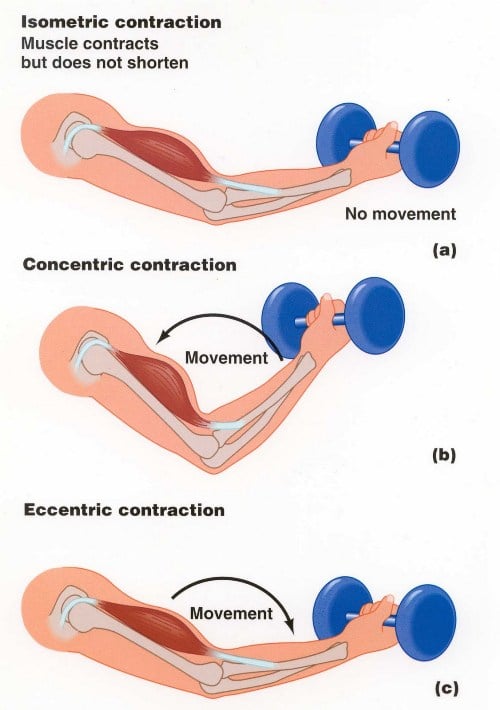
Eccentric exercise is recommended over concentric exercise to treat posterior tibial tendinopathy. Because tendinopathy is not an inflammatory process, oral corticosteroids are not indicated.
Corticosteroids injected into the tendon can provide some short-term relief of pain but have the potential to cause tendon rupture.
Needle tenotomy is not a recommended treatment for posterior tibial tendinopathy. If the pain persists 3–6 months after appropriate conservative management, surgical debridement of the tendon may be considered.
300
What are the three key themes for healthy eating according to the article?
1. Prioritizing whole foods that are primarily made from plants
2. Limiting ultra-processed products
3. Promoting flexible, culturally adapted dietary patterns
300
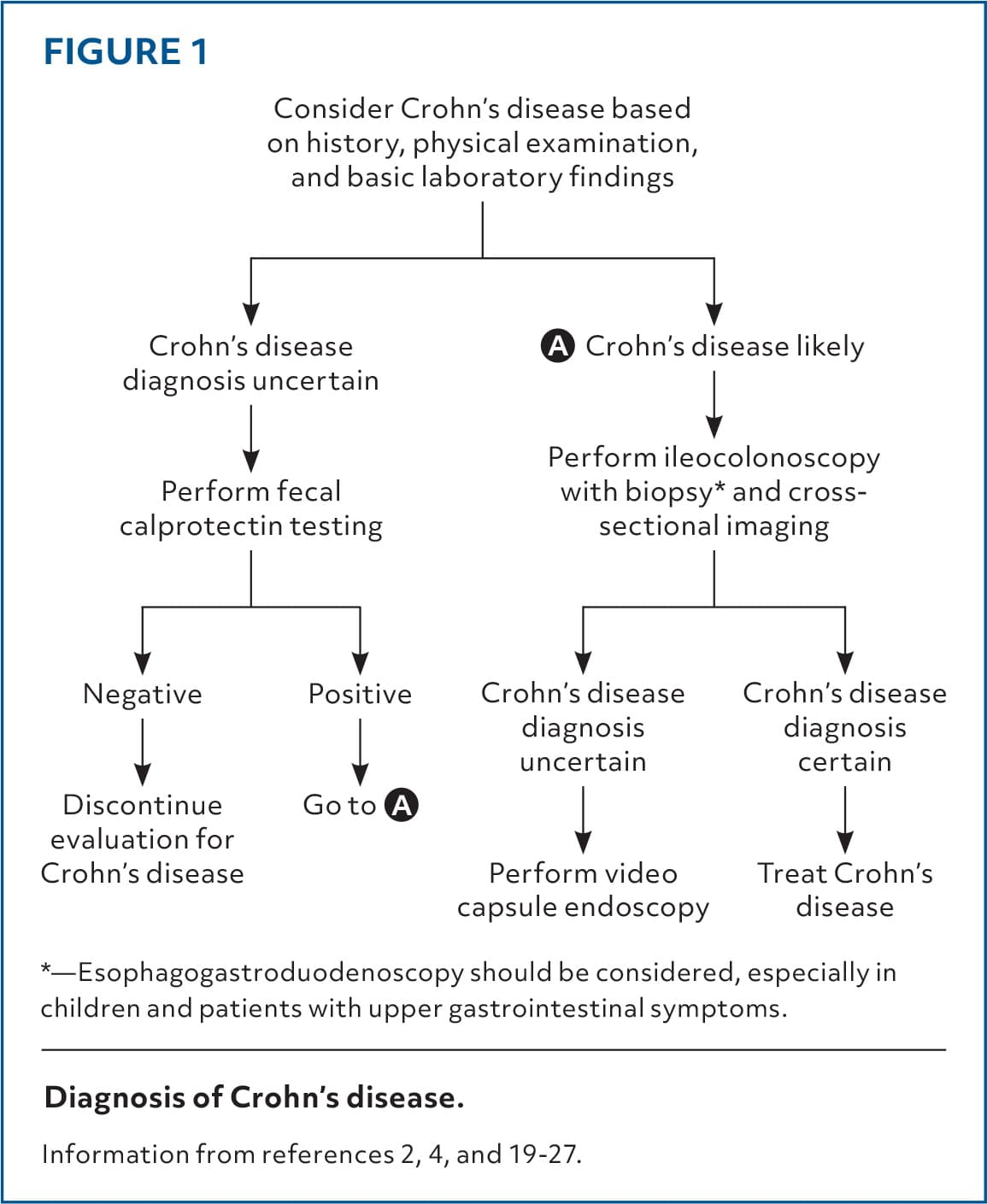
A 24-year-old woman presents with 6 months of chronic nonbloody diarrhea, intermittent right lower quadrant abdominal pain, fatigue, and a 10-lb unintentional weight loss. Laboratory studies show mild anemia and an elevated CRP. She has no prior diagnosis of inflammatory bowel disease.
Which of the following is the most appropriate diagnostic approach?
A. Fecal occult blood testing only
B. Fecal calprotectin followed by colonoscopy only if elevated
C. Ileocolonoscopy with biopsy and cross-sectional imaging
D. CT abdomen followed by capsule endoscopy
E. Empiric treatment with mesalamine
ANSWER C
Suspected Crohn disease should be evaluated with direct endoscopy and cross-sectional imaging. Ileocolonoscopy allows visualization of the colon and terminal ileum and provides tissue for histologic confirmation. Cross-sectional imaging evaluates small bowel disease, strictures, fistulas, and abscesses. Fecal calprotectin is particularly useful when the likelihood of inflammatory bowel disease is uncertain.
300
A 72-year-old woman is found to have aortic stenosis during evaluation of a systolic murmur. She has no dyspnea, chest pain, syncope, or exercise intolerance. Echocardiography shows:
- Aortic valve area: 1.3 cm²
- Maximum transaortic velocity: 3.4 m/sec
- Mean gradient: 28 mm Hg
Which of the following is the most appropriate management?
A. Aortic valve replacement now
B. Repeat echocardiography in 3 to 5 years
C. Repeat echocardiography in 1 to 2 years
D. Repeat echocardiography in 6 to 12 months
E. Exercise restriction to low-intensity activity only
ANSWER C
Classification
Aortic valve area (cm2): 3-4
Vmax (m/sec): 1-1.7
Aortic valve mean pressure gradient (mm Hg): <5 to 20
Mild
Aortic valve area (cm2)> 1.5
Vmax (m/sec) 2.0–2.9
Aortic valve mean pressure gradient (mm Hg) < 20
Moderate
Aortic valve area (cm2) 1.0–1.5
Vmax (m/sec) 3.0–3.9
Aortic valve mean pressure gradient (mm Hg) 20–39
Severe
Aortic valve area (cm2) < 1
Vmax (m/sec) > 4
Aortic valve mean pressure gradient (mm Hg) ≥ 40
Low-flow, low-gradient severe aortic stenosis
< 1
< 4
< 40
Vmax = maximum transaortic velocity.
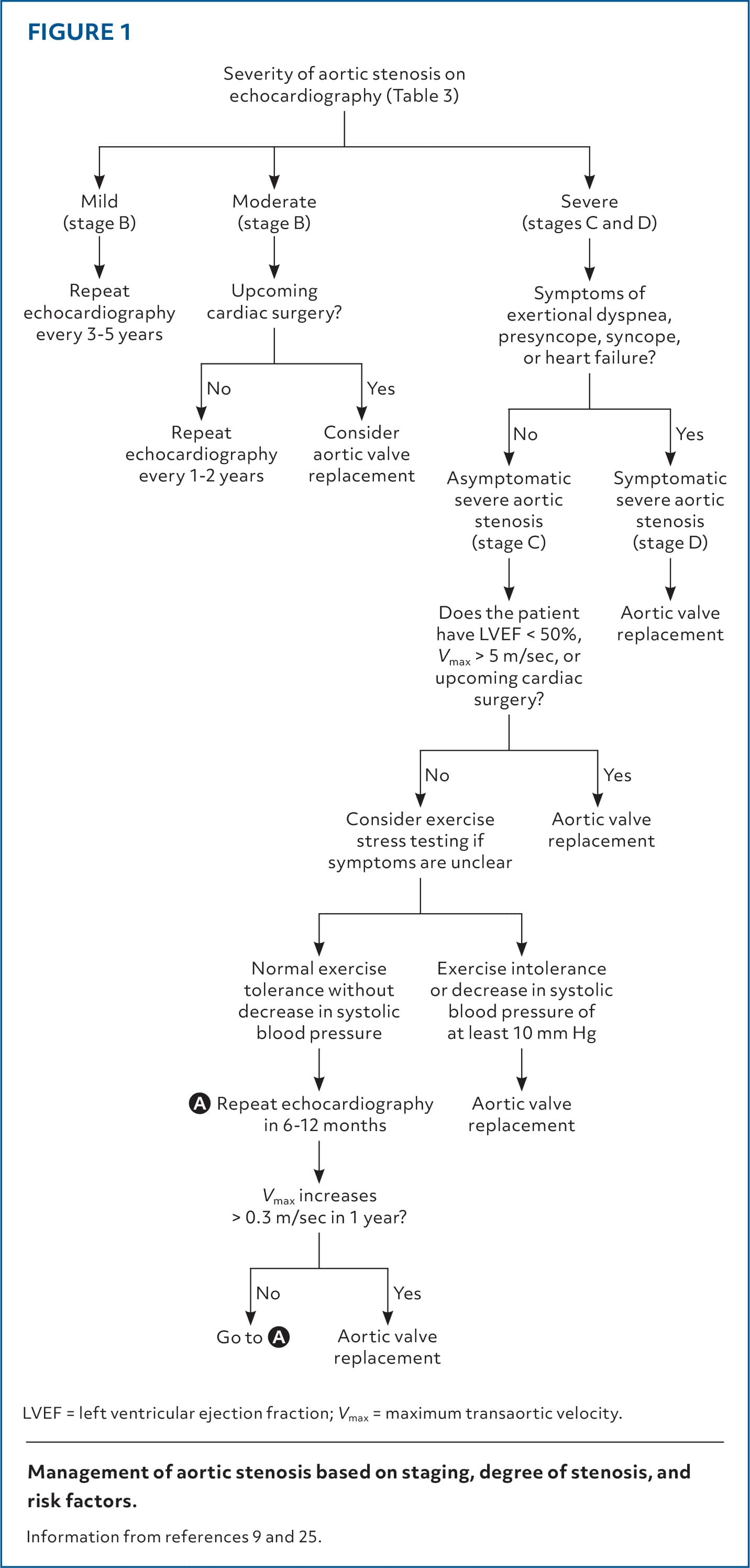
Asymptomatic moderate disease should generally undergo echocardiographic surveillance every 1–2 years.
300
Telemedicine-based models of care have similar outcomes as in-clinic models of care for providing abortion services for pregnancy up to 12 weeks’ gestation for which one of the following?
A. Rates of successful abortion.
B. Rates of medication adherence and follow-up.
C. Rates of blood transfusion and emergency department visits.
D. All of the above.
ANSWER D
A Cochrane analysis of 22 studies and 131,278 patients seeking medical abortion for pregnancy up to 12 weeks’ gestation demonstrated that telemedicine-based models of care compared with in-clinic care resulted in similar rates of successful abortion, adherence (eg, to medication regimen, follow-up plan), and continued pregnancy. Telemedicine-based models of care compared with in-clinic care resulted in little to no difference in rates of blood transfusion, emergency department visits, or patient satisfaction.
300
An otherwise healthy 57-year-old male presents with mild fatigue, decreased libido, and erectile dysfunction. A subsequent evaluation of serum testosterone reveals hypogonadism.
Which one of the following would you recommend at this time?
A. No further diagnostic testing
B. A prolactin level
C. A serum iron level and total iron binding capacity
D. FSH and LH levels
E. Karyotyping
ANSWER D
Men who are diagnosed with hypogonadism with symptoms of testosterone deficiency and unequivocally and consistently low serum testosterone concentrations, further evaluation with FSH and LH levels is advised as the initial workup to distinguish between primary and secondary hypogonadism.
If secondary hypogonadism is indicated by low or inappropriately normal FSH and LH levels, prolactin and serum iron levels and measurement of total iron binding capacity are recommended to determine secondary causes of hypogonadism, with possible further evaluation to include other pituitary hormone levels and MRI of the pituitary.
If primary hypogonadism is found, karyotyping may be indicated for Klinefelter’s syndrome.
400
Differences between processed foods, processed culinary ingredients and ultra-processed foods?
Processed foods: Foods with added ingredients (eg, salt, sugar, oil) or with subtracted components; typically, these have only 2 or 3 ingredients
Processed culinary ingredients: Extracted or refined substances used in cooking (eg, oils, vinegars, flours, fibers, sugars, salt)
Ultra-processed foods: Highly engineered industrial formulations, generally with five or more chemically modified constituents
400
A 29-year-old man has newly diagnosed Crohn disease involving the terminal ileum and right colon. He has mild abdominal pain and diarrhea but no fever, weight loss, anemia, fistulas, strictures, or perianal disease. His inflammatory markers are minimally elevated.
Which of the following is the best initial treatment to induce remission?
A. Infliximab
B. Prednisone for 6 months
C. Controlled ileal-release budesonide
D. Methotrexate
E. Upadacitinib
ANSWER C
Mild Crohn disease limited to the terminal ileum and right colon can be treated with controlled ileal-release budesonide for up to 3 months. Budesonide should not be used for maintenance therapy.
Dietary modifications (eg, exclusive enteral nutrition, Crohn's disease–exclusion diet, Mediterranean diet, Tasty and Healthy diet) may be appropriate for inducing and maintaining remission in patients who have mild disease with low risk of progression. Exclusive enteral nutrition with liquid medical formula, typically for 6 to 8 weeks, is first-line therapy for inducing remission in children.
400
Echocardiography results for a 74-year-old man with severe aortic stenosis show an aortic valve area of 0.9 cm2, a maximum transaortic velocity of 4.2 m/sec, and an aortic valve pressure gradient of 41 mm Hg. His ejection fraction is 50%. He has no exertional symptoms, such as chest pain, dyspnea, presyncope, or syncope, although he does report reduced exercise capacity, which he relates to his age. Which one of the following approaches would be most appropriate at this time?
A. Perform coronary artery calcium scoring with computed tomography (CT).
B. Perform exercise stress testing.
C. Prescribe a trial of bisphosphonates.
D. Recommend aortic valve replacement.
ANSWER B
For asymptomatic severe aortic stenosis, exercise stress testing can be helpful in identifying more subtle exertional symptoms and potentially provide an indication for valve replacement. Coronary artery calcium scoring with CT may be considered if a patient has symptoms suspected to be secondary to coronary artery disease. Although bisphosphonates have been considered as a treatment for aortic stenosis, a randomized controlled trial showed that they do not affect progression of aortic valve calcification. Patients with asymptomatic severe aortic stenosis with left ventricular ejection fraction of less than 50%, maximum transaortic velocity greater than 5 m/sec, or positive stress testing should undergo aortic valve replacement.
400
A 30-year-old woman with type 2 diabetes and hypertension presented with an asymptomatic, slowly enlarging growth on the anterior aspect of her right hip. The lesion had been present for at least 1 year. She did not have any other lesions but reported that several family members had similar growths removed.
Physical examination revealed a dark brown, verrucous, hyperpigmented plaque that was 10 × 13 × 5 mm in size (Figure 1). The remainder of the skin examination was unremarkable.
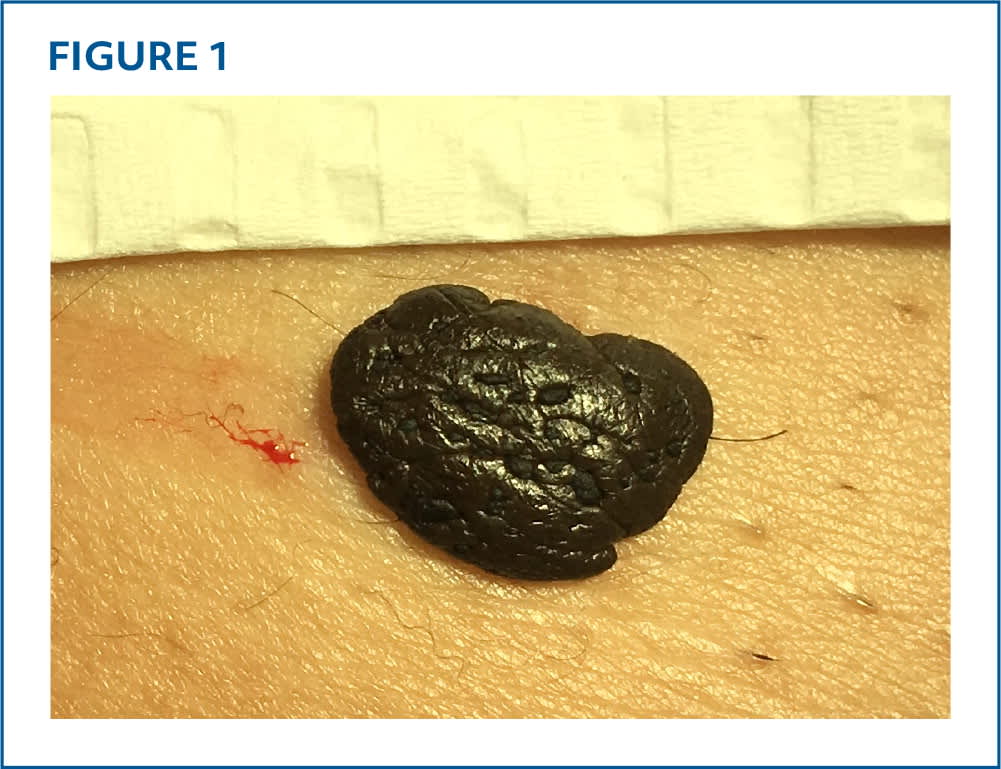
Based on the patient's history and physical examination, which one of the following is the most likely diagnosis?
- A. Dysplastic nevus.
- B. Melanocytic nevus.
- C. Nodular melanoma.
- D. Pigmented basal cell carcinoma.
- E. Seborrheic keratosis (cutaneous melanoacanthoma type).
ANSWER E
Seborrheic keratoses are common benign skin tumors. They are usually sharply demarcated and can vary in color, size, and surface characteristics (eg, flat, smooth, verrucous, scaly, waxy). They are often flat, raised, or pedunculated, giving the classic “stuck-on” appearance.
Dysplastic nevi (ie, atypical moles) result from a benign proliferation of melanocytes. Malignant progression is possible but rare. Dysplastic nevi typically appear during puberty but can develop at any age. They can present in multiple forms, occurring most often on the trunk and extremities. Dysplastic nevi are typically more than 5 mm in diameter and asymmetrical, with irregular borders and variable color distributions.
Melanocytic nevi also result from a benign proliferation of melanocytes. Predisposing factors include genetic disposition, sun exposure, fair skin tone, and immunosuppression. Lesions typically appear after 6 months of age, increase in number during childhood, and resolve in adulthood. They are usually small (less than 6 mm in diameter), symmetrical, and round or oval with uniform pigmentation and a sharply demarcated border. No treatment is necessary, but lesions may be removed for cosmetic reasons.
Nodular melanoma resembles other benign lesions such as dermal nevi, seborrheic keratosis, or dermatofibroma and does not conform to the usual ABCD (asymmetry, border irregularity, color variation, diameter of 6 mm or more) criteria for melanoma diagnosis. This rapidly growing malignancy is more common in males than females (with a ratio of 2: 1), usually occurs in patients 40 to 50 years of age, and can arise anywhere on the body. It presents as an asymmetrical, unevenly pigmented, elevated, firm, pedunculated or polypoid nodule that may become ulcerated in later stages.
Pigmented basal cell carcinomas contain melanin and appear brown to black. Most (85%) occur on the head and neck. They can be recognized by the characteristic elevated, rolled, pearly white border. Central ulceration and branching telangiectasia may be present.
400
A 4-year-old female is brought to your office because of a history of constipation over the past several months. Her mother reports that the child has 1–2 bowel movements per week composed of small lumps of hard stool. She strains to have the bowel movements, and they are painful. The child eats normally like her two siblings.
Which one of the following would be most effective at this time?
A. Daily fiber supplements
B. Lactulose
C. Magnesium hydroxide (Milk of Magnesia)
D. Polyethylene glycol (MiraLAX)
E. Senna
ANSWER D
This patient presents with symptoms compatible with functional constipation. Daily use of polyethylene glycol (PEG) solution has been found to be more effective than lactulose, senna, or magnesium hydroxide in head-to-head studies.
Evidence does not support the use of fiber supplements in the treatment of functional constipation.
No adverse effects were reported with PEG therapy at any dosing regimen.
Low-dose regimens of PEG are 0.3 g/kg/day and high-dose regimens are up to 1.0–1.5 g/kg/day.
500
Which one of the following statements best reflects current evidence regarding dietary counseling for patients without cardiovascular risk factors?
A. Intensive dietary counseling provides substantial cardiovascular benefit.
B. Dietitian-led nutrition counseling is widely covered by insurance.
C. Behavioral dietary counseling offers a small net benefit.
D. Physician counseling is as effective as a collaborative care model involving dietitians.
Answer C
The US Preventive Services Task Force concluded with moderate certainty that behavioral dietary counseling interventions provide a small net benefit for adults without cardiovascular disease or major risk factors. Collaborative care models involving dietitians consistently demonstrate superior improvements in dietary quality and clinical markers compared with physician counseling alone. Despite these benefits, integration is often hindered by limited insurance reimbursement and clinician availability.
500
A 35-year-old patient with Crohn disease has been treated with corticosteroids for a flare. His symptoms improve, but he continues to have elevated fecal calprotectin. He reports feeling well and has normal CRP levels.
Which of the following is the most appropriate next step to assess treatment effectiveness?
A. No further testing because symptoms have resolved
B. Repeat CRP in 1 year
C. Begin long-term corticosteroid therapy
D. Direct endoscopy and/or cross-sectional imaging
E. Discontinue all treatment
ANSWER D
Clinical improvement does not necessarily indicate mucosal healing. CRP and fecal calprotectin can help assess disease activity but do not reliably exclude persistent mucosal inflammation. Endoscopy and cross-sectional imaging are recommended to objectively assess treatment effectiveness.
500
A 82-year-old man with known severe aortic stenosis presents with recurrent episodes of melena and iron-deficiency anemia. EGD and colonoscopy have not identified a clear bleeding source. He has a harsh systolic murmur radiating to the carotids. Laboratory testing suggests an acquired defect in von Willebrand factor.
Which of the following syndromes best explains this patient's presentation?
A. Eisenmenger syndrome
B. Heyde syndrome
C. Dressler syndrome
D. Takotsubo syndrome
E. Cardiorenal syndrome
A 68-year-old woman is found to have severe aortic stenosis during evaluation of a cardiac murmur. She denies chest pain, dyspnea, syncope, or exercise intolerance. Echocardiography demonstrates:
- Aortic valve area: 0.8 cm²
- Vmax: 5.2 m/sec
- Mean gradient: 55 mm Hg
- LVEF: 60%
She is otherwise healthy.
Which of the following is the best management?
A. Reassurance and repeat echocardiography in 3 years
B. Begin atorvastatin specifically to prevent progression of stenosis
C. Supervised exercise stress testing is contraindicated because she has severe AS
D. Refer for evaluation for aortic valve replacement
E. Start an ACE inhibitor and reassess in 1 year
ANSWER B
Heyde syndrome consists of:
Aortic stenosis + gastrointestinal bleeding + acquired von Willebrand disease
The high shear forces generated across the stenotic aortic valve cause increased breakdown of high-molecular-weight von Willebrand factor multimers, producing an acquired bleeding disorder. Treatment of the underlying aortic stenosis with valve replacement can improve the associated coagulopathy.
ANSWER D
Although she is asymptomatic, she has severe aortic stenosis with Vmax >5 m/sec, which is an indication for consideration of valve replacement. Other indications for replacement in asymptomatic severe disease include LVEF <50%, a positive exercise stress test, or Vmax increasing by >0.3 m/sec per year.
500
Describe phases of medical abortion while delivering care
Medications prescribed
Within 12 weeks of gestation
Pre-abortion care: includes providing information about abortion and an eligibility assessment.
Abortion phase: involved instructions for, dispensing of, and administration of medication: Misoprostol (800 mcg vaginally, buccally or sublingually) and mifepristone (200 mg orally)
Post-abortion phase included assessment of abortion completion.
Telemedicine services included using traditional telephone or video calls, text messages, or online chat services to provide medical care.
500
Acne appearing at which one of the following ages should prompt detailed endocrine laboratory testing for possible underlying systemic disease?
A. 3 weeks
B. 7 months
C. 5 years
D. 9 years
E. 13 years
ANSWER C
As many as 20% of newborns will be affected by neonatal acne, usually in the form of pustules confined to the cheeks, chin, eyelids, and forehead. This is typically mild, self-limited, and best managed by reassuring the parents.
Acne can also appear in infants, typically males 6–12 months of age, and is also usually self-limited and not associated with underlying endocrine pathology in the absence of any other findings suggesting hormonal abnormalities such as clitoromegaly, breast or testicular development, pubic hair growth, hirsutism, or a growth abnormality consistent with increased muscle development.
Acne appearing during mid-childhood is rare and, if present, warrants referral for extensive laboratory testing to identify an underlying endocrine abnormality.
Preadolescents and adolescents are very likely to develop acne as a result of normal ovarian/testicular development. In the absence of other findings to suggest an endocrine problem, developing an effective treatment regimen is most appropriate for these individuals.