Multiple Myeloma
Croup
Aseptic and Bacterial Meningitis
Miscelleanous 1
Miscellaneous 2
100
This is the median age at diagnosis for multiple myeloma, and this racial/ethnic group carries the highest annual mortality rate from the disease.
What is age 69 years, and who are non-Hispanic Black patients?
100
This is the characteristic triad of symptoms that defines croup, resulting from inflammation of the subglottic structures causing upper airway obstruction.
What are barking cough, hoarseness, and inspiratory stridor?
100
Globally, this bacterial pathogen is the leading cause of meningitis in newborns, this organism leads in adolescents, and this one predominates in adults.
What is group B beta-hemolytic streptococcus in newborns, meningococcus in adolescents, and pneumococcus in adults?
100
According to the USPSTF, this is the recommended grade for screening all adults — including pregnant and postpartum persons and those 65 years and older — for major depressive disorder, regardless of the presence of risk factors
What is a Grade B recommendation?
100
These two viruses are the most common causative organisms for Croup.
What are parainfluenza viruses and SARS-Cov 2 (Omicron variant)?
200
This bone-targeting therapy — either a bisphosphonate or this alternative agent — is recommended for ALL patients receiving multiple myeloma treatment for a minimum duration of 2 years. This alternative agent requires maintenance therapy every 6 months.
What is denosumab?
200
This is the first-line corticosteroid for croup, given as a single oral dose of 0.6 mg/kg with a maximum of 12 mg, and has been shown to reduce return to medical care within 7 days from 15% to 7% compared with placebo.
What is dexamethasone?
(Low dose dexa of 0.15 mg/kg and prednisolone 1mg/kg are non-inferior to high dose dexa 0.6mg/kg)
200
The incidence of this bacterial pathogen — once the leading cause of meningitis in children younger than 5 years — declined by 99% in the United States following the introduction of its vaccine, dropping from 40 to 50 cases per 100,000 to just 0.02 per 100,000 by 2018.
What is Haemophilus influenzae type B?
200
According to the FPIN Clinical Inquiry on SGLT-2 inhibitors, these three patient groups carry the highest risk of developing genital infections while on SGLT-2 inhibitor therapy.
What are women, patients with obesity, and patients treated for 6 months or longer?
200
SGLT-2 inhibitors use do not appear to increase the risk of this severe infection.
What is Fournier gangrene?
300
Compared to the general population, patients with multiple myeloma carry this many times greater risk of venous thromboembolism, with risk being highest during this time window after diagnosis.
What is a ninefold increased risk, with the highest risk occurring within the first 6 months after diagnosis?
300
This scoring tool is used at the bedside to assess croup severity and guide management, with a score of 2 or less indicating mild disease, 3 to 7 indicating moderate disease, and 8 or greater indicating severe disease requiring emergency department referral.
What is the Westley croup score?
300
Among the traditional bedside meningeal signs this one has the highest sensitivity at 52% to 65%, making it the most clinically useful of the three for ruling in meningitis.
What is the jolt accentuation test (exacerbation of headache with head rotation)?
300
In a randomized trial of low socioeconomic status smokers, confirmed smoking abstinence at 6 months was 28.4% with vaping compared to only 9.6% with nicotine replacement gum, yielding this number needed to treat to achieve one additional quit.
What is a number needed to treat of 5?
300
The A4C bleeding risk score — developed specifically for patients 80 years and older taking a DOAC for atrial fibrillation — uses these five clinical variables to predict major hemorrhage risk at 1 year.
What are age, anemia (hemoglobin less than 11 g/dL), low albumin (less than 3.5 g/dL), amiodarone use, and low creatinine clearance?
400
This is the leading cause of morbidity and mortality in multiple myeloma patients, occurring due to both B-cell and T-cell dysfunction, with risk peaking during the first 3 months after diagnosis and again during treatment of relapsed or refractory disease.
What is infection?
400
After administering nebulized epinephrine for moderate to severe croup, a child must be monitored for this specific window of time due to these two specific reasons.
What is 2 to 4 hours due to medication's short half-life and the risk of symptom recurrence?
400
A 62-year-old immunocompromised patient presents with bacterial meningitis. In addition to ceftriaxone, these two antibiotics must be added to the empiric regimen to cover for these organisms.
What are ampicillin (for Listeria coverage) and vancomycin (for ceftriaxone-resistant pneumococcus)?
400
Empiric vitamin D supplementation is recommended in these four patient groups.
What are children aged 1 to 18 years (to prevent nutritional rickets and potentially lower the risk of respiratory tract infections), pregnant adults (to decrease complications rate), individuals with prediabetes (NNT 17 and a 15% reduction in new T2DM cases) and adults 75 years and older for illness prevention (to lower risk of mortality).
400
A 62-year-old man presented as a new patient. He had no symptoms except a slowly growing left abdominal mass. It started developing approximately 8 years earlier, but he had not sought previous medical treatment. The patient did not have chest pain, shortness of breath, or bowel or bladder symptoms. His medical history was significant for hypertension and coronary artery disease. He had no history of abdominal surgery.
Physical examination revealed a large soft mass protruding from his left flank that was nontender, mobile, and subcutaneous (Figure 1). Urinalysis, complete metabolic profile, and complete blood count results were normal.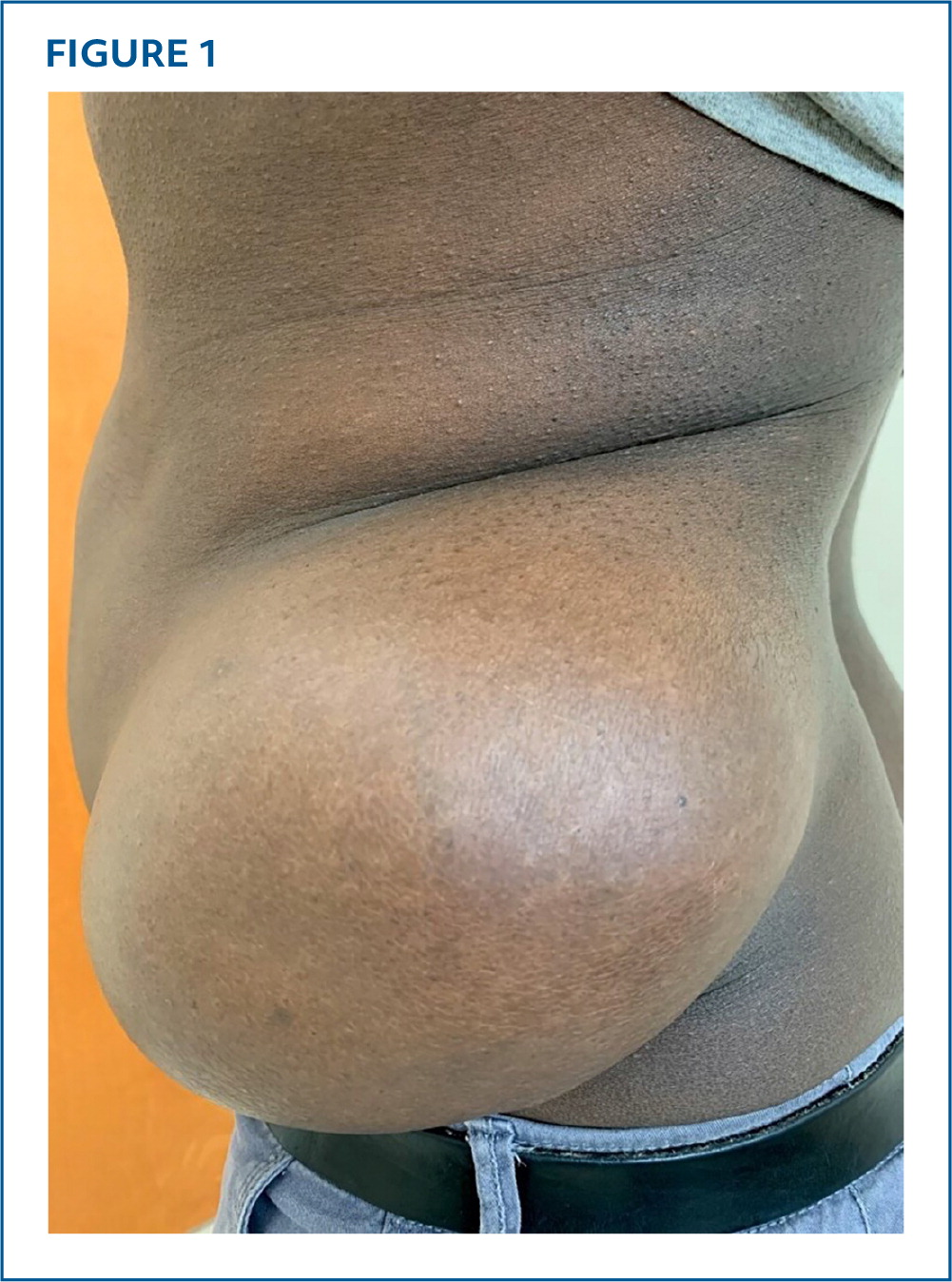
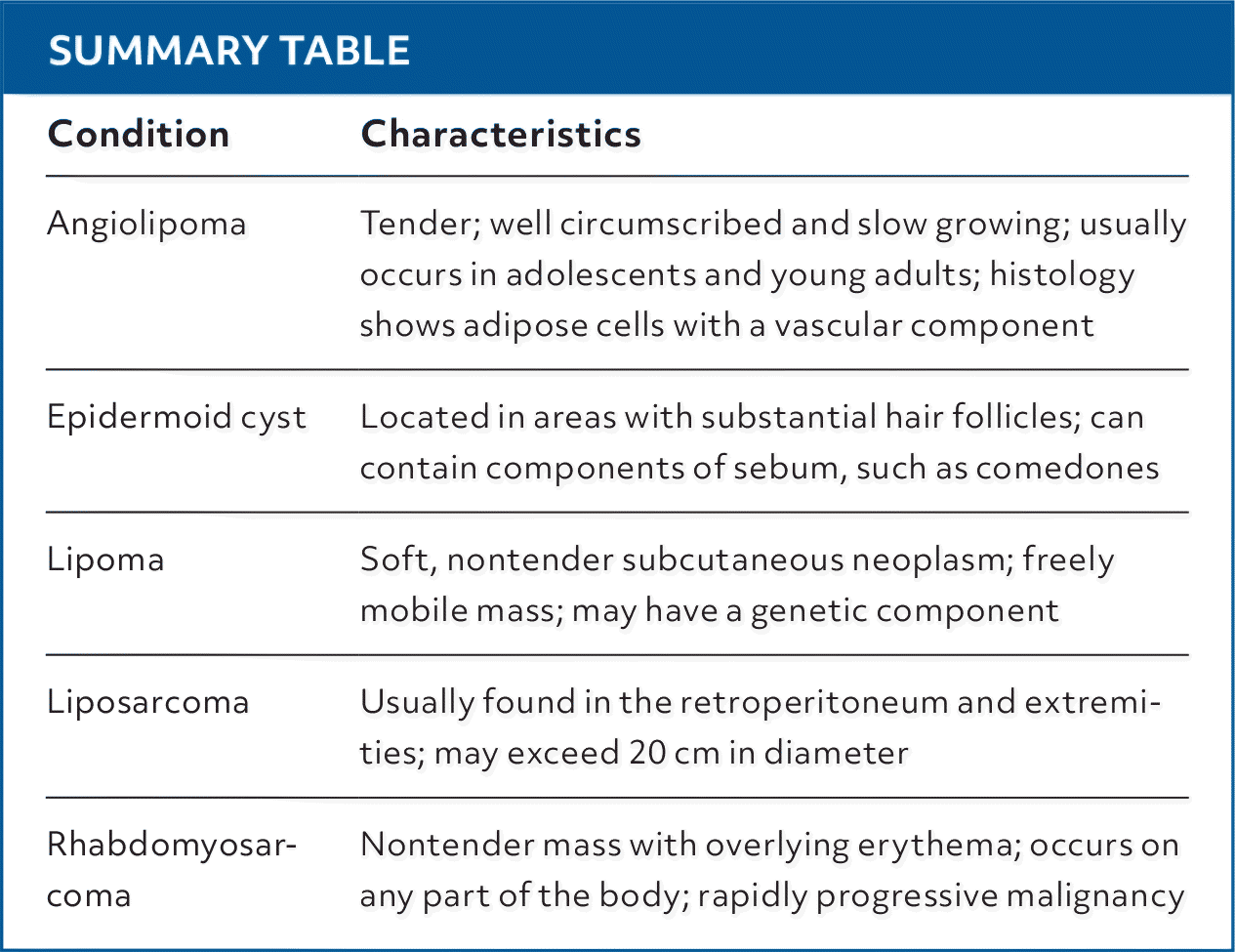
Based on the patient's history and physical examination, which one of the following is the most likely diagnosis?
A. Angiolipoma.
B. Epidermoid cyst.
C. Lipoma.
D. Liposarcoma.
E. Rhabdomyosarcoma.
The answer is C: lipoma. The patient was counseled that he most likely had a noncancerous fatty tumor. Ultrasonography confirmed the presence of a solid subcutaneous mass. The patient noted that his brother had previously been treated for a similar mass. Surgery was performed, and a 17.5 × 13.5 × 11 cm mass weighing 1,259 g was removed. Histological examination demonstrated encapsulated benign adipose tissue with several focal areas of fat necrosis.
500
In the Mayo 2/20/20 risk stratification model for smoldering multiple myeloma, these are the three specific thresholds used — including their respective variables — to predict a 63% risk of progression at 2 years when all are present.
What are serum monoclonal protein greater than 2 g/dL, involved-to-uninvolved free light chain ratio greater than 20, and bone marrow plasma cell infiltration greater than 20%?
500
A 2-year-old presents with his third episode of croup this year. This specific three-part endoscopic procedure is recommended for children younger than 3 years with recurrent croup when an airway abnormality is strongly suspected. These three findings are the most common.
What is triple endoscopy — laryngoscopy, bronchoscopy, and endoscopy?
What is changes in reflux, subglottic stenosis and tracheobronchomalacia?
500
A college roommate is diagnosed with confirmed meningococcal meningitis. These are the three first-line chemoprophylaxis antibiotic options for close contacts and the one antibiotic used instead when a specific Abx of those three has resistance concerns in the region.
What are ciprofloxacin, rifampin, and ceftriaxone with azithromycin used in areas of sustained ciprofloxacin resistance?
500
An 11-year-old boy presented with a rash on his back, abdomen, arms, and legs that had been present for several years. The rash was nonpruritic, but the patient experienced occasional irritation. He was previously treated with ketoconazole cream without improvement. Treatment with topical hydrocortisone and moisturizer was also ineffective. The patient's mother reported he was otherwise healthy and growing well.
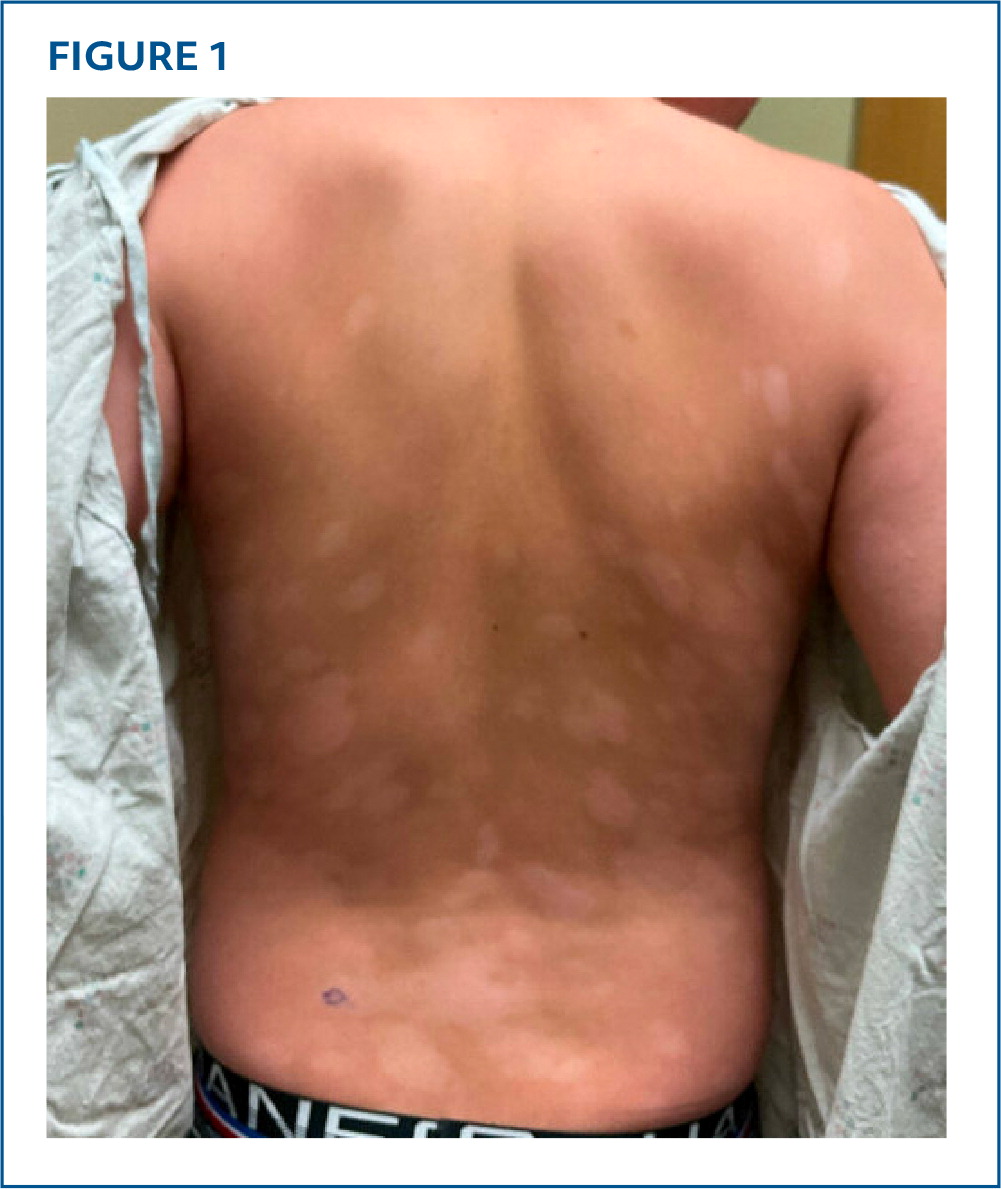
Physical examination revealed well-demarcated hypopigmented macules and patches that were coalescing on his back, abdomen, buttocks, medial upper arms, and posterior thighs (Figure 1). Some of the lesions had mild erythema and over-lying scale, and a few were subtly atrophic. A hypopigmented lesion on his right posterior thigh showed erythema with over-lying scale and follicular prominence. Wood lamp evaluation showed hypopigmentation. Biopsies of two representative lesions were obtained.
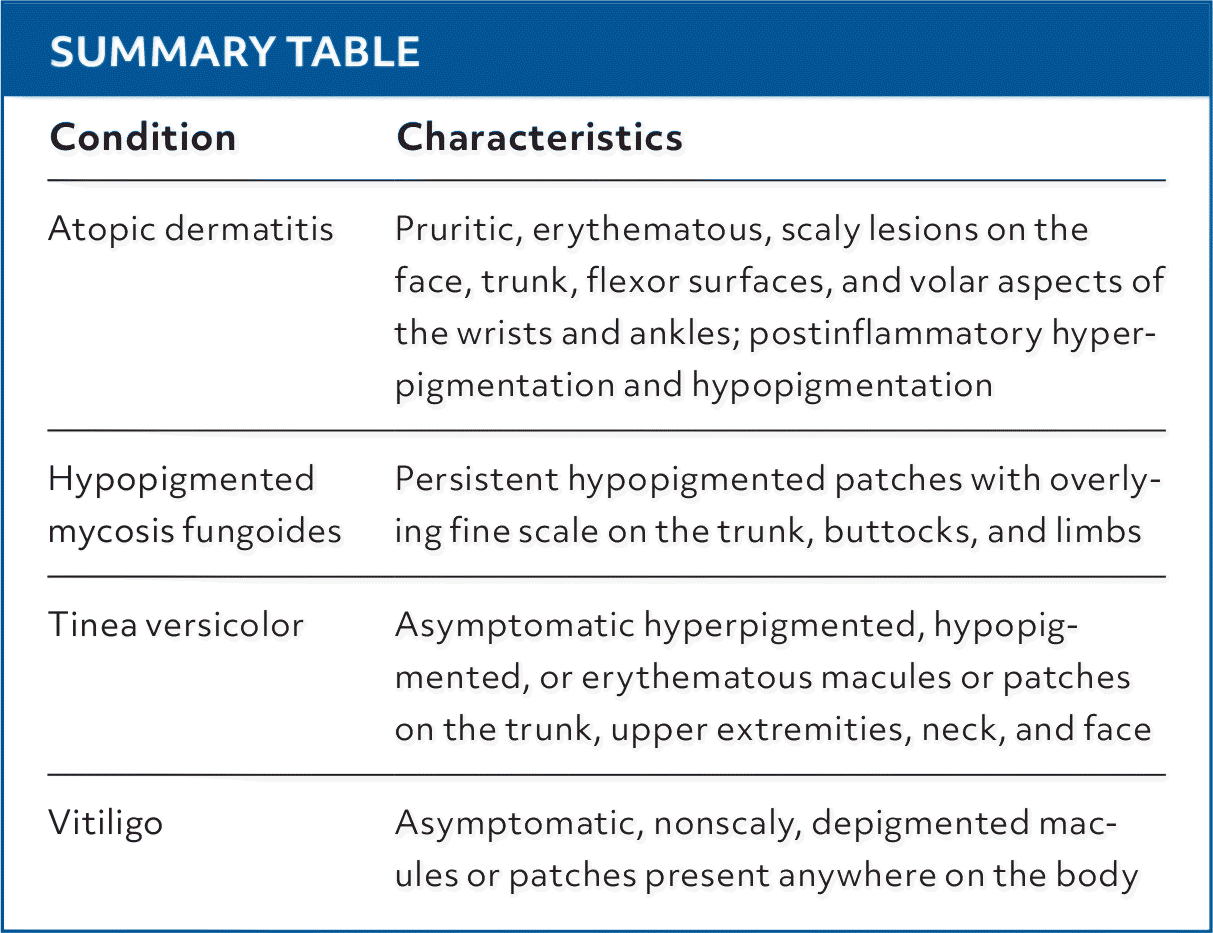
Based on the patient's history and physical examination, which one of the following is the most likely diagnosis?
A. Atopic dermatitis.
B. Hypopigmented mycosis fungoides.
C. Tinea versicolor.
D. Vitiligo.
The answer is B: hypopigmented mycosis fungoides, a cutaneous T-cell lymphoma. This is the most common variant of mycosis fungoides in children. It typically presents with persistent round to irregular, hypopigmented, nonatrophic patches with overlying fine scale. Follicular lesions may also be present. The patches usually appear on the trunk, buttocks, and limbs. They are generally asymptomatic but may be mildly pruritic.1 A biopsy is required for diagnosis, and multiple biopsies from different lesions may be necessary.
500
In bacterial meningitis CSF analysis, these four key findings, as opposed to viral meningitis.
What are cloudy appearance, markedly elevated leukocytes with neutrophil predominance, decreased glucose, and elevated lactate.