Why People Use
Addiction
101
101
Risk and Safety
Overdose Response
Coping Skills & Alternatives
Myths and Laws
DOUBLE POINTS:
How it Works
How it Works
100
Name one reason someone might choose to use alcohol or drugs.
Stress relief, curiosity, boredom, fitting in, trauma, sleep, fun, pain relief, mental health symptoms.
100
What are some early signs that substance use may be becoming an addiction?
Using more often than you planned
Needing more to feel the same effect
Using when you didn’t originally plan to
Thinking about it a lot or planning around it
Spending more money on it than intended
Choosing it over other activities sometimes
Feeling irritated or restless when you can’t use
Relying on it as your main way to relax or cope
100
Why is mixing substances (like alcohol and marijuana) more dangerous than one at a time?
Effects can stack and slow breathing
It increases overdose risk
You can black out faster
It’s harder to know how much is too much
100
What is the first thing you should do if someone is not responding and breathing is slow?
Call 911
100
Name one healthy way to deal with stress that doesn’t involve substances.
Exercise or movement; Music; Talking to a friend; Gaming (in moderation); Journaling; Walking; Creative outlets; Watching something funny
100
True or False: If a substance is legal, it must be safe.
False (alcohol, nicotine are highly addictive)
100
Do substances create new chemicals in your brain — or do they change the levels of chemicals you already have?
They change the levels of chemicals your brain already makes.
The brain already has dopamine, serotonin, endorphins, etc. Substances amplify or interfere with them.
200
What’s the difference between using to “have fun” and using to “cope”?
Fun use is recreational/social; coping use is to manage emotions, stress, trauma, anxiety, etc.
200
What is tolerance?
Tolerance means needing more to feel the same effect
200
Why is it risky to assume you know how strong a substance will be?
Potency varies
Substances are often mixed or contaminated
Doses aren’t consistent
200
What are 2 signs of an opioid overdose?
Slow or no breathing
Blue lips or fingertips
Unresponsive
Pinpoint pupils
200
What’s one quick way to calm your BODY when you feel overwhelmed?
Slow breathing (4–6 breaths per minute)
Cold water on your face
Stepping outside
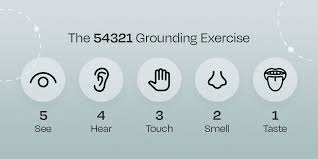
5-4-3-2-1 grounding technique
200
True or False: You have to “hit rock bottom” before getting help for substance use.
False.
Getting help early often leads to better outcomes.
200
What brain chemical is most commonly linked to feeling pleasure or reward?
Dopamine
Dopamine helps us feel motivated and rewarded — it’s released naturally when we eat, connect, achieve goals, etc.
300
What’s a “trigger”?
A situation, feeling, person, or place that increases the urge to use.
300
What legal substance is considered one of the most addictive drugs in the world?
Nicotene
Nicotine has extremely high relapse rates. Many people say it’s harder to quit than cocaine or heroin. Being legal doesn’t mean low risk.
300
Why can needing more to feel the same effect increase risk?
You’re using higher amounts
Higher amounts increase health risks
300
What is naloxone (Narcan) used for?
To reverse opioid overdoses.
BONUS: How do you use it?
Steps (Nasal Narcan):
Check responsiveness
Try to wake them.
Shout their name.
Rub knuckles hard on their sternum.
Call 911 immediately.
Lay them on their back.
Insert the nozzle into one nostril.
Push the plunger firmly.
It’s one full spray — no need to test or prime.
Wait 2–3 minutes.
If no response, give a second dose in the other nostril.
If they start breathing, put them in the recovery position (on their side).
Naloxone only works on opioids.
It lasts 30–90 minutes — medical follow-up is still needed
300
What does “harm reduction” mean?
Reducing the risks of substance use, even if someone is not ready to stop completely
300
What can legally happen if you share your prescription medication with someone else?
It’s illegal
You can face criminal charges
It may be treated as drug distribution
300
Why can substances feel more powerful than natural rewards?
They can release much larger amounts of dopamine than normal activities
The spike is faster and stronger
The brain notices that intensity
400
If someone only uses substances to cope with distressing emotions (stress, sadness, anxiety, anger, etc.), what pattern might that suggest?
Emotional reliance
Coping-based use
Psychological dependence risk
Increased risk for addiction
400
If someone says, “I can stop anytime, I just don’t want to,” what might this suggest?
The substance has become an important enough part of their life that they feel it's not worth stopping.
(Maybe bc it's not causing enough harm yet, maybe it's their main coping tool so it doesn't feel replaceable, ,
400
Why is driving after using alcohol or marijuana dangerous — even if you “feel fine”?
Slower reaction time
Reduced coordination
Impaired depth perception
Delayed decision-making
400
Can naloxone harm someone if opioids are NOT in their system?
No. It will not harm them.
400
If someone plans to drink at a party, what are two ways they can reduce their risk?
Eat before drinking
Alternate water
Set a drink limit
Keep track of drinks
Arrange a safe ride home
Stay with friends
400
True or False: Prescription drugs are safer to misuse because a doctor prescribed them to someone.
False.
They’re safe only when taken as prescribed to the person they were prescribed for.
Prescribed substances can be just as dangerous/addictive
400
What can happen to your brain if it gets repeated large dopamine spikes from substances?
The brain may produce less on its own
You may need more to feel the same effect
Normal activities may feel less exciting
Crashes can feel worse
500
Why can going through trauma increase someone’s risk for addiction?
Trauma can make emotions feel really intense or hard to handle. If someone starts using substances to deal with those feelings, it can turn into a pattern that’s hard to stop.
500
Why do people sometimes underestimate the addiction risk of alcohol or nicotine?
They’re legal
They’re socially accepted
Many adults use them
Marketing normalizes them
500
Why is alcohol involved in so many accidental injuries and assaults?
It lowers inhibition
It impairs judgment
It increases impulsivity
It slows reaction time
500
Where can you get naloxone (Narcan) in Durham, NC?
Pharmacies (no prescription required in NC)
Durham County Department of Public Health
NC Harm Reduction Coalition
Community health clinics
Some emergency departments
Community outreach events
500
What does “urge surfing” mean?
Letting a craving rise and fall without acting on it — like riding a wave.
Cravings peak and pass if you don’t feed them.
500
What happens to you if you call 911 because someone is overdosing but you are also high or have drugs on you?
If you call 911 in good faith because someone is overdosing, you are generally protected from prosecution for certain drug offenses, including:
Possession of small amounts of drugs; Possession of drug paraphernalia; Being under the influence
The protection applies to:
The person overdosing; The person who called 911; Anyone who stays at the scene and cooperates
Important Conditions
The law typically requires that:
You call 911 (or seek medical help); You stay at the scene; You cooperate with responders
Good Samaritan protections do NOT cover:
Drug trafficking or intent to sell
Outstanding warrants
Violent crimes
Probation/parole violations (can vary case by case)
500
Why can someone feel “off,” irritable, or low after the high wears off?
Brain chemicals drop after the spike
The brain may temporarily be below normal levels
That crash can drive the urge to use again