Hernias
Abdominal Structures
Wound healing
Wounds
Orthopedics
200
"inguinal"
the groin area
200
Ileocecal Valve, Pylorus, Cecum
Parts of the digestive system
200
Clear watery plasma
serous fluid
200
no sign of infection
Clean wounds (Class I):
200
minimally invasive procedure where a small camera is inserted into a joint
Arthroscopy
300
"Femoral"
the thigh region.
300
Hepatic Flexure. Splenic Flexure
bends in the large intestine
300
thick yellow green tan or brown
Purulent
300
have no contamination present
Clean-contaminated wounds (Class II):
300
procedure that removes the damaged portion of a disc in the spine
Discectomy
400
ventral hernia
a bulge of tissue—such as abdominal fat or intestines
400
Peristalsis
Wave like movement for pushing food
400
Pale red watery mixture
Serosanguineous
400
open and shows signs of contamination
Contaminated wounds (Class III):
400
connect two or more bones in any part of the spine.
Spinal fusion
500
Spigelian hernia
lateral ventral hernia
500
Rugae, Pyloric sphincter, Lesser curvature
Parts of the stomach
500
bright red
Sanguineous
500
as dirty-infected are open,
Dirty-infected wounds (Class IV):
500
126 bones
amount of bones in the extremities
600
incarcerated hernia
tissue becomes trapped outside the abdominal wall and cannot be pushed back in
600
Production of mucus, from feces, defecation
Functions of the large intestines
600
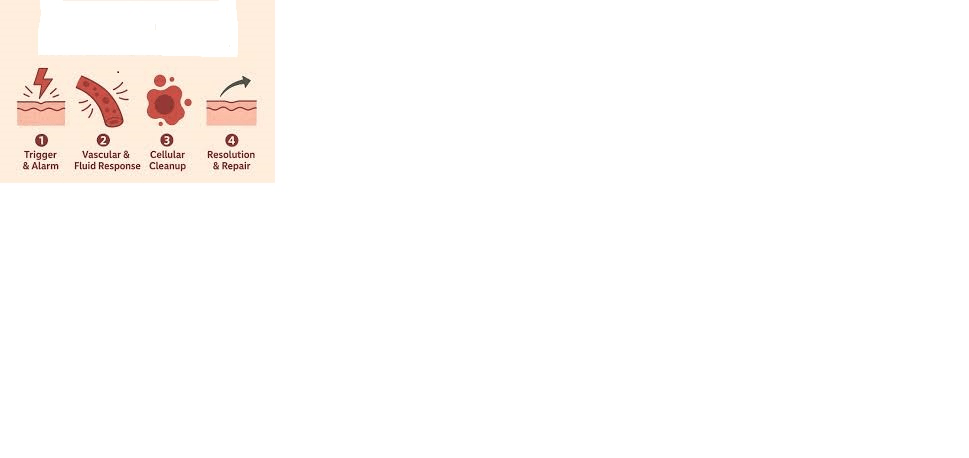
four stages of inflammation
600
sutures, staples, adhesive strips of tape,
Primary Intention
600
will only replace the damaged portion of the hip joint
Birmingham Hip Resurfacing Procedure