Basics
Care and Maintenance
Troubleshooting and Complications
Unblocking
Other quirks
100
The acronym PICC stands for
Peripherally Inserted Central Catheter
100
The technique used in flushing a PICC
Pulsatile/push-pause
100
Power injectable PICCs with a universal color of Purple are able to take 300 PSI which allows them to be compatible for this imaging test
CT scan
100
A PICC lumen that flushes but does not aspirate or is sluggish is termed as
Partially-occluded
100
Action to take when resistance is felt during PICC removal
Stop/Consult with medical staff
200
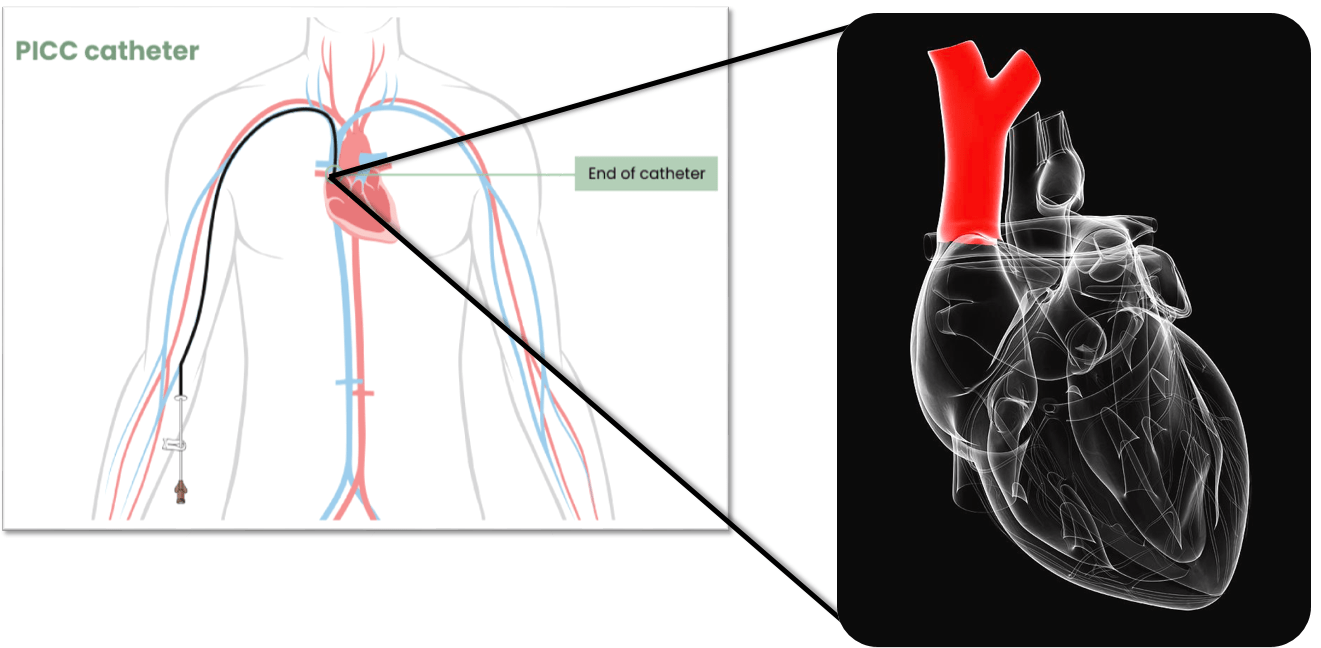
Inserted peripherally, the tip of the PICC is located here
Superior Vena Cava (Cavoatrial Junction)
200
Apart from when needed, this is how often the dressing and securement device needs to be changed
weekly or 7 days
200
Initial test when the PICC is suspected to be the source of infection
blood cultures - PICC and peripheral
200
A drug used to unblock CVADs whether partially occluded or completely blocked
Alteplase
200
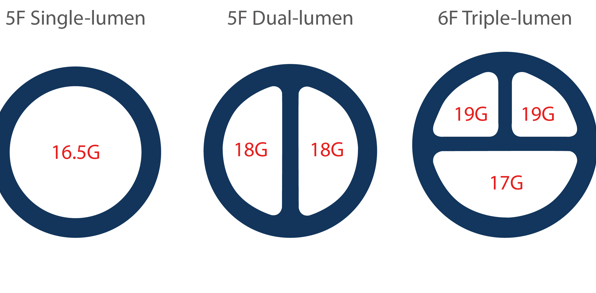
Rationale why more lumens does not always mean better
more lumens less gauge
300
At the most, this is the recommended maximum dwell time a PICC can stay in
Up to 12 months
300
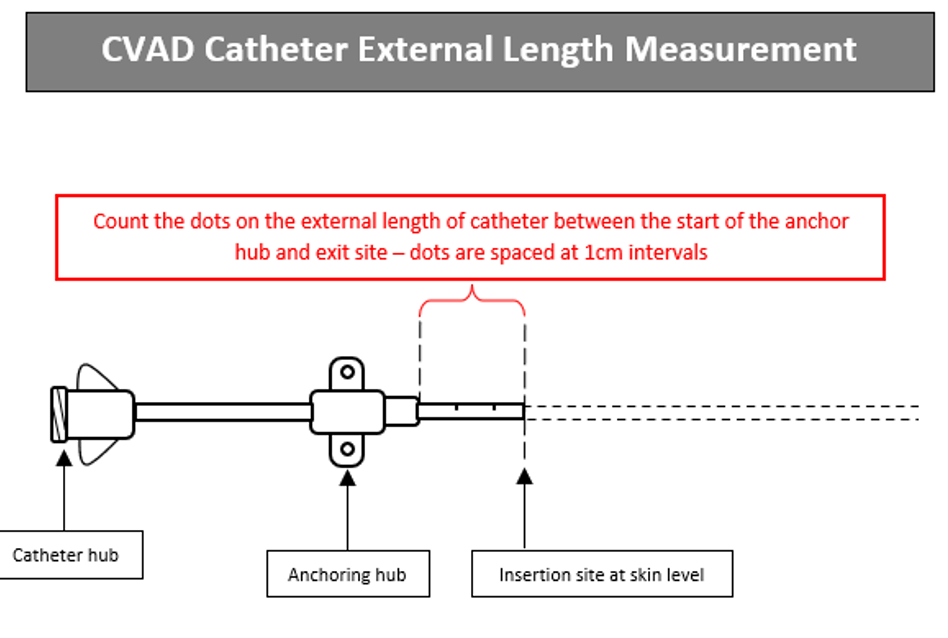
If the external length of the catheter changes by this much, PICC used must be ceased and tip position must be confirmed
2cm or more
300
A complication noted where there is swelling and pain in the arm
Thrombosis
300
The maximum number of attempts to unblock using medication allowed per lumen
two
300
In suspicion of infection, this action is done after PICC removal
Send catheter tip for culture
400
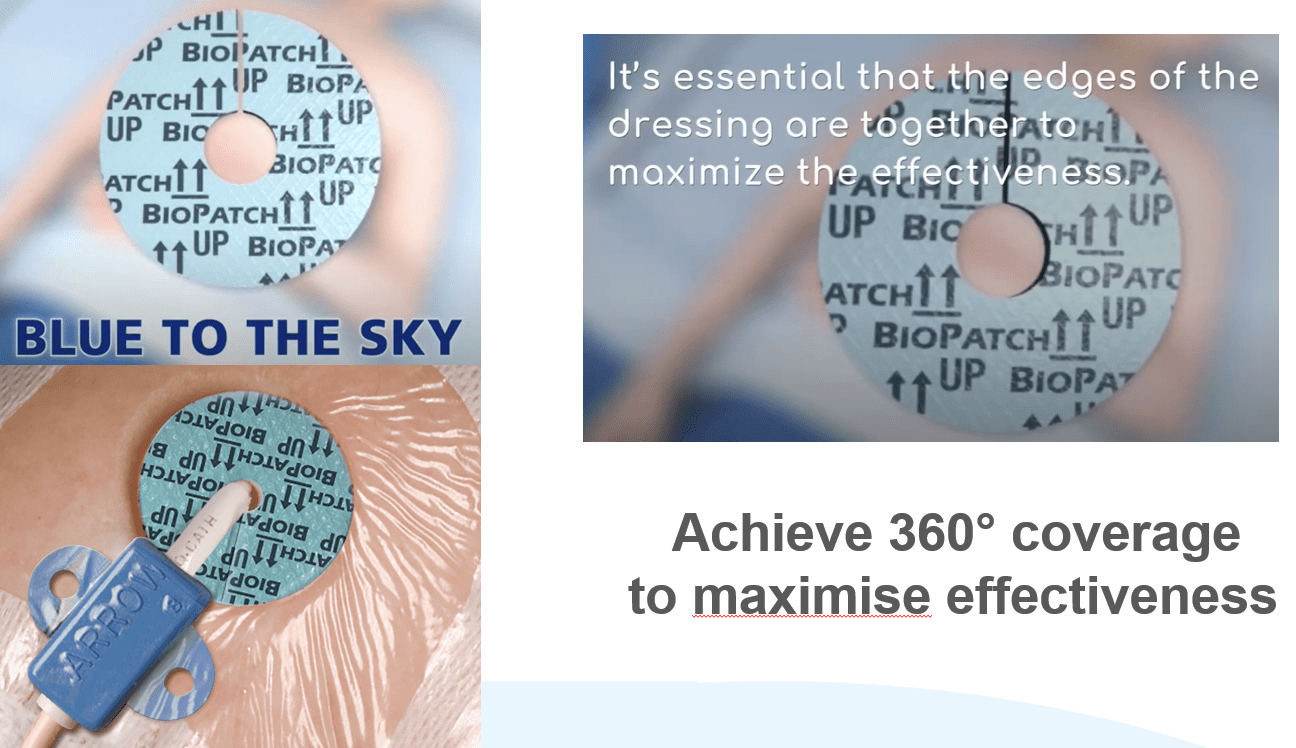
Degree of coverage for the chlorhexidine impregnated dressing
360
400
A patient with a PICC wants to take a shower and asks if there is any precaution for them to take
Cover the dressing area with plastic wrap and tape; avoid the PICC to be wet at all
400
A colleague mentions to you that a PICC was sluggish to flush. This would be your first step in troubleshooting.
Flush with a strong pulsatile technique with 2x10ml saline
400
Recommended dwell time of the medication for unblocking to increase success
30-120 minutes
400
When taking blood via a multi-lumen PICC, this is the minimum length of time to pause an infusion
2 minutes
500
Rationale why a TKVO is not acceptable in maintaining PICC patency
low flow/pressure does not maintain patency
500
Two actions required when a patient returns to the ward post PICC insertion
- Measure and document
- Pulsatile Flush 2x10ml (when ready for use)
500
Prep used if patient is allergic to chlorhexidine
iodine 0.5% (Betadine) in alcohol 70%
500
Patient with a confirmed CVAD infection and blocked PICC. Use alteplase or not? Why?
No, due to risk of systemic infection spread
500
PICCs inserted from another hospital need these two actions completed
CXR/confirmation of placement prior to use; dressing changed within 24 hours of admission