Asamoah
Stroke r/o
Septus
100
Name this rhythm.
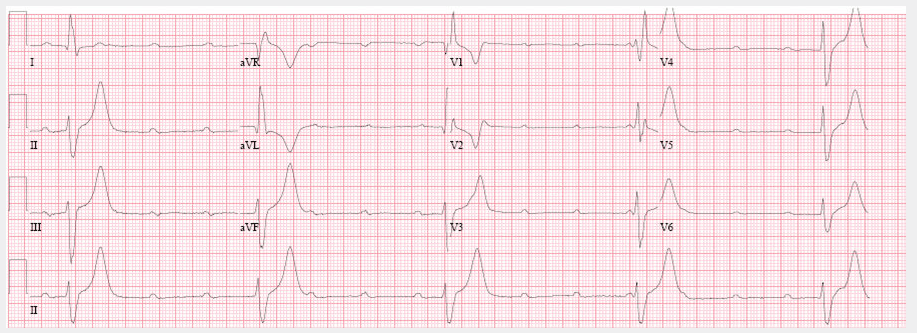
What is third degree heart block?
100
A 33-year-old woman is evaluated for double vision. Examination shows disconjugate eye movements and nystagmus. Brain MRI is performed. 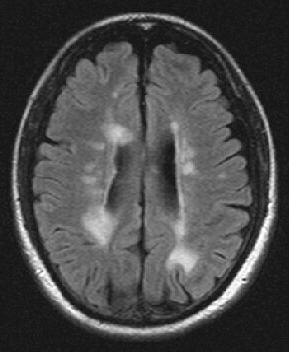
This condition is most likely in this patient.
What is multiple sclerosis?
100
An 80-year-old man is evaluated for dyspnea following a large-volume gastric aspiration. He was initially admitted to the hospital 2 days ago with gram-negative sepsis.
The chest radiograph below demonstrates this lung pathology. 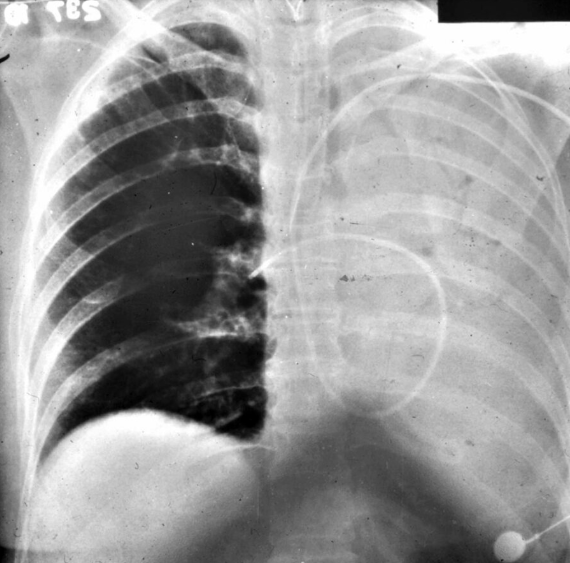
What is aspiration pneumonia?
200
Name the condition associated with this EKG.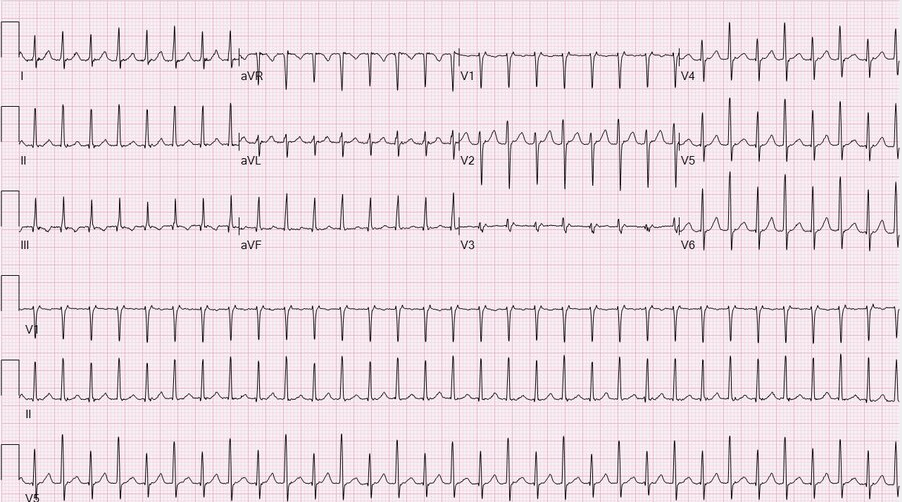
What is cardiac tamponade?
200
This treatment is recommended for patients with an ABCD2 score > 4.
What is DAPT for 21 days?
200
A 50-year-old man is evaluated for a 2-day history of fever and malaise. A new heart murmur is auscultated. Today, crops of nonpainful cutaneous lesions have appeared on his feet.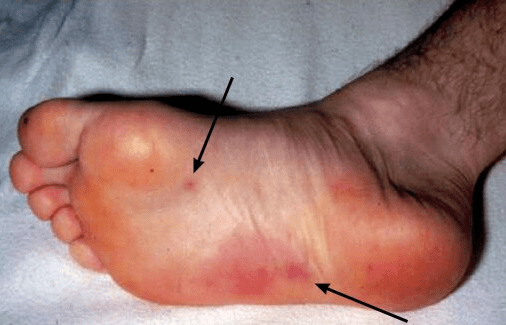
Name this condition.
What is infective endocarditis?
300
This condition is associated with the EKG findings below.
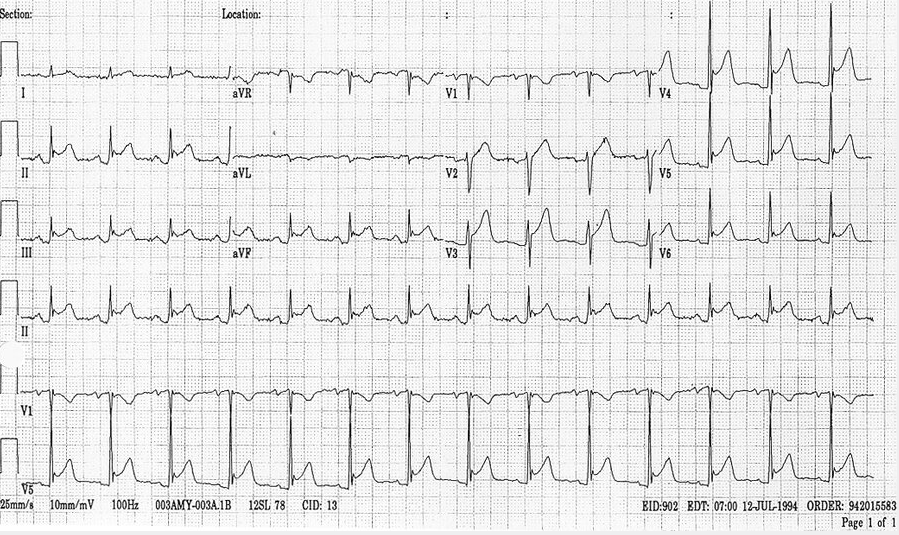
What is pericarditis?
300
A 61-year-old woman is evaluated for a 3-month history of new-onset, gradually progressive headaches. The headaches have grown more frequent each month and now occur daily. She describes a unilateral temporal steady pressure of mild to moderate intensity. Aside from some mild neck pain and fatigue, she has no other symptoms. Medical and family history are unremarkable, and she takes no medications.
Vital signs and physical examination findings are normal.
Brain MRI without contrast is normal.
This is the next diagnostic step for management of this patient.
What is ESR?
300
The following pleural fluid studies are indicative of this condition.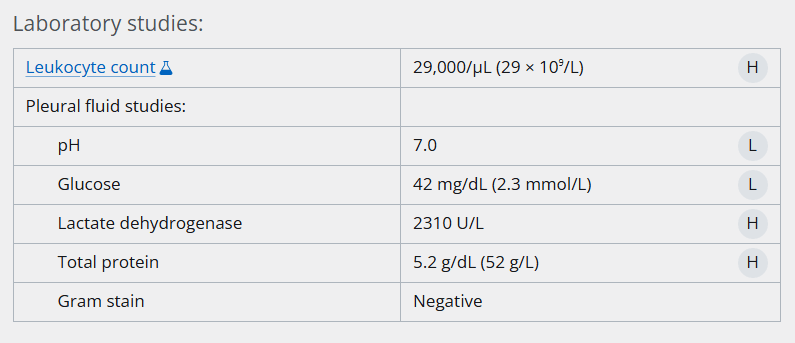
What is complicated parapneumonic effusion?
400
Name the rhythm based on the EKG below.
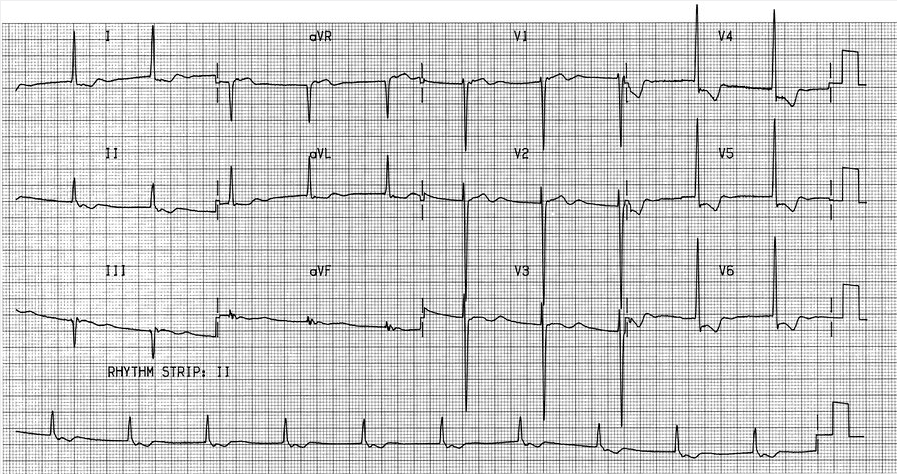
What is a junctional rhythm?
400
Name the arteries (2) that, if occluded, could cause ipsilateral Horner syndrome, facial pain and temperature loss, cerebellar ataxia, and contralateral loss of pain and temperature in the body.
What is intracranial vertebral artery
or
posterior inferior cerebellar artery
(Wallenberg Syndrome)
400
A patient in septic shock is treated with piperacillin-tazobactam upon arrival and received a 30-mL/kg bolus of lactated Ringer solution followed by several more fluid boluses. She remained hypotensive and began receiving norepinephrine and arginine vasopressin 4 hours ago. She has no other medical problems.
On physical examination, temperature is 37.1 °C (98.8 °F), blood pressure is 86/48 mm Hg, mean arterial pressure is 61 mm Hg, pulse rate is 106/min, and respiration rate is 22/min. A passive leg raise test shows a lack of fluid responsiveness.
This medication should be started next.
What is hydrocortisone?