Periodic Table of Elements
Subatomic Particles
Numbers
Naming
Reaction Types
Common chemicals
100
The atomic number of iron
26
100
This is the positively charged particle in an atom
proton
100
Number of protons
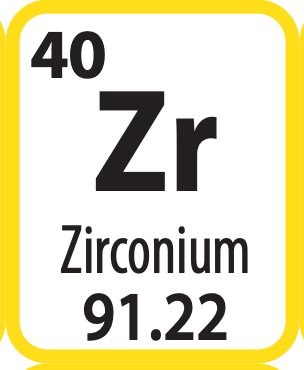
40
100
MgCl2
magnesium chloride
100
A compound breaks down into elements.
Decomposition
100
H2O
Water
200
The elemental symbol for potassium
K
200
This particle is not part of the nucleus of an atom
electron
200
Atomic number
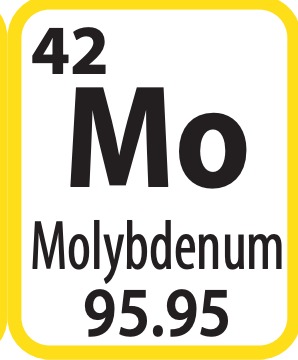
42
200
SiO2
silicon dioxide
200
When copper metal is placed into silver nitrate solution, silver metal forms as the copper becomes ions that dissolve.
single replacement
200
NaCl
salt/ table salt
300
What element is diamond made of?
Carbon
300
This particle is what is gained or lost to form ions
electron
300
Mass number
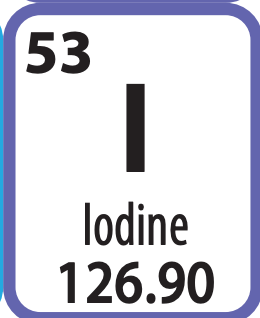
127
or 126.90
300
CuCl3
copper (iii) chloride
300
When something reacts with oxygen to produce heat, CO2 and H2O
Combustion
300
CH3COOH
vinegar (acetic acid)
400
These elements are highly reactive and contain 7 valence electrons
Halogens
400
These two subatomic particles contribute to the mass of an atom
protons and neutrons
400
Number of electrons (in a neutral atom)
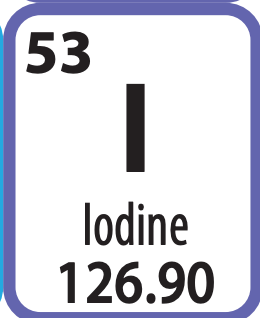
53
400
Daily Double
What is the chemical formula for iron (iii) carbonate?
400
Acids and bases react in this type of double replacement reaction
Neutralization
400
C12H22O11
sugar (sucrose)
500
This latin name for lead is where the chemical symbol for lead comes from
Plumbum
500
This type of elementary particle makes up protons and neutrons
quarks
500
Number of neutrons
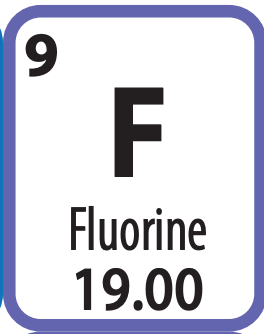
10
500
K2Cr2O7
Potassium dichromate
500
When two soluble ionic compounds react, sometimes a solid is formed as one of the products. What is this solid called?
Precipitate
500
NaHCO3
baking soda (sodium bicarbonate)