Vocab & Variables
Density
Metals, Nonmetals, & Metalloids
Volume
Mix-Up
100
Something that can be observed or measured without changing the substance
What is physical property?
100
If a white liquid has a density of 1.2 g/mL, a red liquid has a density of 1.15 g/mL, and a blue liquid has a density of 1.3 g/mL, this is the order that the liquids will appear in a test tube from top to bottom.
What is red, white, and blue?
How to find answer: Top is lowest density, so order lest to greatest:
1.15, 1.2, 1.3
Remember, you can add a zero to the end of 1.2 and 1.3, making them look like money and easier to order.
1.15, 1.20, 1.30
100
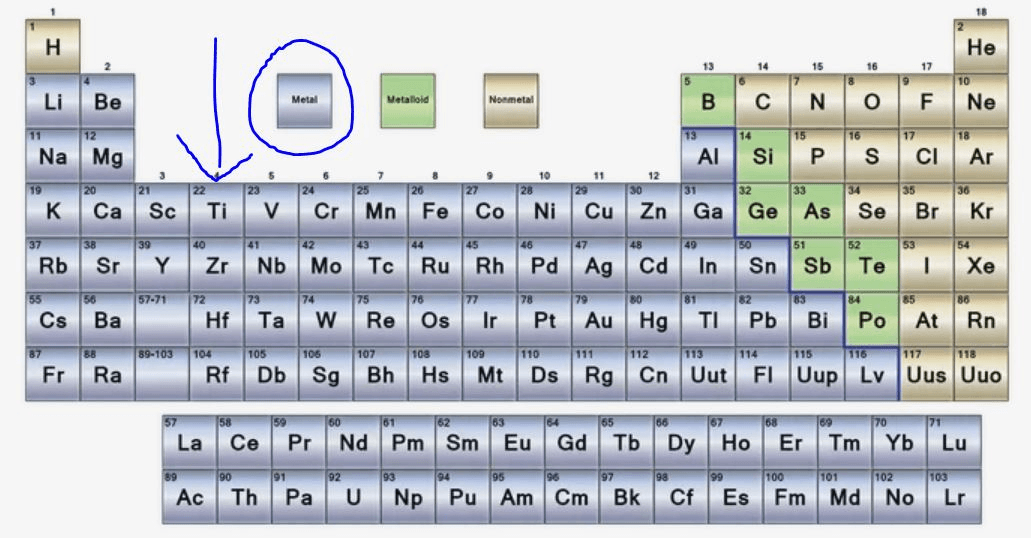
What category (metals, nonmetals, or metalloids) take up the majority of the left side of the Periodic Table of Elements?
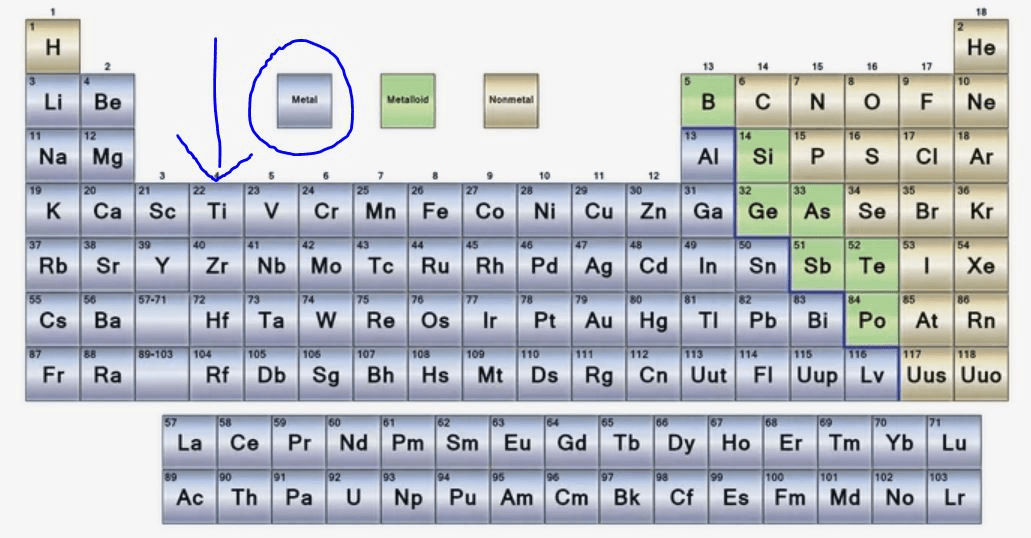
What are metals?
100
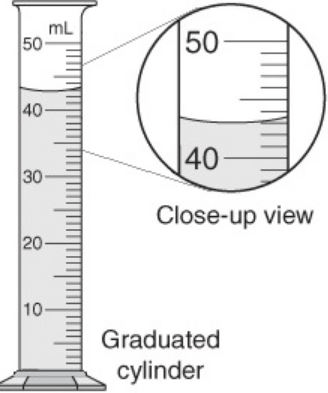
The volume of the water.
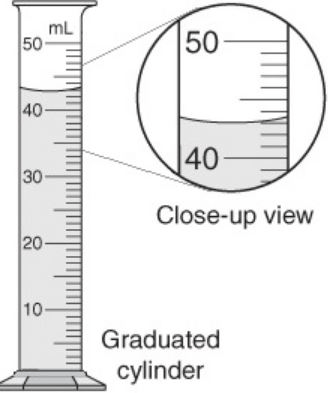
What is 43 mL?
100
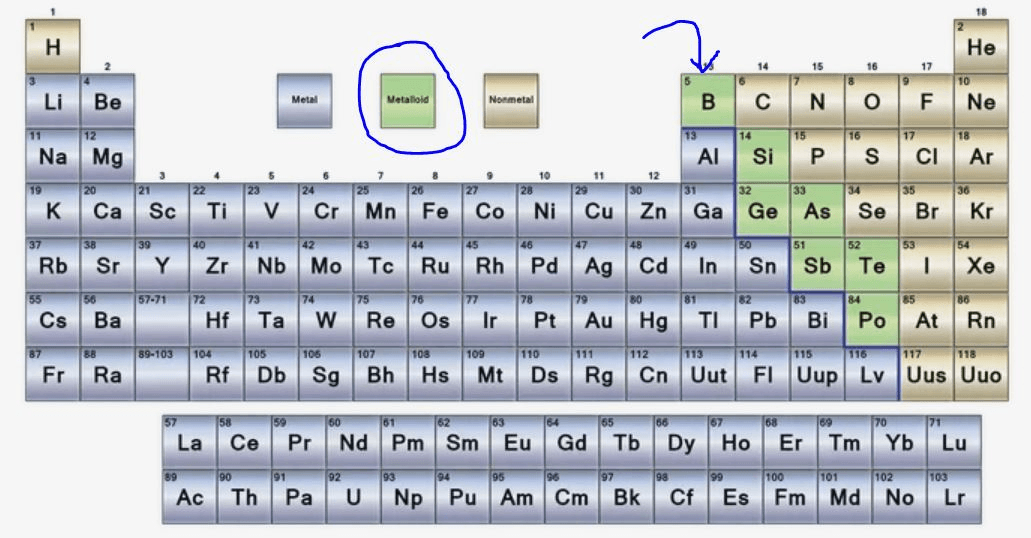
The following elements are classified into what Periodic Table Category (metals, nonmetals, or metalloids):
Boron, Silicon, and Germanium
What are metalloids?
200
They have luster, are good conductors, and are malleable (not brittle)
What are metals?
200
This is the density of a number cube with a side measure of 2 cm and a mass of 10g.
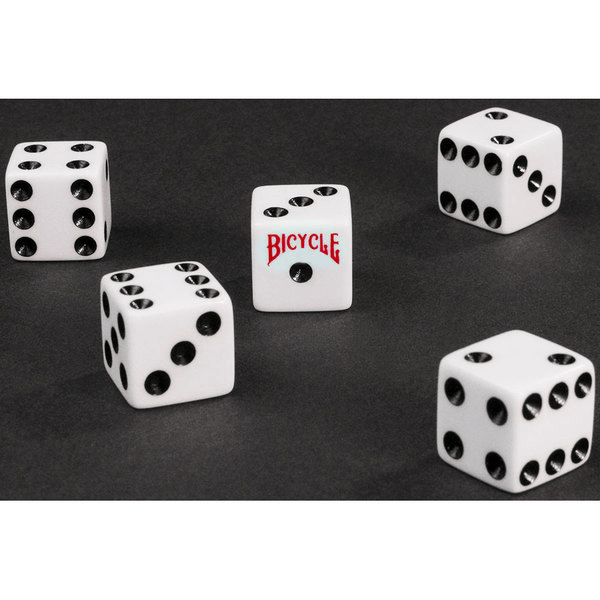
What is 1.25 g/cm3?
How to find the answer:
Volume= L x W x H
Volume= 2 x 2 x 2= 8cm3
Density= Mass/Volume
Density= 10 g/ 8 cm3
Density= 1.25 g/cm3
200
What category (metals, nonmetals, or metalloids) are located to the far right of the Periodic Table of Elements--to the right of the stair step portion?
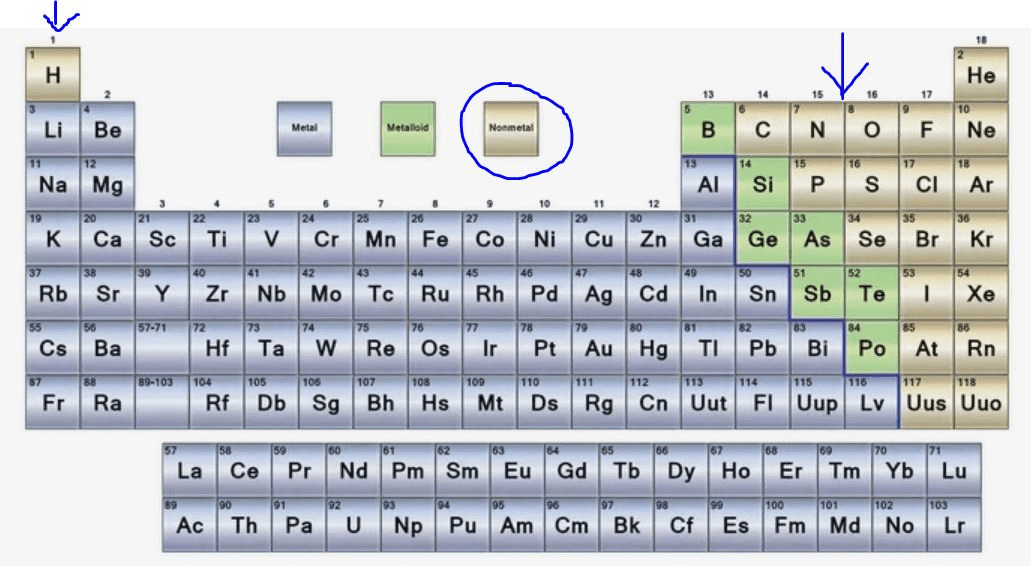
What are nonmetals?
200
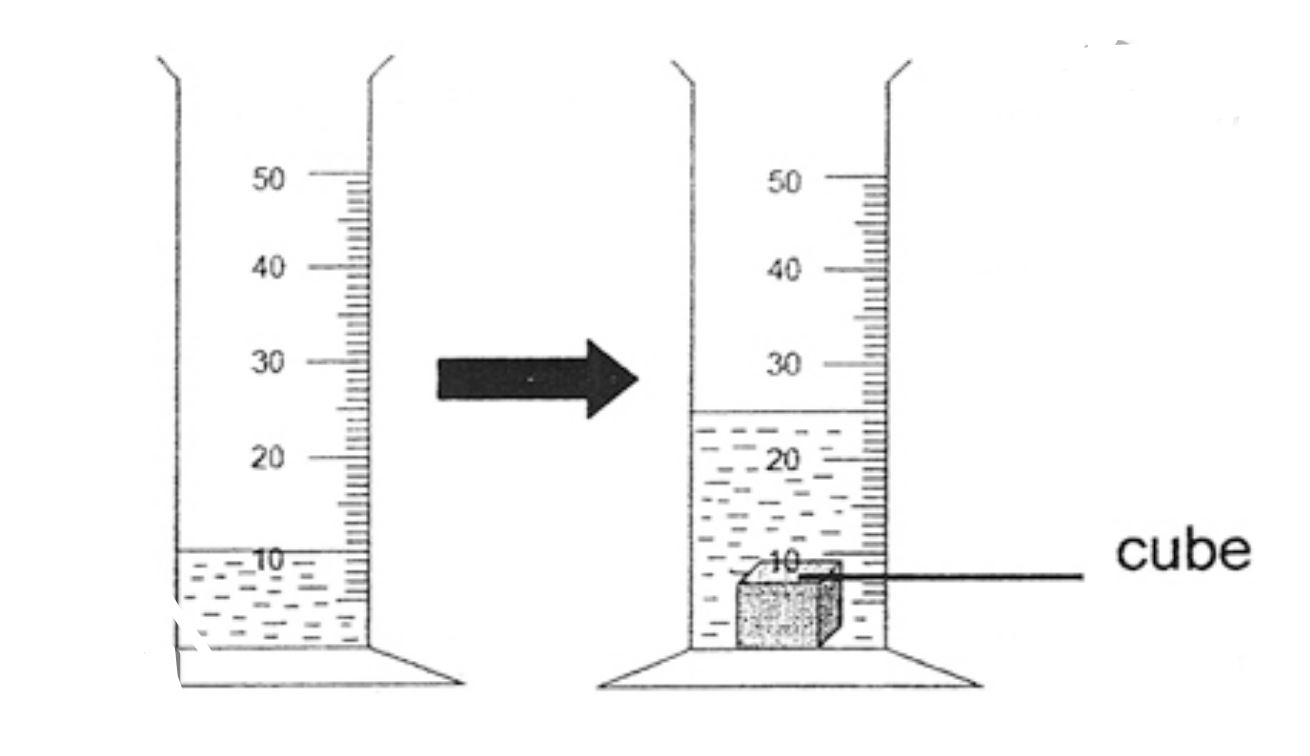
The volume of the object:
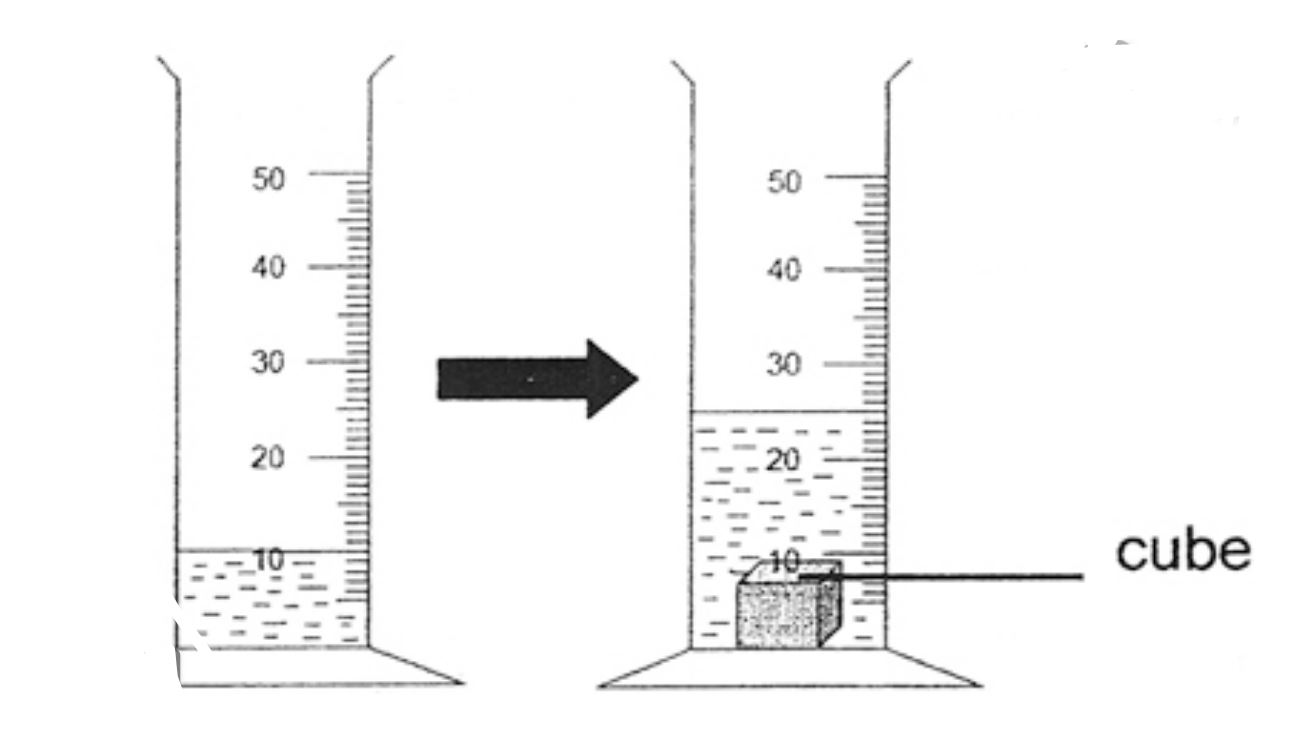
What is 15 mL?
25-10= 15mL
200
The volume of a 15 gram pebble dropped in a graduated cylinder with 50 mL of water that rises to the 54 mL mark.
What is 4 mL?
*only asked for volume
54-50= 4 mL
300
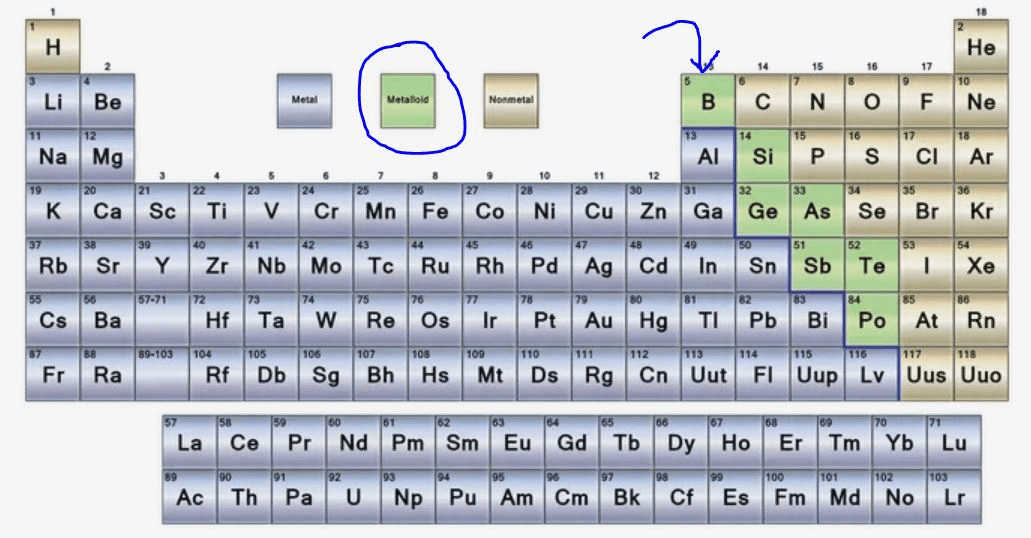
They are found along the "stair step" portion of the Periodic Table (between metals and nonmetals).
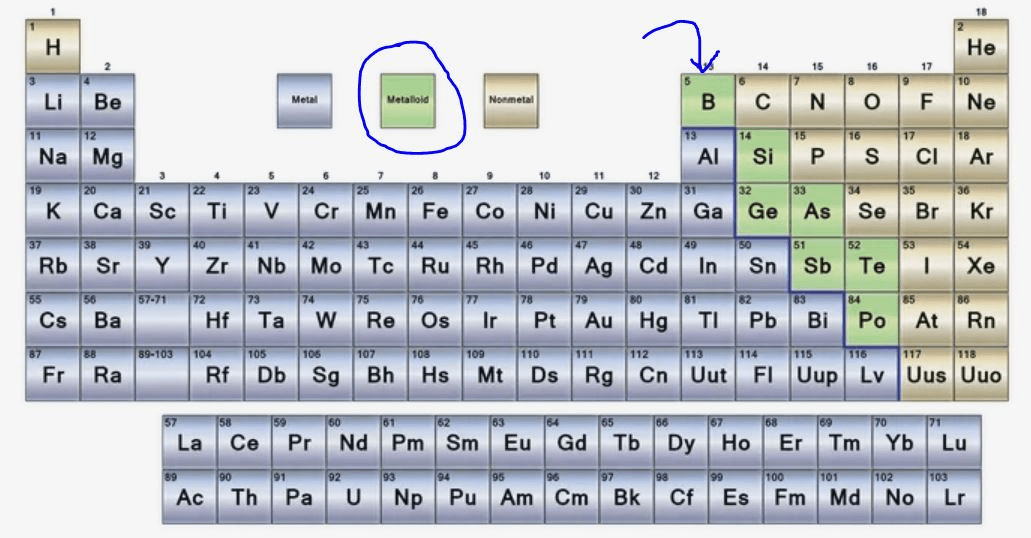
What are metalloids?
300
135 g of a mystery substance was dropped in a graduated cylinder filled with water. The water rose to 44 mL from 34 mL.
Use the chart in the picture to determine what substance it must be.
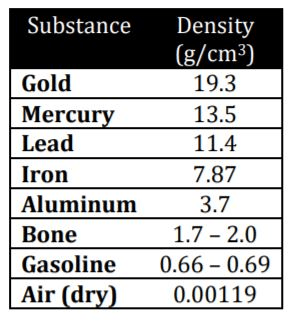
What is mercury?
Find the volume first: 44-34= 10 mL
Density= Mass / Volume
Density= 135 g/ 10 mL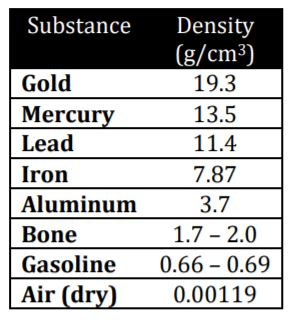
Density= 13.5 g/mL which is equivalent to
13.5 g/cm3.
This matches mercury's density on the chart.
300
What category (metals, metalloids, or nonmetals) has the following characteristics:
~brittle
~metallic luster
~poor conductor of electricity (can be called semiconductors--meaning can conduct, but not the best)
What are metalloids?
Remember, these are hybrids...
because they have part metal and part nonmetal characteristics.
They are "in-between" AND can be found in between metals and nonmetals on the Periodic Table.
Remember, they can be semiconductors, which means they can conduct electricity, just maybe not the best choice for conductivity.
300
The volume of the pictured rectangular prism.
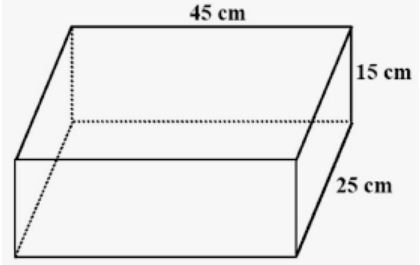
What is 16,875 cm3?
How to find the answer:
V= L x W x H
V= 25cm x 45 cm x 15 cm
(can multiply in any order)= 16, 875 cm3
300
The density of an object whose volume is 12 mL and mass is 18 grams.
What is 1.5 g/mL?
How to find answer:
D= M/V
D= 18 g/ 12 mL= 1.5 g/mL
400
Dr. Mitzner wanted to determine the effect of bad weather on tardies. She measured tardies on a sunny day and then tardies on a rainy day. She did this in the same school year, and on the same week.
What type of variable is the type of weather?
What is the independent variable?
Independent variable is changed on purpose (ICHOP)
She measured tardies on rainy days, then on sunny days. The type of weather was the part she changed on purpose. How many tardies would be the dependent (measured results) variable.
400
The density of the following pure copper objects will be the same--no matter how big or small. True or False?
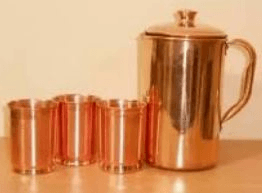
What is true?
Objects of the same element type will ALWAYS have the same density.
All copper has the same density.
All gold has the same density.
All silver has the same density.
All sulfur has the same density.
etc.
400
This category in the periodic table is characterized by substances that
~tend to be brittle
~are poor conductors of electricity
~are without luster.
What are nonmetals?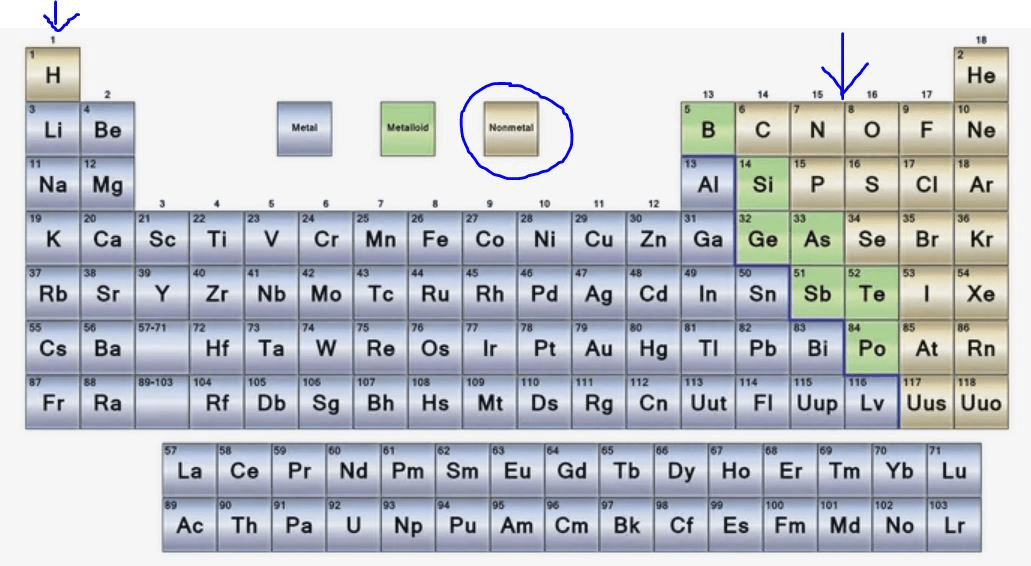
400
Find the volume for a 135 gram substance that displaced water by 26 mL.
What is 26 mL?
* You only had to find the volume. It told you it displaced the water by 26 mL; therefore, the volume is 26 mL.
400
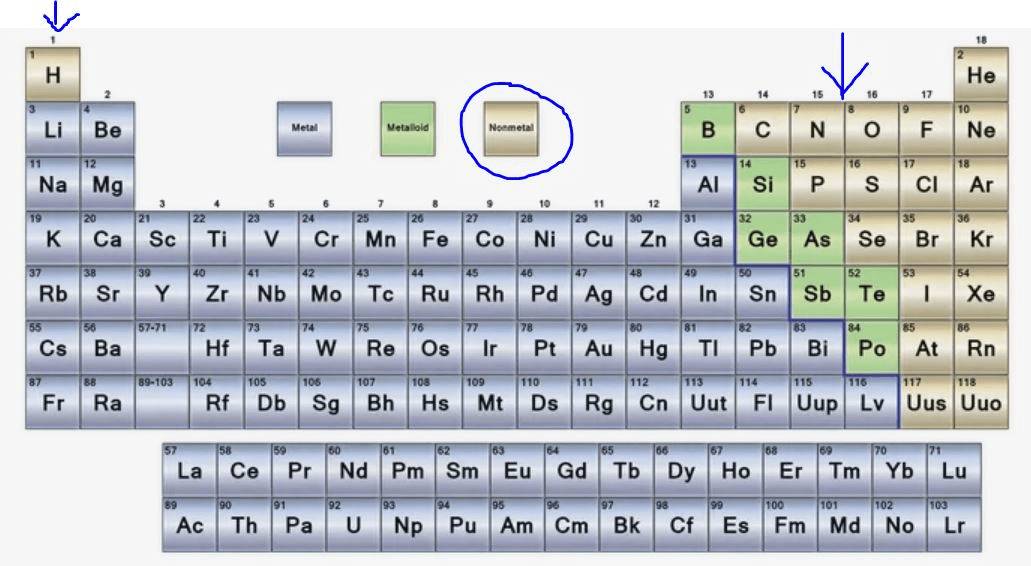
The following elements are classified into what Periodic Table Category (metals, nonmetals, or metalloids):
oxygen, nitrogen, and carbon
What are nonmetals?
500
Using the graph, which variable is the independent variable?
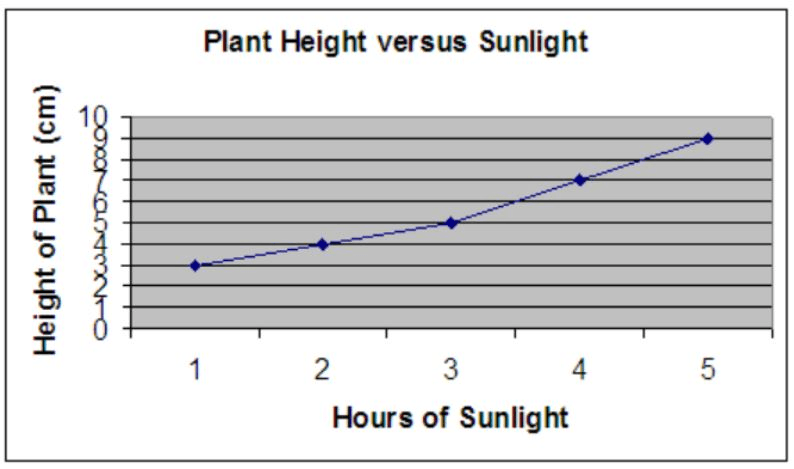
What is the "Hours of Sunlight"?
Remember...
DRY- dependent variables on the Y-axis
iMIX- independent, measurable variables on the X-axis
500
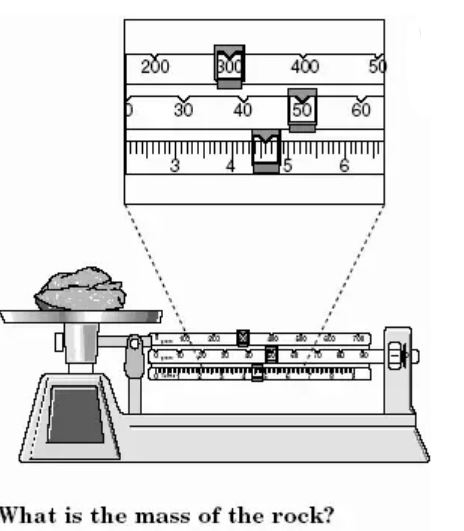
Find the density using the following 2 pictures:
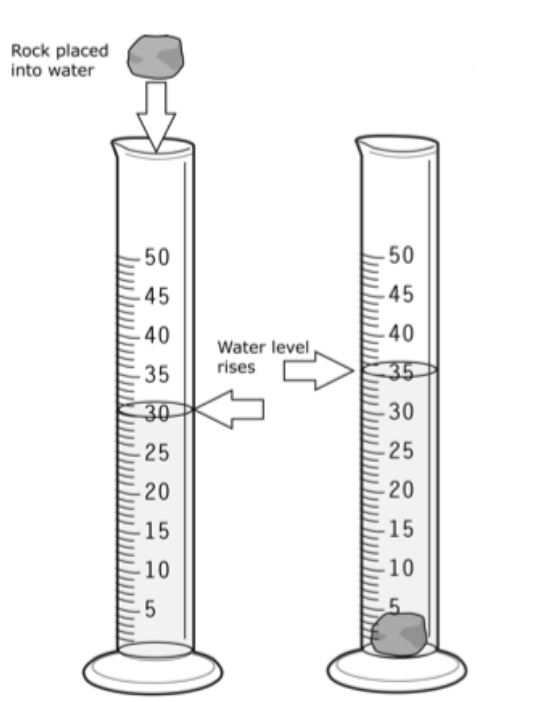
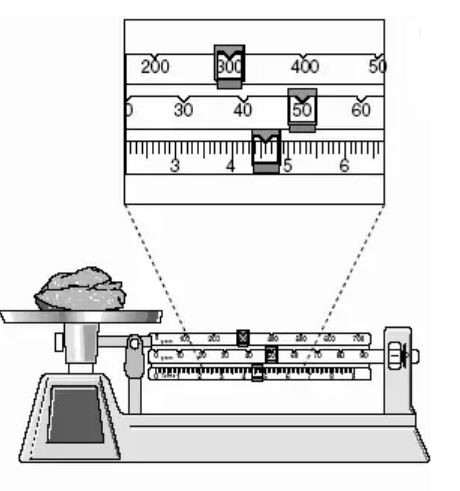
What is 70.92 g/mL?
How to find the answer:
Find the volume using water displacement (35-30=5 mL).
Find the mass using the 3 triple beam balance measures (300 + 50 + 4.6= 354.6 grams).
Density= mass / volume (divide)
Density= 354.6 g/ 5 mL= 70.92 g/mL
500
This category in the Periodic Table of Elements has the following characteristics:
~reflects a lot of light from its surface
~easily transmits electricity
~hammers into shape without breaking
~requires high temperature to melt
What are metals?
500
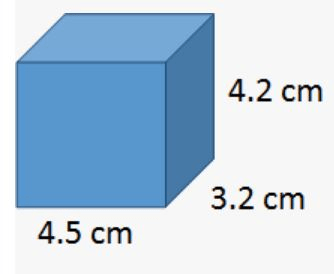
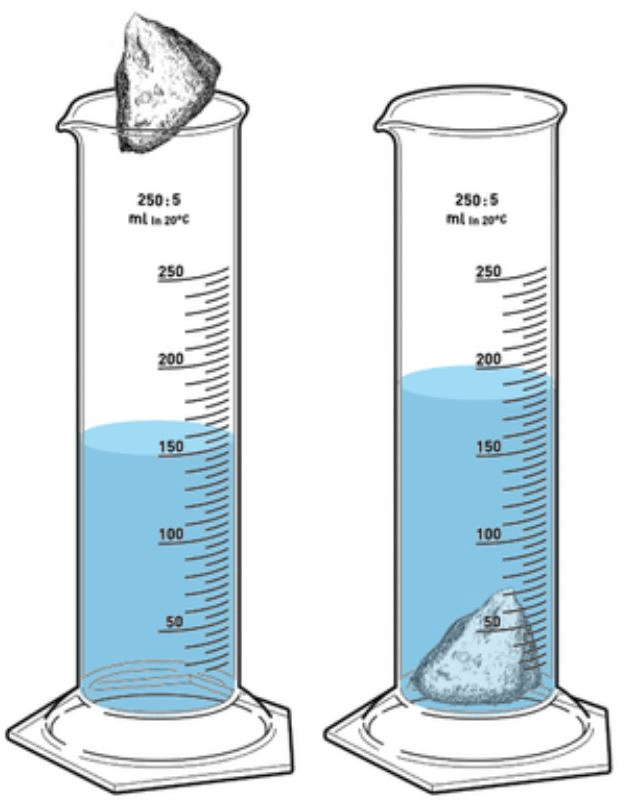
Which has more volume?
Substance A
Substance B
What is substance A?
How to find answer:
Substance A- regular object- V= LxWxH
V= 3.2 x 4.5 x 4.2= 60.48 cm3
Substance B- irregular object- water displacement
180-150= 30 mL
mL and cm3 are equitable for volume comparisons (equal)
500
The density of an unknown metal dropped in 44mL of water that rises to 54 mL and whose mass is 193 grams.
What is 19.3 g/mL?
How to find answer:
Volume= 54-44= 10 mL
D= M/V
D= 193 g / 10 mL= 19.3 g/mL