Early & Indigenous Caribbean
Colonial Rule & Resistance
Rise of Saint-Domingue
Road to the Haitian Revolution
100
Tropical and maritime with humid, warm conditions throughout the year.
What is the climate of the Caribbean?
100
Spanish colonial labor system under which conquistadors claimed the right to demand labor and tribute from Indigenous peoples.
What was the encomienda?
100
Syncretic, Afro-diasporic religion that blends West African spiritual traditions with elements of Roman Catholicism.
What is Haitian Vodou?
100
The Vodou priestess who presided over the Bois Caïman ceremony of August 1791.
Who was Cécile Fatiman?
200
The collective term for Cuba, Jamaica, Hispaniola, and Puerto Rico.
What are the Greater Antilles?
200
French hunters and traders who occupied western Hispaniola beginning in the seventeenth century.
Who were the buccaneers?
200
1791 region in Saint-Domingue that was home to the colony's most established sugar plantations and a large population of enslaved laborers.
What was the North Province?
200
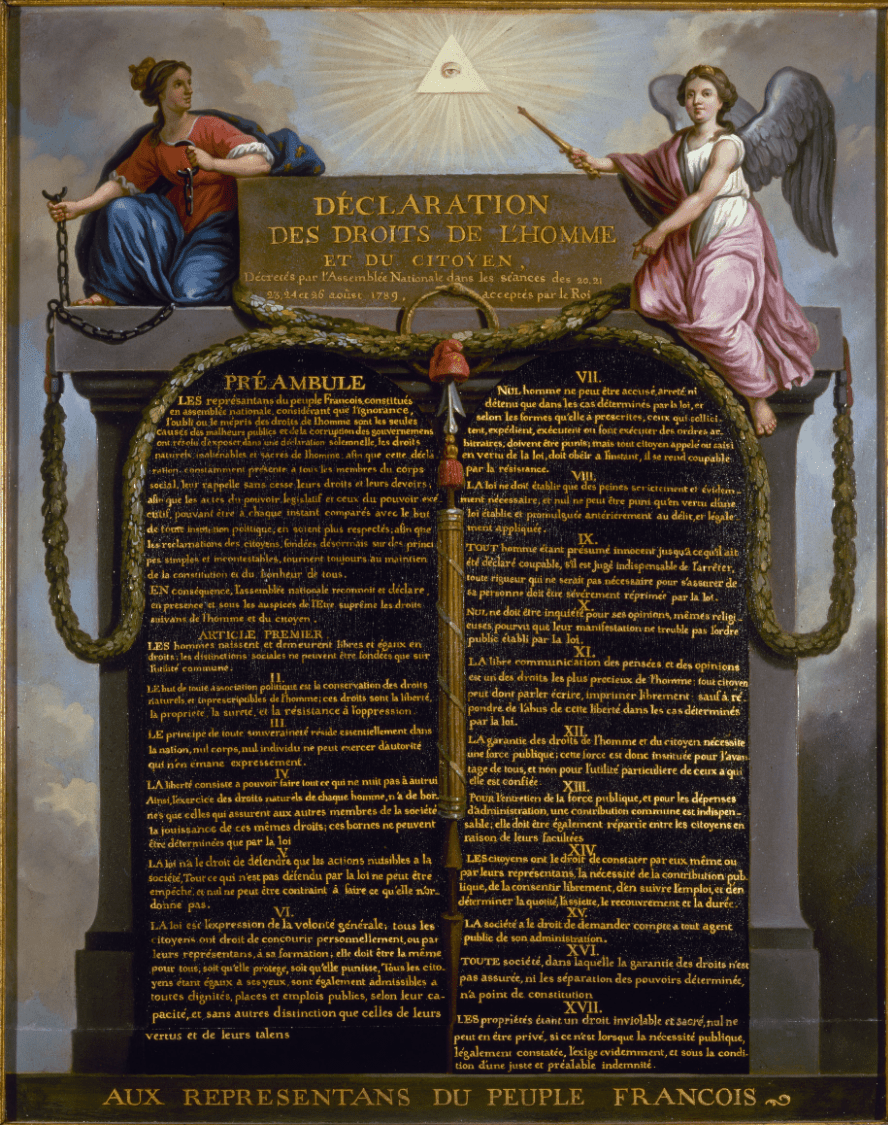
What was the Declaration of the Rights of Man and the Citizen?
300
Identify the following island chain:
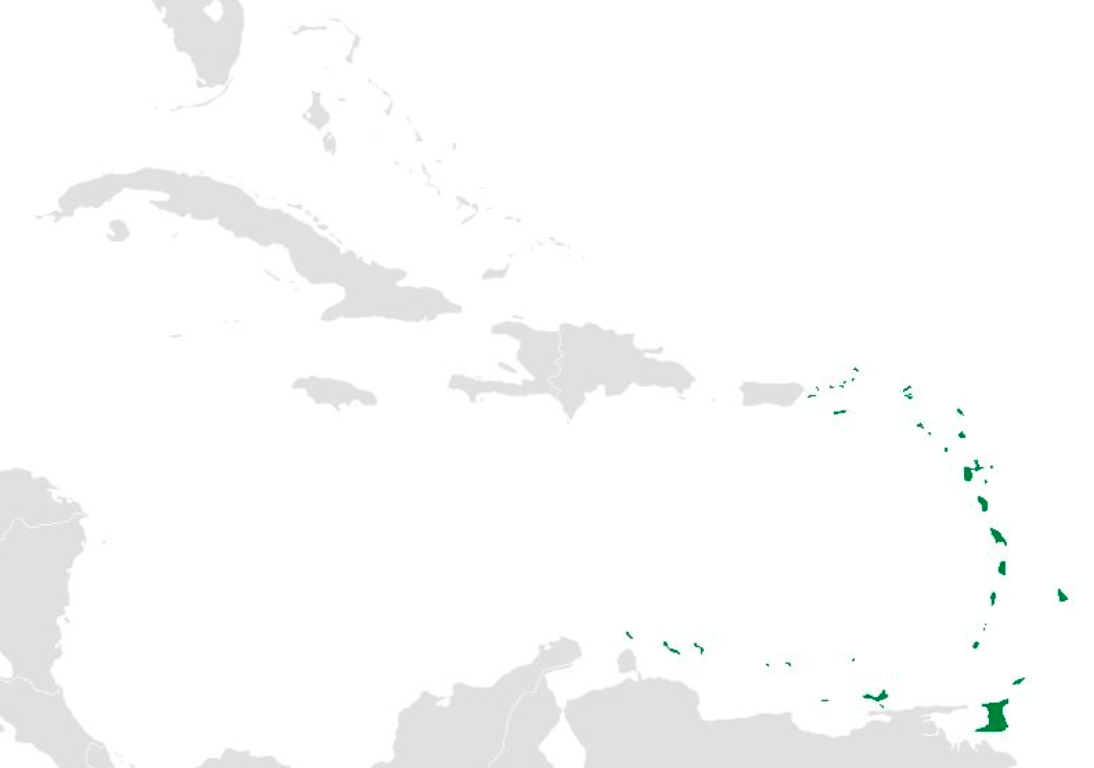
What are the Lesser Antilles?
300
Maroon and religious leader who was accused of a poisoning conspiracy in 1758 and later became a martyr-like figure of resistance.
Who was Mackandal?
300
Younger, less financially stable Frenchmen — often recent immigrants — who formed a volatile political force in Saint-Domingue.
Who were the "small whites"?
300
Vincent Ogé’s uprising was driven by this demand.
What were political rights for free men of color?
400
“Land of high mountains" in the Taíno language.
What is Ayiti?
400
Built in 1492, this fort was the first European colonial structure in the Americas.
What was La Navidad?
400
Global conflict that lasted from 1756-1763, reshaped imperial power throughout the Atlantic, and intensified tensions in Saint-Domingue.
What was the Seven Years' War?
400
The "next generation" of formerly enslaved leaders who took charge of the rebellion in the fall of 1791.
Who were Jean-François, Biassou, and Jeannot?
500
Taíno society was organized into cacicazgos led by these political rulers.
Who were the caciques?
500
A form of martial arts and folk dance that originated from African combat dances brought to the Caribbean by enslaved peoples.
What was the calenda?
500
1697 treaty under which Spain formally recognized France's control of western Hispaniola.
What was the Treaty of Ryswick?
500
Act of the French National Assembly that granted limited political rights to a small number of free POC in Saint-Domingue.
What was the May 15 Decree?