Vocab
Water
Ferris Island
Chemical Reaction
Double Jeopardy
100
Condensation means:
A. When a solid turns into a liquid
B. When a gas turns into a liquid
C. When a gas turns into a liquid
D. When a liquid turns into a solid
B. When a gas turns into a liquid
100
What is the first step in the water cycle?
A. Condensation
B. Precipitation
C. Evaporation
D. Surface Runoff
C. Evaporation
100
In this unit, what is the problem that East Ferris is facing?
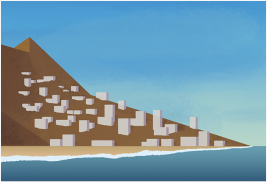
A. Heat Waves
B. Water Shortage
C. Tropical storms
D. Erosion
B. Water Shortage
100
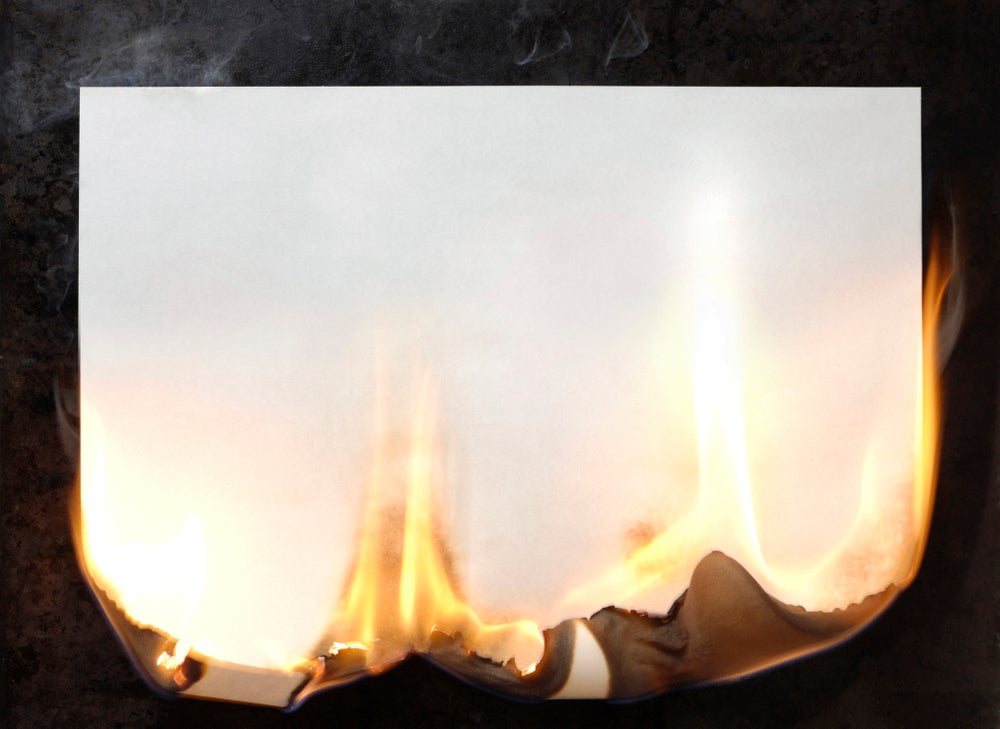
Burning is a chemical reaction:
A. True
B. False
True
200
The atmosphere is
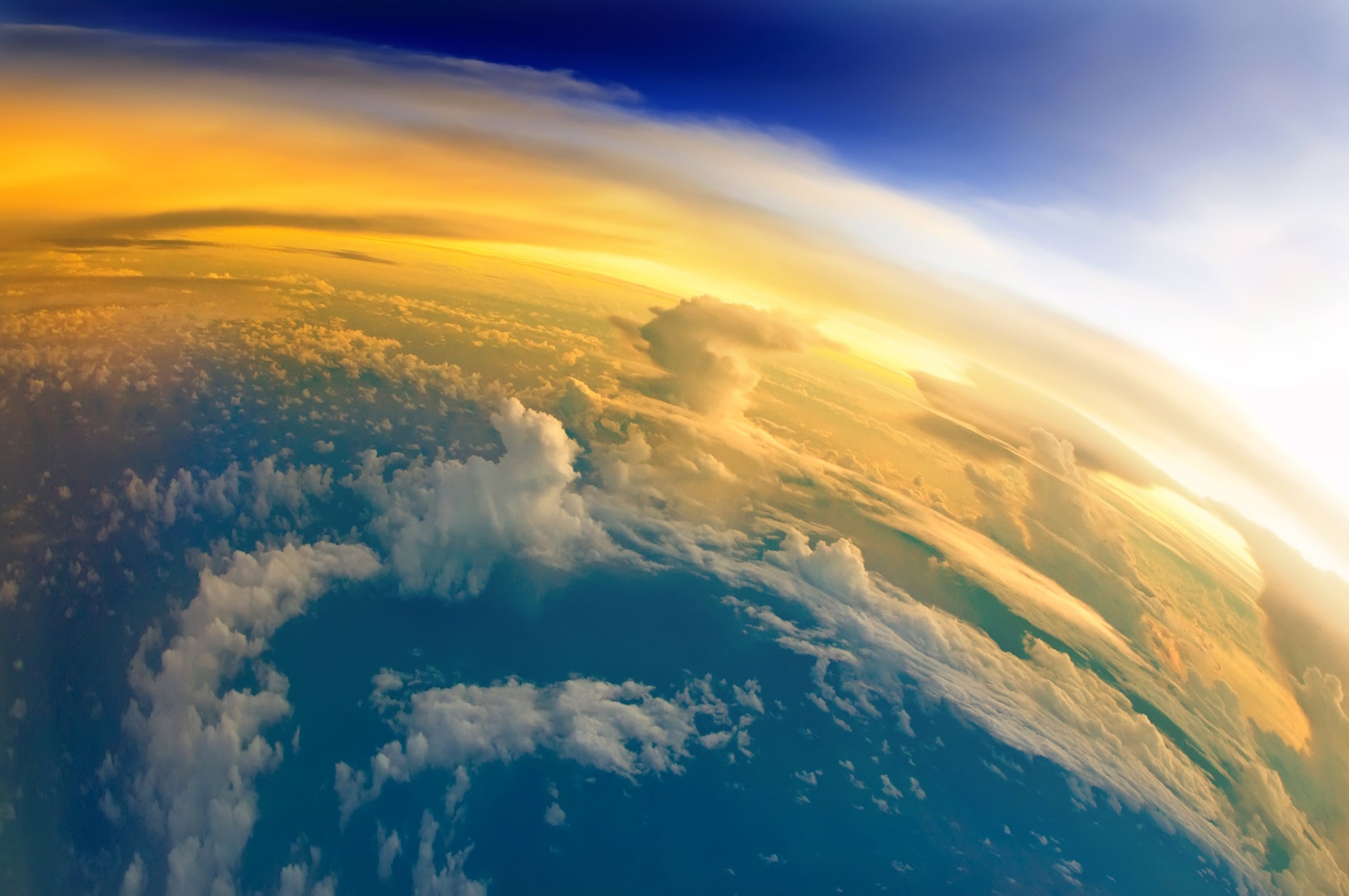
A. The air that surrounds Earth
B. All the water on Earth
C. All the living things on Earth
D. The solid part of Earth
A. The air that surrounds Earth
200
Where is the limited amount of freshwater on Earth mostly found?
A. In glaciers and groundwater
B. In rivers and lakes
C. In bottled water
D. In reservoirs
A. In glaciers and groundwater
200
What can affect the movement of water vapor in the atmosphere?
A. Wind and mountains
B. Sun and moon
C. Rain and snow
D. Plants and animals
A. Wind and mountains
200
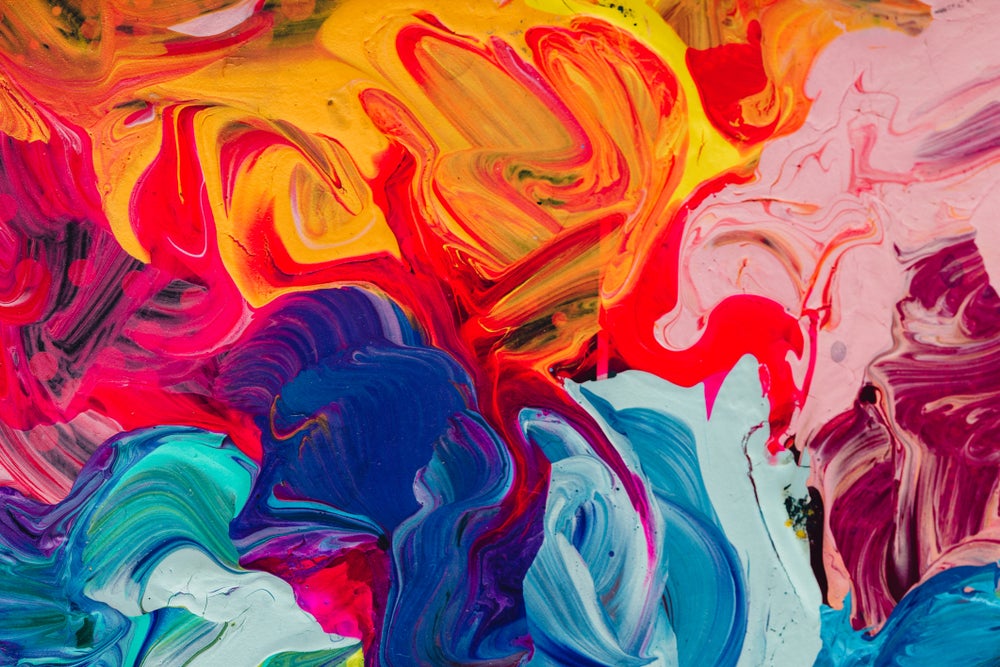
Is mixing paint colors together an example of a chemical reaction?
A. True
B. False
B. False
300
The geosphere is...
A. The air that surrounds Earth
B. All the water on Earth
C. All the living things on Earth
D. The solid part of Earth
D. The solid part of Earth
300
Almost all of Earth's water is found where?
A. As freshwater in lakes
B. In glaciers
C. As salt water in the ocean
D. In bottled water
C. As salt water in the ocean
300
Water vapor _____ as it moves _____ to where the atmosphere is _____.
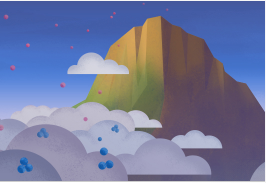
A. condenses / higher / colder
B. evaporates / lower / warmer
C. condenses / lower / warmer
D.evaporates / higher / warmer
A. condenses / higher / colder
300
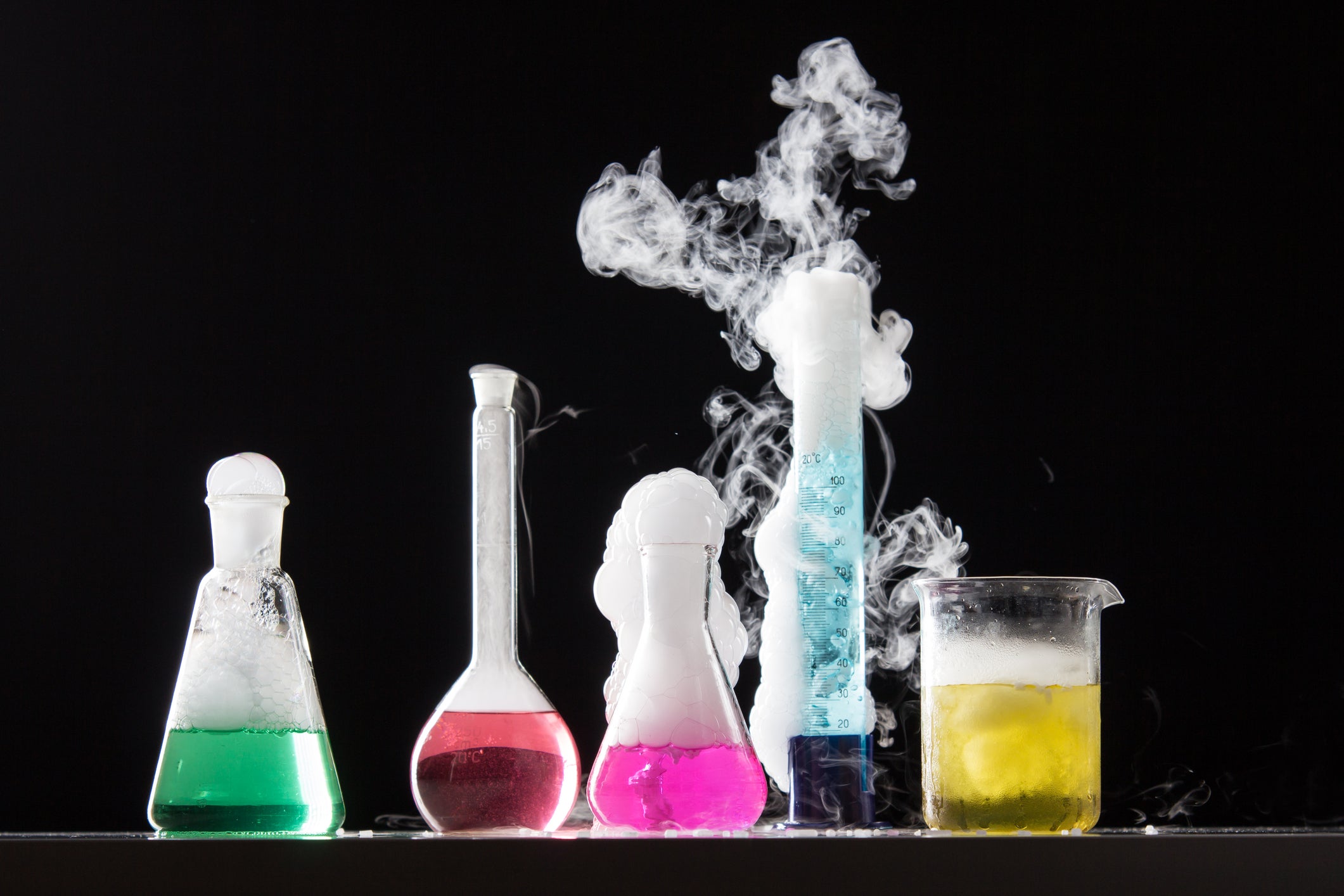
In a chemical reaction, matter is:
A. Created and destroyed
B. Created but not destroyed
C. Not created or destroyed
D. Destroyed but not created
C. Not created or destroyed
400
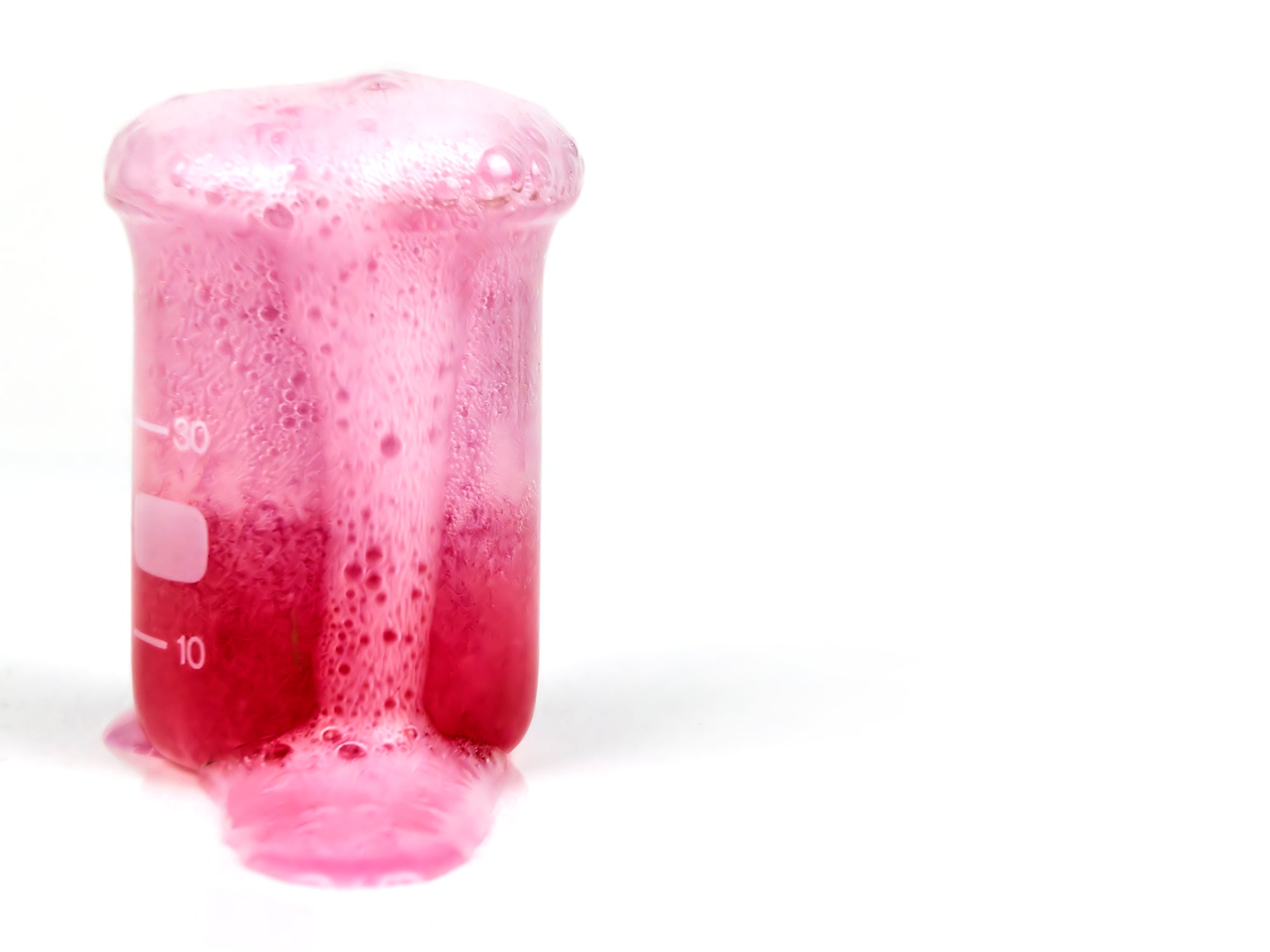
A chemical reaction is...
A. When two similar substances mix together
B. When a substance changes into something else on its own
C. When two different substances are combined
D. A process in which substances change into different substances
D. A process in which substances change into different substances
400
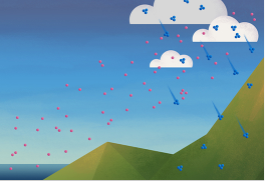
Water vapor in the air comes from:
A. Frozen water that has melted
B. Liquid water that has evaporated
C. Liquid water that has condensed
D. Liquid water that has frozen
B. Liquid water that has evaporated
400
Which area -- A or C -- will have the most groundwater? Why?
a. A, because there is more rain on that side of the mountain
b. A, because it is hotter on that side of the mountain
c. C, because there is more rain on that side of the mountain
d. C, because it is hotter on that side of the mountain
a. A, because there is more rain on that side of the mountain
400
Why does this observation show a chemical reaction has taken place?
a. It shows that the candle has changed from one state to another
b. It shows that the candle did not change state
c. It shows that a new substance was created
d. It shows that no new substances were created
c. It shows that a new substance was created
500
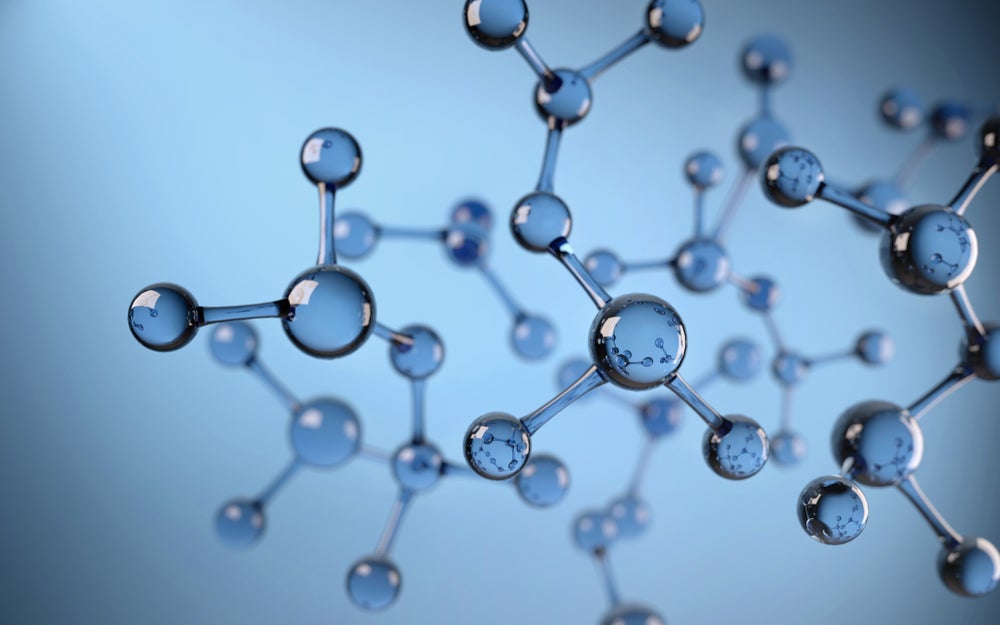
A group of atoms joined together in a particular way is:
A. an atom
B. a molecule
C. an element
D. a formula
B. a molecule
500
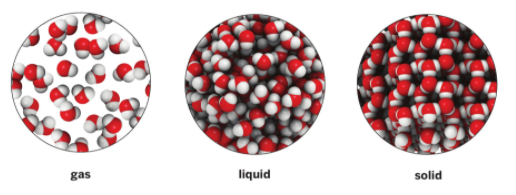
Water molecules are far apart in water vapor and closer together in liquid water.
A. True
B. False
A. True
500
There will be the most rain at point ___ because ____. (2 pts)
a. A; the air is warmer, causing the water vapor to condense
b. B; the air is colder, so the water vapor will condense
c. B; the molecules will move farther apart as they get warmer
d. C; the air has gathered more moisture from the mountains
b. B; the air is colder, so the water vapor will condense
500
Which observations shows that a chemical reaction has taken place?
a. The candle is white and made of wax and a wick.
b. The wax starts to melt.
c. Black smoke is given off; hot gases are rising.
d. Time passes one minute at a time
c. Black smoke is given off; hot gases are rising.
500
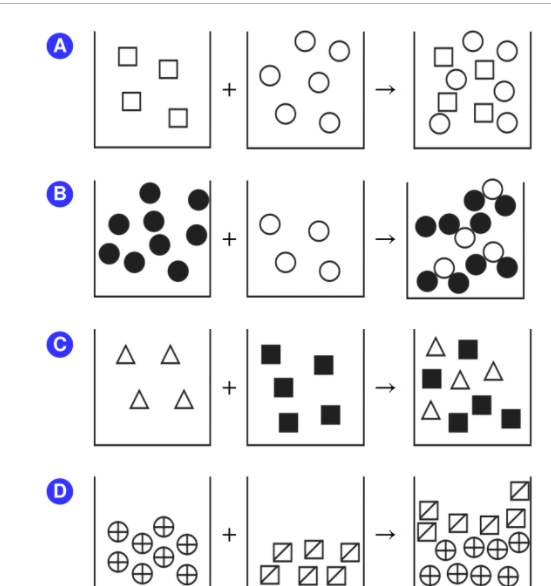
Which diagram represents a chemical reaction?
A. A
B. B
C. C
D. D
B. B