Pre-Columbian Quito🌽🏺
Spanish Conquest & Colonial Quito 📜⚔️
Modern Quito & Cultural Heritage 🕍
Traditional Legends of Quito👻
100
This indigenous group originally inhabited the area that is now known as Quito.
The Quitus
100
This year marks the Spanish foundation of the city of Quito.
1534
100
This historic area is the main reason Quito is internationally recognized and attracts millions of visitors each year.
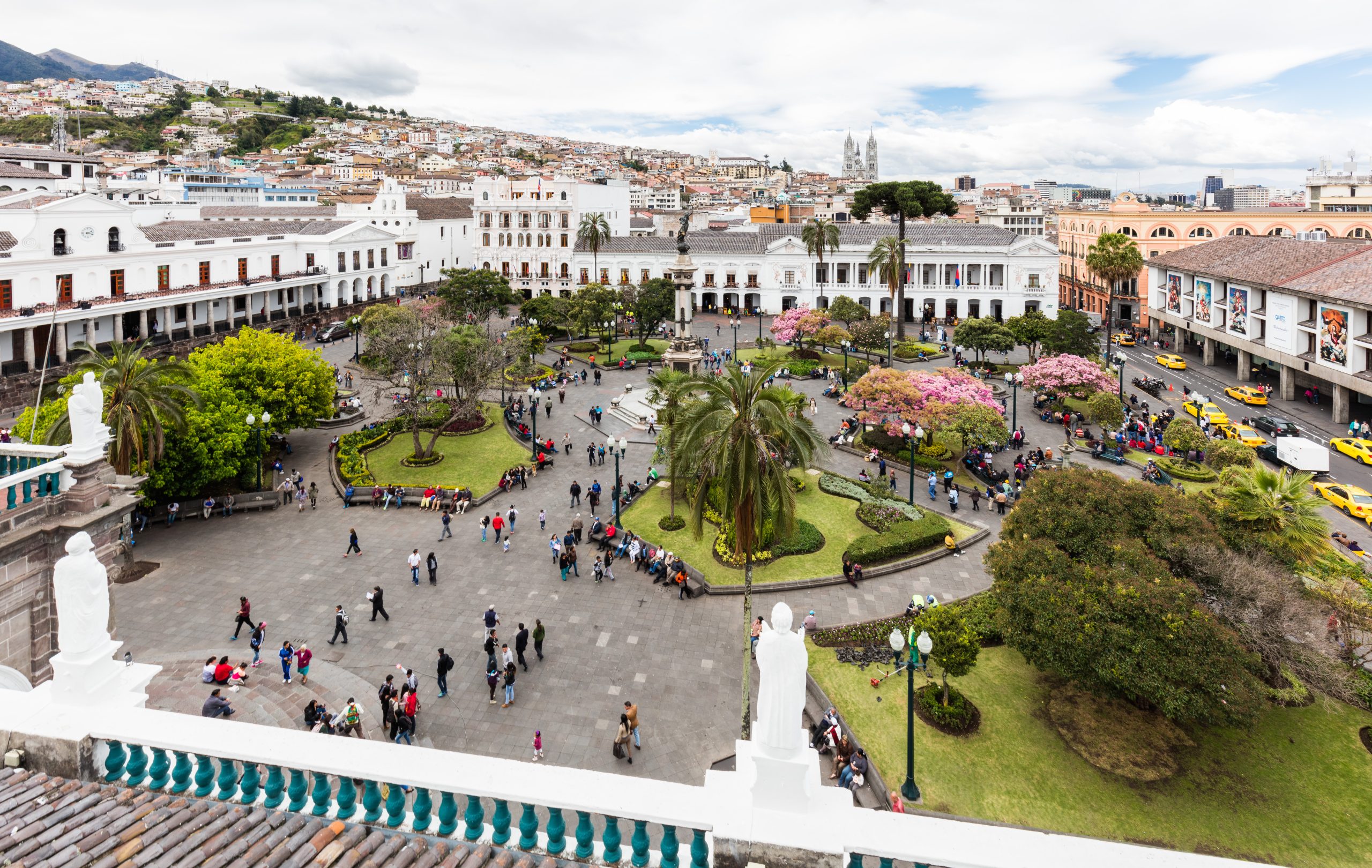
Quito’s Historic Center
100
This legendary character is said to wander through Quito’s historic streets at night, often associated with heavy chains and punishment.
El Padre Almeida
200
This Inca ruler governed the region of Quito shortly before the Spanish conquest.
Atahualpa
200
This Spanish conquistador founded the city of Quito.
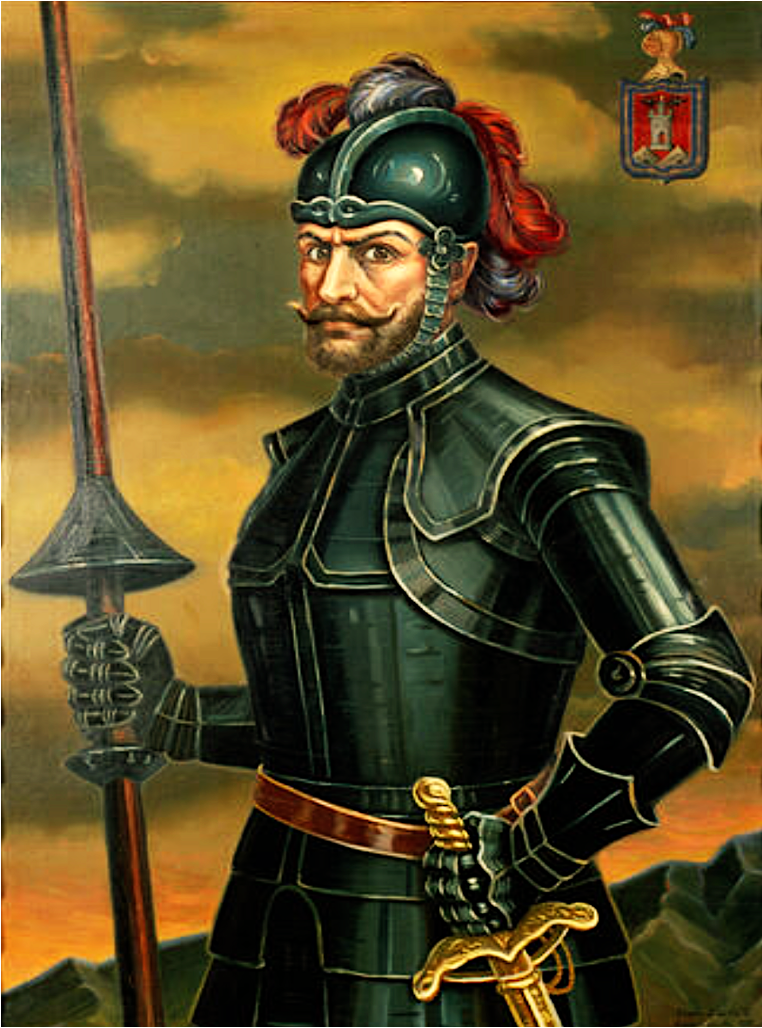
Sebastián de Benalcázar
200
This iconic neo-Gothic church is one of the most visited landmarks in Quito and offers panoramic views of the city.
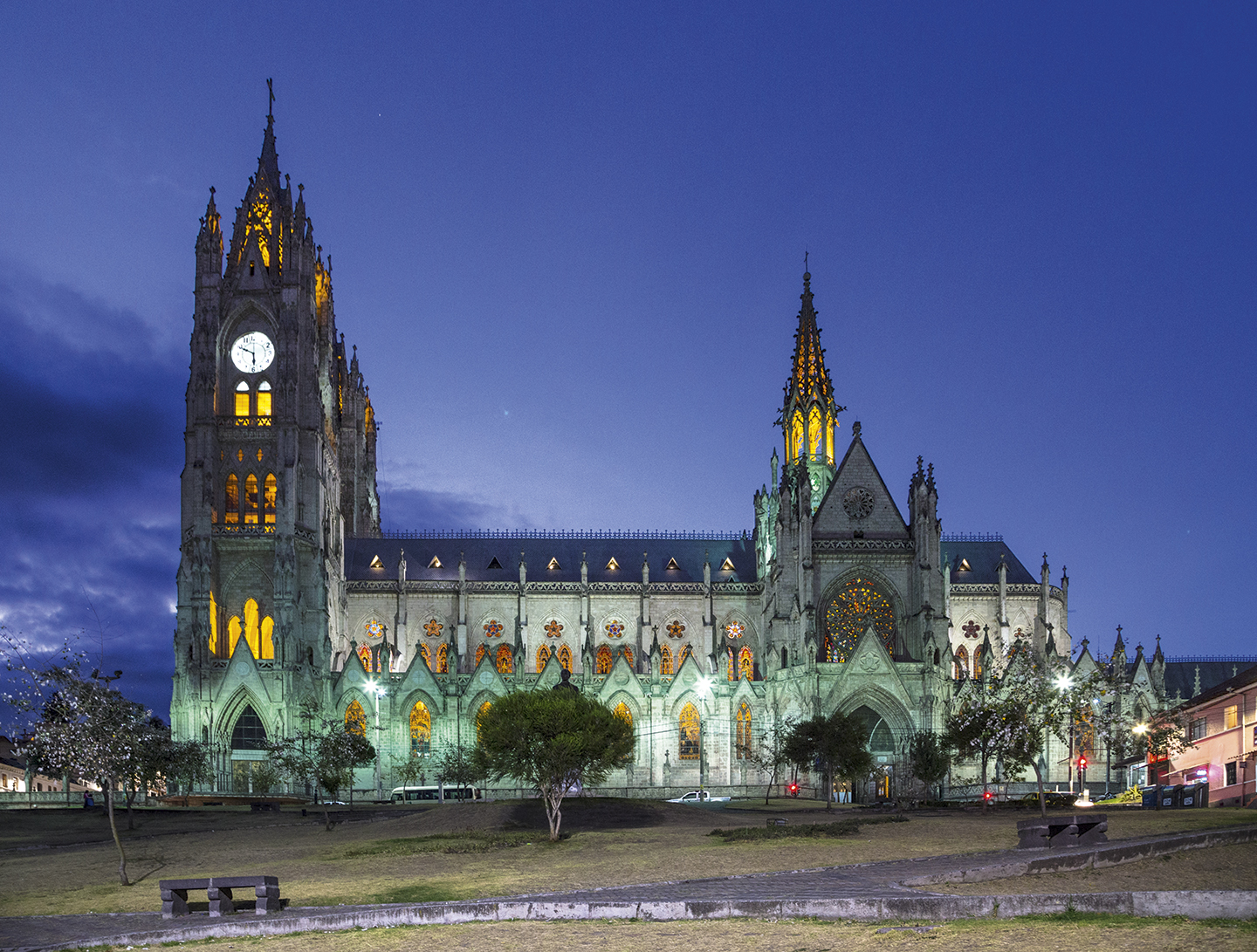
La Basílica del Voto Nacional
200
This female ghost, dressed in white, is believed to appear at night to punish unfaithful or irresponsible men.

La Dama Tapada
300
This civilization later expanded its influence and controlled Quito before the arrival of the Spanish.
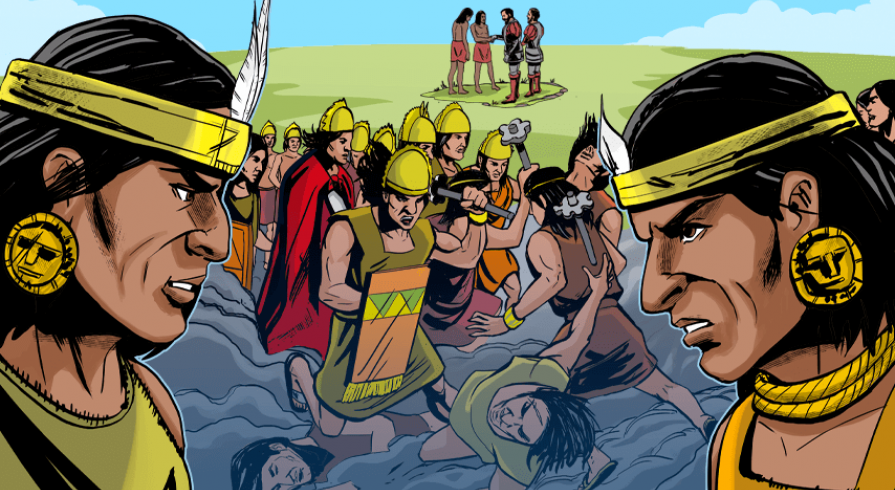
The Incas
300
This was one of the most significant social and cultural impacts of Spanish colonization in Quito.
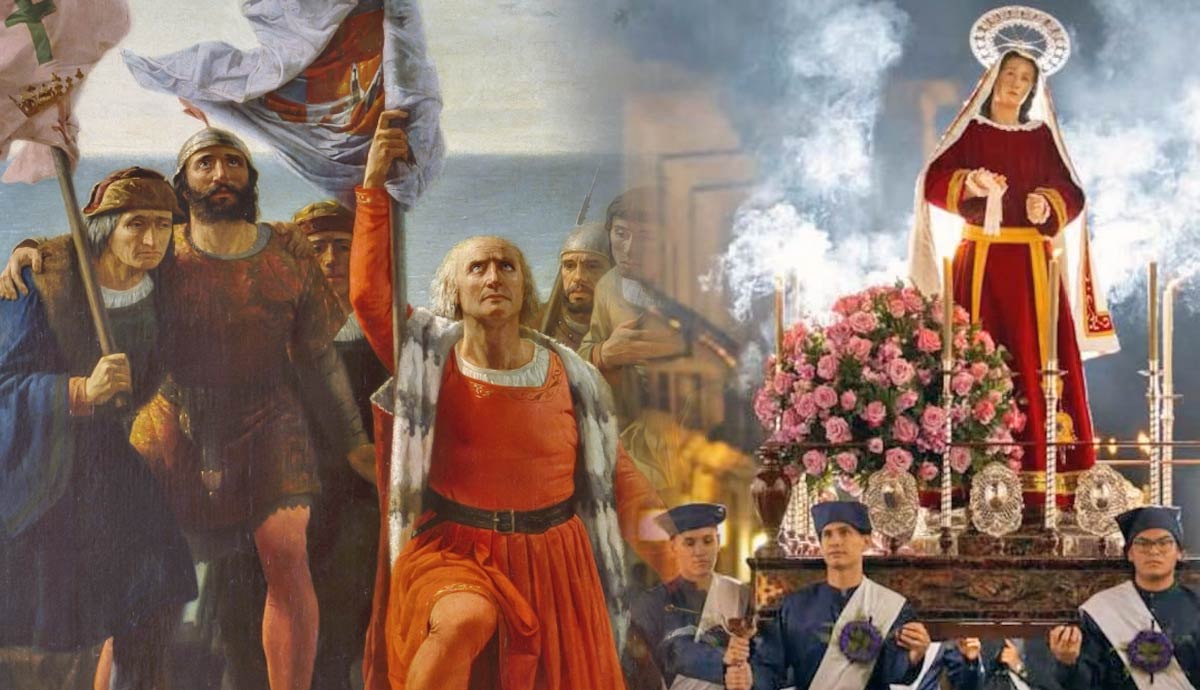
The spread of Christianity
300
This tourist site, located on a hill in Quito, is known for its glass structure and panoramic views of the city, and has become a cultural and recreational space.

El Palacio de Cristal (Itchimbía)
300
This legend symbolizes guilt and moral consequence, representing how religion influenced popular beliefs in colonial Quito.

The legend of Cantuña
400
Why was Quito important to the Incas?
It was a military and administrative center
400
This artistic movement became especially influential in colonial Quito and defined its religious art.
The Quito School of Art
400
This year marks Quito’s designation as one of the first UNESCO World Heritage Sites in the world.
1978
400
This beautiful woman from Quito’s legends represents vanity and social ambition, and is often associated with tragic consequences.

La Casa 1028