Respiratory Anatomy
Contagious Disease
Non-contagious diseases
Respiratory terminology
More respiratory Terms
100
#7 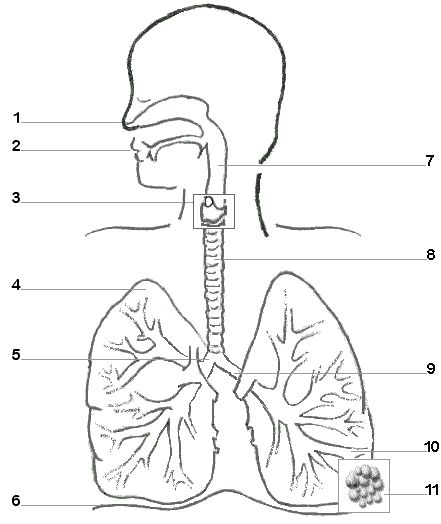
Pharynx
100
Common virus of the upper respiratory system. s/s: cough, sore throat, fever, muscle aches, chills. Vaccine is available and recommended every fall.
Influenza
100
When someone stops breathing while asleep, causing a decrease in blood oxygen levels
Sleep Apnea
100
Without breathing
Apnea
100
Deficiency of oxygen
Hypoxia
200
#4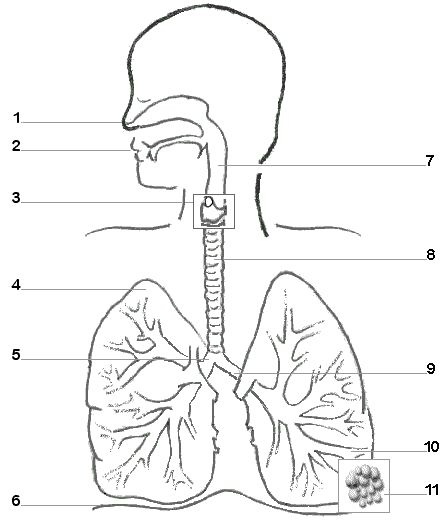
Lung
200
Infection caused by bacteria, commonly after viral illness. Causes buildup of fluid in the alveoli. DIfferent types include: Lobular, Double, and Aspiration.
Pneumonia
200
Caused by inflammatory response to a stimulus; allergen or stress. Causing wheezing due to bronchospasms
Asthma
200
Slow breathing
Bradypnea
200
Method of measuring oxygen saturation of the blood
Oximetry
300
#6
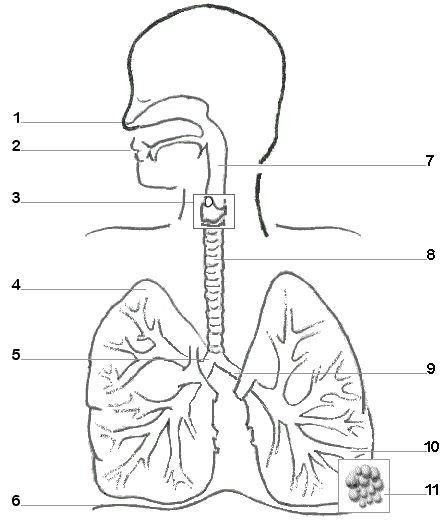
Diaphragm
300
Inflammation of the lining of the bronchial tubes. Can be acute or chronic. S/S: productive cough, fatigue, chest discomfort, and SOB
Bronchitis
300
Chronic lung disease resulting in obstruction of the airways
COPD
300
Difficulty in breathing
Dyspnea
300
Measurement of O2 and CO2 contents in the arterial blood
Arterial Blood Gas (ABG)
400
#11
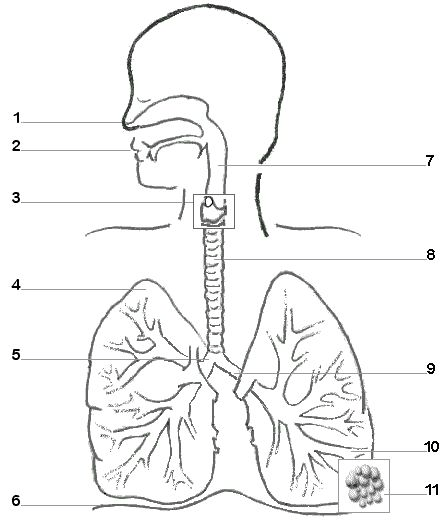
Alveoli
400
Treatment of this inflamation of the vocal cords is: Rest, limiting speaking, fluids, anti-inflammatories, and salt water gurgles
Laryngitis
400
Causes include smoking(and second hand), environmental toxins (asbestos), and radiation tx from other cancers
Lung Cancer
400
Fast breathing
Tachypnea
400
Camera exam of the trachea and bronchi
Bronchoscopy
500
#3
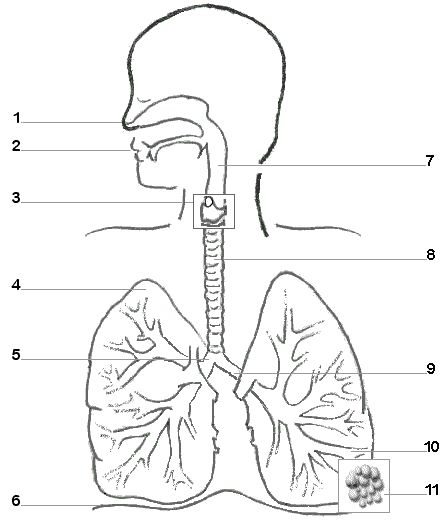
Larynx
500
Infectious Disease caused by bacteria. Leading infectious disease killer in the world. S/S fatigue, chest pain, and coughing up blood. Causes scar tissue in the lungs
Tuberculosis
500
Non-infectious, chronic respiratory condition that occurs when the walls of the alveoli, deteriorate, losing their elasticity resulting in permanent damage. S/S include barrel chest, chronic cough, cyanosis, tachypnea with prolonged expiration
Emphysema
500
Caused by stress. Rapid breathing with loss of CO2, resulting in dizziness and fainting
Hyperventilation
500
Evaluation of the air capacity of the lungs
Spirometry