Kinds of simple invertebrates
Sponges
Coelenterata
Flatworms
Nematodes
Name the animal
100
These animals get their name for their flat, worm-like shape.
What are flatworms?
100
This enters sponges through the holes in their bodies.
What is water?
100
These three animals are prey to coelenterata.
What are jellyfish, sea anemones, and corals?
100
These are the most important flatworms.
What are planaria and tapeworms?
100
These two words describe the size of a nematode.
What are thin and tiny.
100
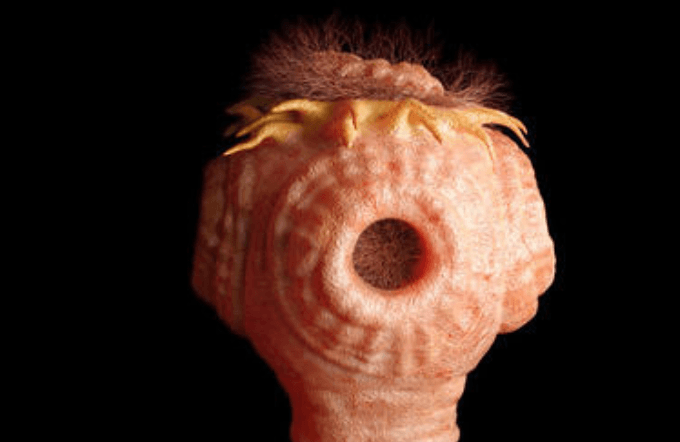
What is the head of a tapeworm?
200
These aquatic animals have tentacles surrounding an orifice.
What are coelenterata?
200
The water that enters the holes in a sponge goes into here.
What is a central cavity?
200
Coelenterata attack their prey in this way.
What is they paralyse them with an injection of an irritating fluid?
200
These parasites live and lay eggs in the intestines of animals (and people!).
What are tapeworms?
200
This is the shape of a nematode.
What is cylindrical?
200
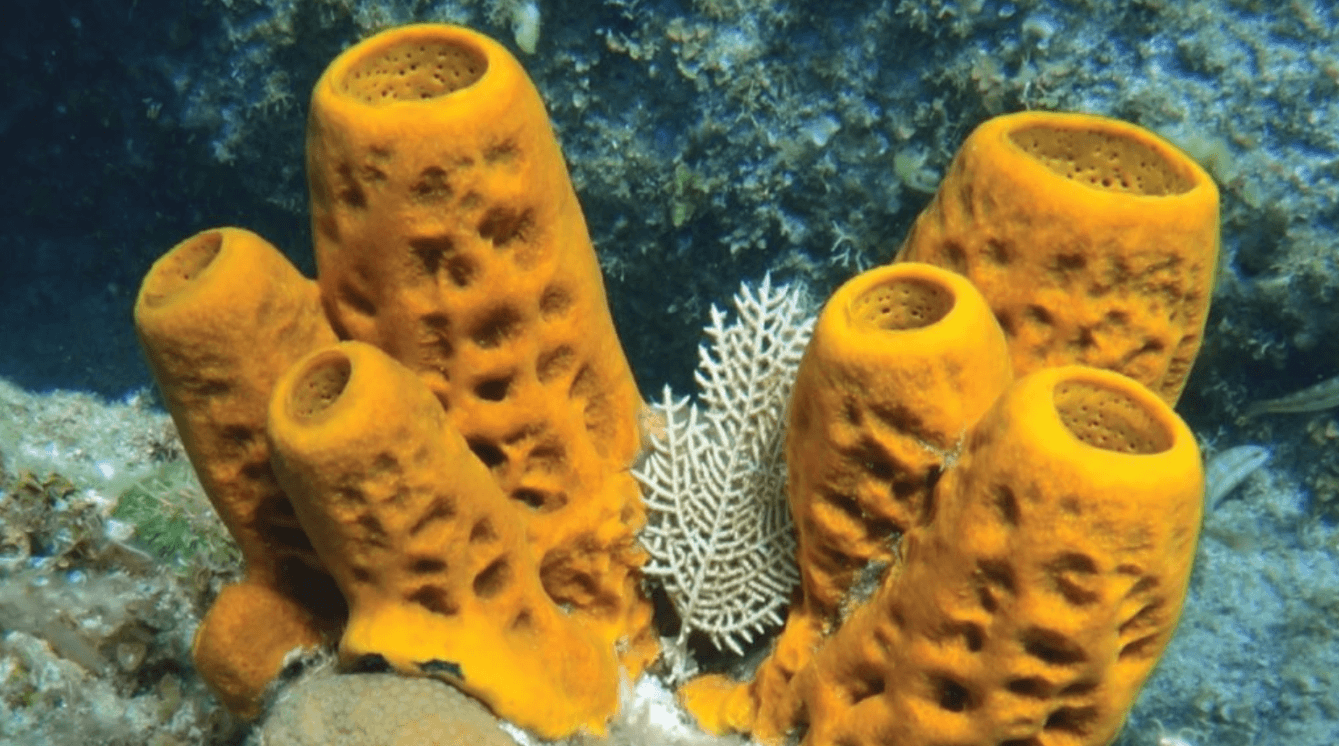
What is a sponge colony?
300
This is the technical name for aquatic animals that live attached to rocks. (They can also be used for cleaning.)
What are porifera?
300
After the water enters a sponge's central cavity, it does this.
What is leaves through a hole at the top.
300
These are the two forms coelenterata can have.
What are polyp and jellyfish?
300
This kind of flatworm lives free in aquatic environments.
What are planaria?
300
These three animals are examples of nematodes.
What are roundworms, shipworms, and anisakis?
300
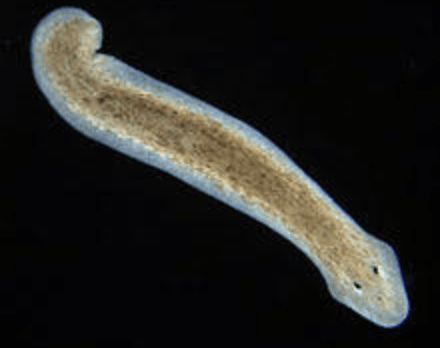
What is planaria?
400
These tiny worms have thin, cylindrical bodies.
What are nematodes.
400
This is the name of the hole at the top of a sponge. Water exits the sponge from here.
What is the osculum?
400
Jellyfish can do this, but polyps cannot.
What is swim?
400
These simple invertebrates are carnivorous.
What are planaria?
400
Many roundworms are _______, meaning they live by taking advantage of other animals.
What are parasites?
400
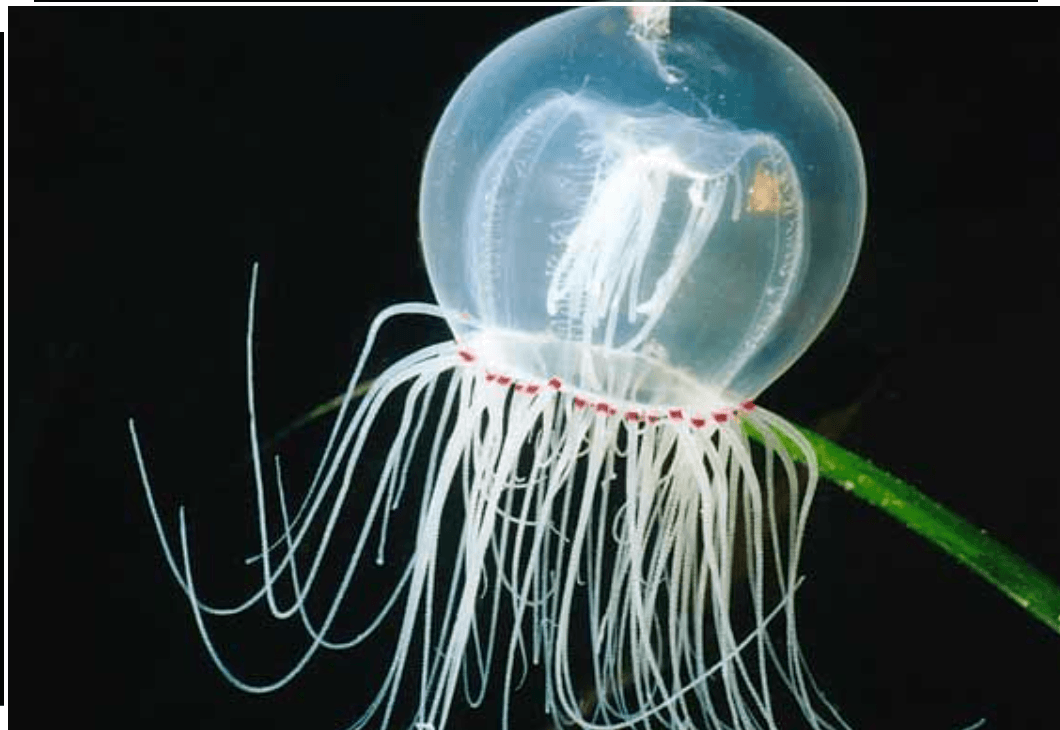
What is a coelenterata in jellyfish form?