Alloimmune
Transplant Pharmacology
Bugs After New Lungs
Transplant Trials & Guidelines
Who Gets New Lungs?
Final Jeopardy
100
A 65-year-old woman underwent bilateral lung transplantation for COPD 18 months previously CMV D+/R+. Her posttransplant course was complicated by two episodes of high-grade acute cellular rejection and one episode of CMV viremia. Her current regimen includes tacrolimus, mycophenolate mofetil, prednisone, trimethoprim-sulfamethoxazole, and valganciclovir.
She presents now for routine follow-up. She was last seen 2 months previously. She feels "OK" but a little more fatigued than at baseline. She notes dyspnea toward the end of her daily half-mile walk. She reports no fever or cough. She thinks she may have missed a dose or two of tacrolimus.
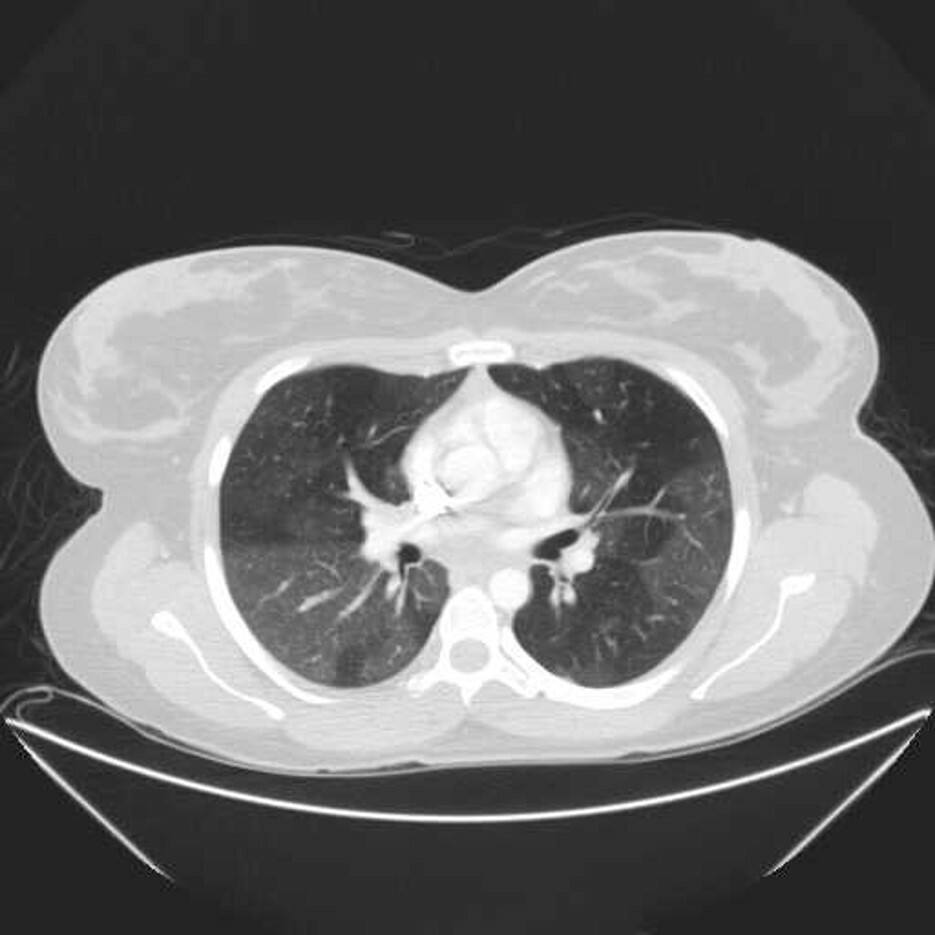
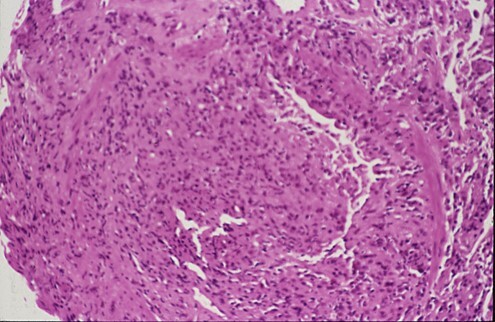
Physical examination results are unremarkable. Her laboratory test results are stable with a tacrolimus level of 4.8 ng/mL. The result of a CMV PCR is negative. Results of her PFTSs are an FEV1 of 2.2 L, FVC of 3.3 L, FEV1/FVC of 67%. At her last visit, the results were FEV1 of 2.7 L, FVC of 3.4 L, and FEV1/FVC of 79%. An expiratory chest image is shown. She undergoes bronchoscopy with transbronchial biopsy. The anastomoses are patent. The pathology result is shown. Culture results are pending.
What is the most likely diagnosis?
CLAD- BOS
Chronic lung allograft dysfunction (CLAD) after lung transplant (LT) remains a major cause of morbidity and mortality. It is a limiting factor in long-term LT survival and is the leading single cause of death after the first posttransplant year. There are two described CLAD phenotypes: bronchiolitis obliterans syndrome (BOS), which is the most common and what this patient has (choice D is correct), and restrictive allograft syndrome (RAS), constituting 18% to 30% of CLAD. CLAD-BOS develops in up to 50% of patients by 5 years after LT; by 10 years, close to 75% of patients have CLAD. CLAD-BOS is thought to be the sine qua non of chronic rejection in LT.
CLAD typically develops more than 3 months after LT and is defined as a persistent decline (≥20%) in FEV1 when compared with the posttransplant baseline, which persists after 3 months without improvement. Clinically, patients present with nonspecific findings with dyspnea on exertion and nonproductive cough, often similar to an upper respiratory tract infection and/or a symptomatic or asymptomatic decline in spirometric results. Early on, physical examination results are typically normal, but in more advanced stages, the examination may show decreased breath sounds in BOS and crackles in RAS. CLAD-BOS manifests with pulmonary function test results showing worsening obstructive lung disease.
100
A recipient taking tacrolimus begins voriconazole for invasive aspergillosis. Four days later, creatinine rises and the patient develops marked tremor and confusion. What pharmacokinetic interaction explains the toxicity?
Answer: Voriconazole inhibits CYP3A4, markedly increasing tacrolimus exposure.
Teaching point: Tacrolimus dose often requires a major preemptive reduction when an azole is started, followed by frequent trough monitoring. Stopping the azole can then cause subtherapeutic tacrolimus levels.
100
Four months after transplantation, valganciclovir is stopped because of leukopenia. Six weeks later, the patient develops fever, malaise, cytopenias, and rising plasma CMV DNA. What donor–recipient combination creates the greatest risk of CMV infection?
CMV donor-positive/recipient-negative, or D+/R−.
Teaching point: D+/R− recipients are at the greatest risk of primary CMV infection, tissue-invasive disease, indirect allograft injury, and late-onset CMV after prophylaxis ends.
100
This 2015 azithromycin randomized controlled trial (Coris et al) demonstrated that a subset of patients with this alloimmune complication experience meaningful improvement in FEV₁ and FVC, although not every patient responds.
CLAD- BOS - azithromycin responsive subset
The 2015 randomized trial found that azithromycin improved spirometry in a subset of patients with BOS. This helped establish the concept of azithromycin-responsive allograft dysfunction.
100
A 40-year-old man with a stable FEV1 of 38% predicted with no recent exacerbations, BMI of 23 kg/m2, CF-related pancreatic insufficiency and diabetes, a 6-min walk test of 2,000 ft (600 m) without desaturation, PaCO2 of 42 mm Hg on venous blood gas, and pulmonary artery systolic pressure of 24 mm Hg. List for transplant?
No- Too early for LT on the basis of a relatively preserved FEV1, lack of marked hypoxemia and hypercapnia, acceptable walk distance, and no marked elevation in pulmonary artery pressures
100
A Lung transplant patient with latent TB is being started on a standard 4 Month LTBI regimen, what, if anything, should be done to their tacrolimus dose?
1. No changes
2. Increase dose
3. Decrease dose
Increase dose
Standard 4 Month regimen for LTBI is daily Rifampin which is a potent inducer of CYP3A, that rapidly increases the clearance of tacrolimus
200
Four years after transplantation for IPF, a recipient develops rapidly progressive dyspnea and declining spirometry. FEV₁ has fallen 35% from baseline, TLC has fallen 18%, and CT demonstrates persistent upper-lobe-predominant pleural thickening and fibrotic opacities. Reversible causes have been excluded.
What is the most likely diagnosis?
Restrictive allograft syndrome, or RAS.
Teaching point: RAS requires CLAD, a restrictive physiologic pattern—typically a TLC decline of at least 10%—and persistent pleuroparenchymal opacities. Prognosis is generally worse than with BOS.
200
A 54-year-old bilateral lung-transplant recipient is discharged on tacrolimus, mycophenolate mofetil, and prednisone. The fellow is asked to identify the role of each medication in the standard maintenance regimen. What three drug classes are represented?
Answer: A calcineurin inhibitor, an antimetabolite, and a corticosteroid.
Teaching point: Most lung recipients receive triple maintenance immunosuppression, although doses and agents are adjusted for rejection, infection, renal dysfunction, cytopenia's, and malignancy.
200
Five months after transplantation, a recipient not taking prophylaxis because of medication intolerance develops progressive dyspnea, diffuse bilateral ground-glass opacities, and severe exertional hypoxemia. Serum β-D-glucan is elevated, but LDH is nonspecific. What organism should be presumed until excluded?
Pneumocystis jirovecii
Teaching point: PJP can produce severe hypoxemia with relatively modest examination findings. Most centers use prolonged or lifelong TMP-SMX prophylaxis after lung transplantation.
200
What was the principal result of the Scandinavian RCT (ScanCLAD) that evaluated two calcineurin inhibitors head to head?
Answer: Reduction in BOS with Tacrolimus - establishing it as the preferred calcineurin inhibitor after lung transplantation.
Teaching point: CLAD Incidence: Occurred in 13% of patients (16 patients) in the tacrolimus group compared to 39% of patients (48 patients) in the cyclosporine group at 36 months.
- Survival: Allograft survival was significantly higher in the tacrolimus arm.
- Renal Function: Early renal function tests at 3 months showed a decline in both groups with no significant difference between the two medications
200
A 22-year-old woman with FEV1 of 34% predicted, BMI of 19.5 kg/m2, infection with Pseudomonas, and a history of massive hemoptysis requiring bronchial artery embolization 6 months ago and a pneumothorax 1 month ago.
Yes
The CFF recommends LT evaluation, regardless of specific FEV1, when there are markers of shortened survival, including 6-min walk test distance <1,333.33 ft (<400 m), hypoxemia (at rest or exertion), hypercapnia, or pulmonary hypertension. The recommendations are that these parameters should be assessed annually when FEV1 is <40% predicted.
For adults 18 years of age and older with CF, the CFF recommends LT referral no later than when:
-FEV1 is <50% predicted and rapidly declining (defined as >20% decline within 12 months);
-FEV1 is <40% predicted, with markers of shortened survival (as described above); or
-FEV1 is <30% predicted.
The CFF recommends LT referral for the following:
-Adults with CF with a BMI <18 and FEV1 <40% predicted while concurrently working to improve nutritional status
-Individuals with FEV1 <40% predicted and more than two exacerbations per year requiring IV antibiotics or one exacerbation requiring positive pressure ventilation, regardless of FEV1
-Individuals with FEV1 <40% predicted and massive hemoptysis (>240 mL) requiring ICU admission or bronchial artery embolization (our patient)
-Individuals with FEV1 <40% predicted and pneumothorax (our patient)
The CFF recommends special consideration for LT referral even when other thresholds have not been met in the following groups:
-Women with CF, especially those who are younger
300
Nine months after transplantation, a patient develops a progressive decline in FEV₁, new hypoxemia, and diffuse pulmonary opacities. BAL cultures are negative. Testing reveals a new donor-specific anti-HLA-DQ antibody. Biopsy demonstrates acute lung injury with capillaritis, and C4d staining is positive. What immune complication best explains this presentation?
Antibody-mediated rejection, or AMR.
Teaching point: Pulmonary AMR is supported by allograft dysfunction, donor-specific antibodies, compatible histopathology, and complement deposition. C4d strengthens the diagnosis but may be absent in genuine AMR.
300
A recipient has persistent leukopenia and diarrhea while taking mycophenolate mofetil, valganciclovir, and TMP-SMX. CMV PCR is negative. Which of his maintenance immunosuppressants is particularly associated with gastrointestinal toxicity and bone-marrow suppression?
Answer: Mycophenolate mofetil.
Teaching point: Mycophenolate inhibits inosine monophosphate dehydrogenase, impairing de novo purine synthesis in lymphocytes. Dose reduction may improve toxicity but can increase rejection risk.
300
A 35-year-old patient has undergone an allogeneic stem cell transplant (SCT) for acute myeloblastic leukemia. The patient remains an inpatient, and on day 25 after SCT, they develop fever to 39.5 °C, cough, and scant hemoptysis. .
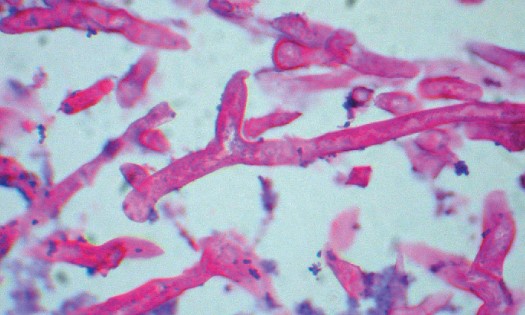
The WBC count is 900/µL with an ANC of 100/µL . Blood culture results are negative to date, and 1,3-β-D-glucan (BDG) and galactomannan results are negative. Bronchoalveolar lavage (BAL) is performed with the results shown. Gram stain and acid-fast bacterium stain results are negative.
What is the most likely diagnosis?
Mucor
Although Aspergillus is one of the most common infections after SCT in patients with neutropenia and causes 90% of pulmonary fungal infections early after SCT, Mucor (which accounts for 5% to 10% of pulmonary fungal infections) and, less frequently, Fusarium species, Scedosporium species, and others may develop.
300
This IPF medications was tested in recipients with established progressive CLAD. Both a single-center randomized trial and the European EPOS trial failed to demonstrate meaningful preservation of lung function compared with placebo or standard care. Name the medication.
Answer: Pirfenidone - should not be routinely used to treat BOS or established CLAD outside selected investigational circumstances.
Teaching point: Biological plausibility and success in native-lung fibrosis do not establish efficacy in CLAD. Randomized data have not demonstrated a convincing benefit.
300
A 35-year-old woman with FEV1 of 28% predicted, BMI of 22 kg/m2, resting hypoxemia, hypercapnia, and infection with Pseudomonas and recently Burkholderia cenocepacia. List for transplant?
Probably No
Meets FEV1 criteria for LT but is colonized with Burkholderia cenocepacia (genomovar III), which at many, but not all, LT centers is a relative contraindication to LT on the basis of data suggesting poor outcomes following transplantation
400
61 yo M is seen 4 months b/l LT for IPF. CMV mismatch (donor positive–recipient negative). His surgical procedure was complicated by grade 3 primary graft dysfunction requiring a prolonged ICU stay, but he recovered. His 30-day transbronchial biopsy was normal. Now he notes increased shortness of breath, low-grade fevers, and a dry cough for the past 4 days. His medications include tacrolimus, mycophenolate mofetil, prednisone, valganciclovir, and trimethoprim-sulfamethoxazole. He had been on voriconazole but self-discontinued this 1 week prior when he ran out of medication. Physical examination is notable for a temperature of 38.8°C, pulse of 90/min, respiration rate of 18/min, and room air saturations of 91%. Lung examination reveals scattered crackles.
Labs are notable for a WBC count of 13,000/µL. He had accidentally taken his tacrolimus prior to the lab draw, and the level was 8 ng/mL (therapeutic range, 10-12 ng/mL). Donor-specific antibodies and CMV polymerase chain reaction are negative. A chest radiograph shows mild perihilar infiltrates, and pulmonary function tests show a 12% decrease in FEV1 from his prior value 2 weeks ago.
He undergoes transbronchial biopsy with the pathology shown. Acid-fast bacilli, potassium hydroxide, and Grocott methenamine silver stains are negative, and sterile brush shows <10,000 colonies of usual respiratory flora. What is the most likely diagnosis in this patient?
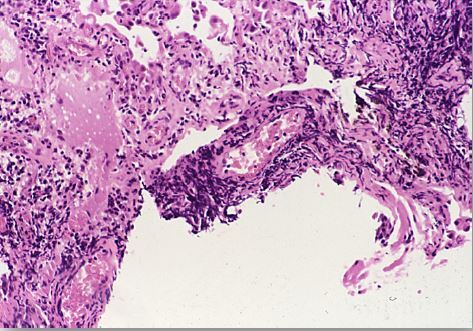
Acute cellular rejection (ACR)
Confirmed histologically by the lymphocytic infiltrates surrounding the small pulmonary vessel
ACR can develop in up to 50% to 90% of patients within the first months to year after transplant and can also develop later, although less frequently. It is a T-cell mediated process directed against donor antigens, including human leukocyte antigen. ACR is characterized by a decrease in FEV1 (usually >10%), perihilar infiltrates and/or pleural effusions (at least early after LT, but imaging may be unchanged when ACR develops later), decreased saturation on oximetry, and the presence of a lymphocytic vasculitis on transbronchial biopsy. Clinically, the presentation is nonspecific, but patients may present with fever, shortness of breath, and/or dry cough. In this case, it is likely that a subtherapeutic tacrolimus level due to discontinuation of the azole agent, a strong CYP3A4 enzyme inhibitor, resulted in this ACR episode
400
A recipient develops tremor, headache, hypertension, hyperkalemia, hypomagnesemia, and a rising creatinine. Tacrolimus trough concentration is well above target. What mechanism accounts for the acute renal dysfunction?
Answer: Calcineurin-inhibitor-induced renal arteriolar vasoconstriction.
Teaching point: Tacrolimus can produce acute functional nephrotoxicity and chronic structural kidney injury. Other toxicities include neurotoxicity, hypertension, diabetes, hyperkalemia, and thrombotic microangiopathy.
400
Six weeks after transplantation, bronchoscopy is performed for cough and declining FEV₁. The bronchial anastomosis is covered with yellow-white plaques and pseudomembranes with focal ulceration and necrosis. BAL galactomannan is elevated, but CT shows little parenchymal disease. What is the most likely diagnosis?
Aspergillus tracheobronchitis.
Teaching point: Airway ischemia predisposes lung-transplant recipients to invasive fungal infection centered on the bronchial anastomosis. Parenchymal nodules or cavitation may be absent.
400
The 2021 ISHLT recipient selection guideline recommends shifting emphasis away from chronologic age toward this assessment when evaluating transplant candidates.
Frailty
The ISHLT does not recommend one single definitive frailty score. Instead, it highlights that no single tool is superior in all clinical situations, and the choice depends on the specific organ, setting, and available data.
Prominent Assessment Tools
Modified Fried Frailty Phenotype (FFP)
The Frailty Index (FI)
Clinical Frailty Scale (CFS)
Short Physical Performance Battery (SPPB)6-Minute Walk Test (6-MWT)
Since the 2021 guideline though :
The Lung Transplant Frailty Scale (LT-FS) is a disease-specific physical frailty measure designed specifically for advanced lung disease and lung transplantation candidates.
The Three LT-FS Tiers
The scale offers three escalating levels of diagnostic complexity:
LT-FS-Base: Uses readily available clinical metrics including gait speed, balance, grip strength, gender, height, weight, and serum C-reactive protein (CRP). Recent variations also utilize serum albumin.LT-FS-Body Composition: Incorporates all Base variables plus dedicated measures of muscle mass.
LT-FS-Biomarker: Adds advanced, research-grade molecular biomarkers related to aging and inflammation.
Clinical Utility and Predictive Power
Waitlist Survival: The LT-FS demonstrates superior predictive validity for predicting waitlist delisting or death.
Post-Transplant Mortality: LT-FS strongly associates with mortality after the lung transplant occurs.
Stratification: It classifies candidates cleanly into robust, pre-frail, and frail categories
400
A 63-year-old with COPD is already followed by a transplant center. Despite pulmonary rehabilitation and optimal therapy, his BODE score has increased to 8. He has chronic hypercapnia and has required three hospitalizations in the past year. List for transplant?
Yes-
Listing for lung transplantation.
Teaching point: A BODE score of 7–10, severe exacerbations, acute hypercapnic respiratory failure, or severe pulmonary hypertension supports listing.
500
69-year-old man s/p LT 12 months ago for ILD. His donor was CMV+, and he was negative. Aspergillus on a surveillance bronchoscopy 3 months ago for which he is on posaconazole with a therapeutic level.
He does not quite feel well. +weight loss, + night sweats , +low-grade fevers. He reports no cough or hemoptysis. Medications include tacrolimus, mycophenolate mofetil, prednisone, valganciclovir, trimethoprim-sulfamethoxazole, and posaconazole.
PFTs reveal a drop in FEV1 of 9%. CMV PCR is negative. Tacrolimus level is 11 ng/mL (therapeutic). He undergoes transbronchial biopsy with the findings shown. CT is also shown.
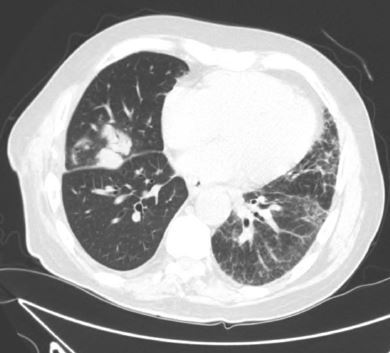
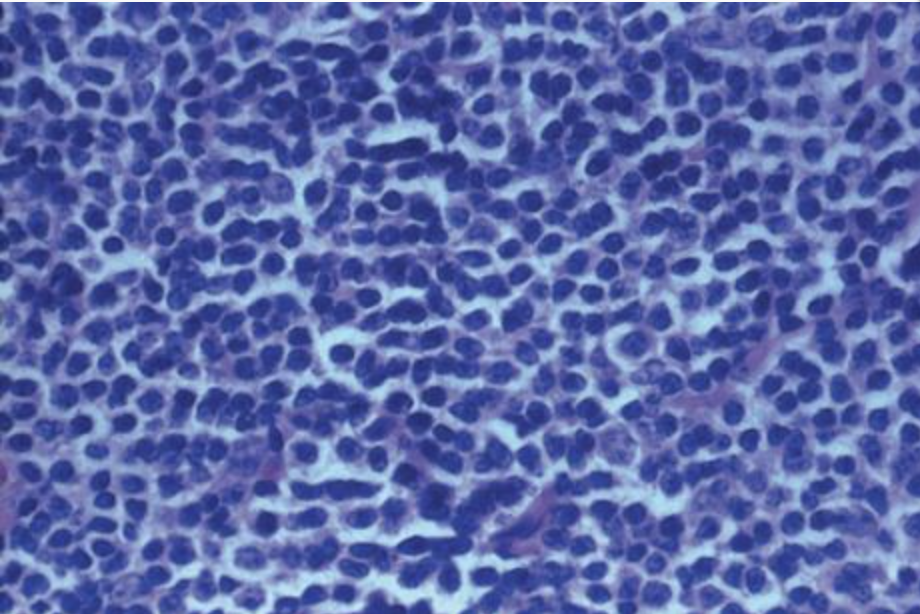
What is the most likely diagnosis?
Posttransplant lymphoproliferative disorder (PTLD)
PTLDs can develop in recipients of solid organ or hematopoietic cell transplants. Malignancy is common following LT (20% at 5 years) and may be more common in LT recipients than in some other solid organ transplant recipients, perhaps because of higher levels of immunosuppression. After nonmelanoma skin cancer, PTLD is the most common malignancy in recipients of solid organ transplants. The incidence of PTLD, specifically, may be higher in LT than other solid organ transplant groups (incidence of 1%-8%), also likely because of higher levels of immunosuppression.
PTLDs are generally morphologically and clonally heterogeneous groups of B-cell proliferations related to Epstein-Barr virus (EBV) infection. Most PTLDs are EBV-positive B-cell proliferations of the non-Hodgkin variety. They range from polyclonal lymphocytic proliferations to polyclonal or monoclonal polymorphic B-cell proliferations to monoclonal B-cell or T-cell malignant lymphoma. They are composed of lymphocytic or plasma cell proliferations related to immunosuppression. The EBV-infected cells can be of recipient or donor origin. In LT recipients, they usually arise from the recipient cells.
500
This IL-2 receptor antagonist is the most commonly used induction agent in lung transplantation.
Answer: What is basiliximab?
500
A recipient develops cough and declining FEV₁ three months after transplantation. Nasopharyngeal PCR is positive for respiratory syncytial virus. CT demonstrates patchy ground-glass and tree-in-bud opacities. Why is this infection especially concerning beyond the immediate viral pneumonia?
Respiratory viral infection is associated with acute allograft dysfunction and an increased risk of subsequent CLAD.
Teaching point: Community respiratory viruses may promote alloimmune injury. Treatment of RSV varies among centers and may include inhaled, oral, or intravenous ribavirin in selected patients.
500
Standard donor lungs were randomized to conventional cold static storage or portable normothermic preservation with ventilation and perfusion. The portable system met noninferiority criteria and reduced severe PGD within 72 hours, although the primary composite effectiveness endpoint did not clearly establish overall superiority. Name the trial.
Answer: The INSPIRE trial.
Teaching point: INSPIRE evaluated the Organ Care System Lung. It supported the safety of portable normothermic preservation and showed a reduction in early PGD grade 3.
500
An 18-year-old man with FEV1 of 22% predicted, BMI of 21 kg/m2, resting hypoxemia, hypercapnia, a pulmonary artery systolic pressure of 48 mm Hg, and CF-related Child-Pugh class C cirrhosis. List?
Probably No - meets FEV1 criteria for referral but has multisystem, extrapulmonic, advanced chronic disease and would require a combined lung and liver transplantation, which is performed at some centers, but not commonly