Vocabulary
Heat Transfer
Molecular Movement
Analyzing Heat Transfer
Insulator vs Conductors
100
The total amount of kinetic energy in a substance
Thermal Energy
100
When you touch a hot stove and burn your hand, describe the heat transfer.
Heat transfers from the stove to your hand.
100
True or False: All molecules are always moving.
True
100
Heat transfer is really neat, it always goes from...
HOT TO COLD
100
Give one example of an insulator and one example of a conductor.
Insulator: felt, air, cotton, Styrofoam
Conductor: Metals including aluminum, gold, iron, and steel
200
The average of the kinetic energy of a substance
Temperature
200
What happens to the molecules of an object as the object is warmed up?
The molecules move faster and have more kinetic energy.
200
Which of these images represents the molecules of a gas? Explain.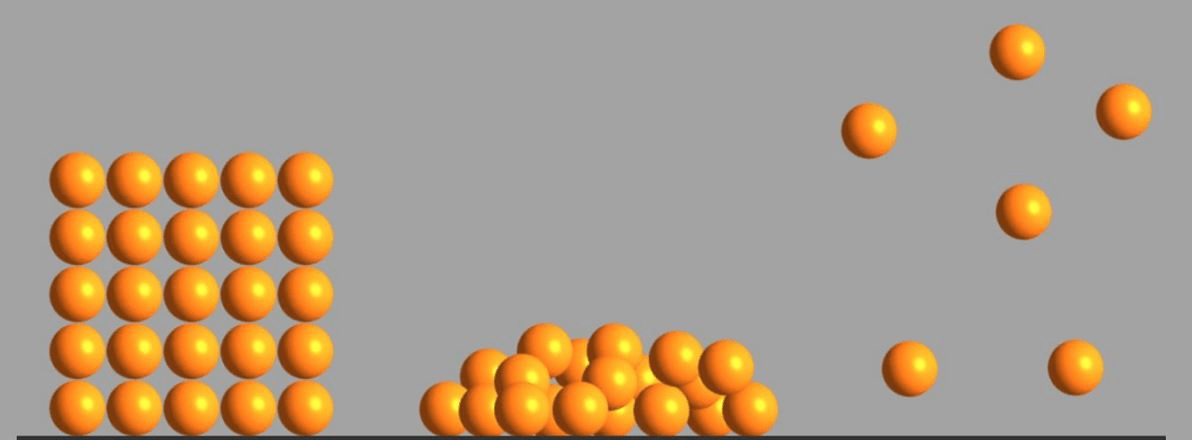
The third image represents a gas because the molecules are moving freely and away from each other.
200
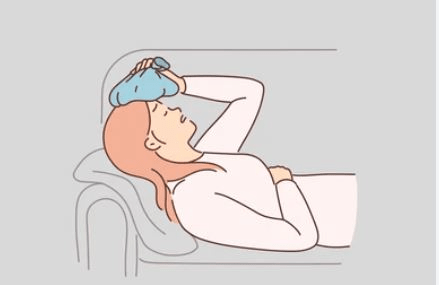 Your teacher has a headache because her students keep shouting "Lebron" all day while she tries to teach. Describe the heat transfer happening between the ice pack and her face.
Heat energy is transferring from her forehead to the ice pack. This causes her forehead to decrease in temperature while the ice pack increases in temperature. Heat always moves from hot to cold.
200
Two different fabrics are being tested for their insulative properties for a jacket. Which material would be a better option? Explain.
Both materials starting temp: 75 degrees
Material A after 20 minutes in the freezer: 64 degrees
Material B after 20 minutes in the freezer: 43 degrees
Material A is a better insulator because it slows heat transfer more than material B.
300
Something that speeds (accelerates) energy transfer
conductor
300
What happens to the molecules of an object as the object is cooled down?
The molecules get closer together and have less kinetic energy.
300
As a pot of room temperature water is heated up, describe the movement of its molecules and include the words kinetic energy.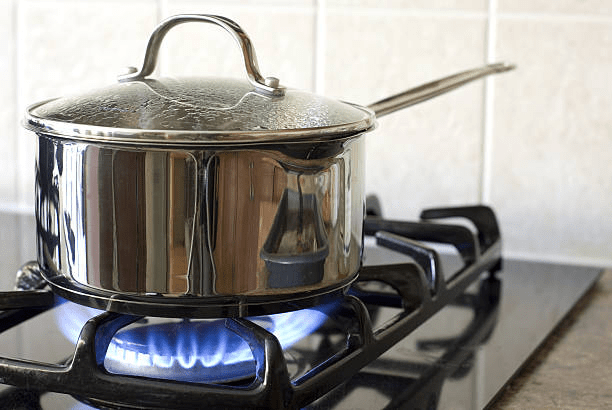
The molecules speed up and gain kinetic energy as it is heated up.
300
Examine this glass of ice water. Describe the heat transfers that will occur if it is left at room temperature for 30 minutes.
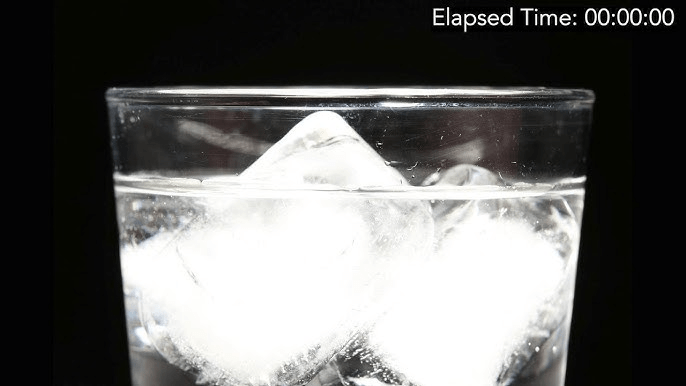
Heat will transfer from the air to the water and from the water to the ice cube. This will cause the ice to melt over time. Heat always moves from hot to cold.
300
Touch the plastic part of your chair, then the metal leg of the chair. Both of these are ROOM temperature. Why do they feel like they are different temperatures?
Plastic is an insulator, which slows heat transfer. Metal is a conductor, which speeds heat transfer. The conductor feels cold because it is quickly transferring thermal energy from your body to the chair.
400
Something that slows down energy transfer
Insulator
400
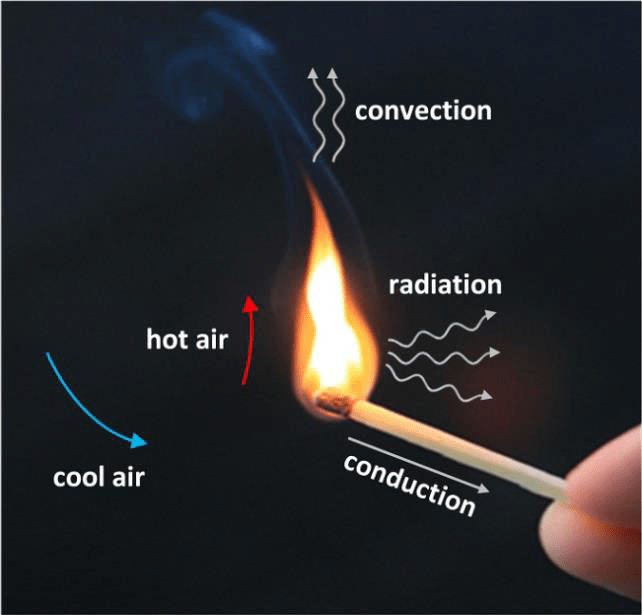
Draw a picture and label examples of all THREE types of heat transfer.
400
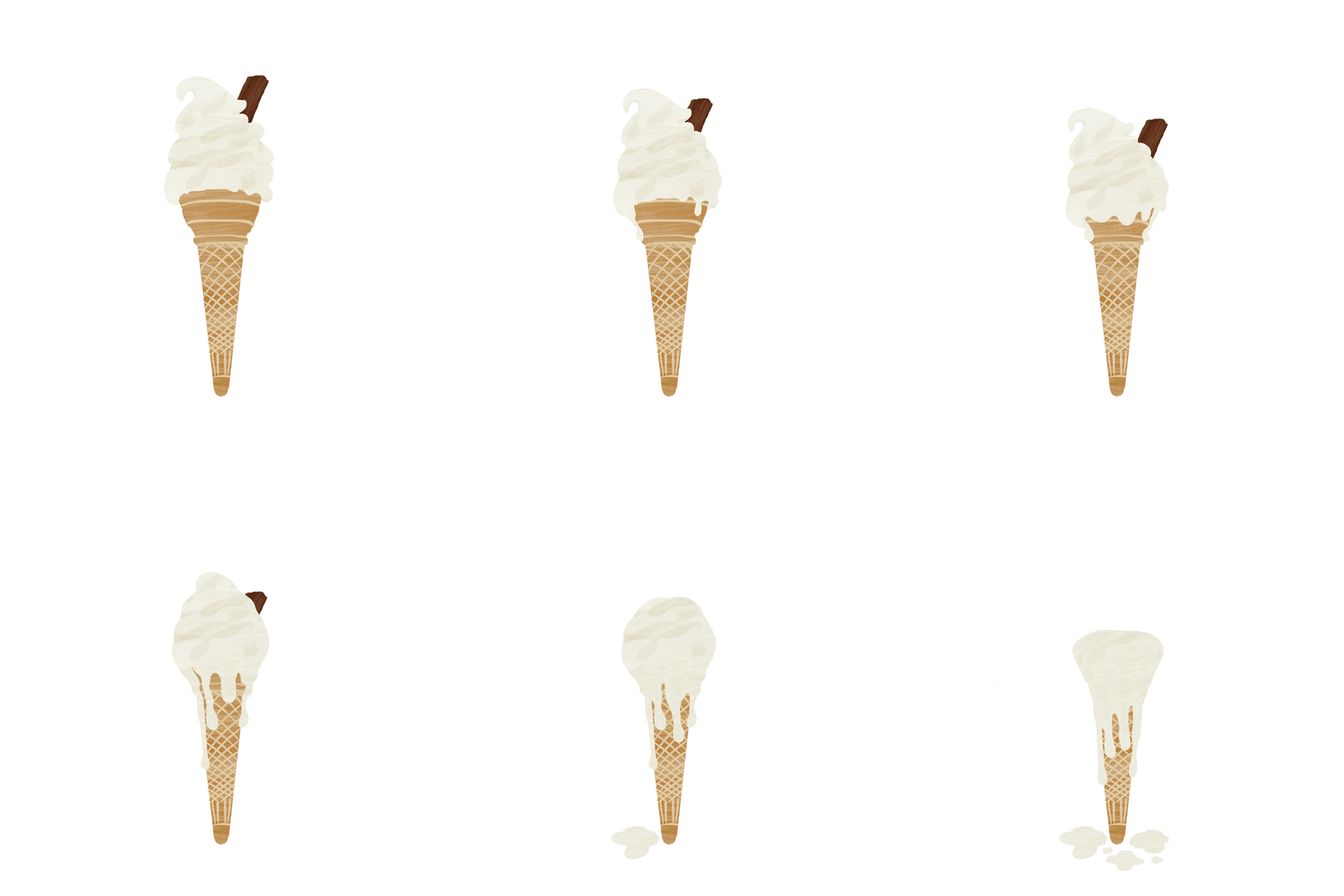 Describe the movement of molecules in an ice cream cone as it melts on a hot summer day.
Molecules in a solid are vibrating in place. As energy is transferred to the ice cream, some of it becomes a liquid and starts to melt. The molecules speed up and have more energy as it melts.
400
What is wrong with this version of the story? Use at least 2 vocabulary words.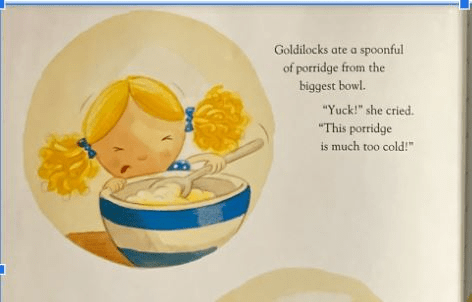
The biggest bowl has the most THERMAL ENERGY since it has the most MOLECULES so it will take the longest for it to cool down. The biggest bowl should have had the highest TEMPERATURE.
400
What kind of material (insulator vs conductor) did you want when building your penguin dwelling and why?
You wanted insulators because we wanted to SLOW heat transfer from the heat lamp to the penguin.
500
Define and give an example of equilibrium.
When two objects in contact reach the same temperature. Example: A hot bowl of soup transfers heat to the air around it until the air and the soup are the same temperature (room temp).
500
Use the word "density" to explain what is happening inside of this cup of hot tea.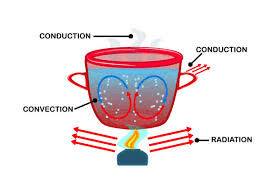
The water is being heated up by the flame. As it is heated, the molecules move apart and it becomes less DENSE and rises up. Further from the heat source, it cools off and molecules move closer together becoming more DENSE and then fall back to the bottom. This pattern repeats.
500
Draw a model of the hot vs cold water where food coloring was added, including showing how the molecules move in each.
In this model, the arrows represent the SPEED of the molecules.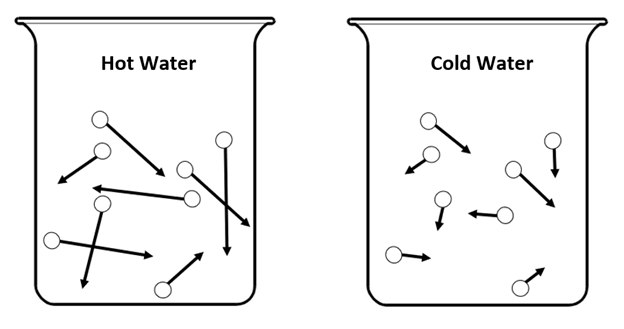
500
Describe a real life example (involving snow) where heat transfer happened. Use at least 3 vocab words.
Ex: I built a snowman the other day. When I stepped outside, the heat from my body immediately started transferring to the air around me. This is because my MOLECULES had more average KINETIC ENERGY than the ice cold air around me. My gloves were great INSULATORS because they slowed the transfer of heat from my hands to the air. My exposed skin was a CONDUCTOR because heat quickly moved from my face to the air.
500
Metal wires (conductors) are often wrapped in plastic or rubber. Why might this be?
The plastic or rubber coating is an insulator, which prevents the electric current from passing to whomever/whatever touches the wire. Without the plastic or rubber, the conductor would quickly pass the electrical current to whatever touches it.