Let's
Review
Some
Science
Today
100
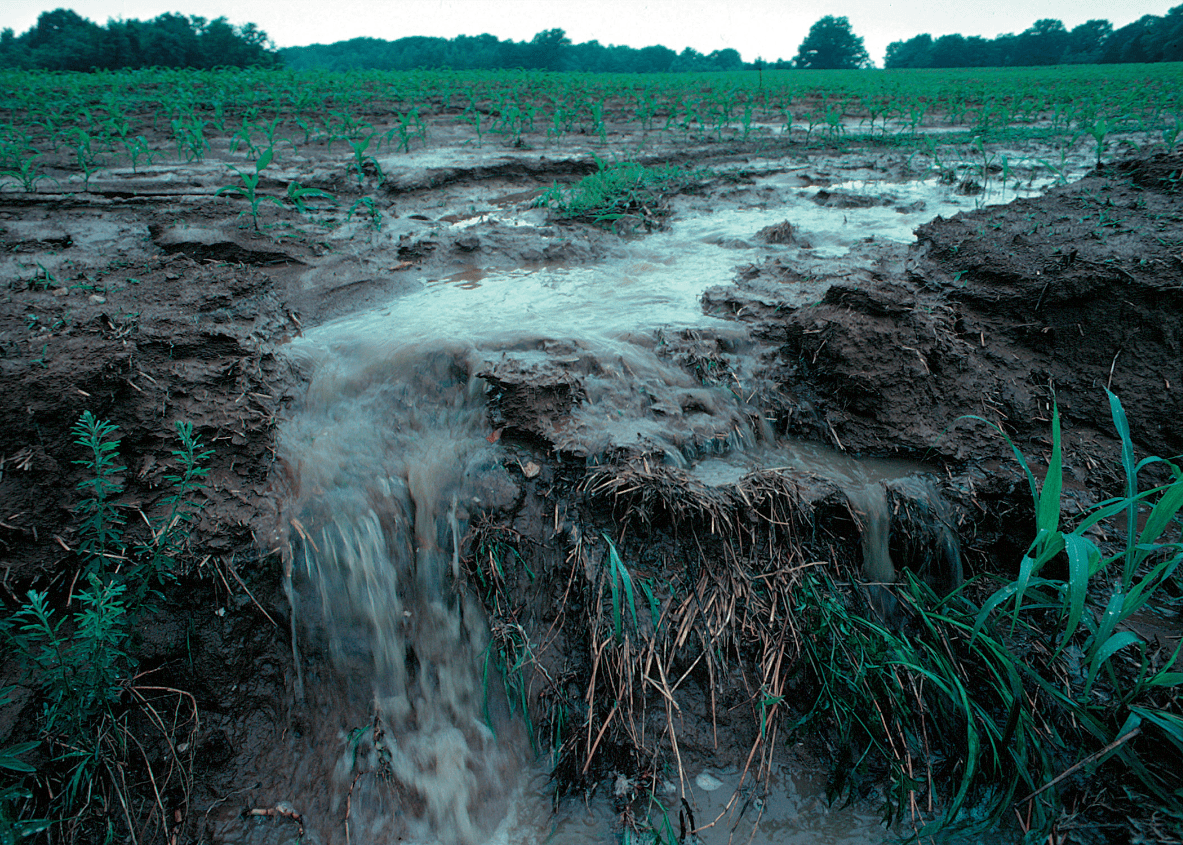
The extra water that runs over Earth’s surface, wears away soil, and takes sediment downhill is known as:
runoff
100
The most common cause of landslides.
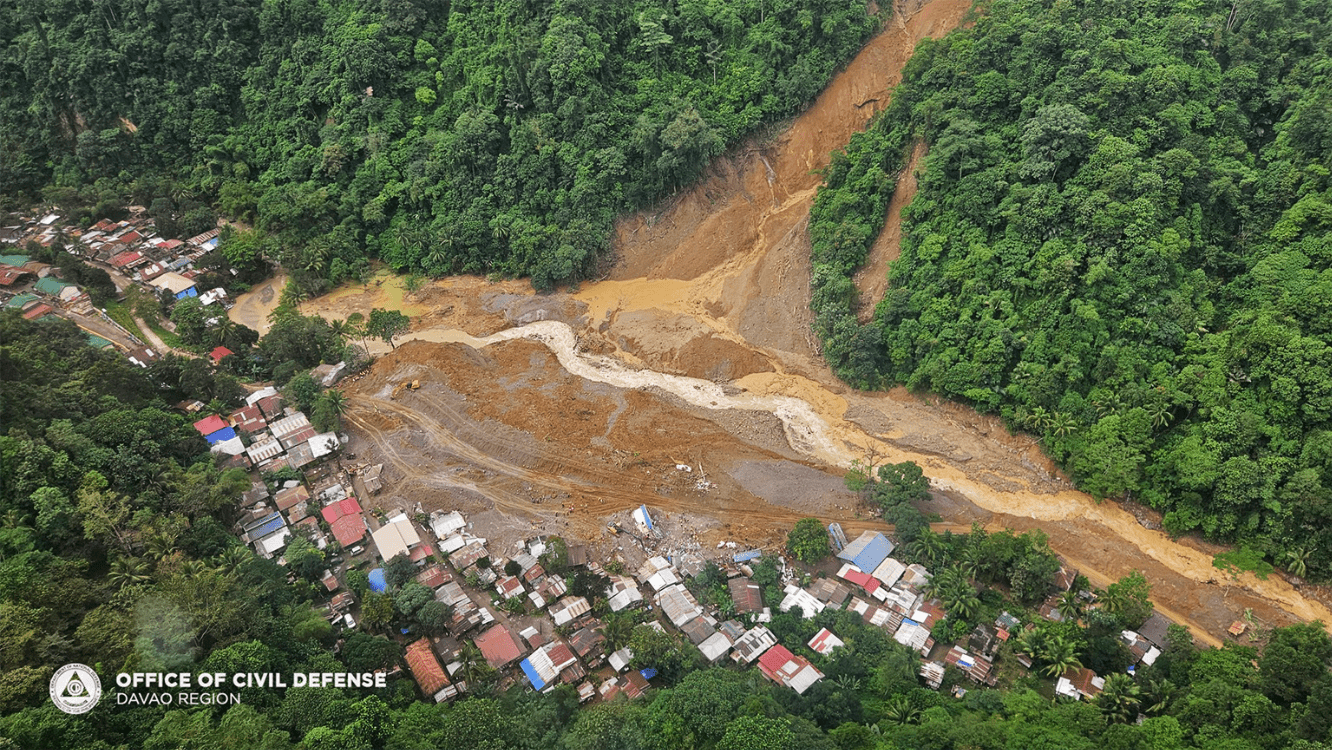
earthquakes
100
This type of topography shows us areas or locations with sinkholes.
Karst
100
Massive sections of ice that move slowly over the land and can change the land beneath.
GLACIERS
100
The smallest soil particle is _____.
clay
200
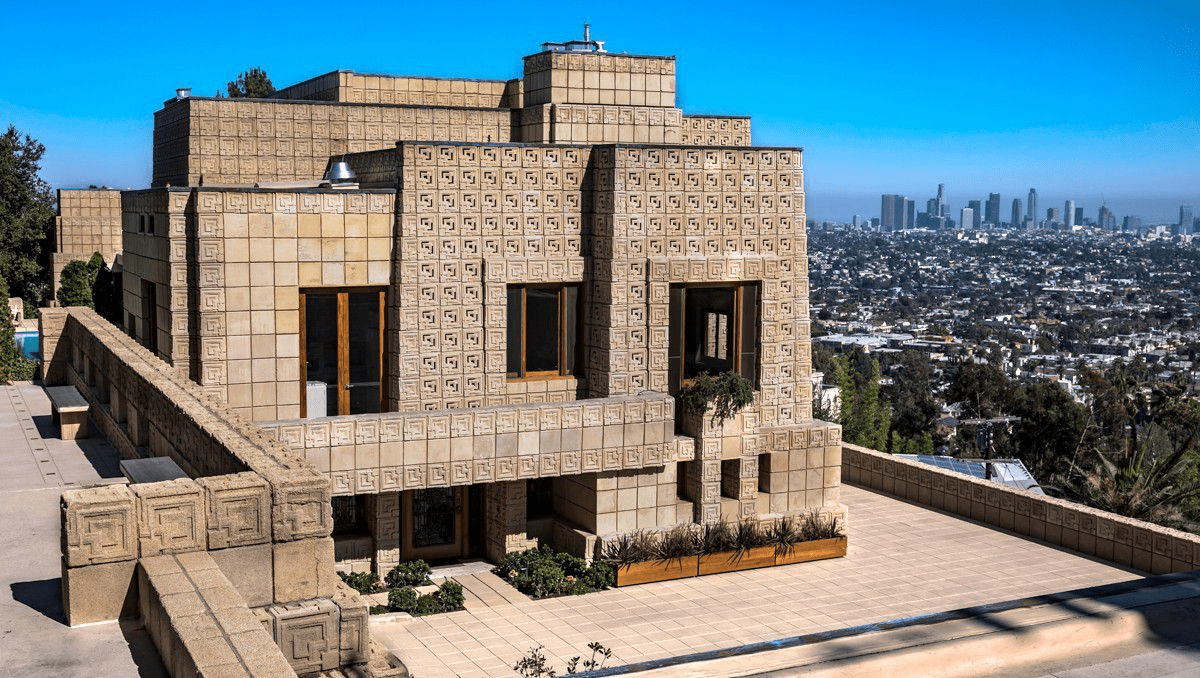
The _______ house was designed by Frank Loyd Wright. It faced damage due to earthquakes, weak rock choice, and air pollution.
Ennis
200
Weathering will occur faster in climates that are moist and experience higher _____.
TEMPERATURES
200
Occurs when rock and soil slide quickly down a steep slope and is most often caused by earthquakes.
landslide
200
The process of breaking down rock or other substances due to temperature change, gases, etc.
WEATHERING
200
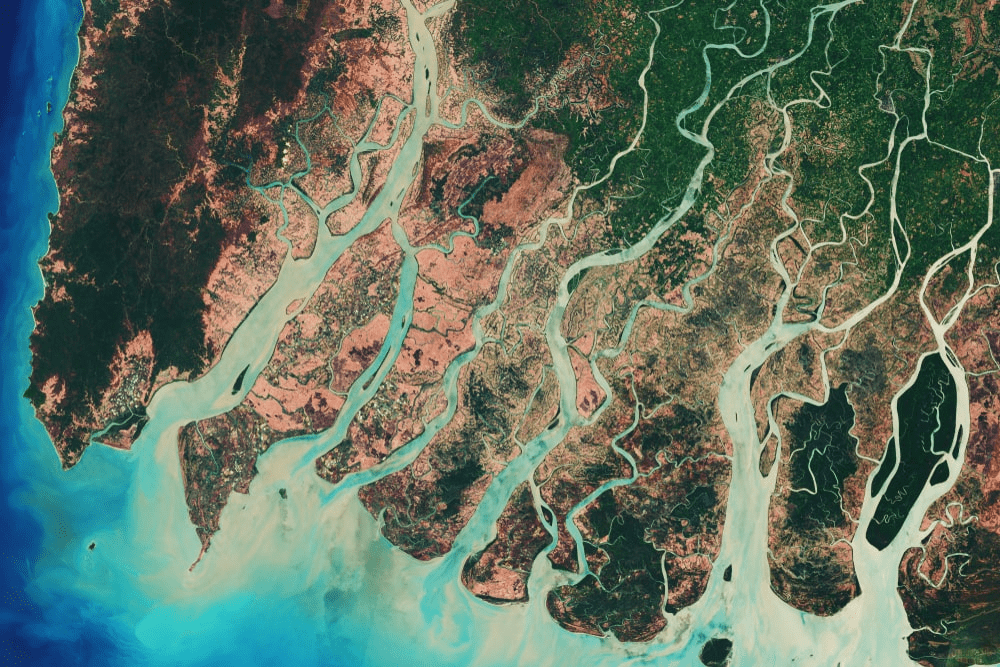
A landform that is created over time, as water slows at the mouth of a lake or ocean. Sediments start to deposit themselves at the bottom of a body of water.
delta
300
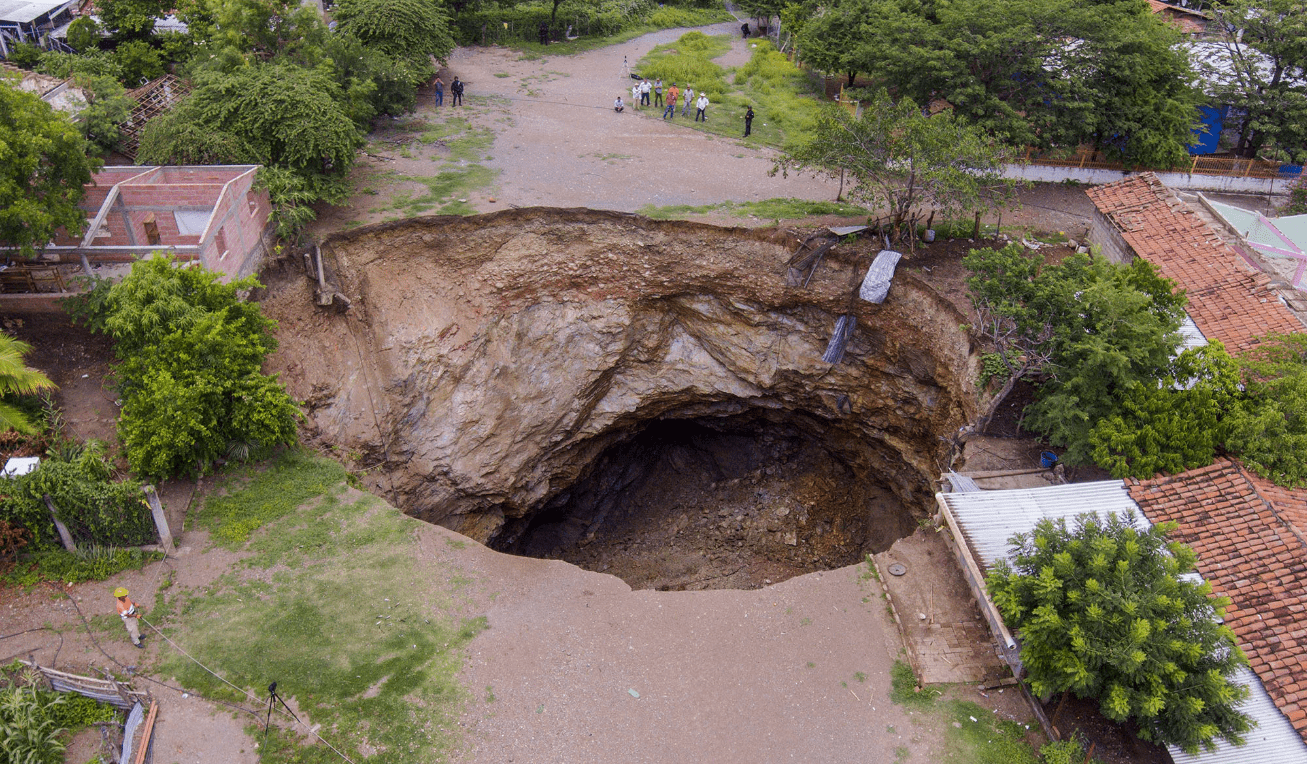
Occurs when the ceiling of an underground cavity suddenly gives way and everything on the surface of that cavity collapses into it.
sinkhole
300
The largest soil particle is _____.
gravel
300
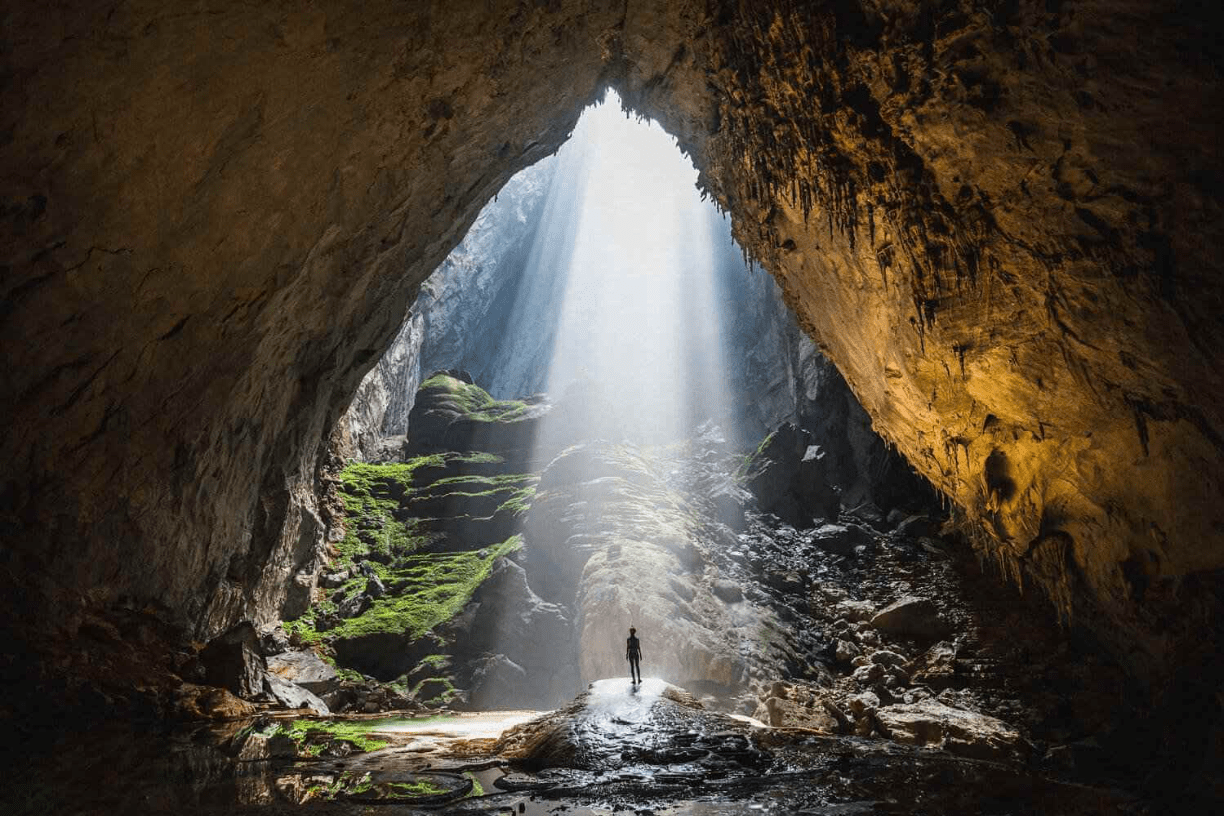
forms when rain water combines with carbon dioxide to create a weak acid that breaks down limestone which hollows out rock
caves & caverns
300
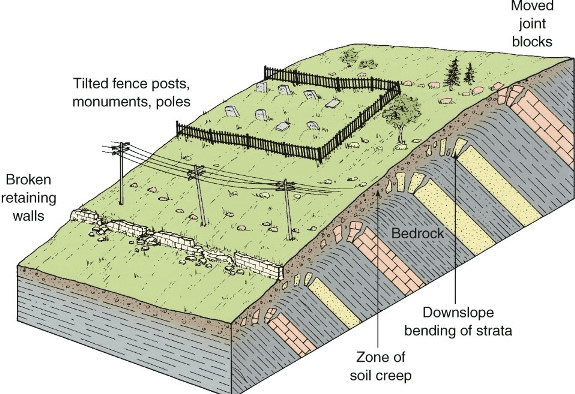
A very slow downhill movement of rock and soil that is caused by the freezing and thawing of water in cracked layers of rock.
creep
300
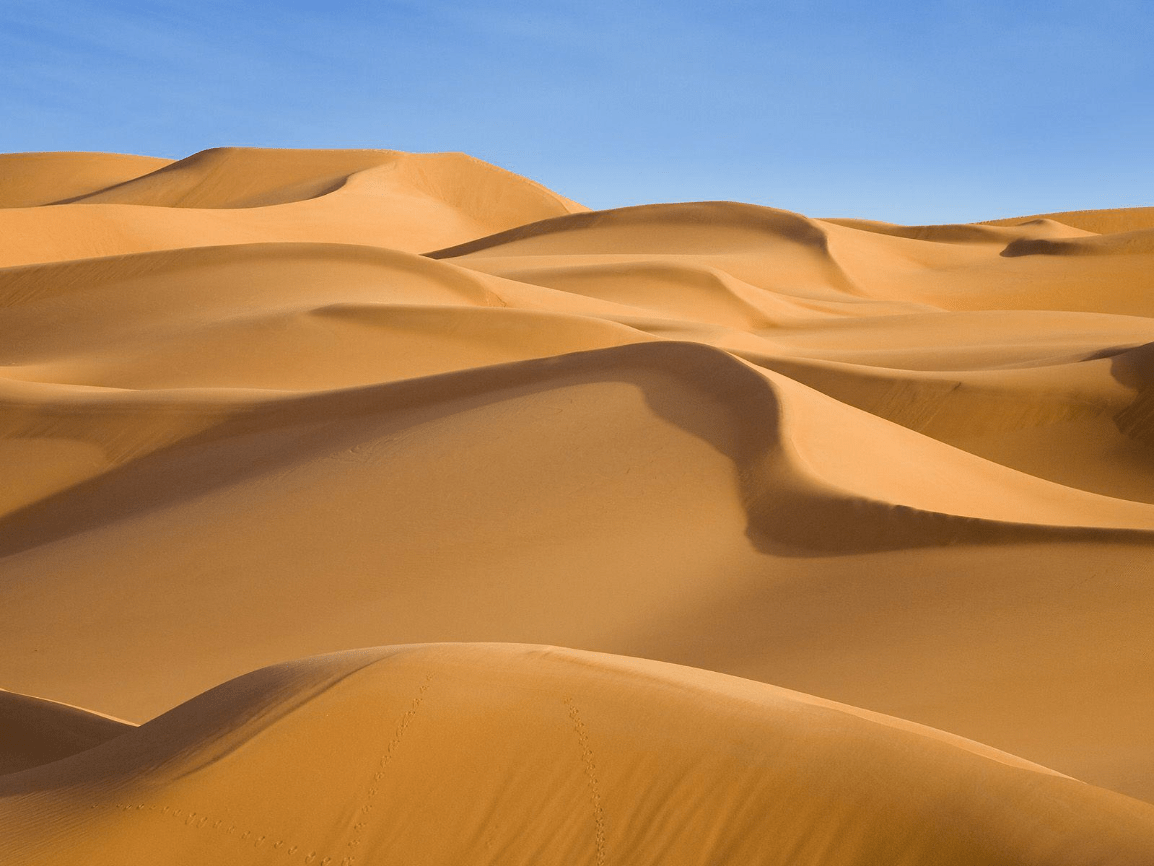
A landform slowly created when sand particles in the wind, hit an object then fall to Earth’s surface.
sand dune
400
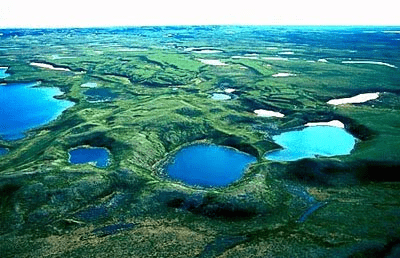
A depression (bowl-like shape) that fills with water from melting glaciers.
KETTLE LAKE
400
A sea arch or sea cave is formed over time due to the force of ______.
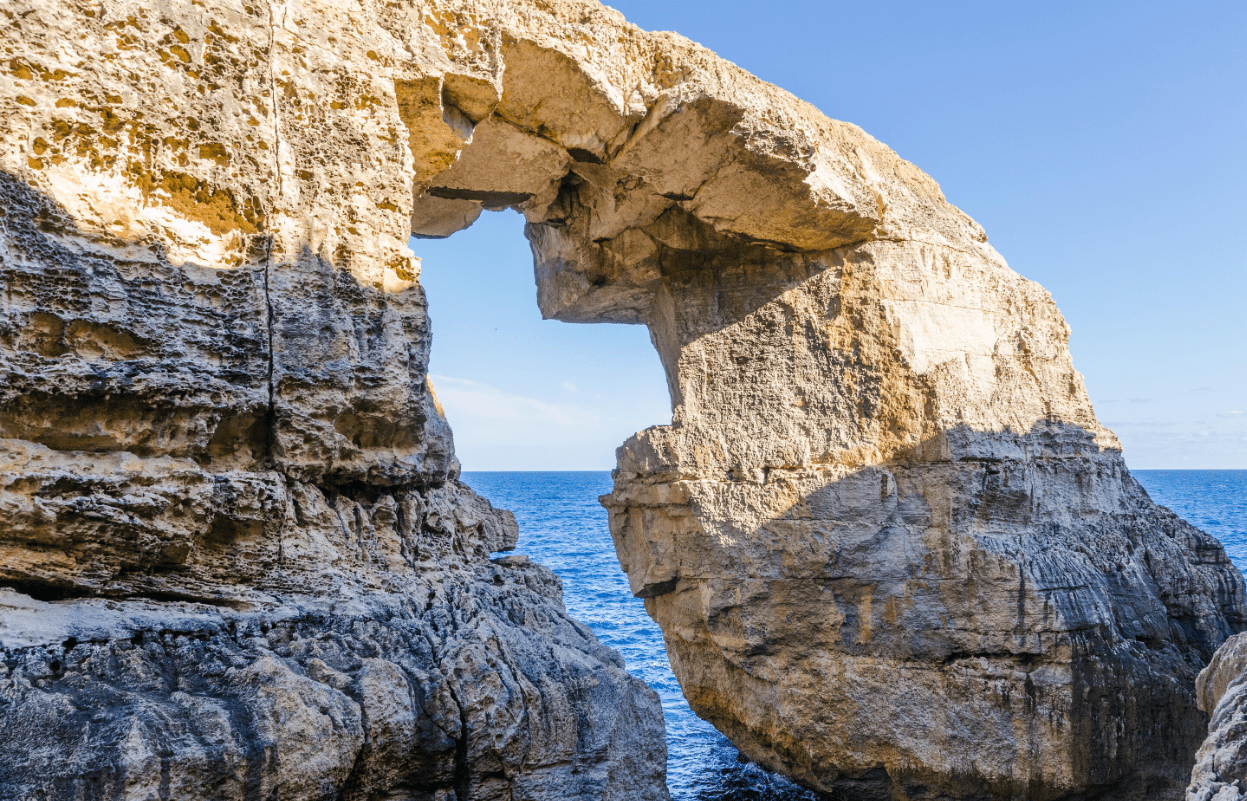
waves
400
An educated statement or conclusion made, based upon observations and data.
HYPOTHESIS
400
The process that moves sediments from one location to another by water wind, ice, or gravity.
erosion
400
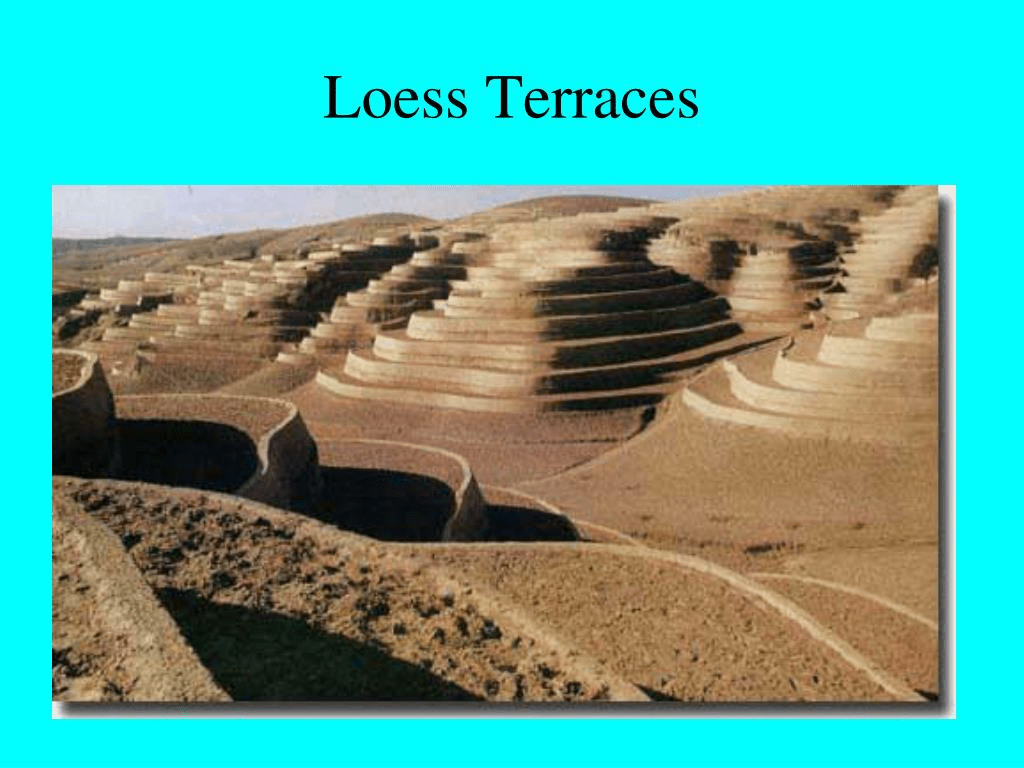
A landform containing very fine particles high in nutrients which makes the soil rich. Most often found in China, Nebraska and South Dakota.
LOESS
500
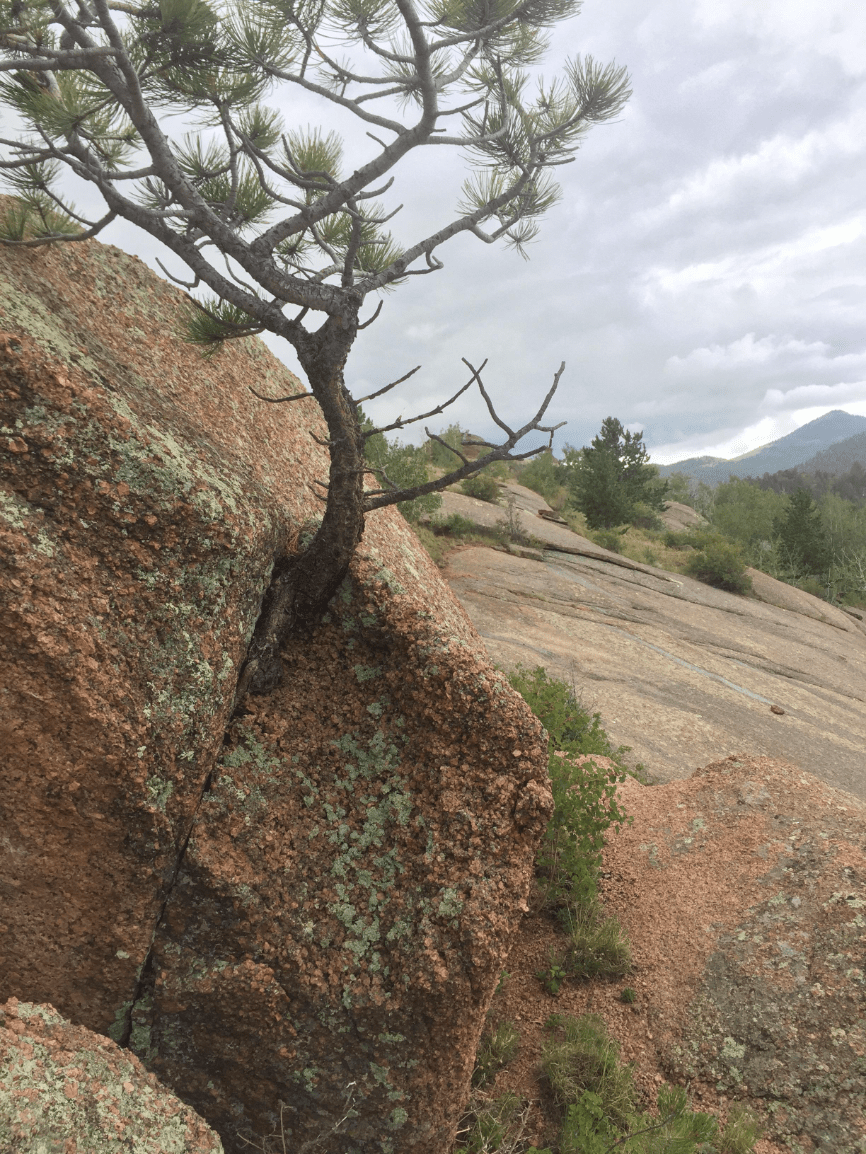
A specific type of weathering that occurs naturally, breaking down rock. It does not change what the rock is made up of.
MECHANICAL
500
The process of moving a large amount of sediment downhill due to the force of gravity.
MASS MOVEMENT
500
The process of dropping or laying down of sediments in a certain location.
DEPOSITION
500
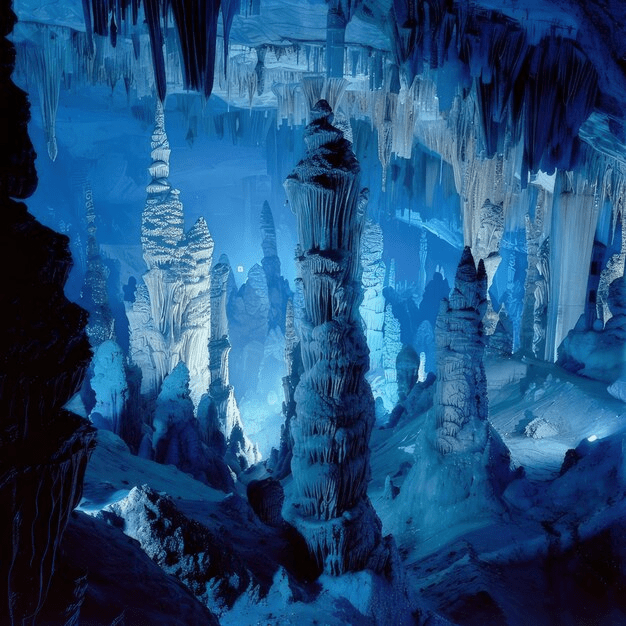
Form when water that contains acid and calcium drips very slowly from a caves roof, leaving deposits of calcite.
STALACTITES & STALAGMITES
500
A type of weathering that causes rock to change permanently. Examples would be the impact of burning of fossil fuels or the impact of acid rain.
CHEMICAL