Health pros and cons
What are benefits and negatives
History
Types of running shoes
anatomy of running shoes
100
Because spikes lack cushioning, running in them can cause pain in this joint that connects your thigh to your shin.
What is the knee?
100
This major benefit is what the metal pins give you so you do not slip on the track.
What is grip? (or What is traction?)
100
Invented in the mid-1800s, the very first track spikes were heavy and stiff because they were formal men's shoes with metal screws hammered into the bottom.
What are dress shoes?
100
These track shoes feature a highly rigid spike plate, maximum spike wells, and zero heel cushioning for maximum sprint velocity.
What are sprint spikes?
100
These sharp, metal pieces are screwed into the bottom of the shoe to bite into the track surface.
What are pins? (or What are spikes?)
200
Spikes force you to run on your toes, which helps build strength in this muscle group on the back of your lower leg.
What are the calves?
200
A negative side of spikes is that they wear out very quickly, meaning you have to spend more of this.
What is money?
200
Before thin, modern materials were invented, shoe companies in the early 1900s used the tough hide of this hopping Australian animal to make lightweight spikes.
What is a kangaroo?
200
Unlike sprint shoes, these track spikes feature a softer, more durable heel region to cushion the foot over longer laps.
What are distance spikes?
200
This hard, plastic or carbon fiber piece covers the bottom of the shoe and holds the metal pins in place.
What is the spike plate?
300
Wearing spikes too much can cause this painful, burning injury along the front of your tibia.
What are shin splints?
300
This benefit describes how the shoes feel on your feet because they do not use heavy materials.
What is lightweight?
300
At the 1936 Berlin Olympics, superstar athlete Jesse Owens won four gold medals while wearing handmade leather spikes made by Adolf Dassler, the future founder of this famous German brand.
What is Adidas?
300
Designed with highly durable rubber outsoles and thick midfoot stabilization, these shoes handle dirt, mud, and grass.
What are cross-country shoes?
300
This fabric part covers the top and sides of your foot, and it is made of thin mesh to keep the shoe breathable and lightweight.
What is the upper?
400
Spikes promote a better running posture by forcing your foot to land on this specific part instead of the heel.
What is the forefoot? (or What is the toe?)
400
A big negative is that you cannot wear spiked shoes on this surface
What is asphalt or concrete?
400
In 1954, legendary British runner Sir Roger Bannister wore a historic pair of lightweight leather spikes to become the first person ever to run a mile in under this many minutes.
What is four minutes?
400
hese unique shoes feature metal pins on both the front and the heel of the sole to give athletes grip during their high-speed approach and takeoff.
What are high jump/pole vault spikes?
400
Located between the upper and the plate, this layer provides a small amount of foam padding to absorb shock.
What is the midsole?
500
Running in spikes can stretch and injure this tendon
What is the Achilles tendon?
500
This performance benefit happens when the rigid plate acts like a spring to push you forward faster.
What is energy return?
500
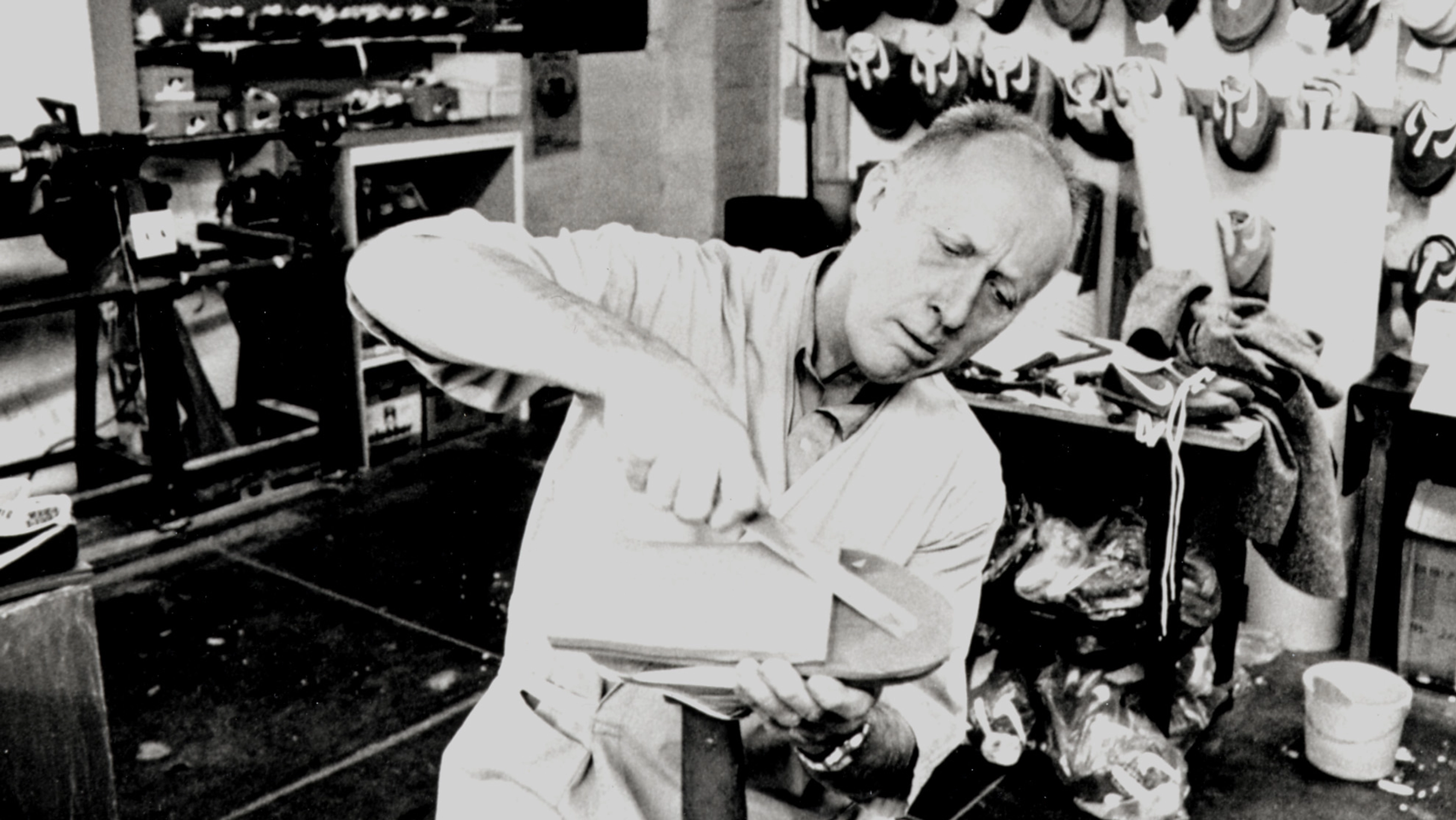
Before starting Nike, this legendary track coach became obsessed with making lighter spikes and famously poured liquid rubber into his wife's kitchen waffle iron to create a new kind of sole.
Who is Bill Bowerman?
500
True to their name, these versatile spikes are built for athletes who compete in multiple different running and jumping events on the same day.
What are multi-event spikes? (or What are middle-distance spikes?)
500
These tiny, threaded openings are built directly into the bottom plate so you can screw your metal pins in and out.
What are spike wells? (or What are spike receptacles?)