Ecological Hierarchy
Weather vs. Climate
Climate Patterns & Factors
Biomes Basics
Climatographs
Energy
Community
Succession
100
An individual living thing
Organism
100
Day-to-day atmospheric conditions
Weather
100
Equator receives this type of sunlight
Direct sunlight
100
Large regions defined by temperature and precipitation
Biomes
100
A coastal city is likely to show this on a climatograph
Smaller temperature range
100
Energy enters ecosystems in this form
Sunlight
100
A species’ role or “job” in an ecosystem
Niche
100
Stable, mature stage of an ecosystem
Climax Community
200
A group of the same species living in the same area
Population
200
Long-term patterns of temperature and precipitation
Climate
200
Distance from the equator
Latitude
200
Biome with permafrost
Tundra
200
Blue bars on a climatograph represent this
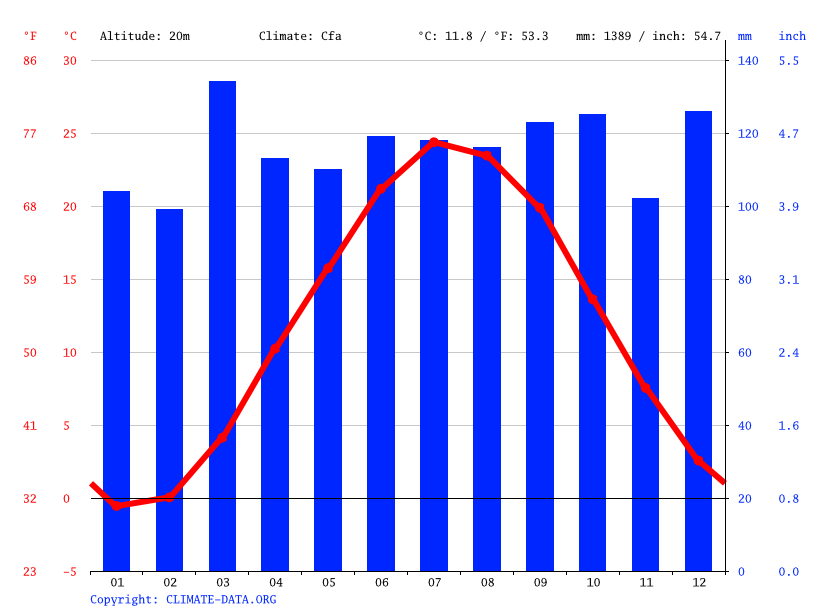
Precipitation
200
Organisms that break down dead material
Decomposers
200
When two species compete for the same resource
Competition
200
Succession that begins on bare rock with no soil
Primary succession
300
Multiple populations interacting in one area
Community
300
Temperature, precipitation, and humidity describe this
Weather
300
Higher altitude means this type of temperature
Colder
300
Biome dominated by conifer trees
Boreal forest (Taiga)
300
High, consistent temperatures suggest this climate
Tropical
300
Organisms that eat primary consumers
Secondary consumers
300
When species divide resources to reduce competition
Niche partitioning
300
Why does regrowth happen faster in this succession? What type of succession is this?

Soil remains
Secondary
400
Living and nonliving components interacting together
Ecosystem
400
What Boston’s average winters describe
Climate
400
Ocean currents primarily move this around the planet
Heat
400
Grassland with rainy and dry seasons
Savanna
400
Large seasonal temperature swings suggest this climate
Temperate
400
Which level in the food chain has the most energy? Why?
Producers
400
A species with a disproportionately large impact
Keystone species
400
First organisms to colonize bare rock
Pioneer species
500
The largest level of ecological organization
Biosphere
500
The main driver of weather and climate
Solar energy (the Sun)
500
Coastal areas have this type of climate compared to inland
Milder
500
Most biodiverse terrestrial biome
Tropical rainforest
500
Red line on a climatograph represents this
Temperature
500
Arrows in a food chain show this
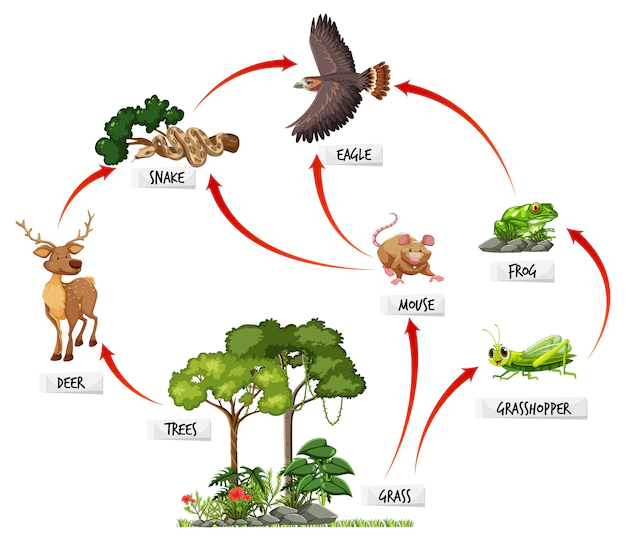
Energy flow
500
A chain reaction caused by removing a top predator
Trophic cascade
500
Put these in the correct order of succession. You must also say what type of succession it is. (Shrubs, Bare Rock, Trees, Moss/small plants, Lichens)
Bare rock → Lichens → Moss → Shrubs → Trees
Primary