China
Rome
Greece
Persia
Mayura
All Relative
100
Question: Describe one major political characteristic of the Qin dynasty in the 3rd century BCE.
Answer: Centralized, autocratic rule under Qin Shi Huang who unified the warring states and concentrated power in the emperor and his appointed officials.
100
Question: Identify one difference between the Roman Republic and the Roman Empire in how the government was run.
Answer: Republic: elected magistrates (consuls), a powerful Senate, and citizen assemblies with checks on power. Empire: centralized authority held by an emperor, reduced independence of republican institutions.
100
Question: Describe a social or political characteristic of Athens or Sparta in the 6th–5th centuries BCE
Answer: Athens: early democratic institutions with citizen assemblies and emphasis on civic participation. Sparta: oligarchic, militaristic society focused on training citizen-soldiers and maintaining a rigid social order including helots.
100
Question: Identify one social or political characteristic of the Persian Empire in the 6th–5th centuries BCE.
Answer: A vast, multiethnic empire led by the Great King and administered through provincial governors (satraps) who collected tribute and managed local affairs.
100
Question: Name one social or political characteristic of the Maurya Empire under Chandragupta or Ashoka.
Answer: A centralized state with a large bureaucracy and standing army; social divisions included rulers, administrators, merchants, artisans, and peasants; the state supported public works and strong administrative control.
100
What was this used for?
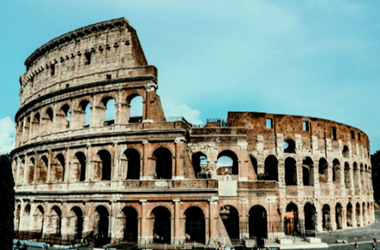
Entertainment--Gladitorial games
200
Question: Explain the main idea of Legalism and how it influenced Qin government policy.
Answer: Legalism held that strict laws and harsh punishments maintain order. The Qin applied Legalist principles to enforce uniform laws, suppress rival aristocrats, and strengthen central authority.
200
Question: Describe one way Roman culture influenced conquered peoples.
Answer: Spread of Roman law, Latin language among elites, Roman architecture and urban planning (roads, aqueducts, baths), and administrative practices that locals often adopted or adapted.
200
Question: Explain one way Greek city-states interacted with each other.
Answer: Through alliances (e.g., the Delian League), warfare (e.g., the Peloponnesian War), diplomacy, trade, and colonization—leading to shifting partnerships and rivalries.
200
Question: Explain one element of Persian religious life, including a brief mention of Zoroastrianism.
Answer: Zoroastrianism emphasized a moral struggle between good (Ahura Mazda) and evil (Angra Mainyu), highlighted moral choice, and influenced royal ideology and ethical expectations for rule.
200
Question: Explain one reform or policy Ashoka promoted after converting to Buddhism.
Answer: Ashoka promoted nonviolence (dhamma), moral governance, public welfare measures (roads, hospitals, wells), and issued edicts encouraging ethical behavior and compassion.
200
How did Cyrus the Great’s treatment of the Jews of Jerusalem differ from that of the Babylonians?
Cyrus allowed the Jews to return to Jerusalem, while the neo-Babylonians forced them into exile.
300
Question: Name one major public works project begun under the Qin and its purpose.
Answer: Construction and connection of defensive walls (early Great Wall sections), plus roads and canals; purposes included defense, control, and improved military and administrative communication.
300
Question: Explain one reason Rome’s military expansion affected trade across the Mediterranean.
Answer: Roman conquests secured sea and land routes and created colonies that made trade safer and more extensive, integrating regional economies and increasing commerce.
300
Question: Describe one cultural achievement of Classical Greece that influenced later civilizations.
Answer: Examples: philosophy (Socrates, Plato, Aristotle), drama (tragedy and comedy), classical architecture (the Parthenon and architectural orders), historical writing (Herodotus, Thucydides).
300
Question: Describe how the Persian Empire organized its bureaucracy or provincial rule.
Answer: Divided into satrapies governed by satraps; a system of taxation, imperial roads (Royal Road), and royal inspectors helped maintain communication, collect revenue, and monitor governors.
300
Question: Describe how Ashoka’s rule affected religious toleration in the Maurya Empire.
Answer: Although Ashoka supported Buddhism, he advocated religious toleration, encouraged moral behavior across faiths, and avoided forced conversion—using edicts to promote moral governance instead.
300
What are the natural advantages of Rome? (2 answers)
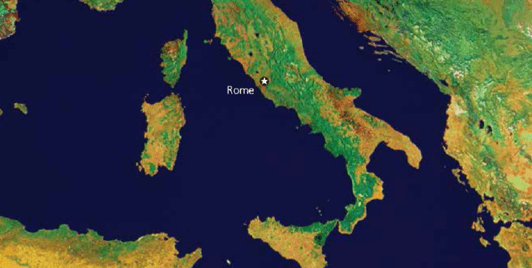
Could not be invaded by sea...and trade
400
Question: Explain how the Han dynasty built on Qin institutions and name one administrative innovation the Han introduced.
Answer: The Han kept Qin centralization but reduced the harshest Legalist measures. They promoted Confucian officials and expanded the bureaucracy, creating administrative systems that led toward merit-based appointments (precursors to the civil service).
400
Question: Describe how social hierarchy in Rome changed over time (give one example).
Answer: Power shifted toward military leaders and emperors; senatorial aristocracy sometimes lost political control; increased reliance on slave labor and patron–client ties altered social dynamics; some provincials gained new status through citizenship.
400
Question: Explain how contact with the Persian Empire affected Greek city-states (give one effect).
Answer: Persian invasions prompted temporary Greek unity against a common enemy, influenced military tactics, and strengthened Greek political and cultural identity through victories like Marathon and Salamis.
400
Question: Explain Persian policy toward conquered peoples and give one example of toleration in practice.
Answer: Persians generally allowed local customs, religions, and elites to remain; for example, Cyrus the Great allowed deported peoples like the Jews to return and rebuild their temple.
400
Question: Identify one way the Maurya Empire engaged in trade or exchange with other contemporary civilizations.
Answer: The Maurya Empire participated in internal overland trade and maritime trade with Hellenistic kingdoms, exchanging goods like spices, textiles, gems, and metals, and maintained diplomatic contacts that linked South Asia to wider Afro‑Eurasian networks.
400
The strength of the Maurya empire depended on?
the power and authority of the ruler
500
What dynasty is this from?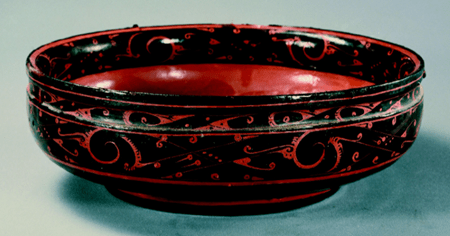
Han Dynasty
500
Question: Explain a major cause and one consequence of the Punic Wars between Rome and Carthage
Answer: Cause: rivalry over control of trade and territory in the western Mediterranean. Consequence: Rome’s victory (especially after Carthage’s destruction) secured Roman dominance in the west, expanded territory and resources, and removed a major rival.
500
Question: Define Hellenistic culture and explain one cause of its spread after Alexander’s conquests.
Answer: Hellenistic culture is a blending of Greek and local elements (language, art, institutions). It spread because Alexander’s conquests founded Greek-style cities (e.g., Alexandria), moved Greek settlers into new regions, and established political and economic networks carrying Greek culture across Egypt and Western Asia.
500
Question: Analyze one way Persian interactions with Greek city-states shaped events in the 5th century BCE.
Answer: Persian attempts to expand into Greek areas led to the Greco‑Persian Wars, which prompted Greek unity in defense, influenced military innovations, and affected Greek political development and confidence after Greek victories.
500
Question: Explain the broader impact of Ashoka and Buddhism on the Maurya state and on interactions across South Asia.
Answer: Ashoka’s patronage helped spread Buddhism within India and abroad through missionary activity; it encouraged the idea of moral rulership, affected state policies on welfare and toleration, and promoted cultural exchanges along trade and diplomatic routes.
500
What did each branch do?
Assemblies: Passed the laws; Senate: Controlled foreign policy; Magistrates: Enforced the law