Rules about Matter and Energy
Macromolecules!
More Macros
Cycles!
Props of Water
100
The phrase that describes the longevity of energy.
What is energycannot be created or destroyed?
100
The reason carbon is the backbone of macromolecules.
What is it can form 4 bonds?
100
Polymers can be broken into these.
What are monomers?
100
The cycle that is necessary for the main structure of ALL macromolecules.
What is the carbon cycle?
100
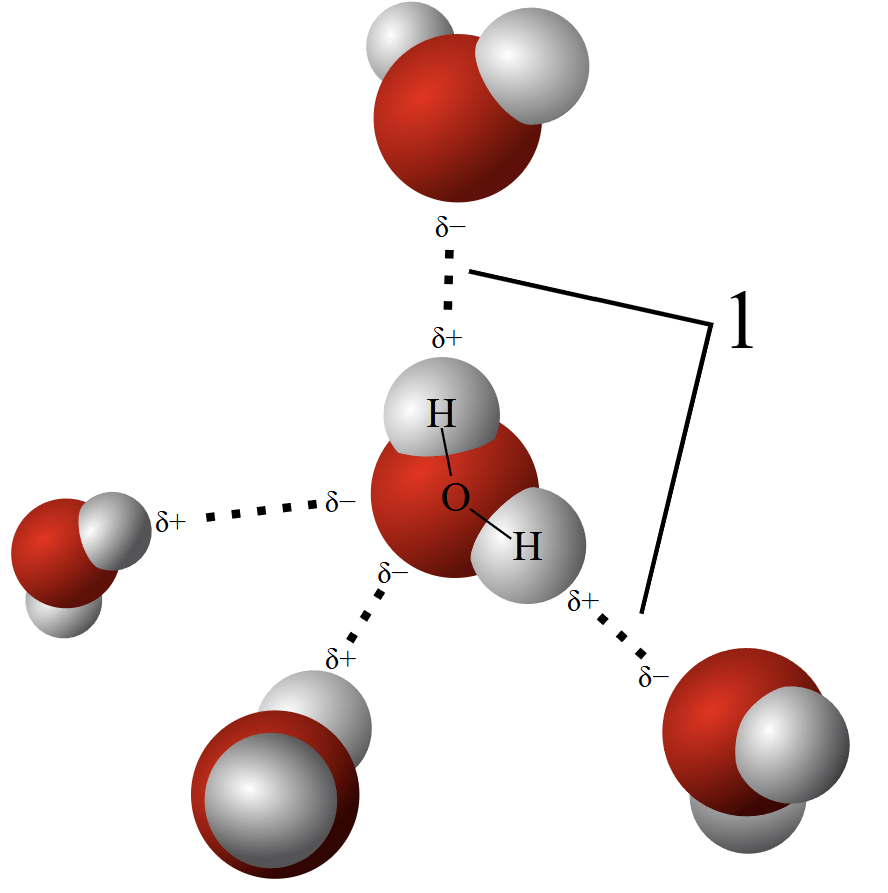
The attraction between two water molecules is called this.
What is hydrogen bond?
200
Give one of the rules about matter.
Atoms last forever (matter cannot be created or destroyed); all atoms have mass; atoms are bonded to other atoms in molecules.
200
The type of reaction that forms polymers.
What is dehydration synthesis?
200
The type of reaction that breaks down polymers.
What is hydrolysis?
200
The largest phosphorus sink/reservoir/store.
What are rocks?
200
The element(s) in water that are negative and why.
What is oxygen because it pulls electrons close to itself?
300
Energy of motion.
What is kinetic energy?
300
The macromolecule known for cushioning organs and used to build cholesterol.
What are lipids?
300
The macromolecule that requires the carbon, water, nitrogen and phosphorus cycles.
What are nucleic acids?
300
The organism that allows nitrogen to become biologically available for plants and animals.
What are bacteria?
300
You see a leaf floating on the water, but other leaves have sunk. This is the reason a leaf could stay on top of the water.
What is surface tension?
400
The type of energy that is stored in food. (Must give full name!)
What is potential chemical energy?
400
The type of macromolecule this is:
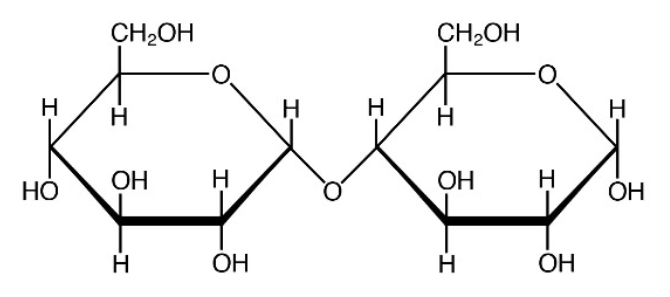
What is a carbohydrate?
400
The type of monomer this is:
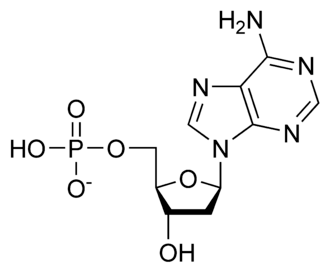
What is nucleotide?
400
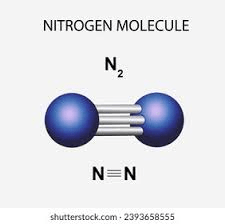
The reason plants & animals cannot obtain nitrogen directly from the atmosphere.
What is that nitrogen gas has triple bond? (Cannot break it down.)
400
Explain heat of vaporization & give 1 example of its use for humans.
The energy it takes to have liquid water turn into vapor; sweating.
500
The TWO types of bonds organic matter contains.
What are C-C and C-H bonds?
500
The macromolecule(s) that would be affected if plants could not absorb nitrogen from the soil.
What are proteins and nucleic acids?
500
A person is experiencing extreme fatigue because oxygen is not being carried throughout their body very well. This is the macromolecule lacking.
What is protein?
500
Give the direct and indirect effect of the removal of the water cycle with regards to macromolecules.
Answers will vary, but most be coherent. Any of the 4 macromolecules can be given, as all require the water cycle.
500
Drawing challenge! Draw out two water molecules, labeling what is positive and negative. Also show 1 hydrogen bond.