Cell organelle picture
Organ System Function
Levels of organization
Cell organelle function
Grab Bag
100
Name this organelle:
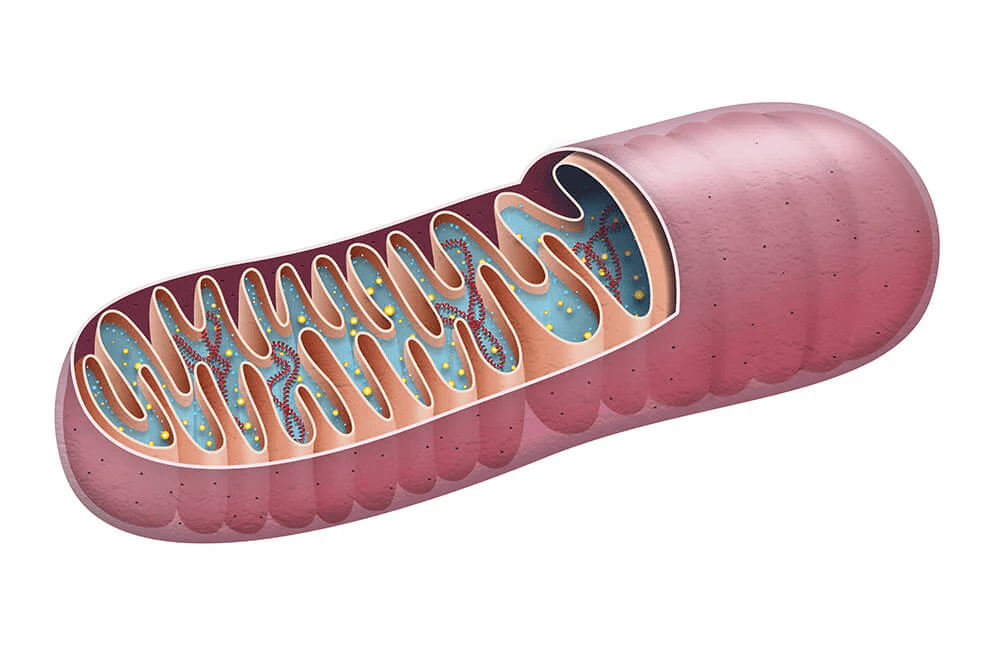
Mitochondria
100
Sensory input, which is detecting stimuli from inside and outside the body.
Nervous system's function
100
Groups of organs working together to perform major body functions are called?
Organ System
100
Controls cell activities and contains DNA:
Nucleus
100
What is the main difference between eukaryotic and prokaryotic cells?
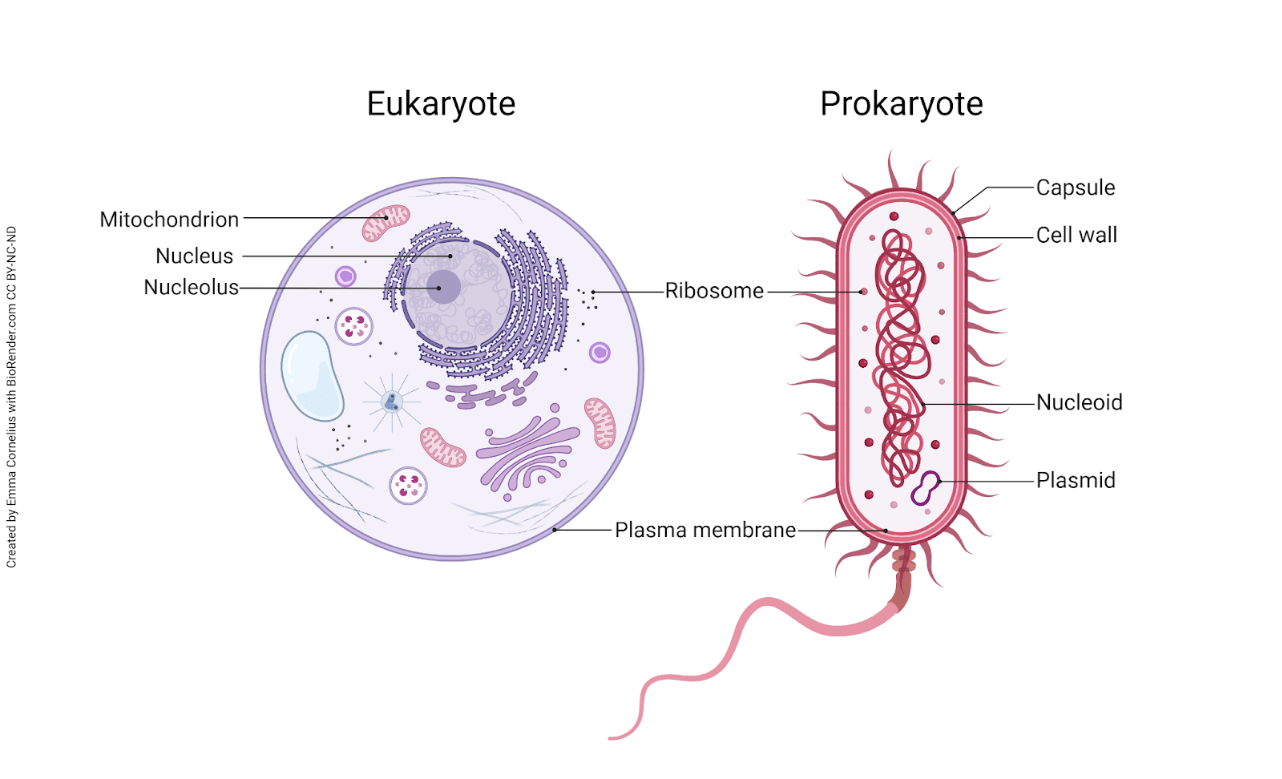
Eukaryotic cells have a nucleus
Prokaryotic cells DO NOT have a nucleus
200
Name this organelle:
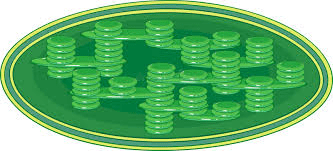
Chloroplast
200
To transport oxygen, nutrients, and hormones to all the body's cells and remove waste products like carbon dioxide
Circulatory system
200
Groups of tissues working together to carry out a specific job are called?
Organ
200
Jelly-like substance holding organelles
Cytoplasm
200
When a skin cell splits or reproduces the cells that it makes are ____________ to the parent cell.
Identical
300
Name this organelle:
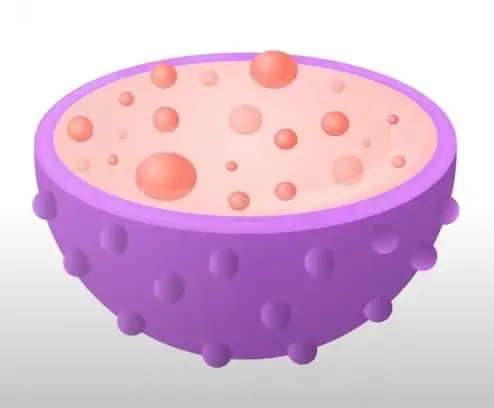
Lysosome
300
Providing support and shape to the body, protecting internal organs, enabling movement by serving as an anchor for muscles, producing blood cells, and storing minerals like calcium
Skeletal system
300
Groups of similar cells performing a shared function are called?
Tissue
300
Releases energy from food, aka "the powerhouse of the cell"
Mitochondria
300
Cells in a multicellular organism are __________ to perform a single function in the organism.
specialized
400
Name this organelle:

Cell Membrane
400
This system's primary functions are movement, posture stabilization, and heat production
Muscular system
400
The basic unit of structure and function in living things is called?
A cell
400
Provides structure and support for a plant cell
Cell wall
400
A Single-Celled Organisms has how many cells?
ONE!
500
Name this organells:
Vacuole
500
Protection from pathogens and injury, temperature regulation through sweating and blood flow, synthesis of Vitamin D from sunlight, and sensory reception to detect touch, pain, and temperature
Integumentary system
500
A complete living thing made up of many systems working together is called?
Organism
500
Controls what enters and leaves the cell
Cell membrane
500
A student observes two cells under a microscope and notices that one does not have a cell wall. What does that cell most likely belong too?
An animal.