Vocabulary
Geography & Spread of Islam
Islamic Beliefs & Practices
Scholars & Achievements
Ottoman Empire & Trade
100
I earn my living by buying and selling goods. Who am I?
A merchant
100
Most of my land is surrounded by water, but I remain connected to a larger landmass. What type of landform am I?
A peninsula
100
During Ramadan, Muslims practice this pillar by going without food and drink from dawn until sunset.
Fasting (Sawm).
100
A scholar writes a book explaining how doctors can diagnose illnesses and treat patients. Which field is the book primarily about?
Medicine
100
Which empire did Mehmed II (Mehmed the Conqueror) rule?
The Ottoman Empire.
200
I mean “belief in one God.” My prefix, mono, means “one.” What am I?
Monotheism.
200
he Red Sea separates northeastern Africa from this peninsula where Islam began. Name it.
The Arabian Penninsula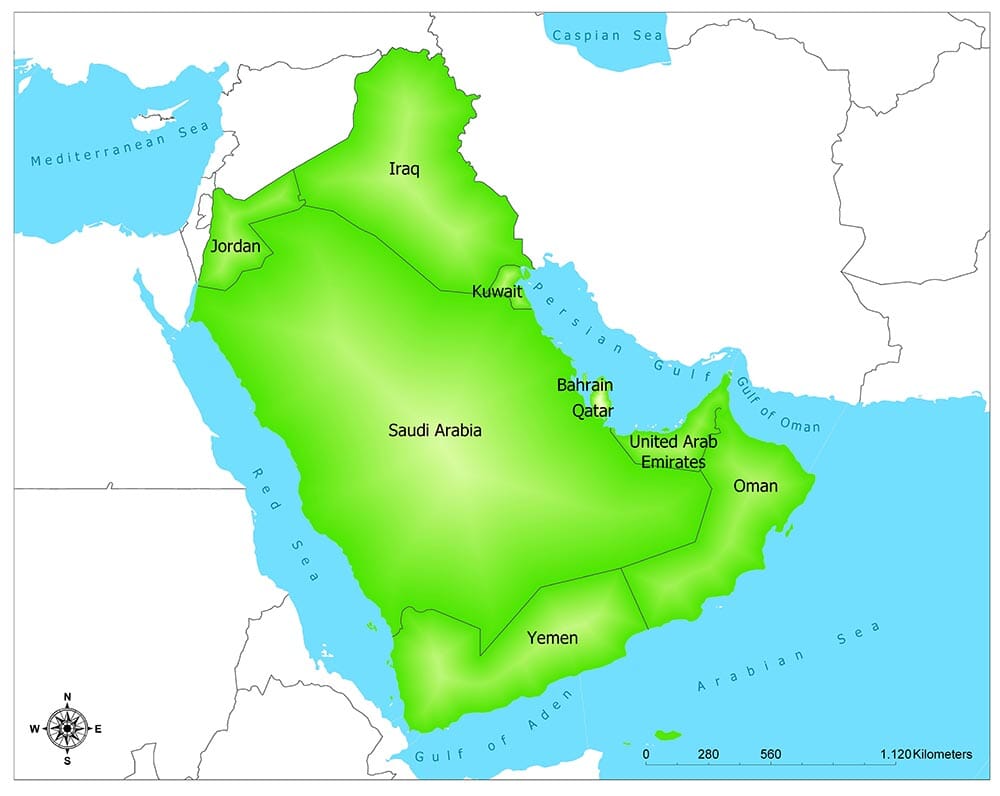
200
A Muslim pauses five times each day to worship. Which pillar is being practiced?
Prayer (Salah).
200
Which number system made calculations easier for merchants and spread from India through the Islamic world to Europe and replaced the use of Roman Numerals?
Arabic numerals
200
Why would a ruler want to capture a city, like Constantinople, where major trade routes meet?
To control trade and gain wealth from taxes on goods.
300
I am a journey made for a religious purpose, often to a sacred place. What am I?
A pilgrimage.
300
Muslims making the Hajj travel to this sacred city in western Arabia, where Muhammed (Mohammed)m was born. Name it.
Mecca
300
A Muslim gives part of their wealth to help people in need. Which pillar does this demonstrate?
Charity (Zakat).
300
A student uses an equation to find the value of an unknown number. Which branch of mathematics did scholars such as al-Khwarizmi help develop?
Algebra
300
After conquering Constantinople, Mehmed II converted Hagia Sophia, a church into what type of religious building?
A mosque
400
Explorers gather information about places. People use that information to create maps through this practice. What is it called?
Cartography.
400
A merchant arrives in a distant port carrying spices and sharing Islamic beliefs. Besides goods, what else can trade routes carry?
Religious beliefs, culture, languages, art
400
Which sacred text contains the revelations Muslims believe Muhammad received from God?
The Quran. (Qu'ran)
400
Al-Idrisi’s detailed maps advanced cartography and made it easier for merchants to travel. What is cartography?
The study and practice of making maps.
400
Merchants carried goods, inventions, and beliefs between distant societies. How did this exchange affect those societies?
They became more interconnected and gained access to new goods, technologies, and ideas.
500
I am the title of an Ottoman ruler who commands armies and governs the empire. What am I?
A Sultan
500
Islam spread when, Muslim armies expanded their territory while Muslim merchants visited new markets. Name the two methods of spreading Islam illustrated here.
Conquest (War) and trade.
500
A Muslim studies how Muhammad treated others to guide their own behavior. What tradition are they following?
The Sunnah, Muhammad’s teachings and example.
500
A historian finds a manuscript with detailed drawings and labels of internal organs. What can the historian infer about the society that produced it?
Its scholars studied anatomy(study of space) and had knowledge of medicine and science.
500
Capturing Constantinople gave the Ottomans a powerful base between Europe and Asia. How did this victory strengthen their empire politically and economically?
It increased Ottoman power in Europe and gave them control over important trade routes.