Biotic Vs Abiotic
Carbon Cycle
Food chain and energy
Biodiversity
Climate Change
100
What is a biotic factor?
A living component of an ecosystem
100
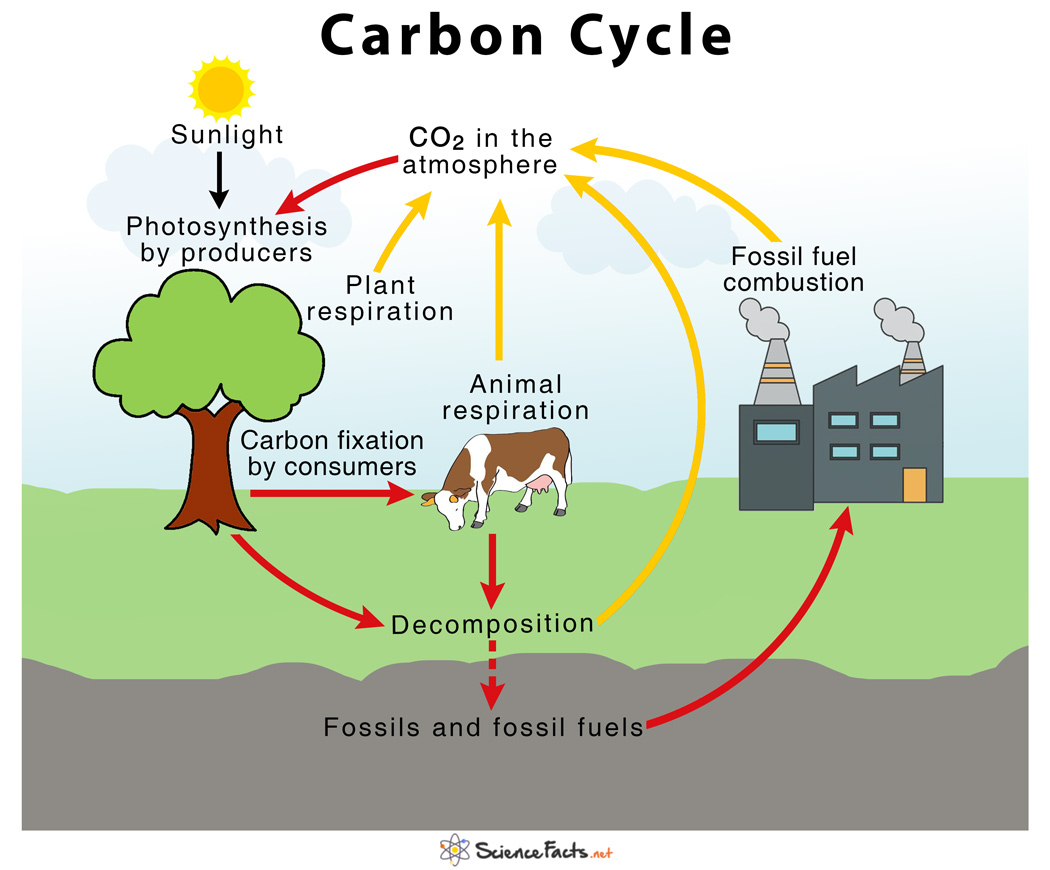 Which process removes carbon dioxide (CO₂) from the atmosphere?
Photosynthesis
100
What type of organism is at the base of every food chain?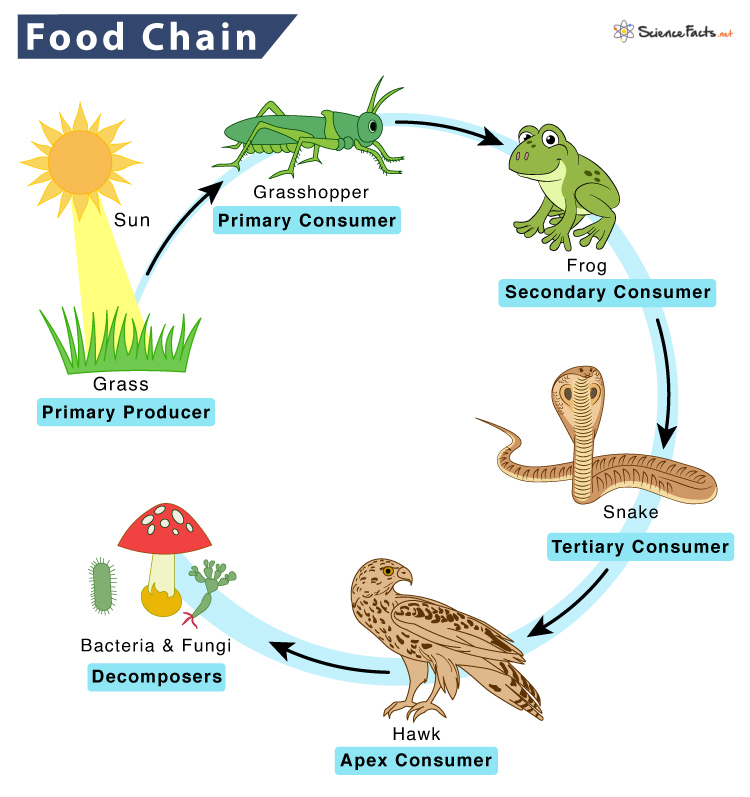
Producer
100
What is biodiversity?

The variety of living organisms in an area
100
What gas is the main contributor to the greenhouse effect?
Carbon dioxide (CO₂)
200
Which of the following is abiotic: sunlight, grass, deer, or bacteria?
Sunlight
200
Which process releases carbon dioxide (CO₂) into the atmosphere?
Respiration
200
What do primary consumers eat?
Producers (plants/algae)
200
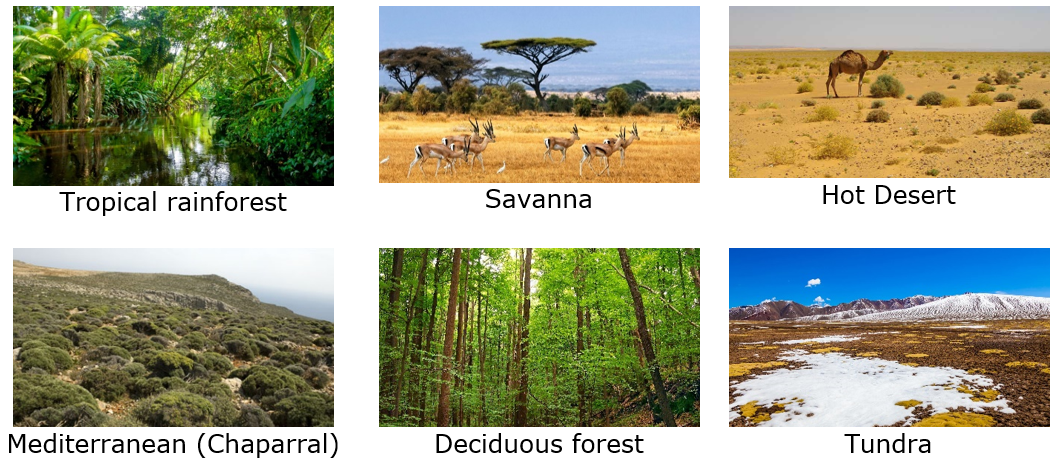 Which biome has higher biodiversity: tropical rainforest or tundra?
Tropical rainforest
200
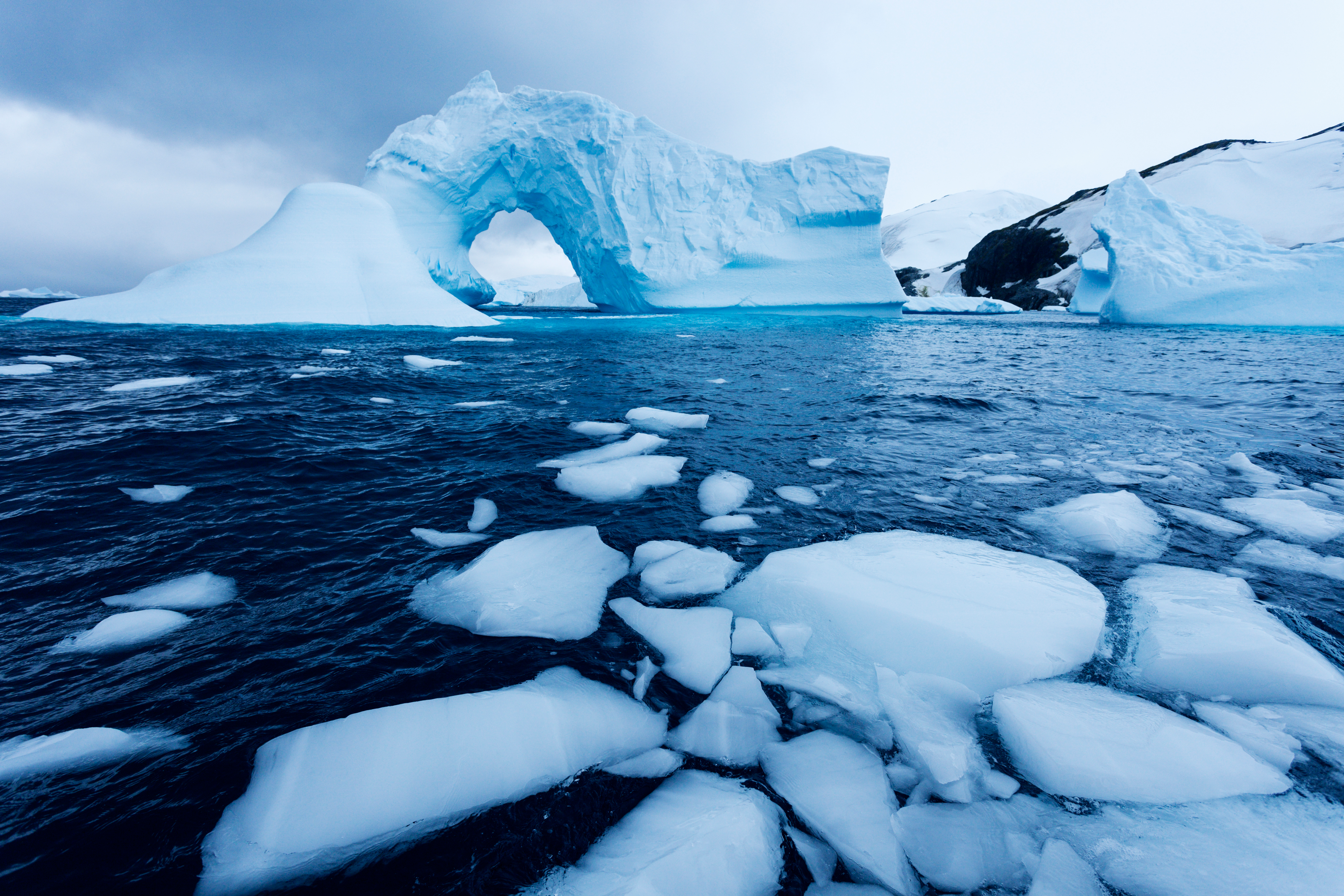 What happens to sea levels as glaciers and ice caps melt?
Sea levels rise
300
 A pond contains fish, algae, water, and dissolved oxygen.
Which TWO are abiotic factors?
Water and dissolved oxygen
300
When plants and animals die, what process returns carbon to the soil and atmosphere?
Decomposition
300
Which trophic level would have the greatest amount of energy?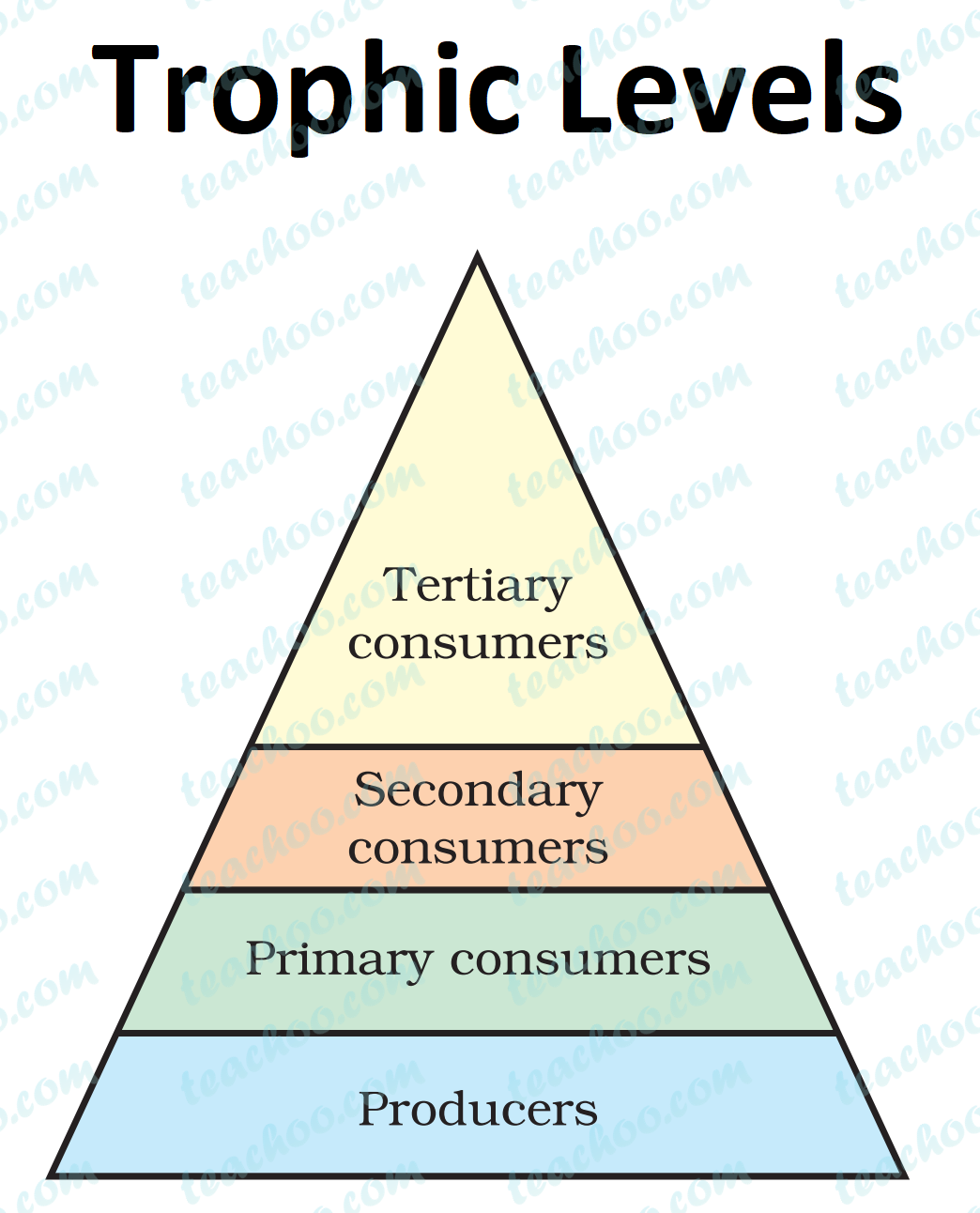
Producers
300
Name one type of biodiversity.
Genetic diversity, species diversity, or ecosystem diversity
300
How can volcanic eruptions temporarily affect Earth’s climate?
They release particles that block sunlight, causing short-term cooling
400
Explain how an abiotic factor can affect a biotic factor in an ecosystem.
Example: Low rainfall (abiotic) reduces plant growth (biotic)
400
A forest is cut down and replaced with a parking lot.
How will this change affect carbon levels in the atmosphere? Explain why.
CO₂ will increase because fewer plants are available to perform photosynthesis and remove carbon
400
Explain why only about 10% of energy is transferred from one trophic level to the next.
Energy is lost as heat and used for life processes (movement, metabolism)
400
Explain why ecosystems with high biodiversity are more stable.
More species means some can survive disturbances or changes, keeping the ecosystem functioning
400
 Explain how deforestation contributes to climate change.
Fewer trees → less photosynthesis → more CO₂ in the atmosphere → more heat trapped
500
A scientist removes all the plants from an ecosystem but leaves soil, water, sunlight, and animals.
Predict TWO major effects this will have on the ecosystem and explain why.
Possible answers:
- Herbivores will decrease (no food source)
- Oxygen levels may drop / CO₂ increases (less photosynthesis)
- Food web collapse (producers removed)
500
Describe how carbon moves through at least three different Earth systems (atmosphere, biosphere, hydrosphere, geosphere).
- CO₂ in the atmosphere is taken in by plants (biosphere) through photosynthesis
- Animals consume plants and release CO₂ through respiration
- Dead organisms decompose, returning carbon to soil (geosphere)
- Oceans (hydrosphere) absorb CO₂ from the atmosphere
500
A toxin enters a food chain at the producer level.
Predict what will happen to the concentration of the toxin at each trophic level and explain why.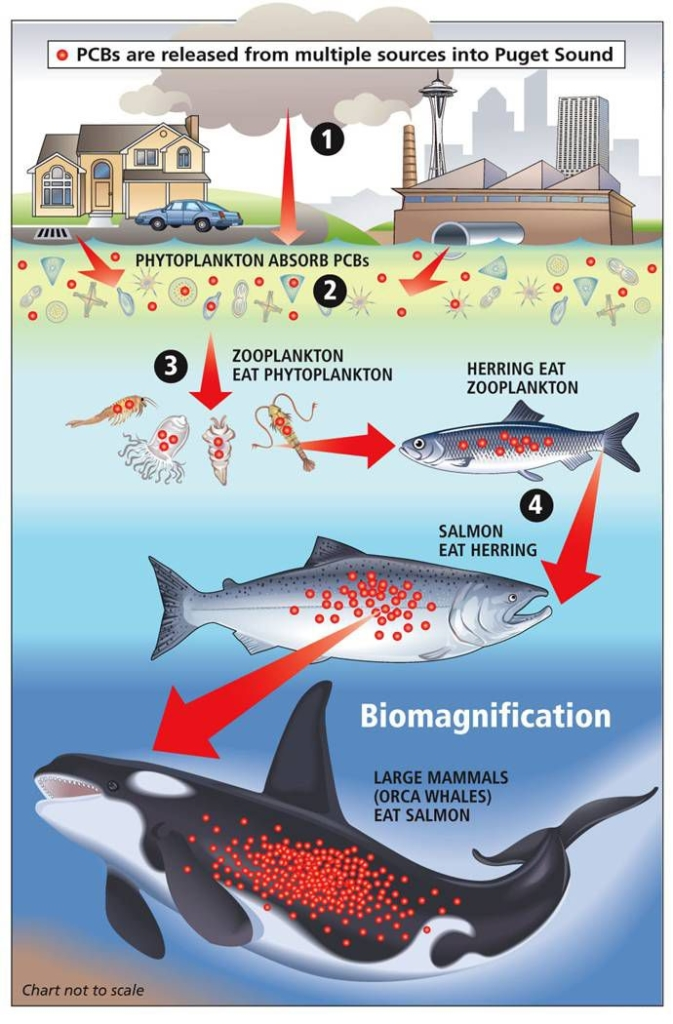
Biomagnification occurs:
- Toxin concentration increases at each level
- Top predators have the highest concentration
- Happens because organisms consume many organisms below them and toxins are not easily broken down
500
An ecosystem loses several plant species due to drought.
Predict TWO impacts this loss could have on the ecosystem and explain why.
- Herbivore populations decrease (less food)
- Predator populations decrease (less prey)
- Reduced ecosystem stability
- Disruption of food webs
- Less carbon dioxide removal (less photosynthesis)
500
Human activities are increasing atmospheric CO₂ levels.
Describe TWO different impacts this increase can have on Earth systems and explain why.
- Atmosphere: Increased temperatures due to greenhouse effect
- Hydrosphere: Ocean acidification as CO₂ dissolves in water
- Biosphere: Habitat loss and species disruption