Viruses
Immune System
Antibiotic Resistance/Vaccines
Prokaryotic
vs Eukaryotic
vs Eukaryotic
Random Pathogenesis related questions
100
Which cycle does this diagram represent? And what does this cycle result to?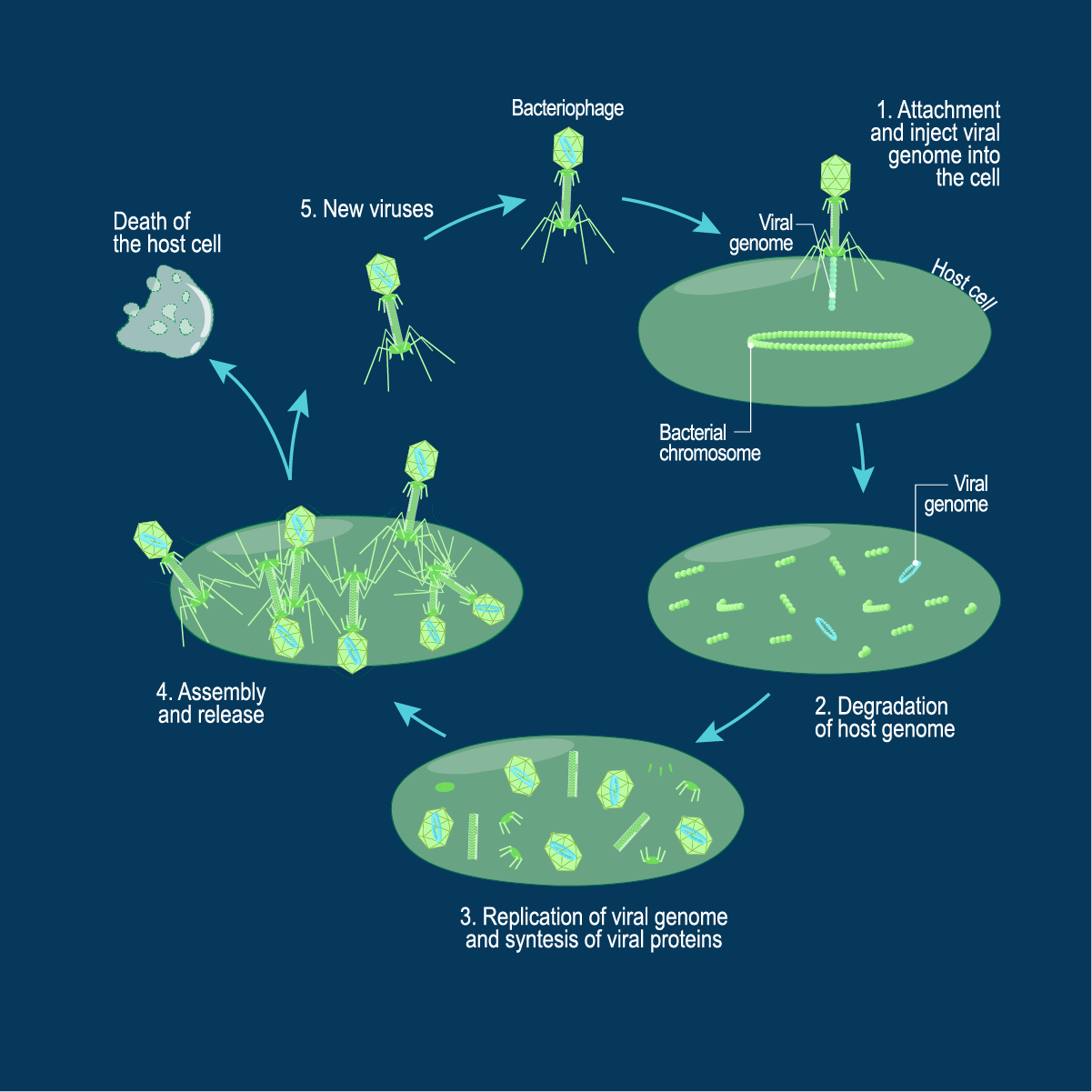
The Lytic Cycle and it results in the destruction of the infected cell.
100
A type of cell within the body capable of engulfing and absorbing pathogens.
Phagocyte
100
The resistance to the spread of a contagious disease within a population that results when a sufficiently high proportion of individuals are immune to the disease.
Herd Immunity
100
What is the difference between unicellular and multicellular organisms? Relate them with prokaryotic and eukaryotic organisms.
Unicellular: an organism consisting of one cell
Multicellular: an organism consisting of more than one cell
Prokaryotic organisms are ONLY unicellular, while eukaryotic organisms are MOSTLY multicellular but SOME unicellular.
100
The first documented person to be infected with a disease within a population.
Patient Zero
200
What are the 2 main types of genetic material? What's covid-19's genetic material?
RNA & DNA. covid-19's genetic material is RNA.
200
What is a lymphocyte?
A type of cell that recognizes antigens and produces antibodies.
200
The ability of a microorganism to resist the effects of medication that once could successfully treat the microbe.
Antibiotic Resistance
200
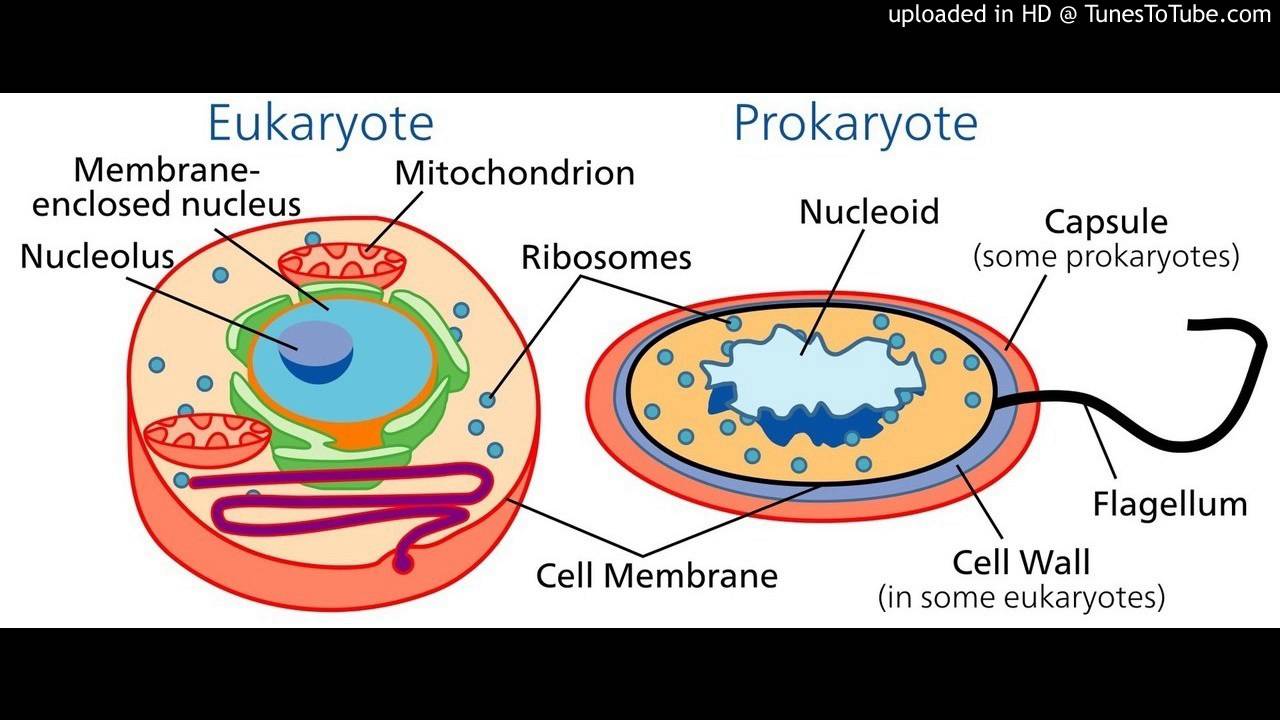
What organisms contain a mitochondrion? (Prokaryotes or Eukaryotes?)
Eukaryotes!
200
What is a pandemic?
An epidemic that’s spread over multiple countries or continents
300
Which cycle does this diagram represent? And what does this cycle result to?

The Lysogenic Cycle and it results to the viral reproduction during which the virus exists in a dormant or latent state.
300
Medications taken for this reaction most likely counter its symptoms by inhibiting the inflammatory immune response. Name the reaction.
Allergic reaction.
300
Why do most people get side effects after taking a dose of vaccine?
By allowing an external agent to enter the body, there is always the possibility that the body will respond, as the cells are made to detect any infectious agent and fight it. This is why pain, swelling, fever and irritation may occur after a vaccination.
300
Is this cell represented below prokaryotic or eukaryotic? Explain.

Prokaryotic because it does not have a nucleus.
300
The process whereby organisms better adapted to their environment tend to survive and produce more offspring
Natural Selection
400
What makes up a virus?
A virus is essentially a bundle of genetic code, either in the form of DNA or RNA, encased in a protein coating, known as a capsid.
400
What is the difference between Innate and Adaptive Immunity?
Innate Immunity: a subsystem of the immune system that prevents the movement of foreign pathogens throughout the body.
Adaptive Immunity: a subsystem of the immune system that eliminates pathogens by preventing their growth.
400
What is the difference between infectious period and incubation period?
Infectious period is the time period during which an infected organism is able to transmit a disease to other susceptible hosts.
Incubaton period is the period between exposure to an infection and the appearance of the first symptoms.
400
How do prokaryotes reproduce?
Prokaryotes reproduce using binary fission. The type of asexual reproduction in which a microorganism splits in two genetically identical offspring.
400
What are the 3 modes of transmission?

500
A process used by retroviruses during which complementary DNA is generated from an RNA template.
Reverse Transcription
500
Inactivated vaccines work by introducing certain molecules from the pathogen known as ____________ so that the immune system can safely learn to recognize them as hostile invaders and produce ____________ to fight them.
antigens, antibodies.
500
What is the difference between antibiotic and antiviral?
An antibiotic can usually treat many different types of bacterial infections. But the drugs do not affect viruses. Each antiviral only works against a specific virus. Because viruses inside cells are harder to target, antiviral drugs are more challenging to develop.
500
How do eukaryotes reproduce?
Eukaryotes grow and reproduce through mitosis and meiosis.
Mitosis: an asexual type of cell division that results in two daughter cells each having the same number and kind of chromosomes as the parent nucleus.
Meiosis: a sexual reproduction which results in 4 genetically unique offspring.
500
How do we tell if a disease has a required vaccine?
When the reproduction number of R0 is high.
When the modes of transmission are many.
When the case fatality rate is high.