Moon Basics
Name That Phase
Eclipse Models
in Motion
Seasons
100
The Moon looks bright at night because it reflects light from this object.
Sun
100
A thin crescent becomes more illuminated over several nights. Name the phase.
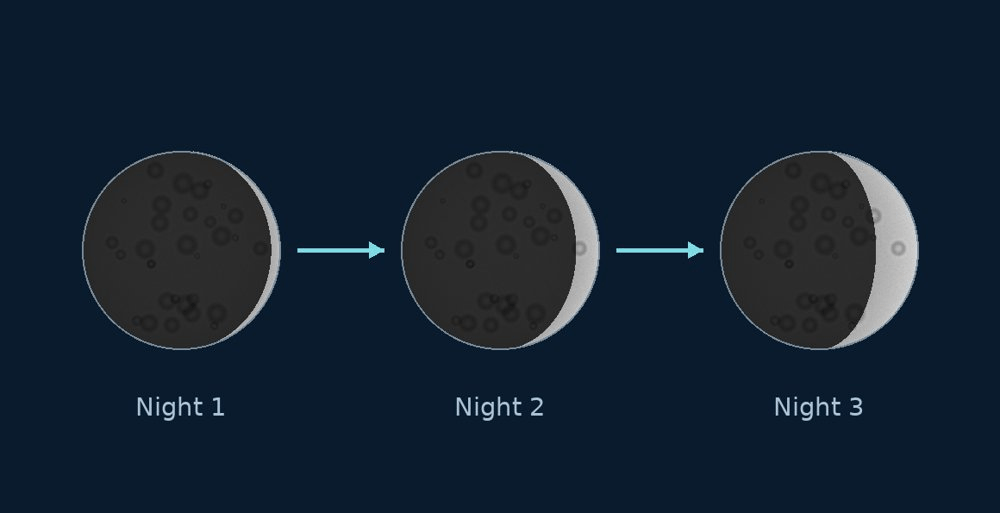
waxing crescent
100
Earth is between the Sun and Moon, and Earth’s shadow falls on the Moon. Name the event.
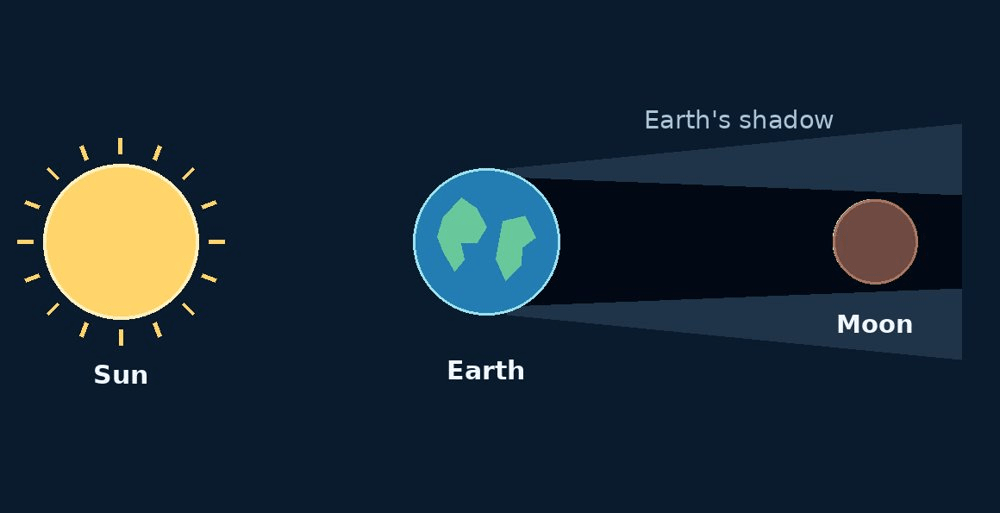
Lunar Eclipse
100
This motion of Earth makes the Moon appear to rise and set during a day.
Earth's Rotation
100
Name the two features of Earth that work together to produce its seasons.
Earth’s axial tilt and its revolution around the Sun
200
Except during a lunar eclipse, the Sun normally lights this fraction of the entire Moon.
one half
200
More than half of the visible Moon is lit, and the lit portion is growing. Name the phase.
waxing gibbous
200
The Moon is between the Sun and Earth, and the Moon’s shadow reaches a location on Earth. Name the event.
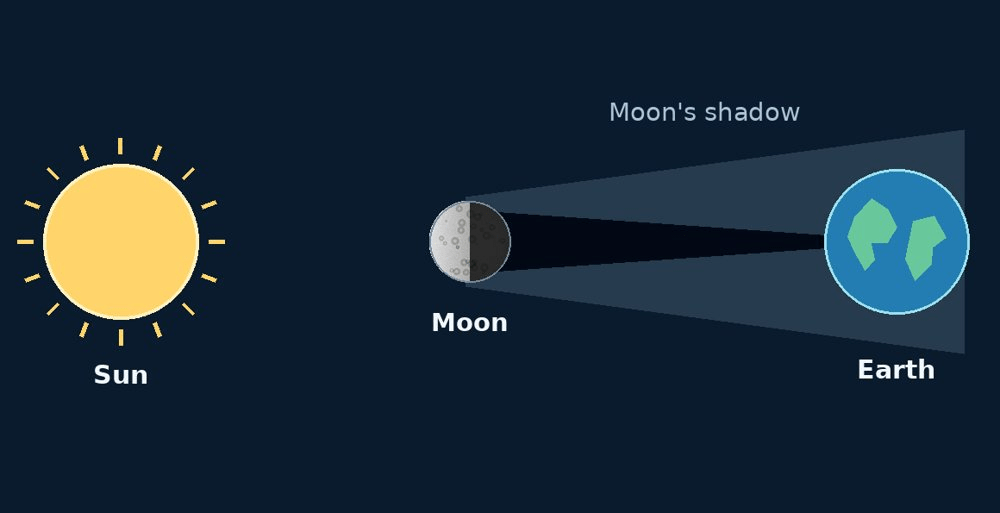
Solar Eclipse
200
The Earth’s trip around the Sun is called this motion.
Revolution
200
Earth’s North Pole tilts toward the Sun. Name the season in each hemisphere.
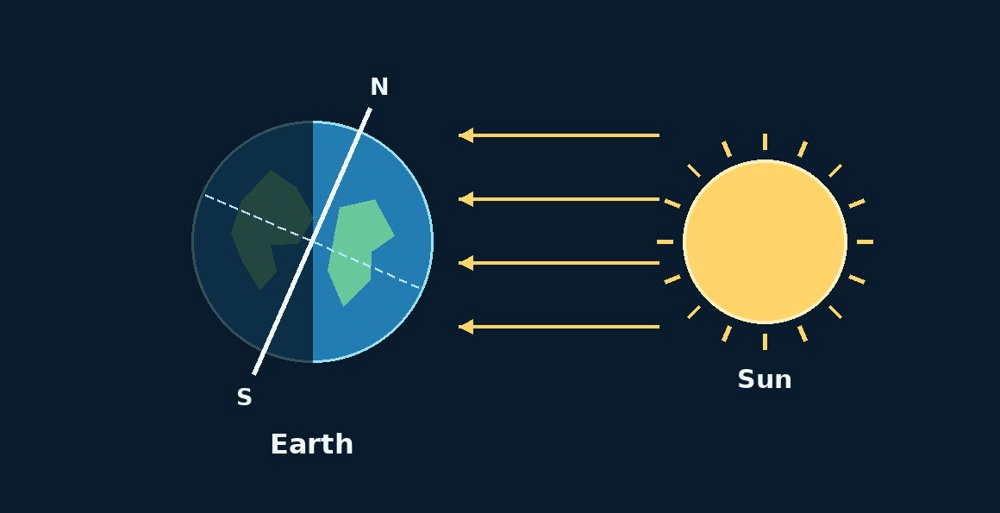
summer in the Northern Hemisphere and winter in the Southern Hemisphere
300
This explains why the Moon changes phases as it travels around Earth.
The Moon's revolution around the earth
300
More than half of the visible Moon is lit, and the lit portion is shrinking. Name the phase.
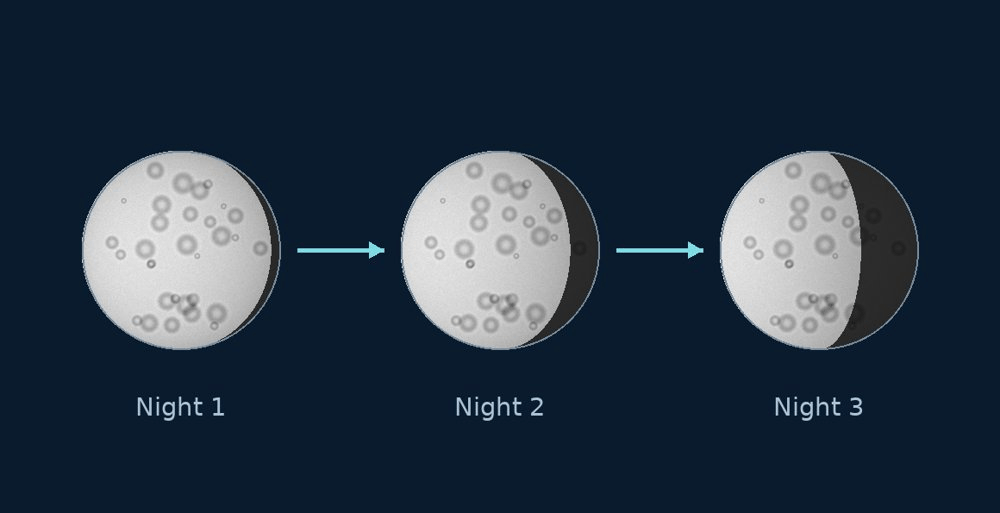
waning gibbous
300
Read this arrangement from left to right: Moon — Earth — Sun. If the Moon enters Earth’s shadow, name the eclipse.
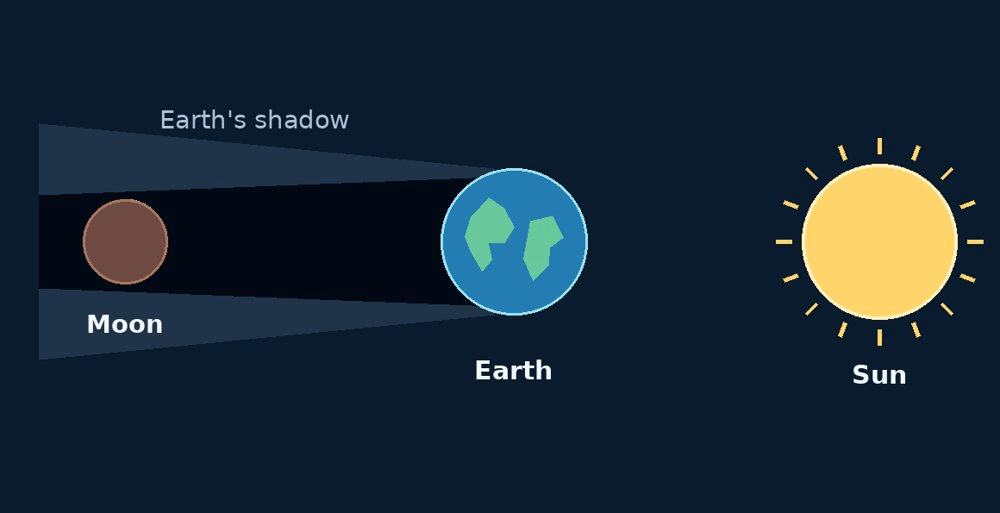
Lunar Eclipse
300
Give the approximate time from one new Moon to the next new Moon.
29.5 days
300
Compared with summer, winter in New Jersey has these two changes in sunlight.
less direct sunlight and fewer daylight hours
400
When the Moon is opposite the Sun in Earth’s sky, its sunlit side faces Earth. Name this phase.
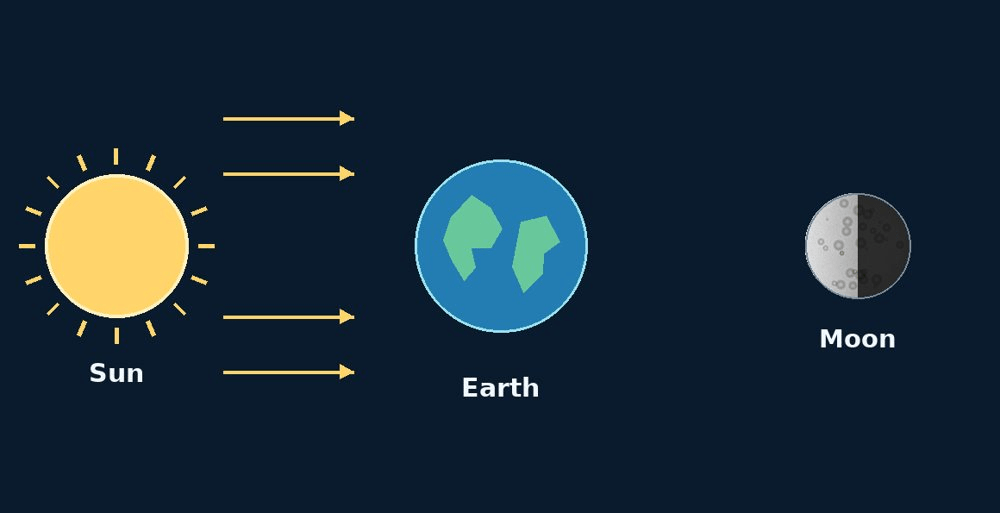
Full Moon
400
These two named phases each show half of the Moon’s visible disk illuminated.
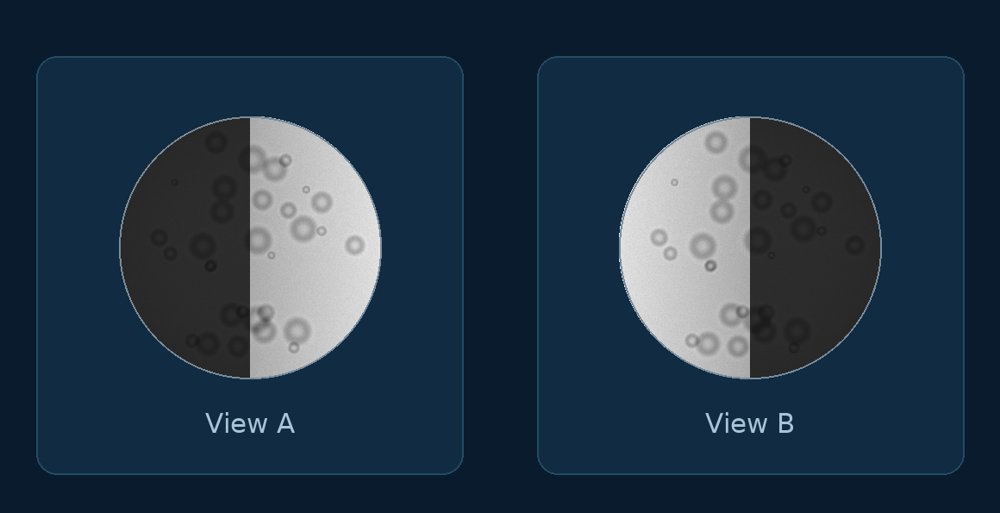
First and Last (Third) Quarter
400
Name both shadow regions: the darker inner region and the lighter outer region.
umbra and penumbra
400
How many degrees is the Earth's tilt?
23.5
400
In this model, position 1 is Northern Hemisphere winter and position 3 is summer. Following the arrows, name the seasons at positions 2 and 4.
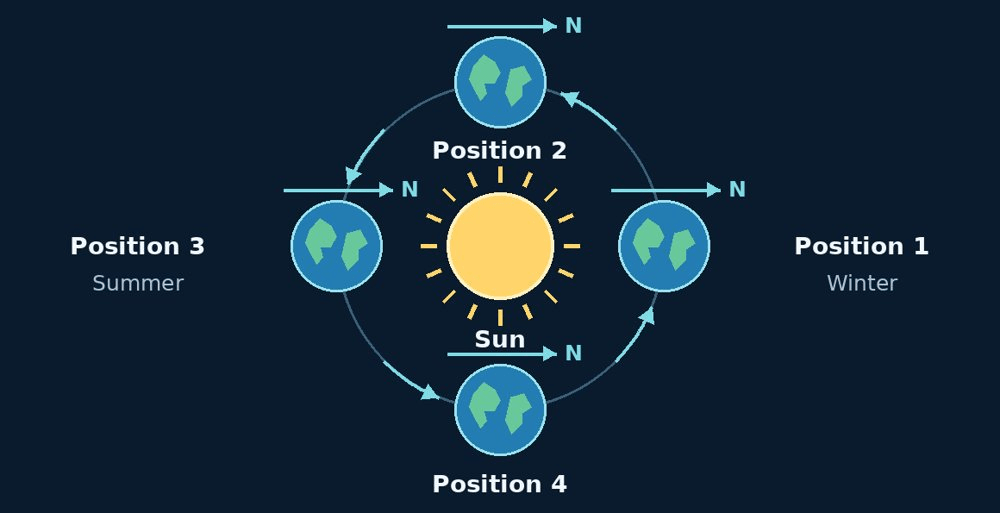
spring at position 2 and fall (autumn) at position 4
500
When the Moon is in between the Sun and Earth, its sunlit side faces the Sun. Name this phase.
New Moon
500
After a full Moon, name the next three phases in order before the new Moon.
waning gibbous, third (last) quarter, and waning crescent
500
A full Moon occurs about once each lunar cycle. Explain why there is not a lunar eclipse at every full Moon.
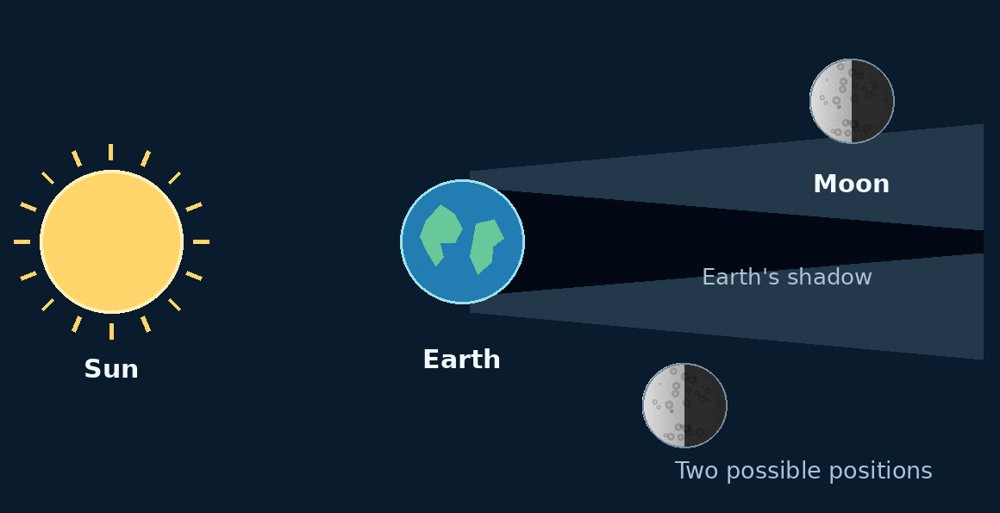
The Moon’s orbit is tilted
500
What is the light part of the shadow called, and what is the dark part of the shadow called?
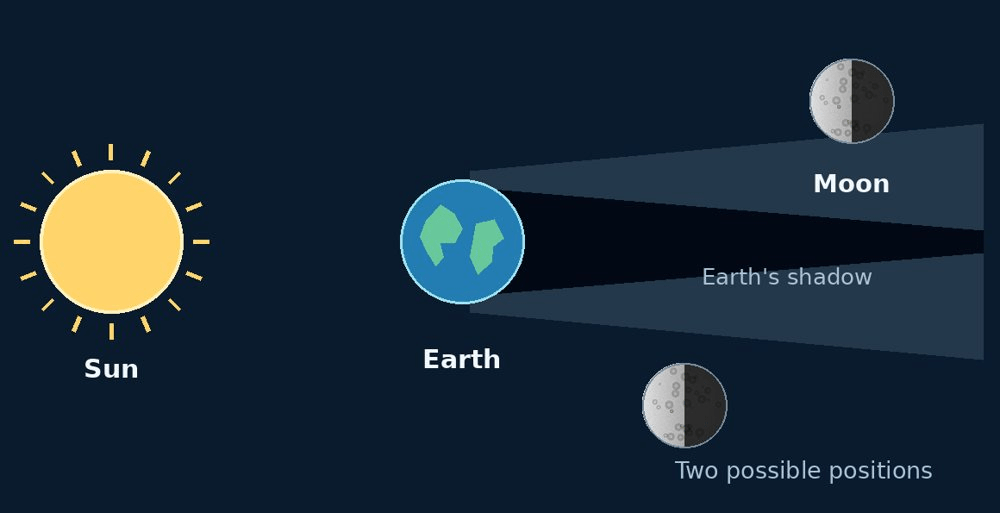
Light-Penumbra; Dark-Umbra
500
Model A shows the North Pole tilted away from the Sun. Model B shows it tilted toward the Sun. Match 34°F and 82°F to the more likely New Jersey season in each model.
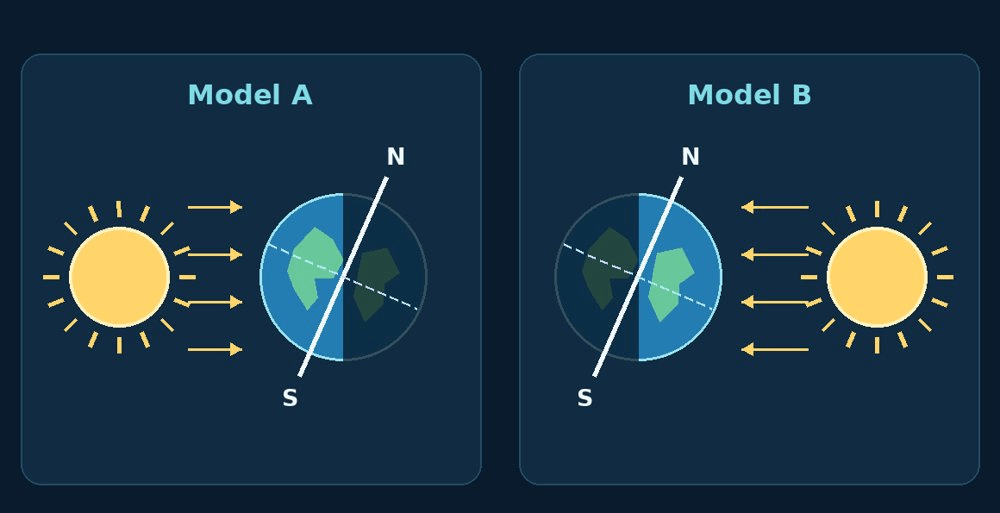
34°F for Model A (winter) and 82°F for Model B (summer)