Facts about Reflexive Verbs
EXPRESAR EN INGLÉS
EXPRESAR EN ESPAÑOL
COMPLETAR LAS FRASES I
COMPLETAR LAS FRASES II
100
What is the grammatical name of the -se that we attach to the end of verbs to make them reflexive?
Reflexive pronoun
100
Tú te peinas el pelo
You comb your hair
100
I take a bath
Yo me baño
100
Yo ___ ________ mucho en las fiestas.
despertarse (ie) / divertirse (ie)
me divierto
100
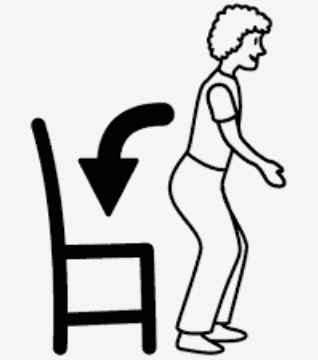
Ella ___ ________.
sentarse (ie) / sentirse (ie)
se sienta
200
True or False: Reflexive verbs are most often used when the subject reflects the action back onto itself.
TRUE
200
Marta se maquilla.
Marta puts on makeup.
200
He looks in the mirror
Él se mira en el espejo
200
Mi hermano y yo ___ ______ emocionados porque vamos a un concierto.
sentirse (ie) / sentarse (ie)
nos sentimos
200
 Él ____ ________ por la mañana.
dormirse (ue) / despertarse )ie)
se despierta
300
True or False: When you do something to someone else, like giving a child a bath, this IS an example of reflexive verbs.
FALSE
300
Yo me pongo enojado
I get angry
300
What is his name? (aka: What does he call himself?)
¿Cómo se llama él?
300
¿____ __________ tú el pelo en la ducha?
lavarse / mirarse
Te lavas
300
¿Cuándo ___ __________ Uds. los dientes?
peinarse / cepillarse
se cepillan
400
When conjugating reflexive verbs, where do you place the reflexive pronoun?
In front of the conjugated verb
400
Ellos se afeitan
They shave
400
We take a shower
Nosotros nos duchamos
400
Ella ___ _______ inmediatamente después de acostarse.
despertarse (ie) / dormirse (ue)
se duerme
400
Ellos ___ _______ chaquetas porque hace frío.
*ponerse / vestirse (i)
se ponen
500
Give an example of how a verb can change meaning just by adding or removing a reflexive pronoun.
dormir = to sleep
dormirse = to fall asleep
500
Yo me cuido
I take care of myself
I care for myself
500
I put on pants
Yo me pongo los pantalones
500
Ellos ____ _____________ para la fiesta.
*ponerse / vestirse (i) /
se visten
500
Use the verb TO HAVE FUN in a complete sentence in Spanish.
Nosotros nos divertimos en el parque.
Yo me divierto con mis amigos.
Los estudiantes se divierten en la clase de español.