Education
Industrial Revolution
Child Labor
Prisons/ Workhouses
Social Classes
100
Many poor children in Victorian times never learned to read or write because they had to do this instead.
Work
100
What was the Industrial Revolution?
The Industrial Revolution was a period of incredible change in the way things were made and how people lived.
100
Children were hired for factory work because factory owners could pay them much less than these people.
Adults
100
This institution was a last resort for the extremely poor, offering food and shelter—but under very harsh conditions.
Workhouse
100
This tiny group held almost all the power and land in Victorian England, including royalty and nobles.
The upper class
200
What are the three 'R's that children would learn about in school?
Reading, Writing, and Arithmetic
200
This new power source, which burned to heat water and create steam, was the engine of the Industrial Revolution.
Coal
200
These factories, where cotton and cloth were made, were the most common workplaces for child laborers.
Textile Mills
200
Prisoners would eat a thin watery porridge also known as...
gruel
200
This class often did not receive an education because they had to work instead.
Lower class
300
What hat would a student wear if they did not know the answer to a question or acted out in class?
Dunce hat 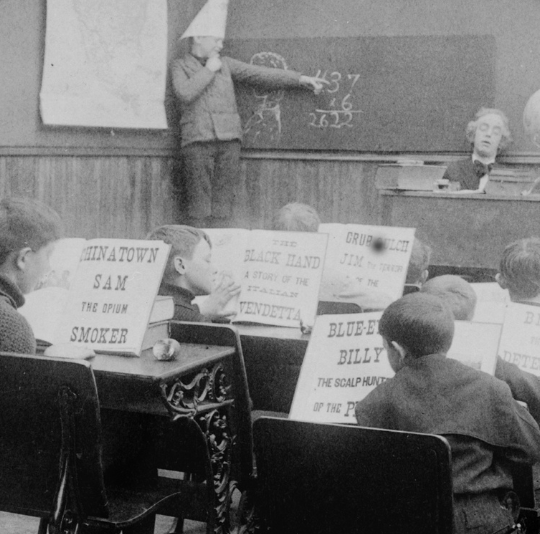
300
Goods that were once made slowly by hand in homes could now be made quickly in these large buildings.
Factories
300
This was the job of a "climbing boy" - a dangerous task that involved scrambling up these narrow passages.
Chimney Sweeps 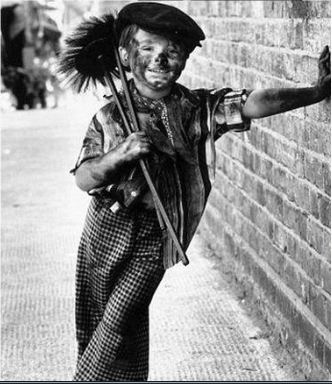
300
The goal of this law was to reduce the cost of helping the poor and to encourage people to find work on their own.
The New Poor Law
300
This class grew during the Industrial Revolution and got their wealth from jobs or business, not noble birth.
Middle Class
400
What was the tool used for arithmetic?
An abacus 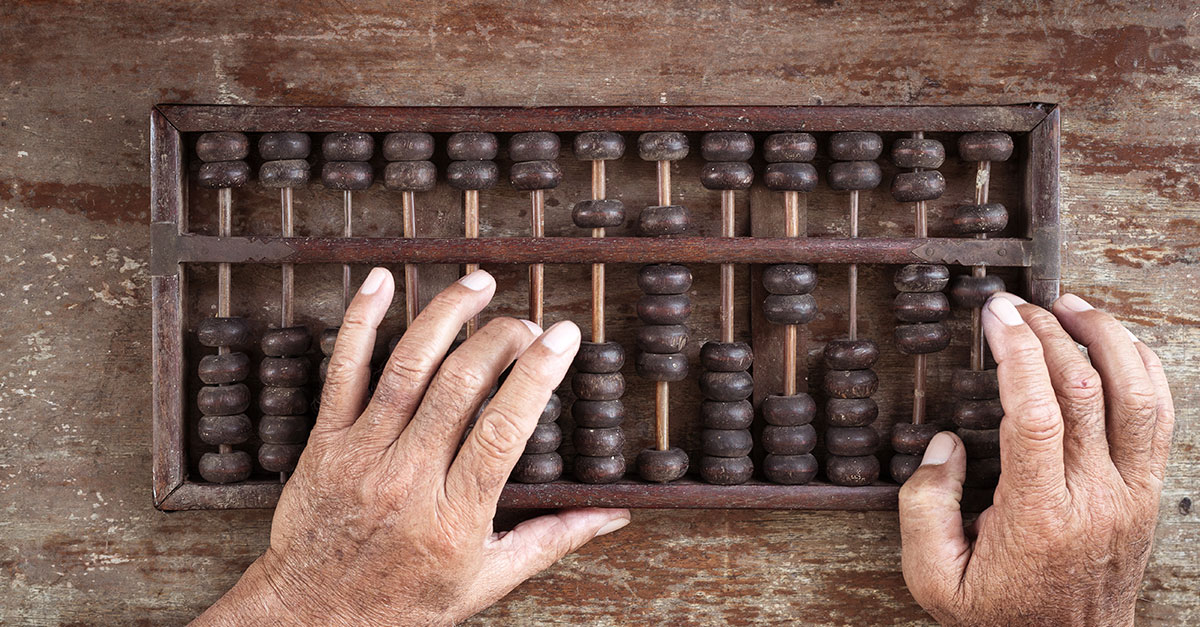
400
This invention by James Watt was crucial for powering machines in factories and locomotives on trains.
The Steam Engine
400
These laws, passed throughout the 1800s, set minimum working ages, limited hours, and required some schooling for working children.
Factory Acts
400
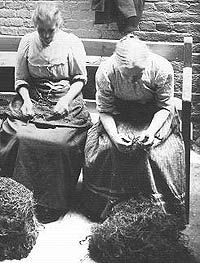
One of the hardest jobs in the workhouse had people picking apart old, tar-covered ropes into tiny fibers.
Oakum Picking
400
These workers did physical labor like factory work, mining, or cleaning, often living in crowded, unhealthy city areas.
Working class