Mechanism
Clinical Finding
Blood Work
RANDOM FACTS
100
This Vitamin activates rhodopsin, a pigment critical for the rod cells of the retina
What is Vitamin A?
An active metabolite of vitamin A helps activate rhodopsin, which is crucial in vision using rods, which are the ones responsible for low light, monochromatic vision.
100
This vitamin deficiency causes this clinical finding:

What is B2 (riboflavin)! Alternative answers do include:B5, B3, B6, B9, B12 and iron. Basically everything.
This is cheilosis. The pathophysiology is generally due to weakened skin and tissue repair, which tends to affect the side of the mouth quickly due to environmental, chemical, and mechanical exposure.
100
This mineral deficiency causes these findings on blood smear.
What is Iron Deficiency! Microcytic anemia due to impaired hemoglobin synthesis.
100
This vitamin can be stored in the liver for 3-4 years (more or less).
What is B12!
Thus, B12 deficiencies take much longer to form, as compared to B9 which can only be stored in the liver for 3 to 4 months.
200
One of this vitamin's functions is to increase reabsorption of calcium and phosphorus in the kidney
What is Vitamin D!
200
This vitamin deficiency causes this clinical finding.
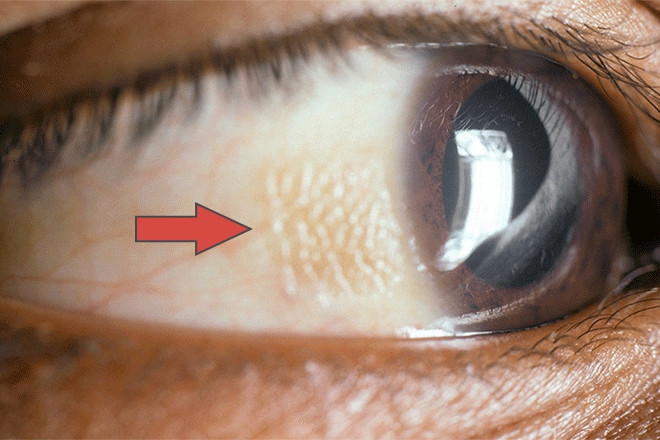
What is vitamin A!
These are bitot spots, which are areas of keratin build up caused by squamous metaplasia, which is triggered by dry, irritated eyes, which you can see in vitamin A deficiency.
200
This vitamin deficiency causes this:
What is B9/12!
decreased DNA synthesis -> nuclear maturation lagging -> cytoplasm continues to develop -> larger than normal cells.
200
This Vitamin is a teratogen, and its use in acne medication is highly controlled.
What is Vitamin A!
Isotreninoin (uncs like myself knew the brand name accutane) is a vitamin A derivative. It inhibits sebaceous gland function which helps in cystic acne.
Additionally, it causes cell differentiation and stop proliferation, which in a fetus can be a major problem (think ATRA from BI. Its a chemo drug!)
300
One of this vitamin's functions is to hydroxylate proline residues on procollagen, allowing for triple-helix formation of mature collagen
What is Vitamin C!
Vitamin C is crucial for collagen synthesis, as well as carnitine synthesis and catecholamine metabolism. It also plays a role in iron absorption.
300
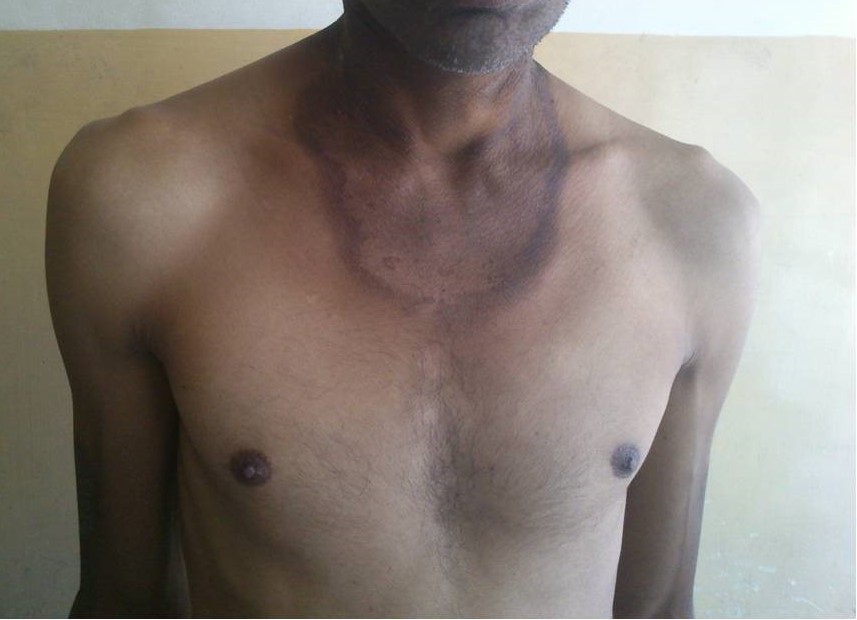
This vitamin deficiency, when severe enough is characterized by the 3 Ds: Diarrhea, dermatitis, and dementia
What is vitamin B3!
In this case, a severe vitamin B3 deficiency can cause pellagra. Pellagra is characterized by those three symptoms. The dermatitis generally forms around the neck, forming "Casal's Necklace"
300
This vitamin deficiency causes this special RBC on blood smear 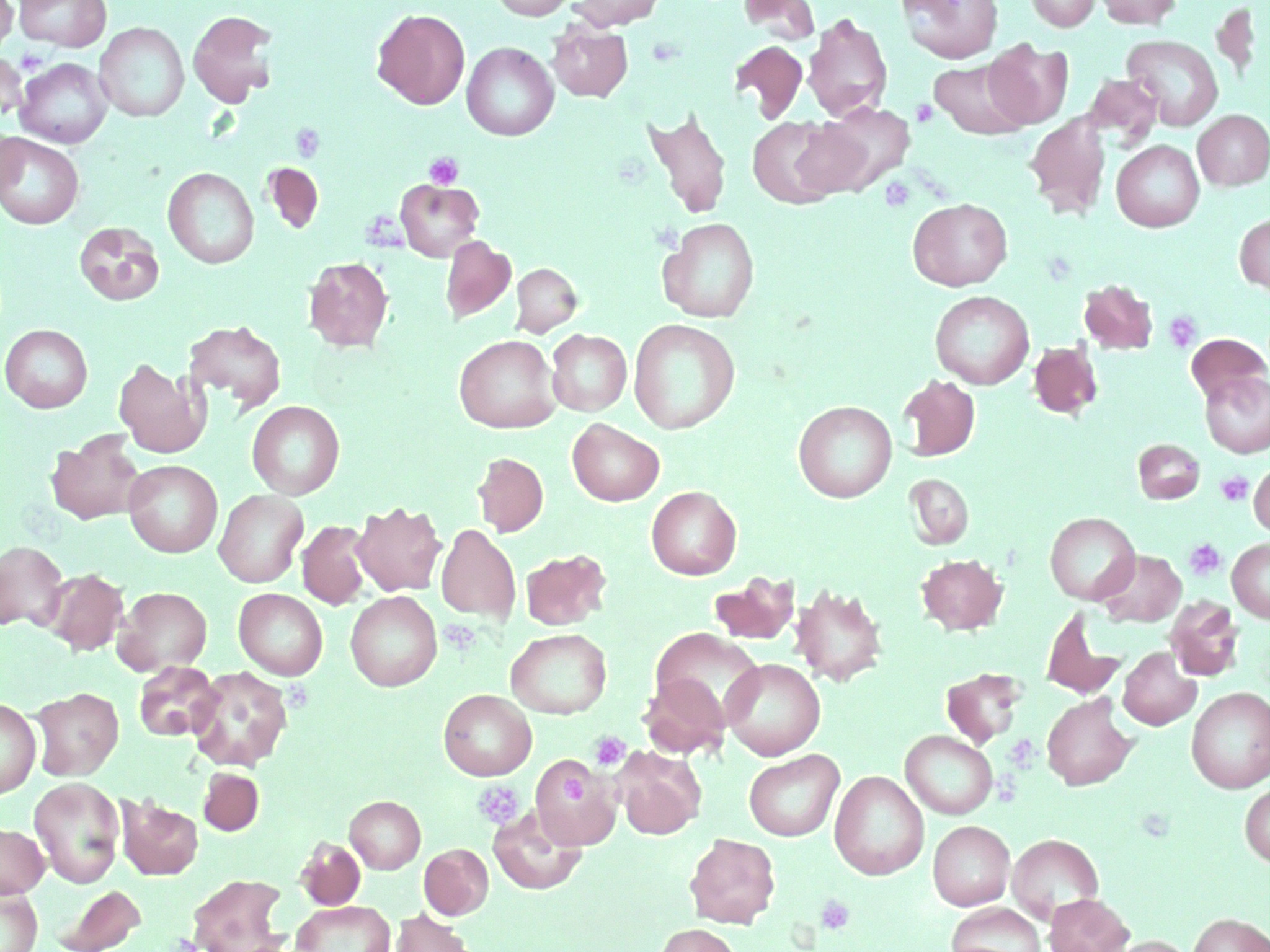
What is Vitamin E deficiency!
The cell type is acanthocytes, and it is hypothesized that they are formed in this deficiency because of increased oxidative stress, because of lack of vitamin E, which normally reduces oxidative stress.
BONUS QUESTION ALERT!!! What other disorder that we recently talked about can result in this finding on blood smear as well?
300
This vitamin is being studied as a potential treatment for Alzheimer's Disease.
What is Vitamin E!
The theory is that in vitro studies have shown that vitamin E, and its anti-oxidant properties, can counter act the oxidative stress of induced by Ab ... but the data is not too positive on it being effective.
400
One of this vitamins roles is to create CoA.
What is Vitamin B5!
This is a really rare deficiency, but it can happen in severe starvation states, like you might see with marasmus. Typically you might see GI upset, fatigue, disturbed sleep, and burning sensation in the hands and feet (due to myelin disruption).
Random fun fact, in animal studies treatment with B5 has shown to improve wound healing (but they kinda just stopped the research there???)
400
What vitamin deficiency causes this clinical symptom:

What is Vitamin C!
These are corkscrew hairs, which are formed when there is abnormal collagen synthesis, as seen in vitamin C deficiency.
BONUS: What other symptoms might you see with a vitamin C deficiency?
400
This vitamin deficiency causes this blood panel.
Complete Blood Count
WBCs: 7.5 × 10⁹/L. [4.5-11.0 × 10⁹/L]
Hemoglobin: 13.5 g/dL [13.5-17.5 g/dL (M), 12.0-15.5 g/dL (F)]
Hematocrit: 40%. [38-50% (M), 35-45% (F)]
Platelet Count: 250 × 10⁹/L. [150-400 × 10⁹/L]
MCV: 89fL. [80-100 fL]
PT: 45 seconds. [9.5-13.1 seconds]
INR: 4.20. [.9-1.1]
aPTT: 52 seconds. [25.1-36.5 seconds]
What is vitamin K!
Here we see elevated PT and PTT. Vitamin K is crucial for gamma carboxlyation of factors II, VII, IX, and X (and protein C and S). It's activation is inhibited by Warfarin, a blood thinner.
400
This vitamin is used as part of treatment for measles.
What is Vitamin A!
It is not the only treatment, and is not an effective alternative to a vaccine in measles prevention (but you know this already).
500
This vitamin serves as a co-factor for many carboxylase reactions.
What is Vitamin B7!
Deficiency in B7 can manifest as alopecia, CNS symptoms, dermatitis around the mouth, hearing loss.
FUN FACT: You can get this deficiency by eating large amounts of raw eggs because they contain avidin, which binds to biotin and blocks absorption.

500
Patients with this vitamin deficiency present with ataxia, decreased vibratory sense, and retinopathy. But there is not megaloblastic anemia found on blood smear.
What is Vitamin E deficiency!
A very rare deficiency, this is usually caused by fat malabsorption. Vitamin E functions as an anti-oxidant, and apparently the reduced anti-oxidant capacity hits nerves first, causing the ataxia and sensory issues. It also causes retinopathy via the same mechanism. It is notable that it does not cause megaloblastic anemia, as it sometimes can be confused with B12 deficiency
500
This VITAMIN can cause this blood smear.
What is Vitamin C?
Vitamin C plays a role in non-heme iron absorption, and thus with less vitamin C in your body, you absorb less iron. Its the same image as the IDA question.
500
BONUS QUESTION: This vitamin was once thought of to be a treatment for polio.
What is Vitamin C!
There were a few studies that showed that if mixed with polio before infection, vitamin C improved clinical outcomes ... in monkeys. The data never was transferable to humans, and couldn't be replicated either.