Water on Earth
Rivers
Groundwater
Water Cycle
Rivers in Spain
100
This is a large body of salt water, but smaller than an ocean.
What is a sea?
100
The three main stages (or courses) of rivers.
What are the upper, middle, and lower courses?
100
Water that is absorbed into the ground and collects in spaces between rocks.
What is groundwater?
100
The four stages of the water cycle.
What are evaporation, condensation, precipitation, and collection?
100
River letter f.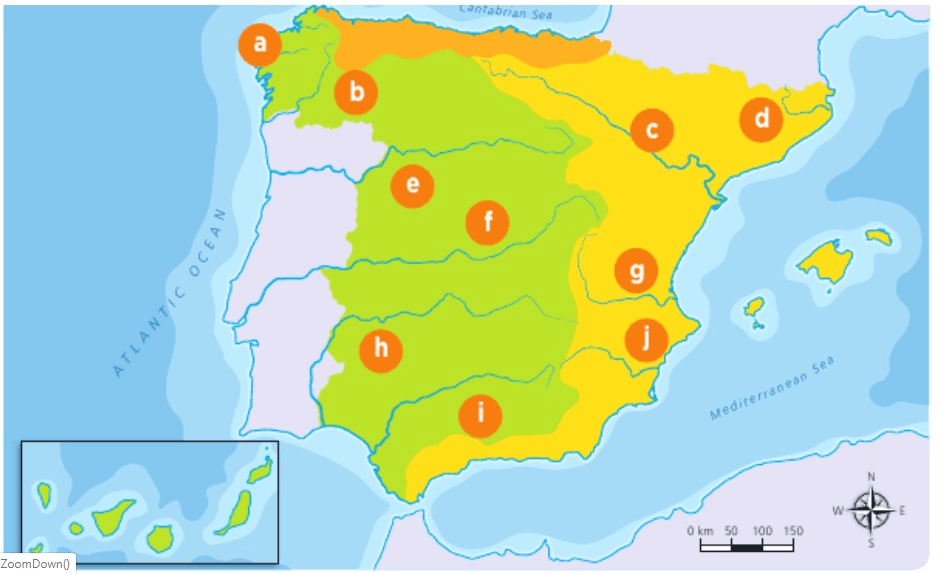
What is the Tajo?
200
The five oceans of the world.
What are the Atlantic, the Pacific, the Southern, the Indian, and the Arctic Oceans?
200
The ground under a river.
What is the riverbed?
200
A place humans can get water from groundwater.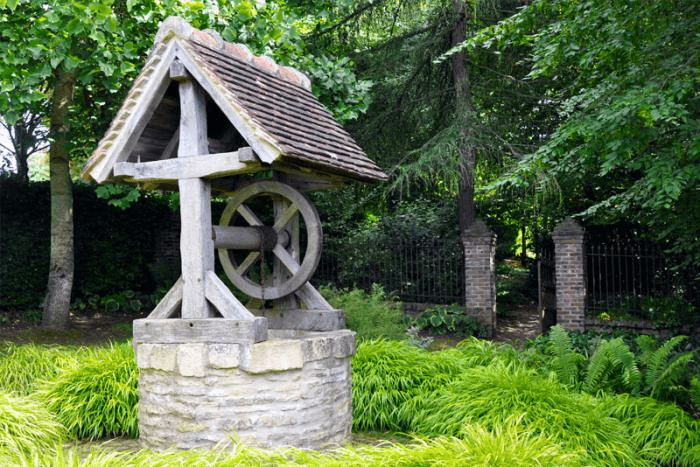
What is a well?
200
When water vapor rises and cools to form clouds.
What is condensation?
200
River letter e.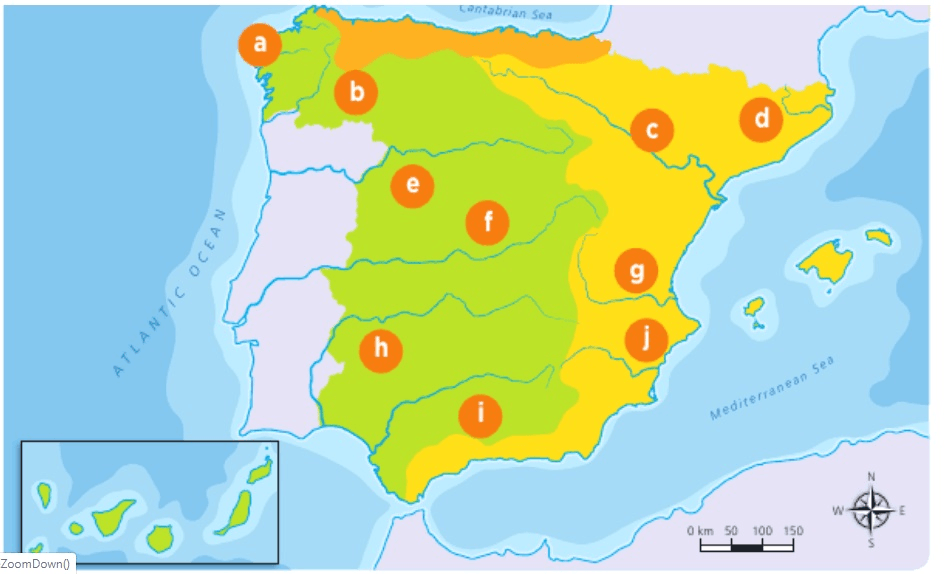
What is the Duero?
300
The longest river in the world.
What is the Nile River?
300
A river that flows into another river.
What is a tributary?
300
The type of water that is groundwater.
What is fresh water?
300
When water rises into the air as water vapor.
What is evaporation?
300
River letter j.
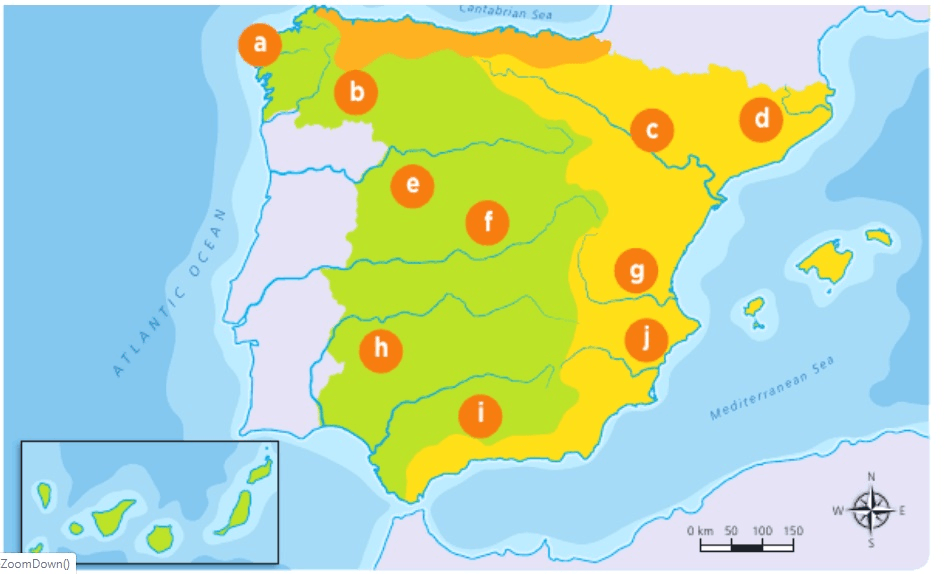
What is the Segura?
400
The type or types of water found in lakes.
What is fresh and salt water?
400
The place where a river meets another river or an ocean, sea, or lake.
What is the mouth?
400
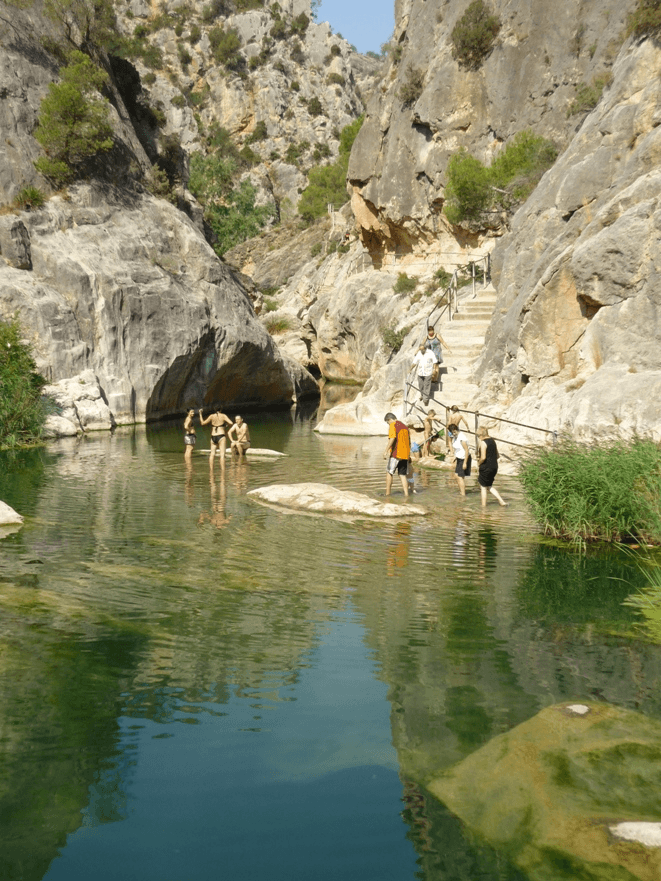 Where groundwater comes up naturally to Earth's surface.
What is a natural spring?
400
When water droplets get to heavy in the clouds and begin to fall.
What is precipitation?
400
River letter d.
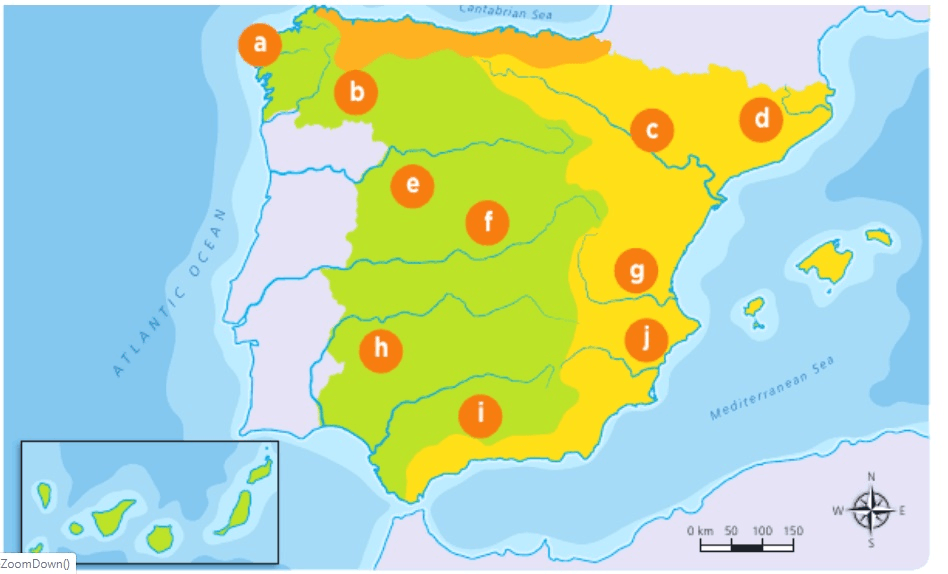
What is the Ter?
500
Two parts:
1. How much of Earth is covered in water.
2. How much of the Earth's water that is fresh water.
1. What is 70%?
2. What is 3%?
500
The places where a river curves.
What are meanders?
500
The main source of water for drinking and watering plants.
What is groundwater?
500
When ice on the top of mountains evaporates directly into the air.
What is sublimation?
500
Two of the rivers that are part of the Cantabrian watershed.
What are the Eo, the Narcea, the Nalón, the Nervión, and the Bidasoa?
(at least 2)