Waves
Tides
Currents Part 1
Currents Part 2
Vocabulary
100
True or False: Water moves across the sea surface in a wave.
False
100
This gravitational pull is stronger - causing tides
The moon's
100
What drives surface currents?
Wind
100
Strong winds westward allows for deep, cold water to replace it. What is this called?
Upwelling
100
The vertical difference in water level between high and low tide
tidal range
200
The most common type of wave
wind wave
200
The moon and sun are aligned with Earth during this type of tide.
Spring tide
200
What event gives currents their spiral patterns?
Coriolis Effect
200
These types of currents have increased rates of evaporation and heavy rainfall.
Warm surface currents
200
This type of tide has the smallest tidal range of the month
Neap tide
300
The part of the wave indicated by the blue line.
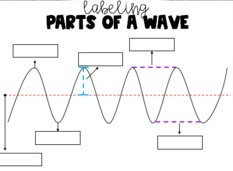
amplitude
300
What kind of tide is this?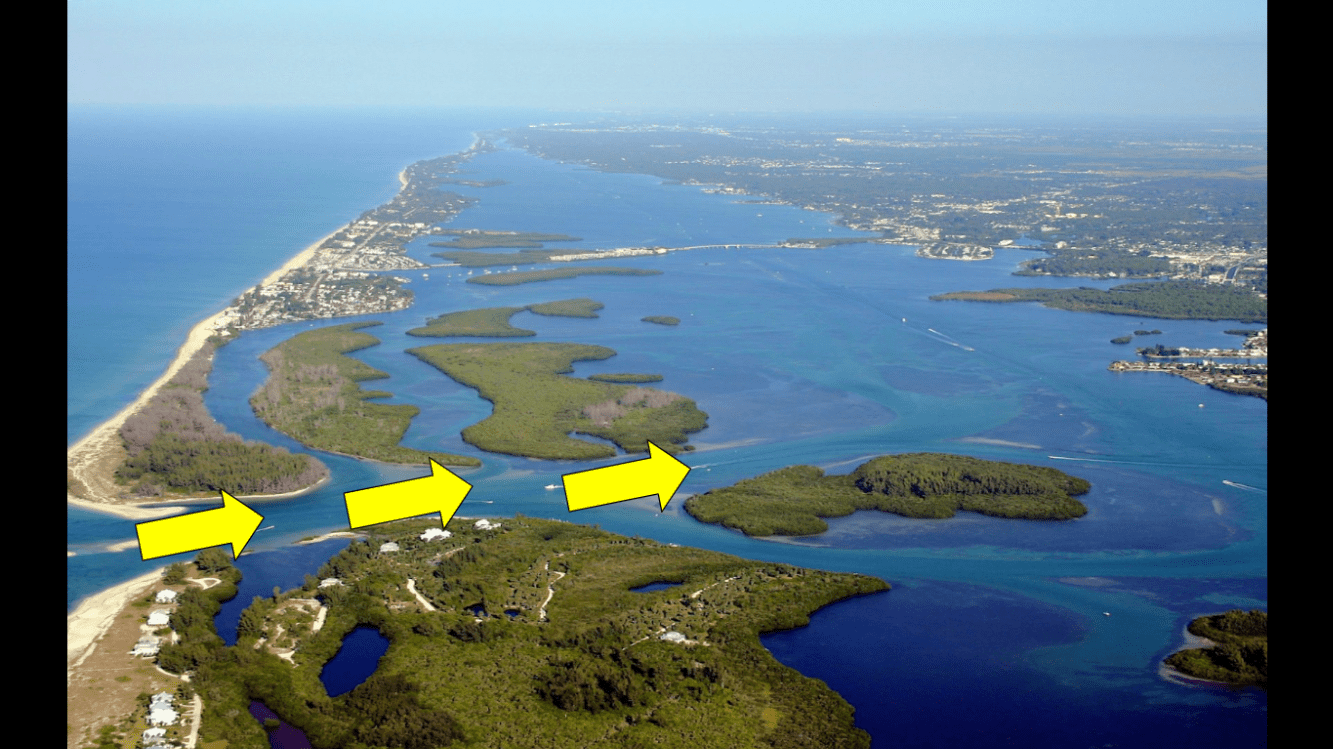
Flood tide
300
This current transports large amounts of heat energy toward Western Europe.
The Gulf Stream
300
Cold, salty water sinks or floats?
Sinks
300
The time it takes for a wave to move a distance of one wavelength
wave period
400
Tsunamis are typically due to what three things?
submarine earthquakes, volcanic eruptions, and underwater landslides
400
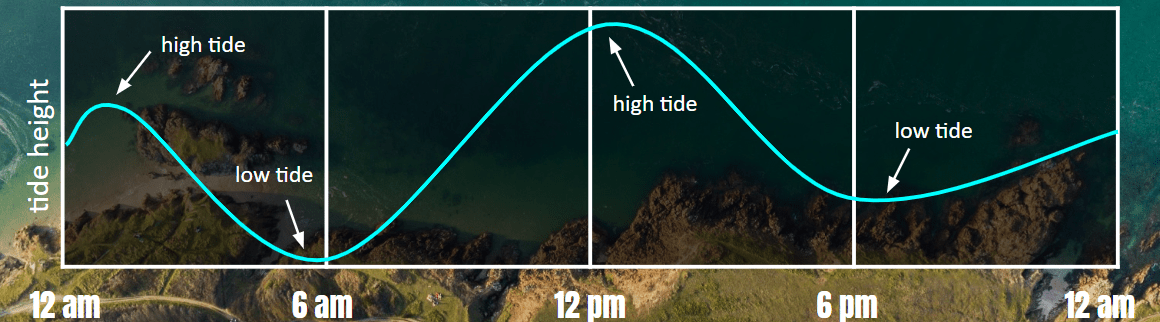 What type of tide is this?
mixed tide
400
In which ocean does El Nino occur?
Pacific Ocean
400
What is this event called?
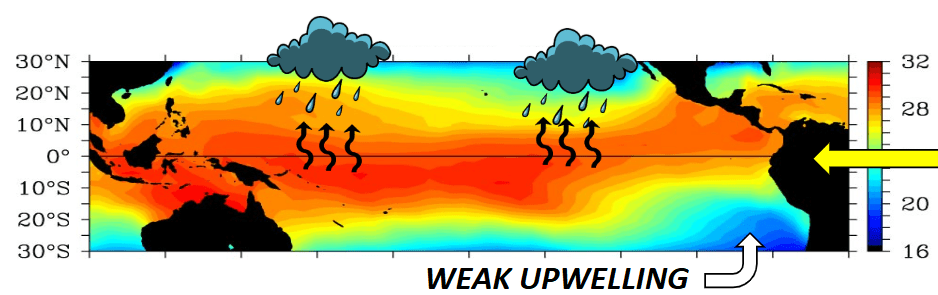
El Nino
400
Saltier surface water coming from the equator gets cold and sinks, forming this current.
North Atlantic Deep Water Current
500
A wave passes a surfer at 4 m/s and 2 seconds later, another wave hits the surfer. What is the wavelength of the waves? (C=L/T) DONT FORGET THE UNITS!
8 meters
500
Without the tides constantly circulating, these two things could happen to some estuaries (Hint: something about oxygen and salt...)
hypoxic or hypersaline
500
Which gyre is located here?
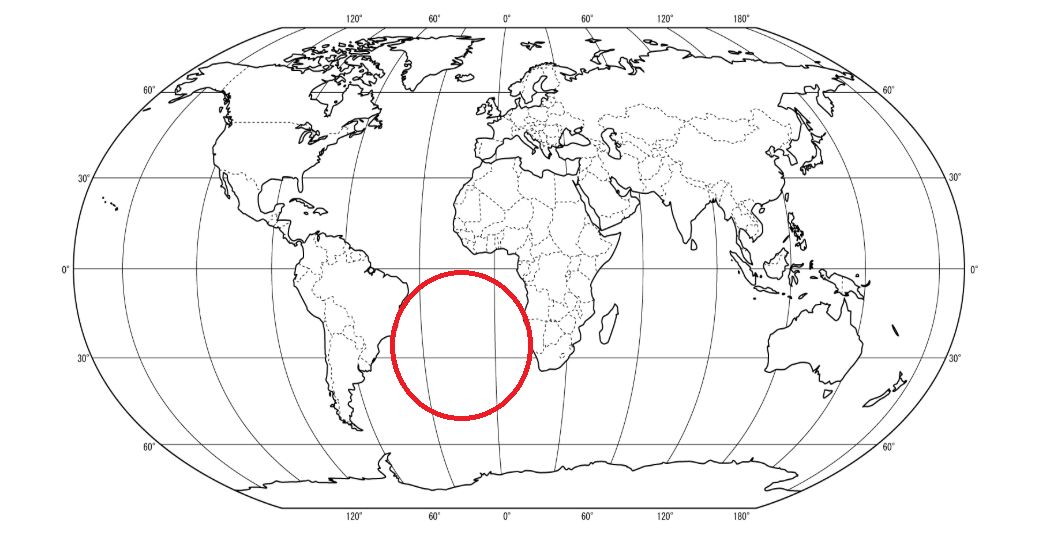
South Atlantic Gyre
500
These slow-moving currents travel through all of the oceans.
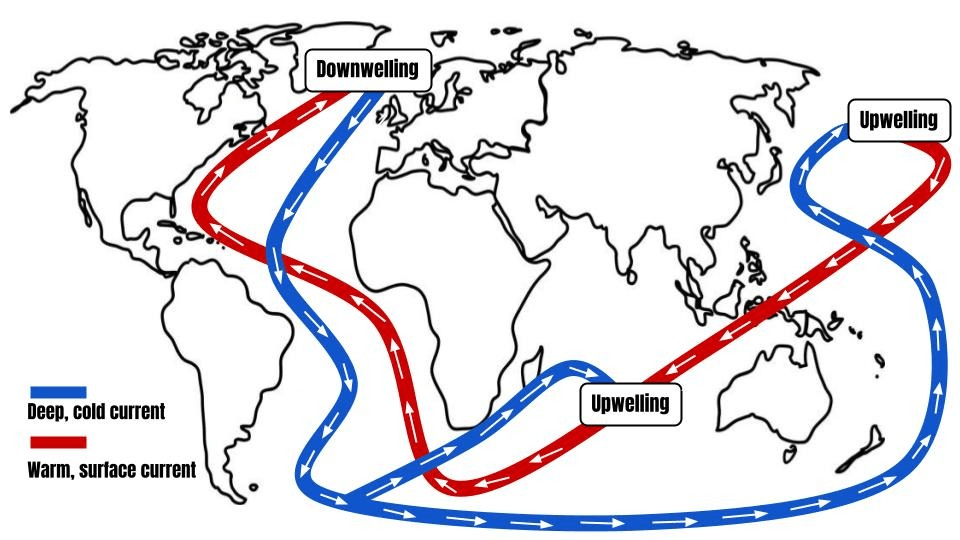
Great Ocean Conveyor Belt
500
When tradewinds are stronger, colder waters are present in the Pacific. This event is called...
La Nina