Bites and Stings
Hypothermia
Plants
Altitude Illness
Avalanche
100
You are hiking in Arizona, and your friend gets bitten by this snake. What is the next best step?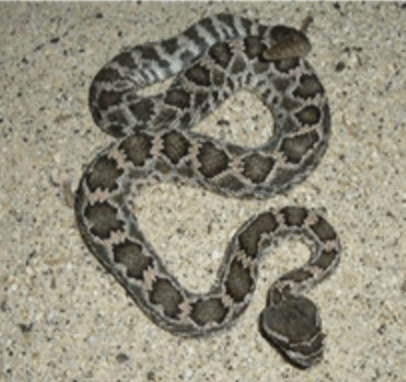
Evacuation for antivenin
100
What is the most common cause of death in hypothermia?
Cardiac arrhythmias (especially VF)
100
What single lab value helps guide futility in severe cardiac glycoside poisoning?
Serum potassium - 5.5-6.0 poor prognosis
100
What physiologic mechanism is primarily responsible for high-altitude pulmonary edema (HAPE)?
Hypoxic pulmonary vasoconstriction causing elevated pulmonary artery pressures and capillary leak (non-cardiogenic pulmonary edema)
100
What is the most common cause of death after avalanche burial?
Suffocation
200
How long does it take to transmit Lyme disease from ticks to humans?
2-3 days in most cases (36 hours or longer)
200
How long should a pulse check last in hypothermia?
60sec
200
You accidentally touched this plant while hiking. What is it and what's the best way to treat it?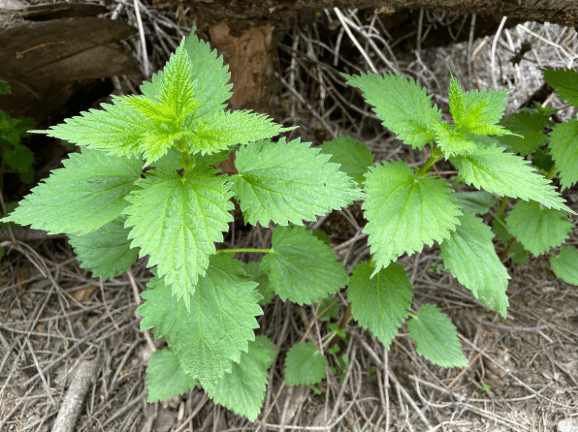
Stinging Nettle. Don't touch for 10 min, then wash with soap and water. (chemicals easier to remove if dry on skin first). Can then use tape to take off fibers.
200
Why can lactate be elevated in altitude illness without shock?
Hypoxia-driven anaerobic metabolism.
200
At what slope do most deadly avalanches occur?
30-45 degrees
300
How long does it take to transmit disease from mosquito to human?
Instantaneously. Transmits disease almost 100% of the time
300
At what core body temperature can you declare death?
Greater than 32C =89.6 °F
300
Which lab abnormality predicts poor prognosis in amatoxin poisoning?
Rising INR
300
What single physical exam finding most reliably distinguishes HACE from AMS?
Ataxia
300
What is the probability of survival after complete burial in an avalanche for 35 minutes?
10-30%
400
What is the best method for ensuring all ticks have been removed from your clothing after camping?
Washing with hot water and drying in high heat for over an hour
400
List at least 2 ways ACLS protocols differ during resuscitation of a hypothermic patient?
-For those with severe hypothermia <30C, can attempt defibrillation once
-Pacing not indicated, as heart usually doesn't respond to this
-Withhold medications until core temp is above 30C
-If core body temp >30, increasing intervals between doses due to slowed metabolism
-For those in cardiac arrest, should perform internal rewarming (peritoneal, pleural and bladder lavage)
400
Which medicinal plant led to the discovery of artemisinin, now a cornerstone treatment for malaria?
Artemisia annua, sweet wormwood
400
An ECG in a high-altitude patient shows right axis deviation, RBBB pattern, and T-wave inversions in V1–V3. What altitude-related condition does this support?
HAPE - represents right heart strain
400
What is a snow cornice?
Overhanding edge of snow on leeward side of mountain.
500
What laboratory abnormalities best predict severity of pit viper envenomation?
Coagulopathy - low fibrinogen, thrombocytopenia, elevated INR, high CK
500
What paradoxical behavior may be seen in severe hypothermia?
Paradoxical undressing, as well as "terminal burrowing behavior" aka "hide-and-die syndrome"
500
Name one plant that can cause an anticholinergic toxidrome.
Datura stramonium, Jimsonweed
Atropa belladonna, Deadly Nightshade
Hyoscyamus niger, Henbane
Mandragora officiniarum, Mandrake
500
Why does acetazolamide improve sleep quality (especially for those with sleep apnea) at high altitude?
Decreases the Apnea-Hypopnia Index (#of apnea events per hour). Induces metabolic acidosis → stimulates ventilation → reduces periodic breathing.
500
What three factors are commonly referred to as the “avalanche triangle” that determine avalanche risk?
Terrain, snowpack, and weather