I am idea, theor y roar!
🧅s & 👹s
Out of Bound(aries)
THINGS 🍽️s DO
Like a 🐟 to 🌊
(waves and scales)
(waves and scales)
100
This is the person who first suggested continental drift hypothesis.
Alfred Wegener
aka Alfy Weggy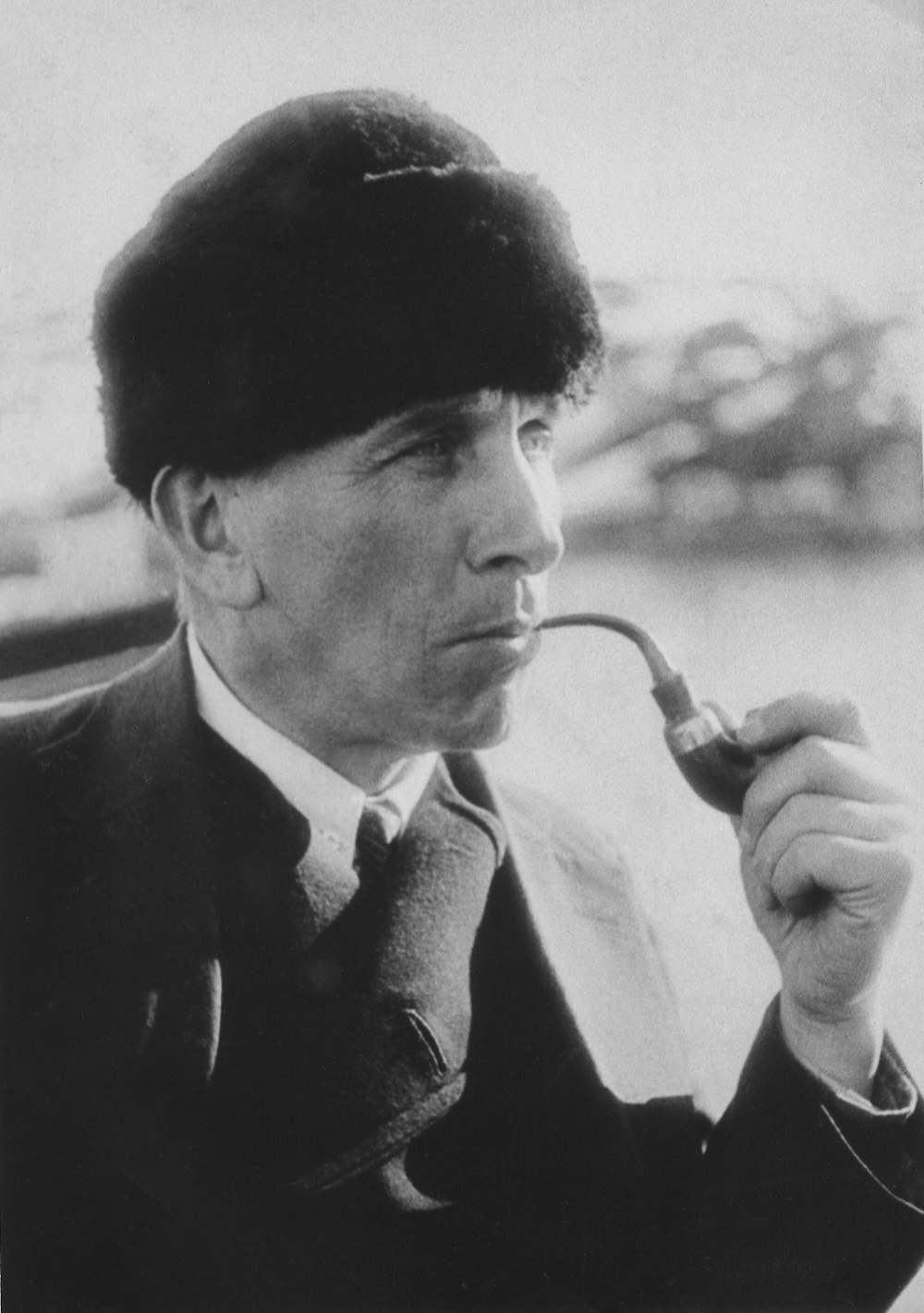
100
The thinnest layer of the Earth
crust
100
transform
100
These shaky events can occur at ALL types of plate boundaries.
earthquakes
100
The scale that we pretend is still in use to measure earthquake shaking.
Richter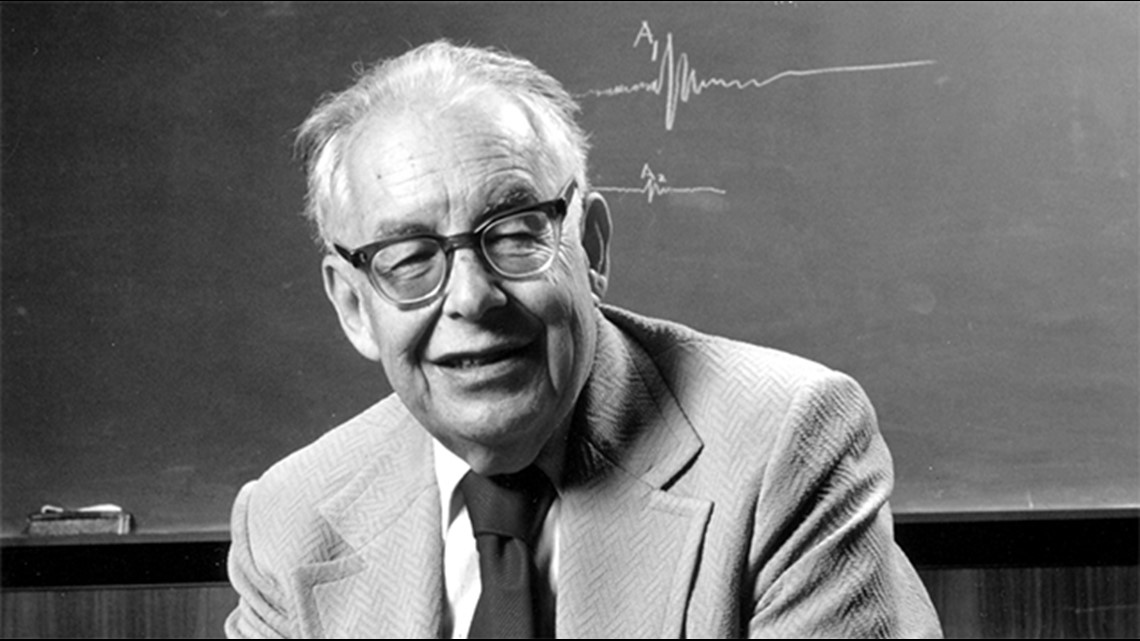
200
This idea replaced continental drift hypothesis once there was additional evidence to back it up.
Theory of Plate Tectonics
200
The only layer of the Earth that is a liquid.
outer core
200
Creates new, young, hot rock - usually in the middle of the ocean.
divergent
(constructive)
200
These occur at divergent boundaries, subduction zones, and hot spots.
volcanoes
200
Three names for the waves that arrive first.
P-waves
Primary waves
comPression waves (pressure waves)
300
The name for a hypothetical landmass where all of the continents on Earth and squished together.
Pangea
300
Tectonic plates exist on this layer, which includes the crust and the upper part of the mantle.
lithosphere
300
eeeeeee CRASH
convergent
(destructive)
300
This type of plate is more dense, so it tends to sink in boundaries.
oceanic
300
Three names for the waves that arrive second
S-waves
Secondary waves
Shear waves
400
This evidence finally convinced scientists that continental drift hypothesis had some merit.
Observing seafloor spreading with lil' robots.
400
Tectonic plates float around on this layer, which is mostly made of the lower mantle.
asthenosphere
400
It's not my FAULT, this type of large crack in a rock just happened when my plates ripped apart!
normal
400
The little valley in the middle of a mid-ocean ridge is called a...
rift
400
Surface waves only travel near the surface (duh).
What are two types of L-waves that we learned about?
Love and Rayleigh
500
This idea proposes that Earth has always been the way that it is and isn't moving around at all, thank you very much.
fixism
500
This is the word used to describe a material that is solid but still deformable.
plastic
500
If you make me learn any more names for things, they will _____ out of my head and I will go on _____.
⇆
slip-strike
500
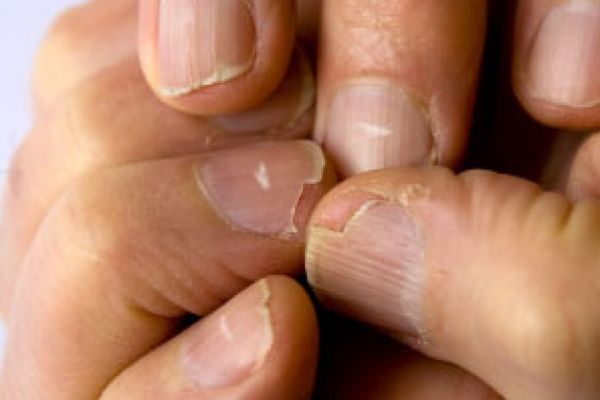
This is how fast most tectonic plates move
1 to 15 cm per year
(about as fast as human fingernails grow)
500
An example of a more modern scale that scientists today might use to measure earthquake shaking.
moment magnitude scale
(I don't remember this,
and neither should you 😎🚨)