Science Inquiry Skills
Earth movements
Moon Phases
Eclipses
Tides
Seasons
100
A scientist changes the amount of fertiliser given to a plant. What is the independent variable?
Amount of fertiliser.
100
What is the difference between rotation and revolution?
Rotation = spinning on axis
Revolution = orbiting another object
100
what causes moon phases?
The Moon's orbit around Earth changes how much of the illuminated side we can see.
100
Which object is in the middle during a solar eclipse?
the moon
100
What is the cuase of tides?
the moon's gravitational pull on Earth
100
What causes seasons?
Earths revolution around the sun and the axis tilt
200
A student tests whether different amounts of sunlight affect plant growth. Name TWO variables that should be kept the same.
- Plant type
- Water amount
- Pot size
- Soil type
- Time grown
200
If Earth suddenly stopped rotating, what would stop happening?
day and night
200
what is the name of the moon phase?
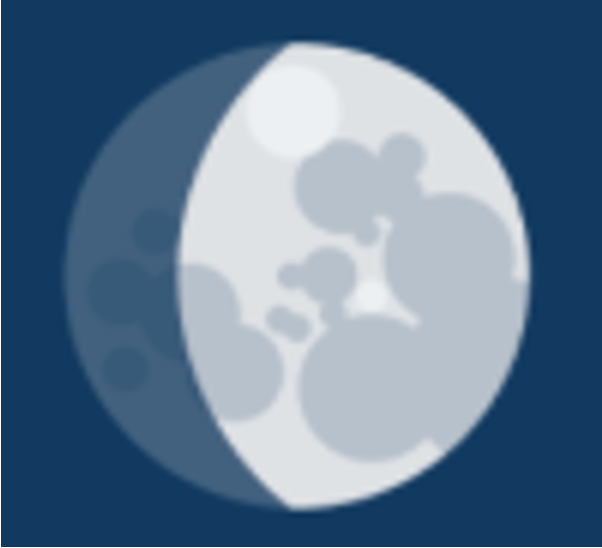
waning gibbous
200
During a lunar eclipse, what causes the Moon to appear dark or reddish?
Earth blocks most sunlight from reaching the Moon.
200
Why are there usually two high tides each day?
because the Earth rotates through two "bulges" of ocean water every 24 hours and 50 minutes. One bulge is pulled by the Moon's gravity, while the second forms on the opposite side of the Earth due to centrifugal force
200
Identify which hemisphere is experiencing summer, and explain why does the tilted hemisphere experience warmer temperatures?
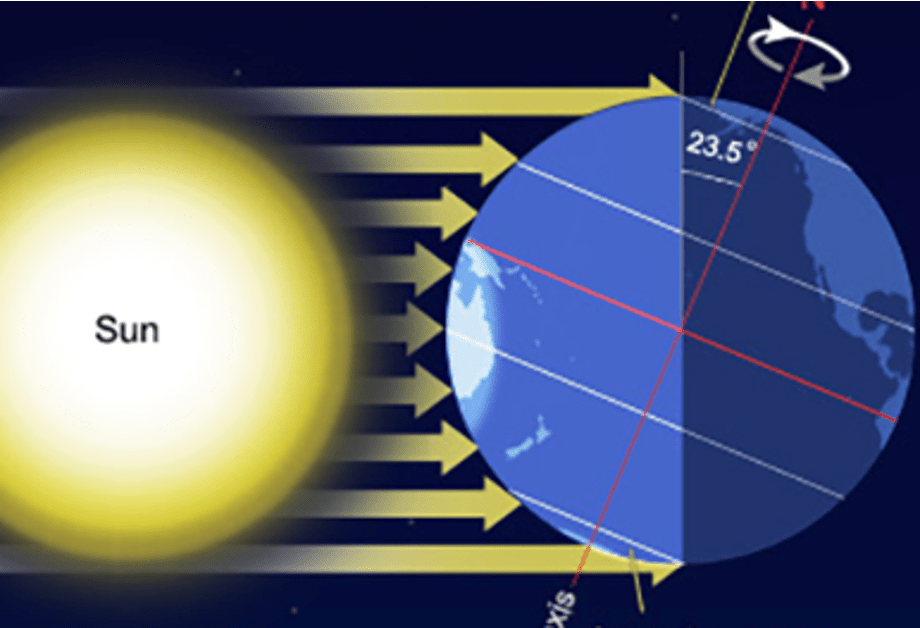
It receives more direct sunlight, which is more intense
300
A student wants to investigate: "How does the temperature of water affect how quickly sugar dissolves? State the: Independent variable and the Dependent variable
IV = Water temperature
DV = Time taken for sugar to dissolve
300
A student claims: "The Sun moves around Earth every day." Explain why this observation occurs- and why it is not true
the Earth rotates on its axis every 24 hours, making it seem that the sun is moving across they sky.
300
Name the phase that would follow (go after) this one
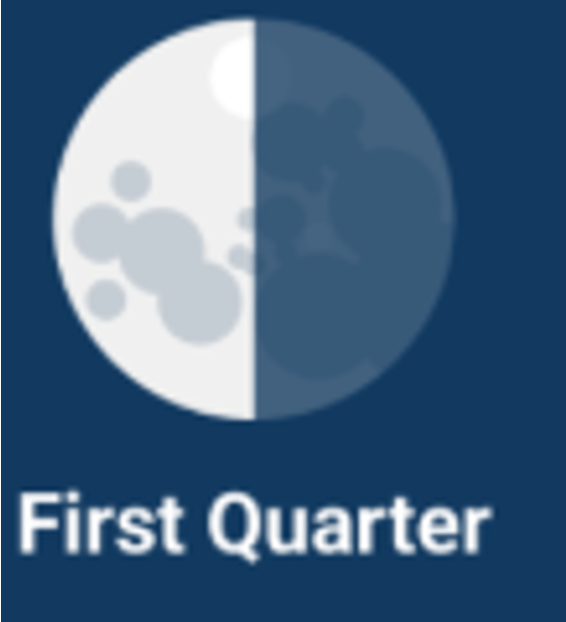
Waxing gibbous
300
Which type of eclipse is shown in this picture?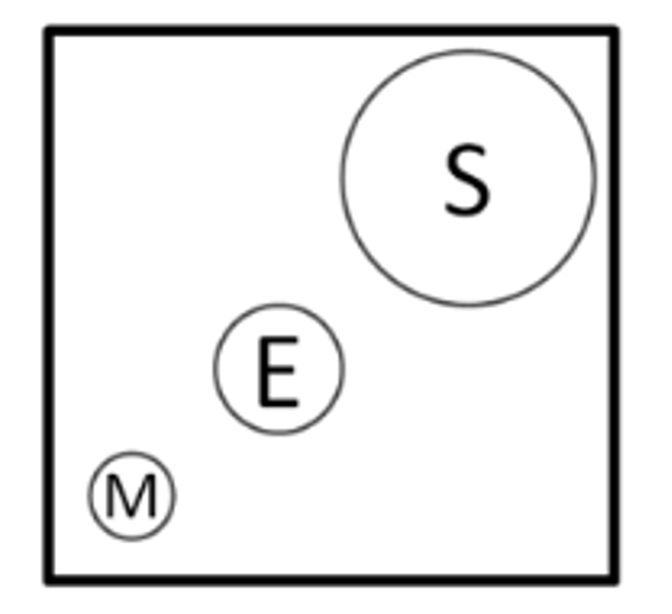
Lunar
300
Which type of tide is this? What are the associated moon phases with this type of tide?
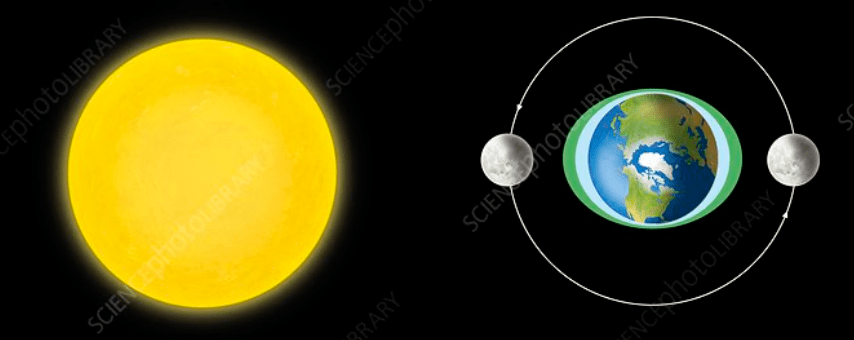
Spring tide, full and new moon
300
In which hemisphere is this mystery city in based on their average temperatures?
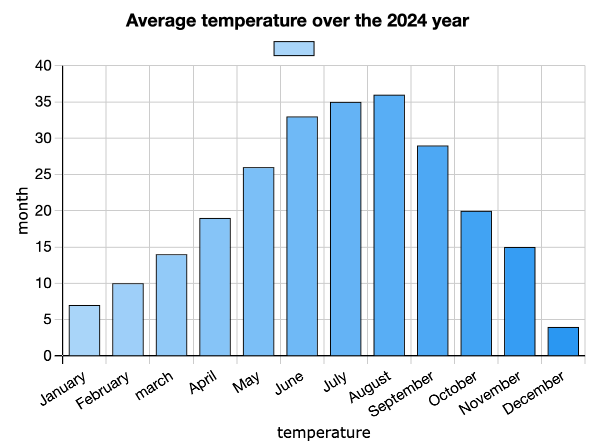
Northern hemisphere- they experience summer when we in the southern hemisphere experience winter
400
Describe any trends or patterns you see within this data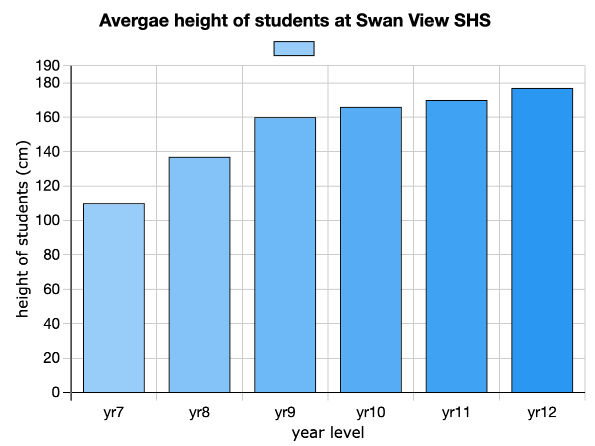
As students get older, they get taller, yr7 start at around 110cm on average, and year 12s average just under 180.
400
Why do we have leap years?
Earth revolves around the Sun. Earth takes about 365.25 days to complete one orbit. The extra 0.25 day adds up each year. An extra day is added every four years to keep the calendar aligned with the seasons.
400
What are the missing moon phases?
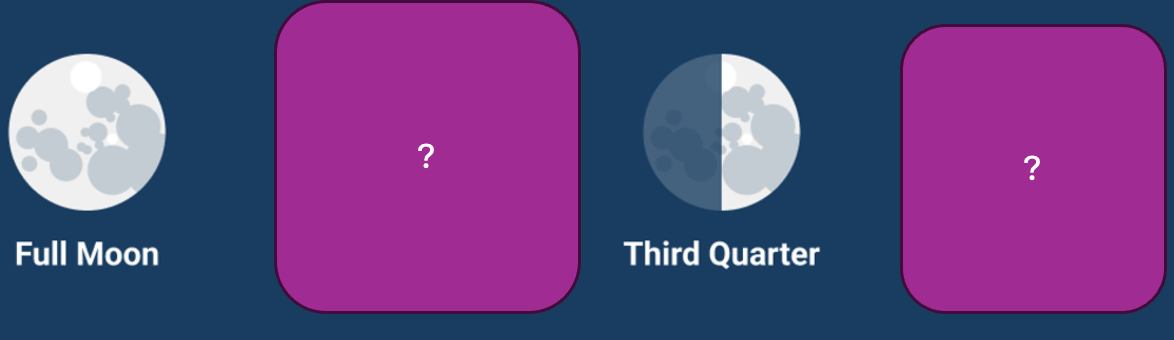
waning gibbous, waning crescent
400
Why are lunar eclipses more visible across Earth than solar eclipses?
Earth's shadow is much larger than the Moon's shadow, so more people can see the lunar eclipse. In a solar eclipse you need to be in the umbra to see it, which is a much smaller area.
400
Describe what a neap tide is, include the position of the planets in your answer
an extra low tide, where the sun, earth and moon are at right (900 angle) angle
400
Identify the seasons experienced by the southern hemisphere at points Y and X 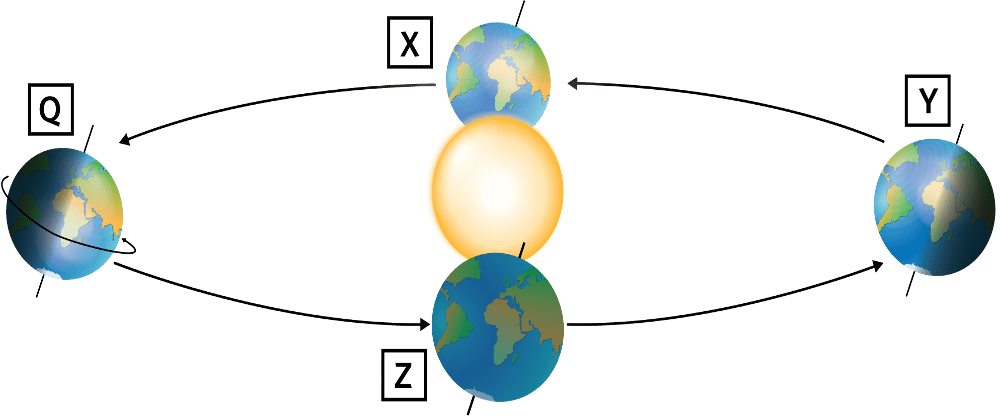
Y= summer
x= autumn (just finished summer and in between winter)
500
List the things that graphs must have
A title with the IV and DV.
Axis titles WITH units e.g. (cm) (m) (hours)
a scale that goes up in EVEN increments
data/plotting
500
Which planet has the shortest year? How do you know?Does the distance from the sun affect the length of the planets year? If so how?
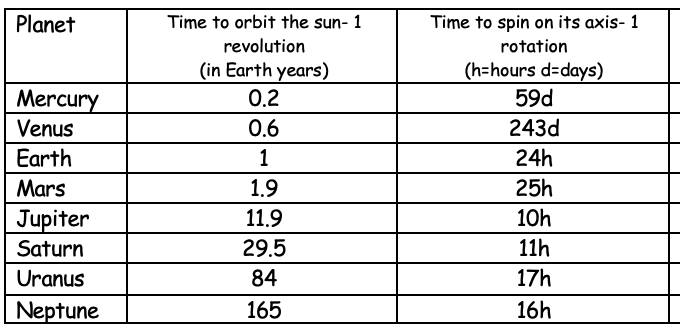
Mercury, a 0.2 year revolution
Yes, the greater the distance from the sun, the longer the year.
500
Explain why everyone on Earth sees the same moon phase on the same night.
The Moon's position is the same for everyone.
500
Why don’t we get a solar eclipse every month, even though the Moon goes around Earth every month?
Most months, the Moon passes slightly above or below the line between Earth and the Sun, so the three objects do not line up exactly. A solar eclipse only happens when the Moon is in the new Moon phase and it is crossing the sun at the same time.
500
1. at what hour was the lowest tide?
2. If a low tide occurs at 3pm, at what time would the next predicted low tide be?
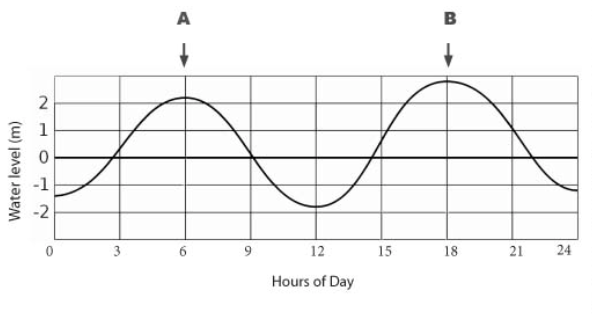
1. 12pm
2. 3am
500
Why do cities at the equator experience hot weather all year around compared to a city near the north pole?

The Earth's curved shape causes sunlight to hit the equator directly, concentrating the sun over a small area. Near the poles, sunlight hits at a less-direct angle, spreading that same sun over a much wider area. Less concentrated/direct = lower temperatures