Pythagorean Theorem
substitution
square root
Transversal lines
Exponents
100
62 + 82 + C2
62 + 82 + C2
(6*6)+(8*8)=C*C
36+64=C*C
100=C*C
10/100
10=C
100
3x-5y=17
3x-5y=17
3(-1)-5y=17
-3-5y+3=17+3
-5y=20
20/-5
y=-4
100

The square root of 100 is 10
10*10=100
100
What are the corresponding angles?
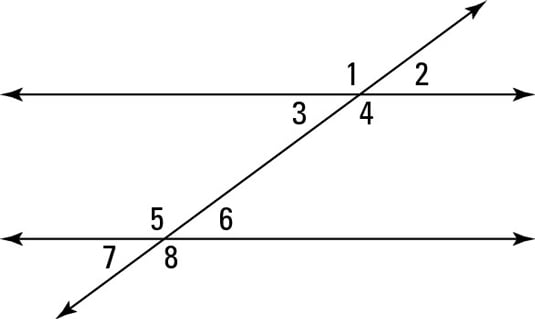
The corresponding angles are 6,2 and 5,1
100
3*43
The answer is 192
200
52 + B2 = 132
52 + B2 = 132
(5*5)+(b*b)=13*13
25 + b*b = 169
169-25
b*b=144
B = 12
200
4x-1=2x+1
4x-1=2x+1
subtract 2x from both sides
1=1 +1
2x/2
x=1
200
What is the square root of 125?
53
5*5*5=125
200
What are the alternate angles?
The alternate angles are 6,3 and ,5,2
200
4x3*2x3
The answer is 8x6
300
82 + 152 = C2
82 + 152 = C2
(8*8)+(15*15)=C*C
64+225=C*C
c*c = 289
C=17
300
3x+2=11
3x+2=11 x/4-2=5
-2 +2
3x/3=9/3 (4)x/4=7(4)
x=3 x=28
300
What is the square root of 289?
17
17*17=289
300
What is the Interior angles?
The Interior angles are 6,4 and 5,3
300
x5*x3
The answer is x8
400
112 + 602 = C2
112 + 602 = C2
(11*11)+(60*60)=c*c
121+3600=c*c
3721=c*c
c=61
400
3x+5-5=20-5
3x+5-5=20-5
3x=15
3x/3=15/3
x=5
400
What is the square root of 2500?
50
50*50=2500
400
What is the vertically opposite angles?
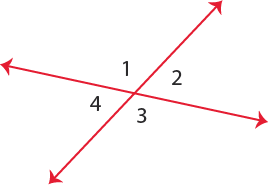
The vertically opposite is 4,2
400
2x3*2x2
The answer is 4x5
500
92 + 102 = c2
92 + 102 = c2
(9*9)+(10*10)=c*c
81+100=c*c
181=c*c
c=13.5
500
3y=2(2+2y)
3y=2(2+2y)
3y=4+4y
-y=4
y=-4
500
What is the square root of 3,375?
153
15*15*15=3,375
500
What is the vertical line?
The vertical lines are 3,2 and 7,6
500
65/63
The answer is 36