Motor Control Theory Time Frames
Theories of Motor Control
Phases of Motor Learning
Which comes first in motor development?
Continued motor development
100
Motor Control is thought to occur in this time frame - it involves motor, cognitive, and perceptual development
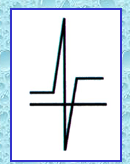
milliseconds
100
This theory of motor control deals with stages:
1 - mobility
2- stability
3 - controlled mobility
4 - Skill
Hierarchic Theory
100
The number of phases to motor learning
3
100
Proximal or distal
proximal
100
Concentric or eccentric
Eccentric
200
Motor Learning signifies a permanent change in motor performance that involves simple skills in infants to more complex skills in adults. This time frame usually is when motor learning takes place.
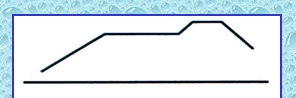
Hours, Days, Weeks
200
This stage of motor control (hierarchic theory) is demonstrated when the patient is able to maintain a position, co-contract, activate deep postural muscles to maintain upright
Stability
200
Phase of motor learning where you must demonstrate to your patient the desired movement, give verbal or written instruction, and have the patient practice the tasks with manual / tactile cues
Cognitive Phase
200
Caudal or cephalad
Cephalad
200
Static or dynamic
Static
300
This motor processing is where the PT/PTA will try to "reteach" patients normal movement (which one: motor development, motor control, or motor relearning)
Motor relearning
300
This theory of motor control is defined by movement that is learned through 3 types of feedback - muscular, kinesthetic and environmental
Motor Program/Schema Theory
300
The phase of motor learning where the patient does not have to think about performing the movement any longer - it has become automatic and there is open-loop feedback
Autonomous
300
fine motor or gross motor
gross motor
300
Isometic or isotonic
Isometric
400
This motor theory is demonstrated for the baby who is now beginning to crawl.
Motor development
400
This "model" of motor control suggests the musculoskeletal, cardiopulmonary, nervous and postural systems work together to control normal movement
Systems Model
400
The phase of motor learning where the patient is just learning "what movement to do" - they have to think about the movement in this phase
cognitive
400
Voluntary movement or reflex movement
Reflex movement
400
asymmetrical or symmetrical
symmetrical
500
Motor Development (milestones) measures development in this time frame
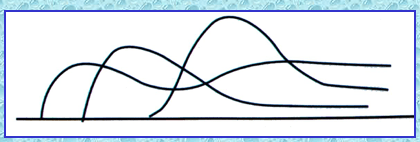
Months, years, and or decades
500
This type of feedback in the systems model of motor control theories is demonstrated when the patient is performing highly skilled activities that have become automatic and errors in their movement are only detected after the activity is complete
Open-loop Feedback
500
This phase of motor learning is defined by a patient who is learning how to perform the movement and becoming more efficient at movement
Associative Phase
500
Flexion/extension or rotation
Flexion/extension
500
discrete(parts) or continuous (whole)
Discrete