LEVEL 1:
TROPHIC LEVELS
TROPHIC LEVELS
What trophic level do organisms belong to if they make their own food from sunlight?
A) Consumer
B) Producer
C) Apex Predator
B) Producer

Double points!
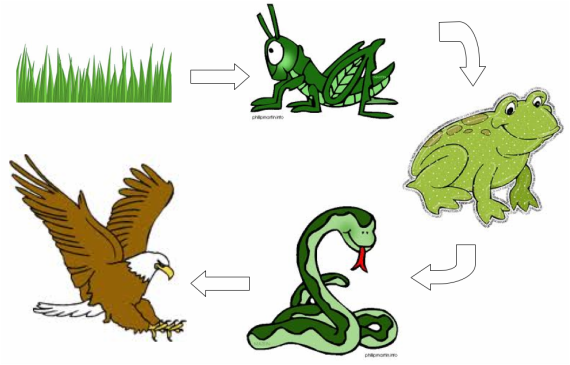
According to this food chain, which organism gets the most energy directly from the Sun?
Grass
A cactus in the desert suddenly starts growing twice as fast as normal. What could be a reason?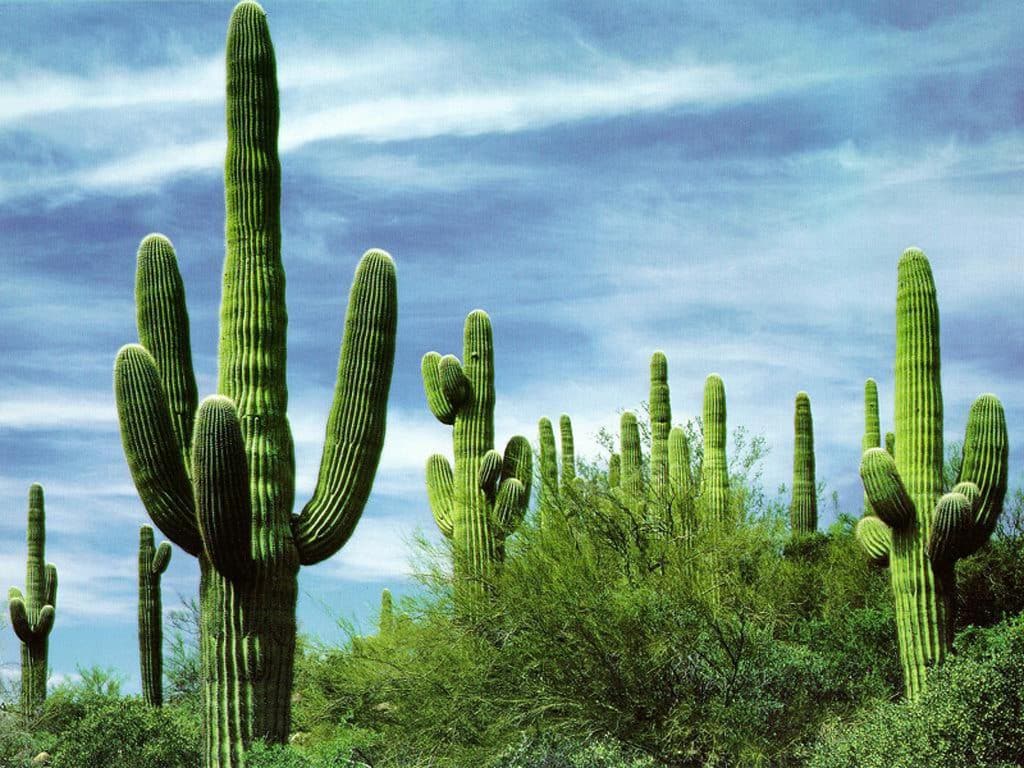
A) Less sunlight, therefore increased photosynthesis
B) Freezing temperatire, therefore hibernation
C) Increased rainfall, therefore more water
C) Increased rainfall, therefore more water
Triple points!
Why does energy decrease as you move up each trophic level?
A) Because energy is lost as heat and through life processes (movement, digestion)
B) Because energy is gained through life processes (movement, digestion)
C) Because more consumers exist
A) Because energy is lost as heat and through life processes (movement, digestion)
Triple points!
What type of consumer is the frog?
A) Primary Consumer
B) Secondary Consumer
C) Apex Predator
B) Secondary Consumer
Pick the next tile!
A penguin colony suddenly moves away from their usual spot in Antarctica. Which of these could be a reason?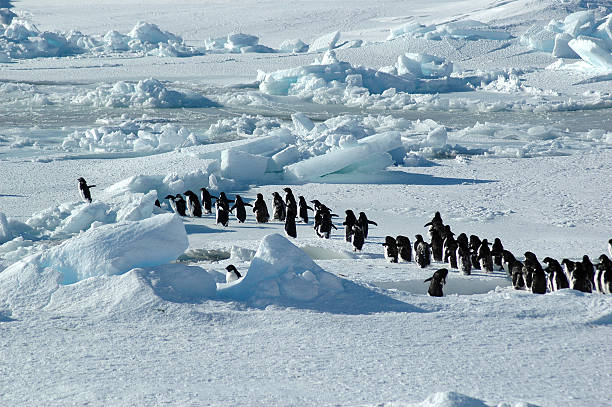
A) Deeper snow (abiotic) and more krill (biotic)
B) Ice melting (abiotic) and nearby predators like seals (biotic)
C) Warmer water (abiotic) and stronger sunlight (biotic)
B) Ice melting (abiotic) and nearby predators like seals (biotic)
If an ecosystem lost most of its secondary consumers, which trophic level would likely increase first?
A) Producer
B) Apex Predators
C) Primary Consumers
C) Primary Consumers

Pick another team, they lose 200 points

What is the Apex predator in this Food Web?
A) Phytoplankton
B) Seal
C) Seal and Tuna
D) Cod and Tuna
C) Seal and Tuna
Pick another team, they lose 200 points!
On Planet Xylon, glowing trees depend on purple sunlight. If the purple sunlight weakens, what is most likely to happen?
A. Trees grow faster and beetles increase
B. Trees struggle to grow and beetle numbers fall
C. Trees need less light and beetles stay the same
B. Trees struggle to grow and beetle numbers fall
Pick another team, they lose 200 points!
Which trophic level normally contains the greatest number of organisms?
A) Producers, because they support all the levels above them.
B) Primary Consumers, because they support all the levels above them
C) Apex Predators, because they obtain energy from all the levels below them
A) Producers, because they receive the most energy and support all the levels above them.
Pick the next tile!
If the Snake population decreased suddenly, which organism in the chain would be affected first?
The Eagle population would be affected first because it relies on the snake for its food
A mysterious vine starts covering and shading other plants in a school garden. What type of factors is the vine affecting?
A. Only biotic factors
B. Only abiotic factors
C. Both abiotic and biotic factors
D. Neither abiotic nor biotic factors
C. Both abiotic and biotic factors
Your class fish tank becomes cloudy and smelly overnight. Which pair of factors could explain this change?
A) An evolutionary change causes the amount of energy lost as heat/waste between each trophic level to drop
B) A higher caloric content causes the amount of energy in metabolism to increase between each trophic level
A) An evolutionary change causes the amount of energy lost as heat/waste between each trophic level to drop
Choose another team, they pick the next tile!
A disease wipes out most of the grasshoppers in this ecosystem. How would grass populations be affected?
A) Grass populations would increase
B) Grass populations would migrate
C) Grass populations would decrease
A) Grass populations would increase because fewer grasshoppers are eating them
Donate 200 points to another team!
Your class fish tank becomes cloudy and smelly overnight. Which pair of factors could explain this change?
A. High oxygen (abiotic) and fewer bacteria (biotic)
B. Low water quality (abiotic) and bacterial, algae overgrowth (biotic)
C. Clean water (abiotic) and too many plants (biotic)
B. Low water quality (abiotic) and bacterial, algae overgrowth (biotic)