Random
Atoms
Periodic Table
Elements and Compounds
Mixtures
100
The building blocks of matter
Atoms
100
Negatively charged subatomic particles
Electron
100
The number of protons in an atom is the same as the
Atomic Number
100
H4N2
Compound
100
A mixture of elements and compounds that are NOT chemically bonded together.
Mixtures
200
Contains 118 known elements
The periodic table of elements
200
The location of electrons in an atom
Electron shells
200
The number of protons plus the number of neutrons
Atomic Mass
200
Si10
Element
200
The substance that is doing the dissolving in a solution.
Solvent
300
The substance that is being dissolved in a solution.
Solute
300
Positively charged subatomic particles
Protons
300
Rows of elements on the periodic table
Periods
300
In the chemical formula C6H12O6, what is the name of the 6 after Chlorine?
Subscript
300
What type of mixture is this and why?
Homogeneous because you cannot separate the different parts.
400
How many atoms in total are present in this chemical formula?
2H2N4Si11
34 total atoms
400
The center of the atom containing protons and neutrons
Nucleus
400
Elements can be identified using their letter. What is this letter called?
Chemical Symbol
400
What is a compound?
Two or more different atoms chemically combined.
400
What type of mixture is this and why?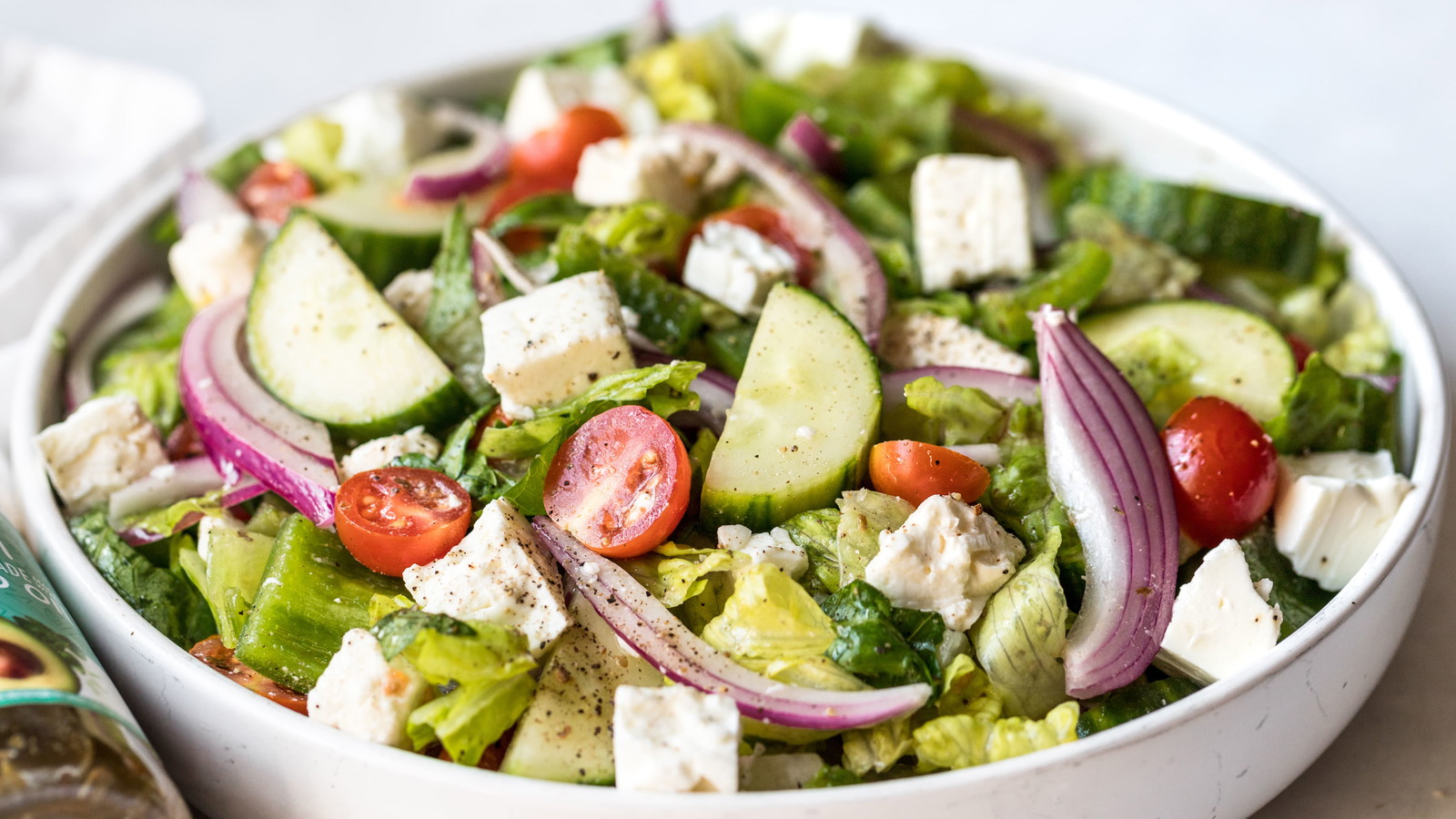
Heterogeneous because you can see the different parts and can physically separate each one.
500
What is concentration?
How much solute is in a solution.
500
True or false. The nucleus of an atom must contain at least 1 proton.
True
500
What is the total number of electrons in the outer most shell of an atom?
8
500
Can a compound be separated by physical means?
No
500
What is the universal solvent?
Water