PRODUCT KNOWLEDGE
MARKET STRATEGY
COMPETITORS
TIPS&TRICKS
MISTERY ?
100
Why does the PRIMA Stem have an "open" design?
To optimise load transfer to the bone / Better visualisation of bone contact after implantation / ease of revision
100
With reference to the previous presentation, to which of the 5 surgeons traits can we sell PRIMA?
PRIMA is unique in that you can sell it to all 5 surgeon traits, Do-ers especially
100
Which implant is described below?
Metaphyseal fixation. 2 CCD angles available: 135° and 145°; simple porous coating proximally, available in 3 different lengths.
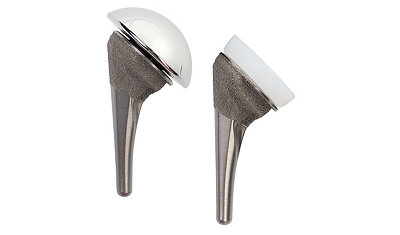
Stryker Perform
100
Which 2 other Enovis Extremities products have most in common with PRIMA?
SMR Stemless- for Heritage TT Ring and Altivate 135° monoblock
100
Which kind of profile is described below:
Surgeons who are not necessarily negative but likewise may not be the first to jump at embracing your product. They will need a well-structured argument, backed up with some data if required, to convince them.
SCEPTIC
200
How many PRIMA stem sizes are the smaller than the smallest SMR Stemless?
Size 1 and Size 2 of PRIMA short stem
200
Thanks to the expansive availability of the ENOVIS portfolio, should the PRIMA stem be deemed unsuitable during a procedure, what brand could be offered as a back up?
The Prima is compatible with SMR components. Left field choice would be Altivate- if no glenoid had been implanted.
200
Which implant is described below?
Humeral stems made from Titanium with proximal Porous Plasma Spray designed for enhanced biologic fixation/Metaphyseal Fixation ideal for good bone stock. 5 different stems lengths: Micro, Mini, Standard and Revision + stemless. ONLAY design. 135°neck-shaft angle.
Zimmer Biomet Comprehensive
200
Most commonly used sizes of PRIMA TT Glenoid
25mm Monoblock 10° W Baseplate
200
What do you have in your toolbox to engage DO-ers customers?
- selling against analysis
- USPs
300
How much larger radially is PRIMA short Plus than PRIMA and why?
0.5 mm, to enhance stability
300
How can we handle lack of clinical data of PRIMA system?
Leveraging on SMR heritage, with particular focus on the TT ring
300
Which implant is described below?
particular trauma stem design to fix tuberosity keeping COR close to glenoid surface (i.e Grammont style)?
Exatech/Advita Equinoxe
300
Why do we recommend to surgeons to use the IM guide more than the EM guide?
More accurate in preventing possible future malpositioning of the implant
300
What characteristics make an ideal TALKER, a potential PRIMA ambassador?
KOLs using competitive brands, Good teachers, Good presentation skills