Strengths, Weaknesses, and Big Ideas
Northern Battles and Turning Points
Leaders, Allies, and Heroes
The War Moves South
Yorktown, the Treaty, and the Impact
Final Jeopardy
100
Name one big problem the Continental Army had at the start of the war.
They had shortages of supplies (food, uniforms, guns, gunpowder).
100
What did the victories at Trenton and Princeton prove to many Americans?
The Americans could defeat the British (and it boosted morale)
100
Who was Baron Friedrich von Steuben, and how did he help at Valley Forge?
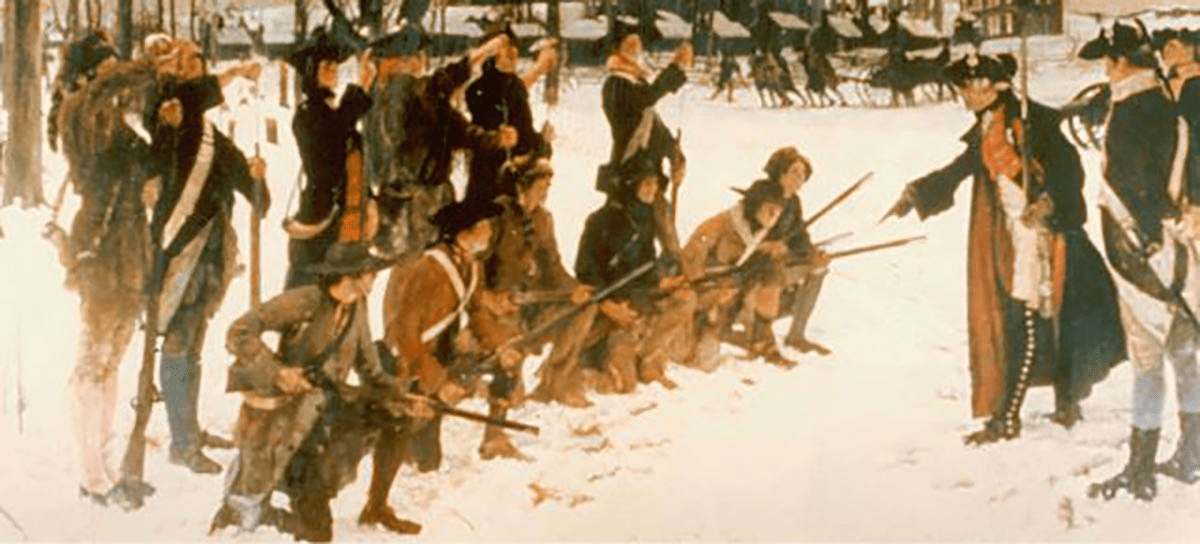
A Prussian officer who drilled/trained soldiers and improved discipline
100
Why did Britain move the war to the South?
They believed many Loyalists there would join and help them win
100
What did French warships do that helped trap the British at Yorktown?
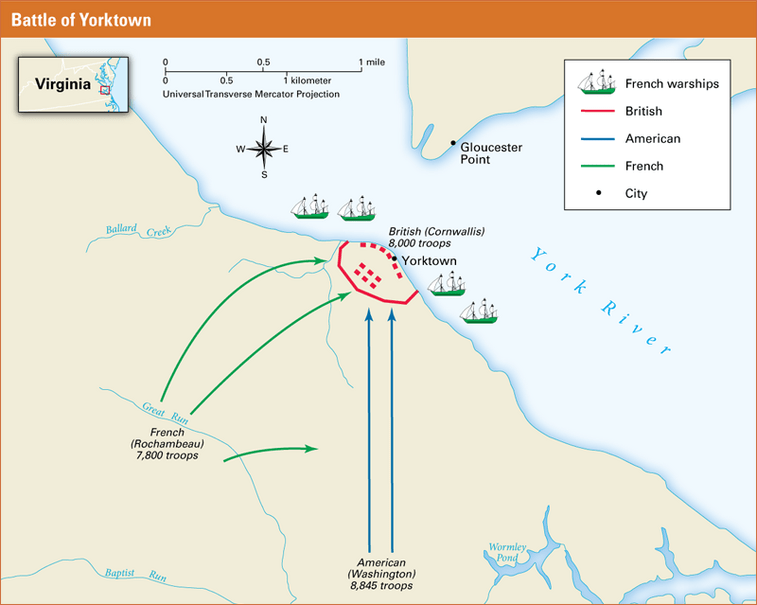
Blocked/sealed off Chesapeake Bay so the British couldn’t escape or be rescued
200
What was one early weakness of the British fighting in America?
Poor leadership OR they were far from home and had to ship supplies across the Atlantic
200
How did Washington’s army win at Trenton?
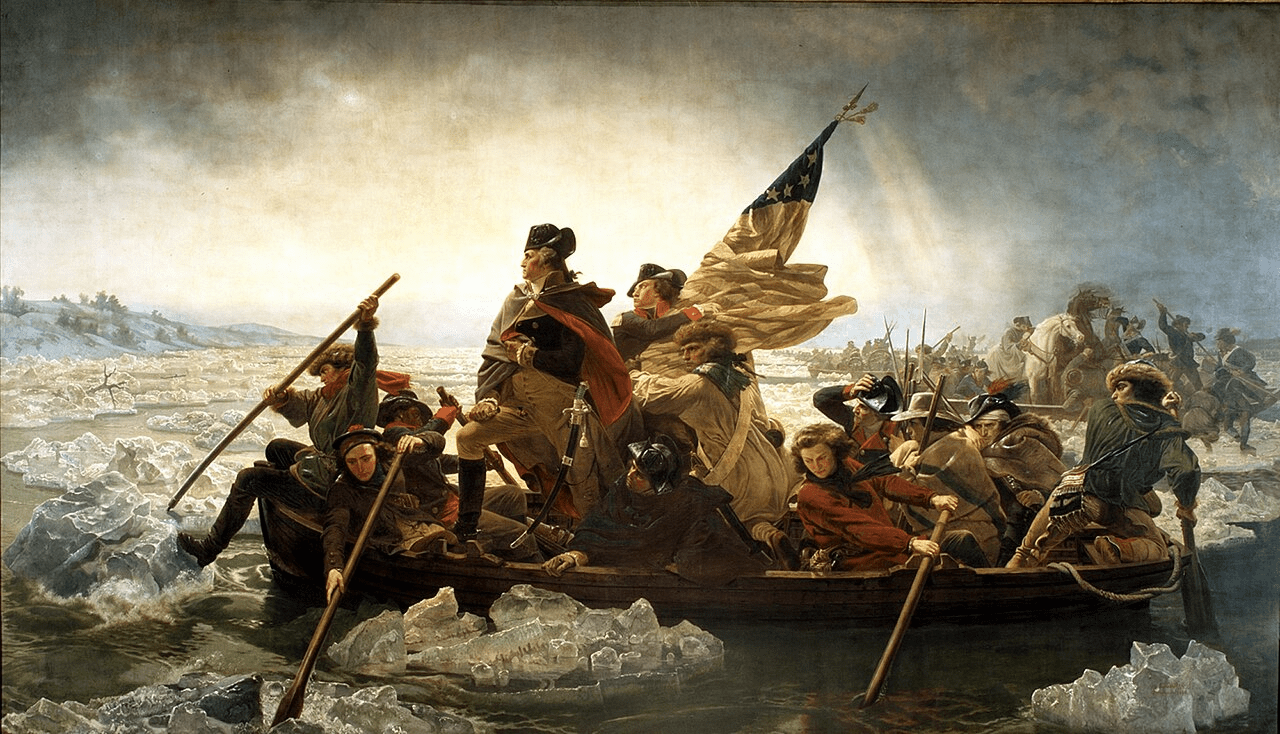
They crossed the Delaware at night and surprised the enemy in the morning
200
Who was the Marquis de Lafayette, and how did he help the army during Valley Forge?
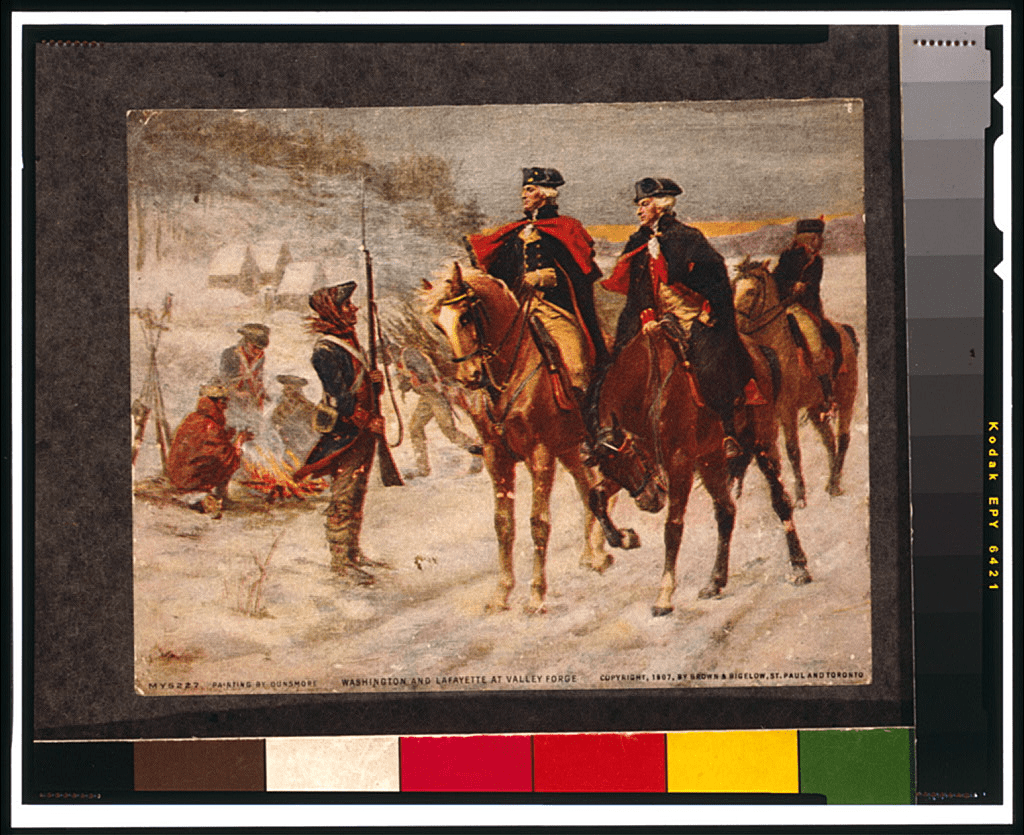
A French volunteer who shared hardships and used his own money to help buy supplies/clothing, boosting morale
200
What are guerrilla tactics?
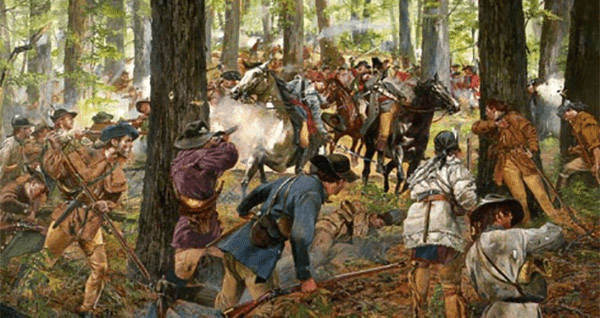
Hit-and-run attacks by small groups who don’t fight like a regular army.
200
In which colonial region did the Battle of Yorktown take place?
The Southern Colonies (Virginia)
300
Why did many British people not support the war?
The war cost taxpayers too much money
300
Why did the Americans lose the battle in Brooklyn (Long Island) in 1776?
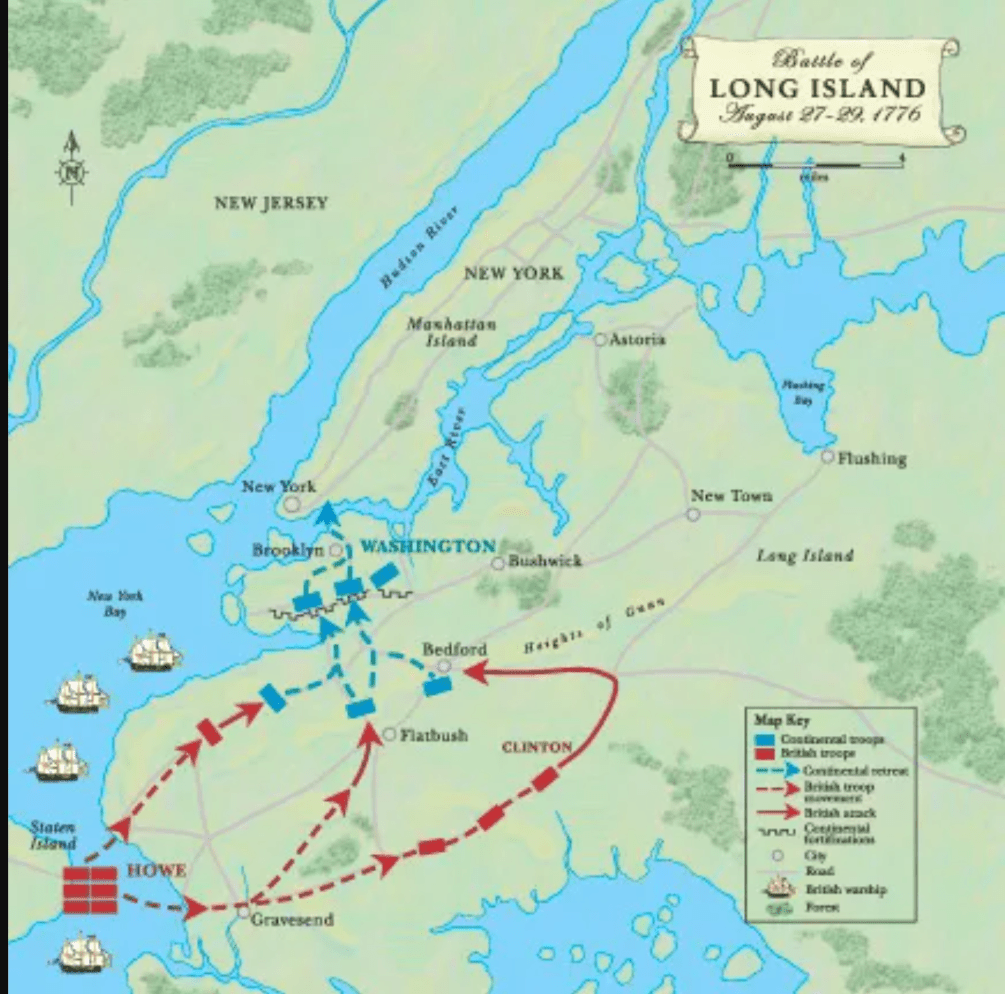
Many American soldiers were inexperienced and panicked/retreated
300
Name one character trait Washington showed in the reading about him (besides bravery).
Compassion, concern, cautiousness, strictness, pride, worry, or determination (any reasonable trait from the reading)
300
Why did guerrilla tactics work well in the South’s swamps and forests?
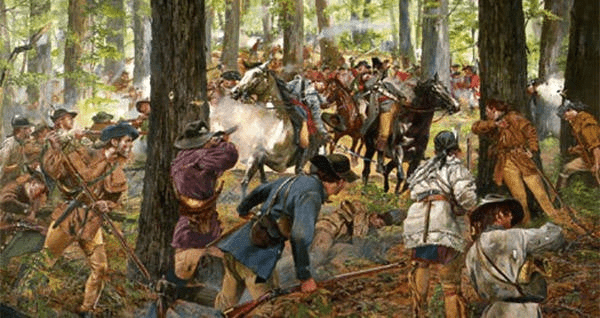
Fighters could attack quickly, use the terrain to hide, and escape before the British could respond
300
Give one reason Cornwallis could not escape from Yorktown.
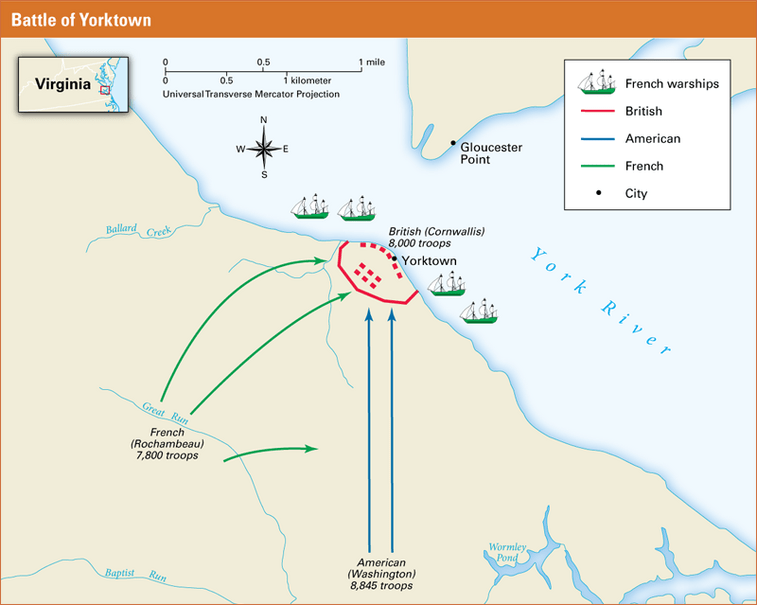
French ships blocked the bay OR American/French troops surrounded the British on land OR supplies/rescue couldn’t arrive
400
Why did some African Americans join the Continental Army?
They hoped independence would lead to an end to slavery
400
After 1776, what strategy did Washington use to help the Americans win the war?
Fight a defensive war and tire the British out (avoid risky huge battles)
400
What was the main message of Thomas Paine’s The Crisis to the troops?
Don’t quit when times are hard; real patriots keep serving in the crisis.
400
How did Nathanael Greene wear down Cornwallis without winning one huge battle?
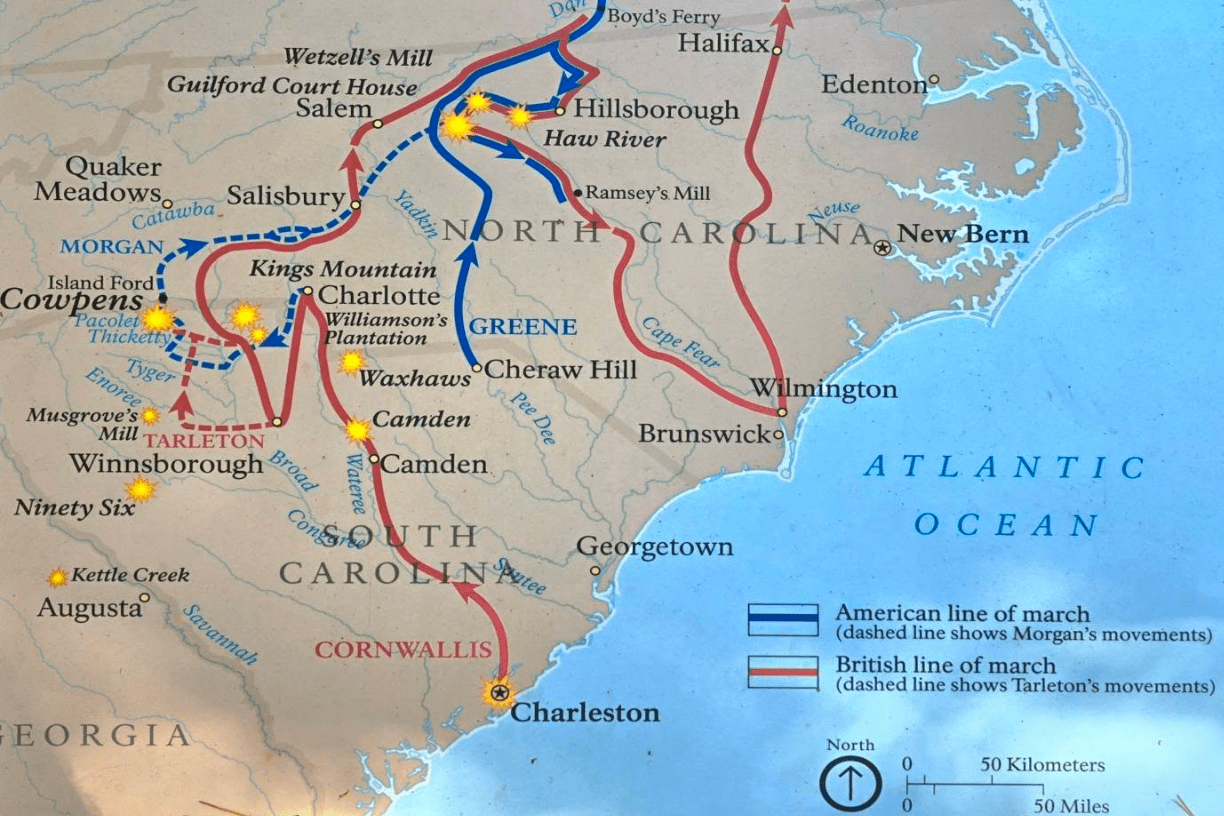
He avoided a major battle and led Cornwallis on an exhausting chase, forcing constant marching and smaller fights until the British were worn out
400
Name two key parts of the Treaty of Paris (1783).
Britain recognized U.S. independence; Britain gave land from the Atlantic to the Mississippi; the U.S. agreed to return Loyalists’ rights/property
500
Who were the Hessians?
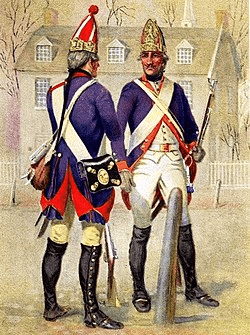
German mercenaries hired to fight for Britain.
500
What was the biggest result of the American victory at Saratoga?
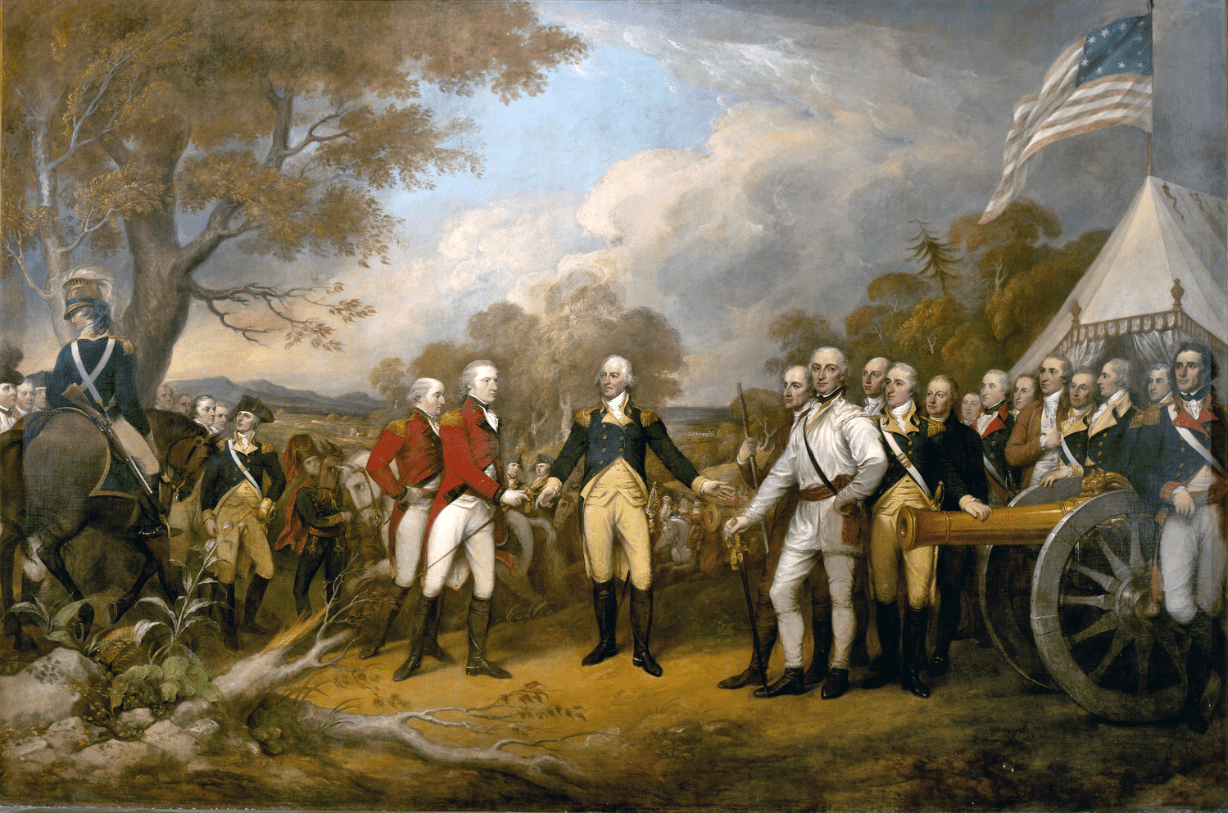
European help increased—France became an ally and supported the Americans
500
Give two examples of how Washington inspired or helped the Continental Army, and explain how it supported victory.
Examples may include...
Leading despite doubts
Encouraging persistence
Keeping the army together
Improving discipline, surviving retreats (like Long Island)
Helping morale during hard times like Valley Forge
These actions helped the army keep fighting until Britain gave up.
500
Who was the “Swamp Fox,” and what kind of fighting did he use?
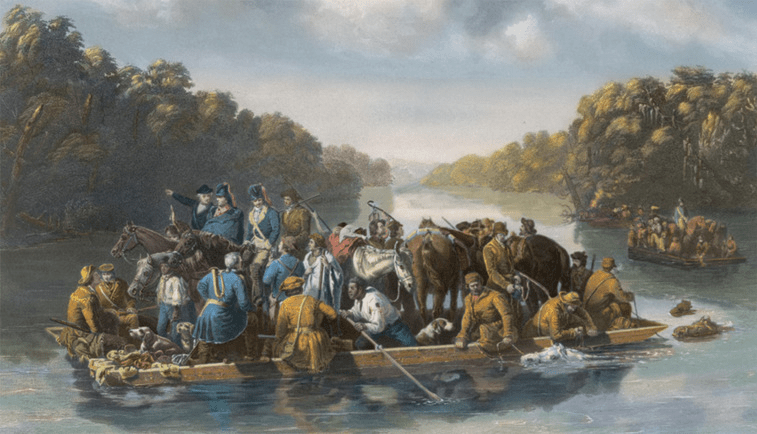
Francis Marion; guerrilla hit-and-run raids
500
Give two ways the American Revolution affected other parts of the world.
Inspired the French Revolution; encouraged other independence movements (like revolts in South America); inspired people worldwide to fight for rights/self-rule
500
How many total American deaths happened during the American Revolutionary War
(battle deaths + disease + deaths in captivity)?
Write your best estimate.
About 24,700 Americans died
(about 6,200 in combat + 10,000 from disease + 8,500 in captivity).