College
Financial Aid
Balanced College List
100
A non-binding admissions process where students
apply early and receive a decision earlier than the
regular admissions deadline, without committing to attend the school.
Early Action (EA)
100
A form students fill out to apply for financialaid from the U.S. government, such as grants, loans, and work-study programs.
FAFSA (Free Application for Federal Student Aid)
100
A balanced college list includes a mix of...
Reach, Target, Safety schools
200
A student who is pursuing their first, or bachelor’s, degree at a college or university.
Undergraduate
200
The fee charged by a college or university for instruction. It does not typically include other costs like room, board, or textbooks.
Tuition
200
Define Target School
A college or university where a student has a good chance of getting accepted because their grades and activities are similar to other students who are usually accepted there.
300
A New York State initiative providing academic support and financial aid to eligible residents attending private colleges. It helps students with potential, who are academically and economically disadvantaged, access higher education through tutoring, counseling, and, often, full-need financial assistance.
Higher Education Opportunities Program
300
New York State Student Aid Payment Application used to apply for the _________. This need-based grant provides funds to eligible NY residents for full-time or part-time undergraduate study, offering up to $5,665$ 5 annually. It does not need to be repaid and is commonly accessed after filing the FAFSA.
Tuition Assistance Program (TAP)
300
Define Reach School
A reach school is a college or university where a student applies even though getting accepted may be harder because their grades or activities are a little lower than what the school usually accepts.
400
A State University of New York (SUNY) initiative providing access, academic support, and financial aid to New York State residents who demonstrate college potential but face socioeconomic challenges and academic disadvantages. It serves first-generation, low-income, or underprepared students, assisting with tuition, fees, and mentoring.
Educational Opportunities Program
400
Which type of aid usually does NOT need to be paid back?
Grants and scholarships usually do NOT need to be paid back, as long as you meet the requirements.
Loans are the type of aid you do have to repay.+
You drop classes or withdraw before finishing the term
You stop attending classes (even if you don’t officially drop)
You don’t meet academic requirements (like GPA or credit completion)
You give incorrect information on the FAFSA
You change enrollment status (full-time to part-time) and no longer qualify
400
Is this school a TARGET, REACH or SAFETY for Rachel?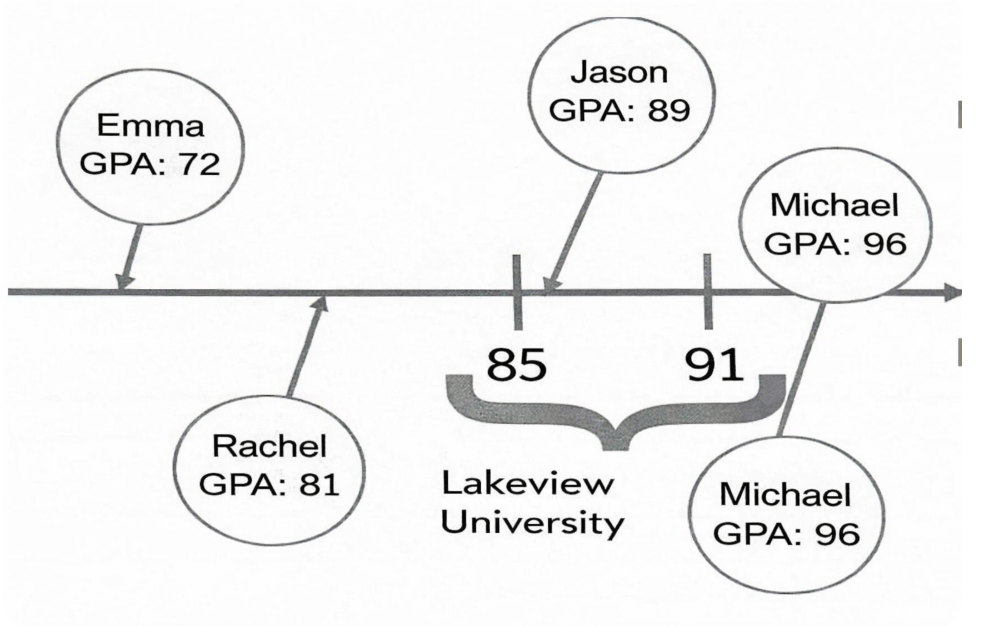
This school is a Target for Rachel because wth HEOP or EOP the school could become a target for her.
500
T/F Even though SUNY Empire State University is not a community college, I can still earn an associate degree there.
True
Not all associate degrees are only offered at community colleges
Some four-year colleges (like SUNY Empire) are approved to offer associate, bachelor’s, and master’s degrees
SUNY Empire is designed for flexible, adult, and transfer students, so it offers associate degrees as a pathway to a bachelor’s degree
What this means for students:
You can start with an associate degree
Then continue at the same school toward a bachelor’s degree
No need to transfer schools if you don’t want to
500
Why might two students pay different prices for the same college?
Financial aid is based on your FAFSA, so family income, household size, and special circumstances matter
Some students receive more grants or scholarships, which lowers their cost
One student might live on campus while another commutes from home
Enrollment can differ — full-time vs. part-time changes aid and tuition
Some students qualify for work-study or special programs
💡 Key takeaway for students:
The sticker price is the same, but the net price (what you actually pay) is different for everyone.