Scientific Method
Atomic Structure
Elements, Compounds, and Mixtures
States and Conservation of Matter
Properties of Matter
100
This is a testable explanation or "educated guess" for a scientific observation
What is a hypothesis?
100
These are the three subatomic particles found in an atom.
What are protons, neutrons, and electrons?
100
This is a substance made of two or more different elements chemically bonded together, such as H2O.
What is a compound?
100
Describe the law of conservation of matter/mass.
What is matter cannot be created or destroyed, it just changes from?
100
This type of property can be observed without changing the substance into something new
What is a physical property?
200
What is the independent variable?
Dependent?
What is the variable that is changed by the scientist, what is the variable that is measured or observed?
200
This is where protons and neutrons are located.
What is the nucleus?
200
Phosphorus and Nitrogen are examples of these "pure substances" that cannot be broken down by chemical means
what is an element?
200
Draw the energy of a gas
What is high energy, particles moving all around?
200
This physical property describes how much "stuff" is in a given amount of space (D= M/V)
What is density?
300
Data that involves numbers and measurements is called this
What is quantitative?
300
Most of an atom's mass is concentrated in this central region
What is the nucleus?
300
KoolAid, Salt water, and Air are examples of this substance
What is a mixture?
300
This state of matter contains particles that are arranged relatively close to one another in a pattern but can still slide past one another. The energy for this state is medium as it is not the fasted moving but also not the slowest.
What is a solid?
300
This property involves a chemical reaction and completely changes the substance
what is a chemical reaction?
400
Decide the independent and dependent variables for the below scenario
The respiration rate of a goldfish is measured. The goldfish is then placed in cold water and the respiration rate is measured again.
IV: water temperature
DV: respiration rate
400
Has matter been conserved?
2CH4 + O2 -> 2CO2 + 3H2O
What is matter is not conserved?
400
Toxicity and flammability are examples of this type of property, which describes how a substance reacts with others
What is a chemical property?
500
Decide the independent and dependent variables for the below scenario
Bacteria are grown in a petri dish. One side of the dish is sprayed with an antibiotic. After a week, the number of bacteria colonies are counted on each side.
IV: Antibiotic
DV: Number of bacteria colonies
500
Identify the element below.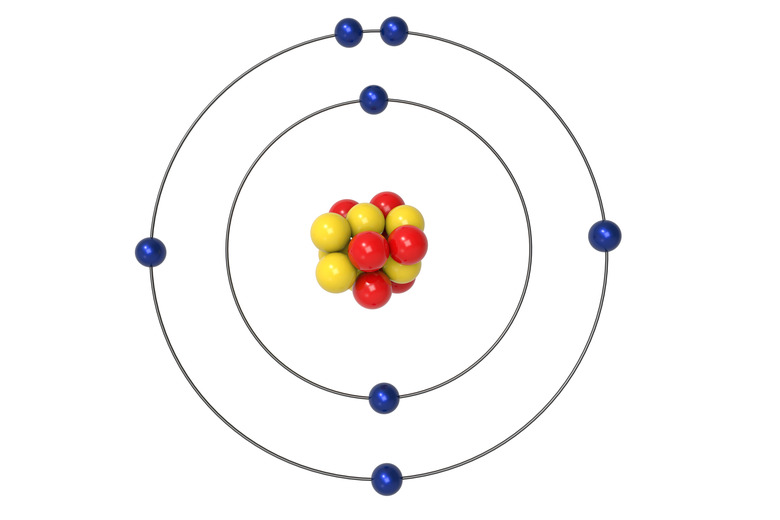
What is nitrogen?
500
Describe the difference between compounds and mixtures.
What is compounds are chemically bonded and mixtures are not?
500
Has matter been conserved?
Zn + 2HCl-> ZnCl2 +H2
What is matter is conserved?
500
On the pH scale, a substance with a rating of 3 (like acid rain) is considered this.
What is acid?