The Basics
Ethos, Logos, Pathos
Rhetorical Devices
Delivery & Impact
Spot the Move
100
This part of a speech grabs the audience’s attention.
What is the hook?
100
This appeal focuses on credibility and authority.
What is ethos?
100
Repeating a word or phrase intentionally for emphasis.
What is repetition?
100
Average speakers should reduce their speed by about this much.
What is 10-15 percent?
100
“You’re either with us or against us.”
What is false dichotomy?
200
This statement clearly expresses the speaker’s main claim.
What is thesis?
200
This appeal uses evidence, reasoning, and logic.
What is logos?
200
Two opposite ideas placed together for contrast.
What is antithesis?
200
Gestures should generally stay above this part of the body.
What is the waist?
200
“He can’t be right about climate change. He didn’t even graduate college.”
What is ad hominem?
300
If you want your audience to vote, donate, or act, this belongs in your conclusion.
What is a call to action?
300
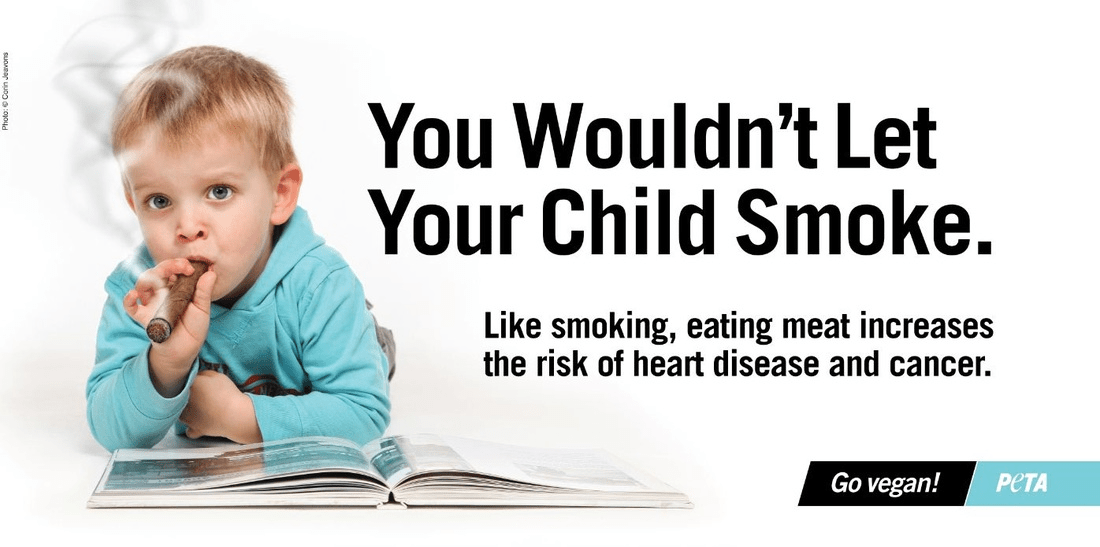 The rhetorical appeal most at work in the advertisement above.
What is pathos?
300
A pattern repeated in reverse order.
What is chiasmus?
300
The rise and fall of your voice's pitch.
What is cadence?
300
“What does this mean for us? It means we must act now.”
What is hypophora?
400
Good speeches must adapt to these two things.
What are the audience and the occasion?
400
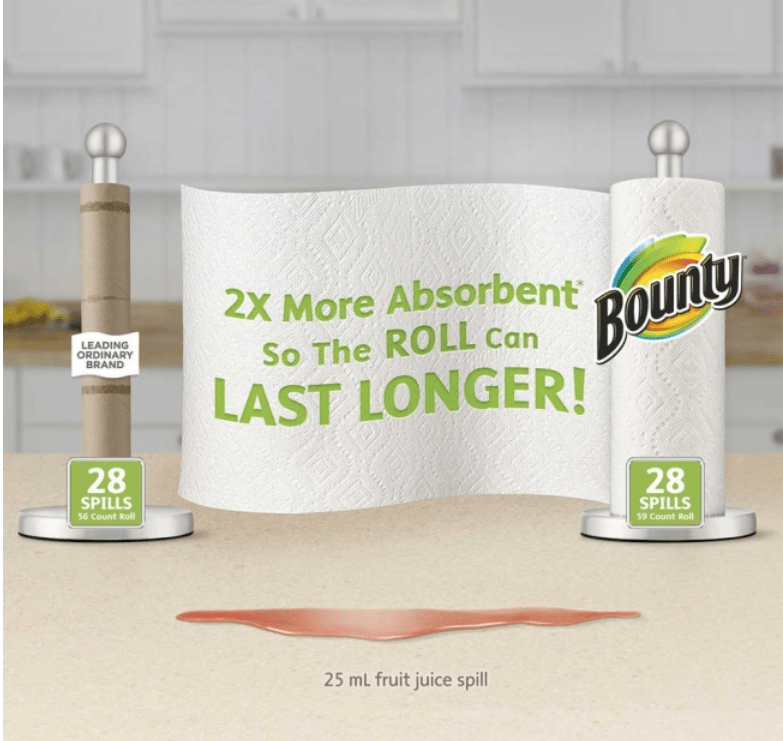 The rhetorical appeal most at work in the advertisement above.
What is logos?
400
A brief reference to a famous person, text, or event.
What is allusion?
400
Effective speakers focus on these three things: presence, voice, and this.
What is connection?
400
“Never be so clever you forget to be kind.”
What is parallelism?
500
A “complete” speech considers all angles and sounds good, not just on paper, but also…
What is out loud?
500
 The rhetorical appeal most at work in the advertisement above.
What is ethos?
500
A speaker asks a question and immediately answers it.
What is hypophora?
500
Audiences remember the middle far less than these parts of the speech.
What are the beginning and the end?
500
Claiming one small action will inevitably lead to disaster without evidence.
What is slippery slope?