Lo Fundamental!
Numeros, la hora, y citas medicas
Las partes del cuerpo
Haciendo preguntas
Dando instrucciones basicas
Síntomas y sentimientos
200
The term for medication in Spanish
WHAT IS: medicamento
200
Count from 1 to 20 in Spanish
WHAT IS: uno, dose, tres....
200
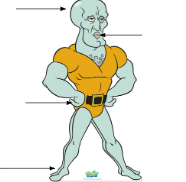
WHAT IS:
la cabeza, la boca, la mano, el pie
200
Ask a patient to sit in Spanish.
WHAT IS: Sientate por favor.
200
Term for What? in Spanish.
WHAT IS: WHAT IS: ¿Que?
200
State the feeling:

WHO IS: Feliz
400
The term for oximetry in Spanish
WHAT IS: oximetría
400
Days of the week in Spanish, starting with Sunday and ending with Saturday
WHAT IS: Domingo, Lunes, Martes, Miercoles, Jueves, Viernes, Sabado
400
Name four organs of the body in Spanish.
WHAT IS: Ex. Pulmones, higado, cerebro, corazón, etc.
400
Ask a patient to lay down in Spanish.
Acuestate por favor.
400
Complete the Statement:
¿___ se siente usted hoy?
WHAT IS: ¿Como se siente usted hoy?
400
State the feeling: 
WHO IS: Asustado(a)
600
State your profession with the following format:
Yo soy estudiante de ___________
600
Translate the following: Take 200 milligrams by mouth twice a day. Take with food.
WHAT IS: Tome 200 miligramos por vía oral dose veces al día. Tómelo con comida.
600
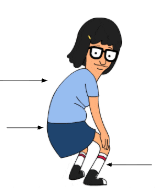
WHAT IS:
la espalda, los gluteos, la espinilla
600
Translate the following in English:
Voy a tocar esta parte, ¿le duele?
WHAT IS: I am going to touch this area. Does it hurt?
600
Create the Following into a Tag Question:
Le duele la garganta.
WHAT IS: ¿Le duele la gargante, (verdad/no)?
600
Finish the sentence with a common symptom: Tengo ________
WHO IS: Tengo (dolor de cabeza, dolor de garganta, tos, fiebre etc)
800
Create a sentence using the following words: fiebre, dolor, garganta
WHAT IS: Ex. Yo tengo fiebre y dolor en la garganta
800
The discharge note reads the following:
Take this medicine. Don’t drink alcohol. Rest for a few days.
Translate to your Spanish-speaking patient.
Tome este medicamento. No beba alcohol. Descanse por unos dias.
800
Finish the statement:
Tengo dolor en ___________. El. dolor comenzó ________. En una escala de 1 al 10 es un _________
WHAT IS:
Tengo dolor en (la rodilla). El. dolor comenzó (la semana pasada). En una escala de 1 al 10 es un (8)
800
State three possible questions to ask when taking a medication history in Spanish.
WHAT IS:
1. Tomas medicamentos?
2. Que doses se toma de cada medicina?
3. Cuantas veces se toma la(s) pastillas al dia?
4. Como se toma el medicamento?
800
The opposite of ¿Qué lo hace peor?
WHAT IS:
¿Qué lo hace mejor?
800
All the following are common symptoms except: tos, fiebre, diabetes, escalofrios, zumbido.
WHAT IS: diabetes
1000
Introduce yourself to a Spanish speaking patient.
Hola, buenas tardes. Me llamo ___ y soy estudiante de _______. Como se llama usted?
1000
You are a medical provider conducting a physical exam for a Spanish-speaking patient. How would you translate the following statements:
I am going to listen to your lungs.
Take a deep breathe and exhale. Again.
I am going to check your throat.
Cough, please.
Swallow, please.
Voy a escuchar sus pulmones.
Respire profundo y exhale. Otra vez.
Voy a revisar su garganta.
Tosa, por favor.
Trague, por favor.
1000
You are a provider talking to a Spanish-speaking patient who came to the clinic. Create the following statements:
Greet the patient
Introduce yourself and your role
Ask about the location and severity of their pain
Ask whether they have taken medication for their pain
WHAT IS:
Hola buenas tardes senor/senora.
Me llamo ___. Y soy estudiante de ___.
¿Me puede decir dónde le duele? ¿Es un dolor fuerte?
¿Está tomando medicamento para el dolor?
1000
You are a medical assistance welcoming a new Spanish-speaking patient:
- Greet the patient
- Introduce yourself and your role
- Ask for the following: name, date of birth, and reason for visit
WHAT IS:
Greet: Hola buenas tardes senor/senora.
Introduce: Me llamo _____. Y soy estudiante de _____.
Ask: Como se llama usted? Cual es su fecha de nacimeniento? Cual es el motivo de su sita?
1000
Propose one question in Spanish for each of the following:
Onset (Inicio)
Provocation (Provocación)
Qualities (Calidades)
Region (Región)
Severity (Severidad)
Timing (Momento)
Solution:
O: ¿Cómo empezó/comenzó ___?
P: ¿Qué lo/la hace peor?
Q: ¿Cómo es?
R: ¿Dónde le duele?
S: ¿Cuánto le duele en una escala del 0 al 10?
T: ¿Cuándo empezó/comenzó ___?
1000
Place the Following in Chronological Order:
1. Me siento preocupado.
2. Tengo dolor de espalda.
3. Hola, me llamo Marco.
4. El dolor comenzó hace una semana.
WHAT IS: 3, 1, 2, 4