Unit 1
Unit 2
Unit 3
Unit 4
Unit 5
Unit 6
Unit 7
Unit 8
Unit 9
Unit 10
100
This nonpharmacologic intervention is considered a first-line strategy to improve sleep and reduce the risk of ICU delirium.
What is promoting a normal sleep-wake cycle (e.g., reducing nighttime noise and light, clustering nursing care)?
100
This hemodynamic value most directly reflects tissue perfusion pressure.
What is MAP?
100
ST elevation in leads I and AVL suggests occlusion of this artery.
What is circumflex?
100
This intervention can increase PaO2 levels in a patient with severe ARDS.
What is prone positioning?
100
In this stage of shock, the body activates the sympathetic nervous system.
What is compensatory?
100
Patients with a right-sided stroke often demonstrate this behavior, increasing their risk for falls and injury.
What is poor judgment or impulsivity?
100
During the progressive stage of shock, hypoperfusion of the kidneys leads to this.
What is acute tubular necrosis?
100
This procedure is commonly used to reduce blood viscosity in patients with polycythemia vera.
What is therapeutic phlebotomy?
100
A kidney transplant patient has decreased urine output, fever, and tenderness over the transplant site. The nurse should suspect this complication.
What is organ rejection?
100
The nurse caring for a patient with DKA should administer this treatment first.
What are IV fluids?
200
The Confusion Assessment Method for the ICU (CAM-ICU) is primarily used to identify this common complication in critically ill patients.
What is delirium?
200
The nurse should anticipate this intervention when reviewing the following: CVP 1mmHg, PAWP 4 mmHG, CO 2.8 L/min.
What is a fluid bolus?
200
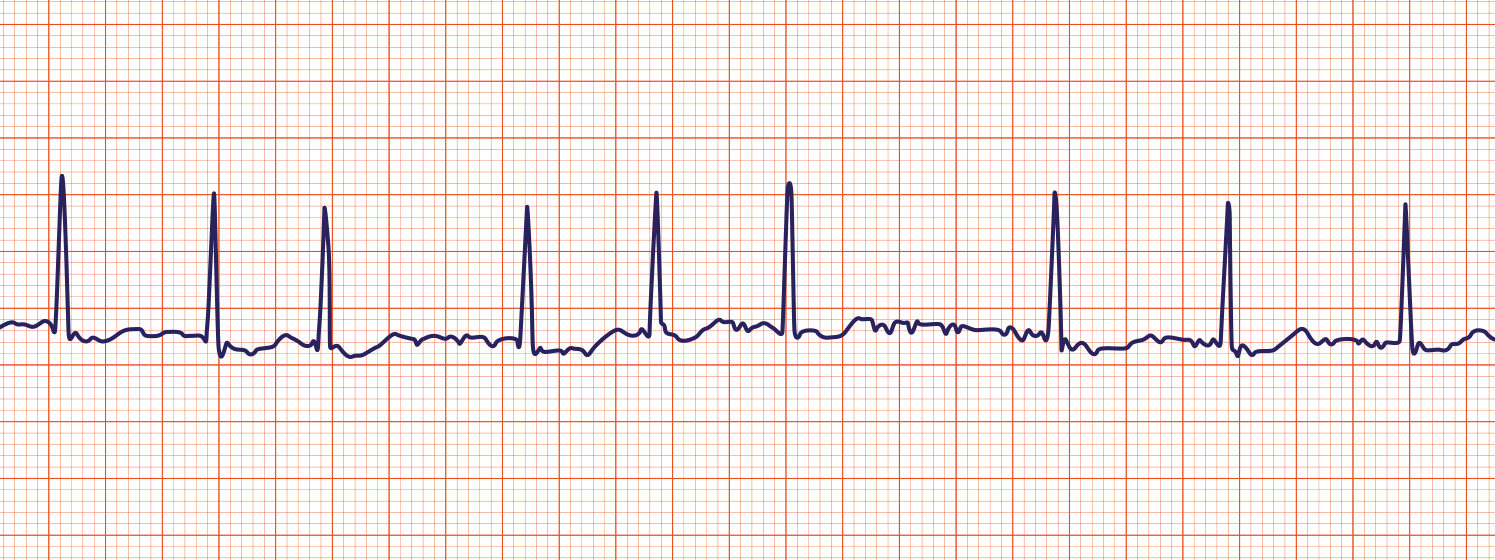
This rhythm can cause palpitations and syncope.
What is Atrial Fibrillation?
200
This acid-base imbalance can be caused by a high respiratory rate.
What is respiratory alkalosis?
200
This intervention is priority for a patient with a possible aortic dissection.
What is blood pressure control?
200
This parameter should be monitored to determine the effectiveness of mannitol.
What is ICP?
200
The presence of nitrites in a urinalysis along with fever and chills suggests this diagnosis.
What is pyelonephritis?
200
Pernicious anemia occurs when the stomach fails to produce this substance needed for vitamin B12 absorption.
What is intrinsic factor?
200
This medication class is given after an organ transplant to prevent the recipient’s immune system from attacking the new organ.
What are immunosuppressants?
200
This diabetic emergency is more likely to develop metabolic acidosis.
What is DKA?
300
A mechanically ventilated patient becomes acutely disoriented, attempts to remove the endotracheal tube, and has fluctuating levels of consciousness. The nurse should assess for this condition before assuming the patient is simply anxious.
What is delirium?
300
This mechanical ventilation setting allows spontaneous breaths without full support.
What is SIMV?
300
This medication should be considered after two unsuccessful attempts at defibrillation.
What is epinephrine?
300
This position prevents aspiration pneumonia in a patient with altered mental status.
What is side lying?
300
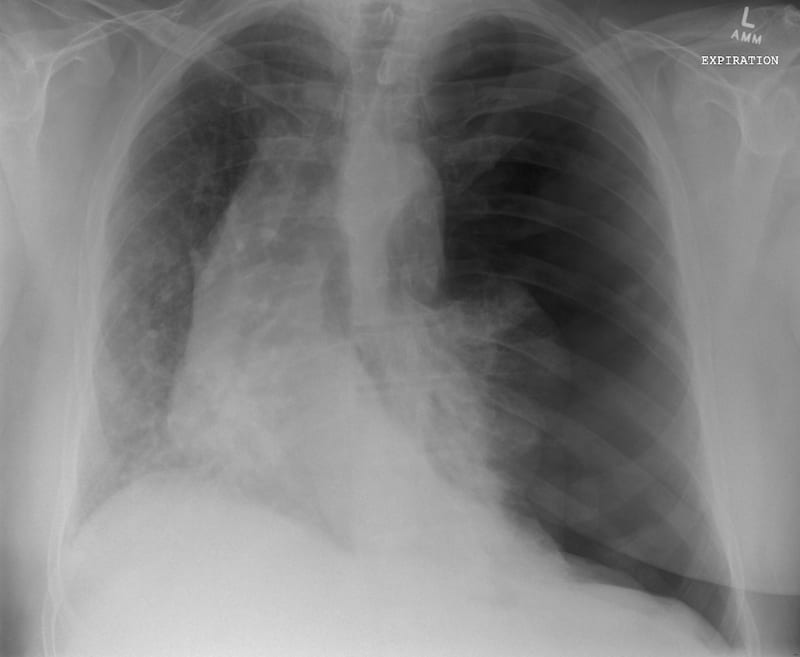
This intervention is priority.
What is chest tube or needle thoracostomy?
300
This happens to the blood pressure and pulse in a patient experiencing autonomic dysreflexia.
What is hypertension and bradycardia?
300
The nurse would expect the blood pressure to be this with nephrotic syndrome.
What is elevated?
300
In addition to fatigue and pallor, the nurse should assess a patient with pernicious anemia for this.
What are numbness and tingling (paresthesias)?
300
A patient awaiting a kidney transplant asks why family members are often tested as potential donors. The nurse explains that relatives may have a greater chance of sharing these markers.
What are HLA markers?
300
A patient with Graves’ disease develops fever, severe tachycardia, and agitation. The nurse suspects this life-threatening condition.
What is thyroid storm?
400
According to current ICU best practices, minimizing the use of this class of medications can reduce the risk of delirium in critically ill adults.
What are benzodiazepines?
400
This would cause a false high hemodynamic reading.
What is placing the transducer below the phlebostatic axis?
400
During a blood draw, a patient becomes pale, diaphoretic, and briefly loses consciousness. The most likely cause is this condition.
What is vasovagal syncope?
400
This is the likely cause for a patient diagnosed with DM with the following ABGS: pH 7.32, PaO2 91, PaCO2 31, HCO3 16.
What is diabetic ketoacidosis?
400
A patient with a right tibial fracture reports worsening pain that is unrelieved by opioids. The nurse should perform this.
What is a neurovascular assessment?
400
A patient with a traumatic brain injury is placed on mechanical ventilation. The nurse understands that excessive PEEP should be avoided because it can increase this.
What is intracranial pressure (ICP)?
400
A patient with recurrent uric acid kidney stones should modify the diet by limiting intake of these foods.
What are high-purine foods (such as organ meats and certain seafood)?
400
A patient with a suspected GI bleed has dizziness, tachycardia, and hypotension. The nurse recognizes these findings as signs of this complication.
What is hypovolemic shock?
400
The nurse should teach the patient taking cyclosporine to immediately report this finding.
What is fever or signs of infection?
400
A patient with excess cortisol may develop this classic appearance and metabolic complication.
What are moon face, central obesity, and hyperglycemia?
500
A patient in the ICU has new-onset confusion. Before administering medication for agitation, the nurse should first identify and correct these potentially reversible causes.
What is dementia, dehydration, electrolyte imbalances, emotional stress, Lung, liver, heart, kidney, brain, infection, intensive care unit, RX drugs, injury, untreated pain in an unfamiliar environment, metabolic disorders?
500
Current ICU guidelines recommend treating this before increasing sedation in a mechanically ventilated patient showing signs of distress.
What is pain?
500
This intervention is priority for a pulseless patient with an organized telemetry rhythm.
What is high quality CPR?
500
This is the primary pathophysiologic change that causes hypoxemia in a patient with a pulmonary embolism.
What is ventilation-perfusion mismatch?
500
For a patient with septic shock, this team member can assist with measuring urine output.
Who is the UAP?
500
The nurse teaches a patient recovering from Guillain-Barré syndrome to conserve energy by using this approach during daily activities.
What is planning rest periods between activities?
500
A patient admitted to the ED with a blood pressure of 82/49 is at risk for which category of renal injury?
What is prerenal?
500
A patient with aplastic anemia is at risk for this complication.
What is infection?
500
This type of rejection can usually be reversed.
What is acute?
500
This condition has low TSH, T3 and T4.
What is hypothyroidism?